

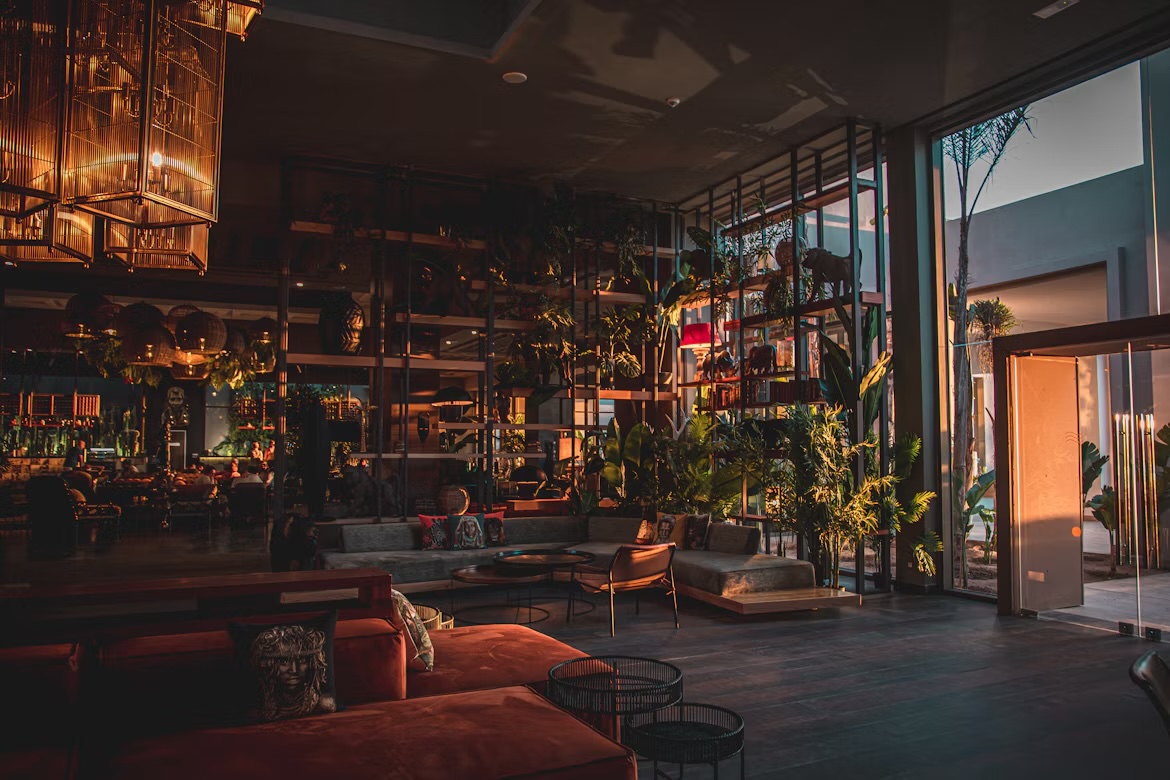
Modern VIP hospitality is defined by how well a venue anticipates individual needs while keeping the experience relaxed. Premium spaces still rely on polished surroundings and attentive service, but those features now serve as a foundation.
Guests also expect personal recognition, flexible arrangements and thoughtful details that make an evening feel distinctly their own. For nightlife operators, the challenge is delivering that level of care without making it feel rehearsed or intrusive.
Shifting Demands of Luxury Nightlife
Luxury nightlife once centered heavily on visible status markers such as exclusive entrances, prominent tables and elaborate presentations. Those elements remain popular, yet guests increasingly judge value through service quality, convenience and access. The wider rise of luxury hospitality reflects this move toward experiences built around personal preferences.
Venues can respond before a guest arrives. A host might confirm the preferred arrival time, seating style and group size, then explain dress expectations and transportation options. Once inside, accurate reservations and prompt table service matter more than flashy gestures. Clear communication also prevents common frustrations, especially when pricing, minimum spending or wait times may affect the evening.
The Rise of Bespoke Hosting
Bespoke hosting gives guests a consistent point of contact who can coordinate the details around a night out. For a birthday group, that could mean arranging adjacent seating and timing a special presentation. A business traveler may value a quieter table, an efficient arrival and help keeping the evening within a set schedule.
You can assess this service before booking by examining how clearly a venue presents its identity and guest experience. Reading about Spearmint Rhino Las Vegas, for example, gives prospective adult patrons context about its high-end nightlife setting, hospitality services and private event options. A useful inquiry should receive specific answers about reservations, group arrangements, costs and who will handle changes on the night.
Balancing Discretion and Atmosphere
A VIP room still needs energy. Music, lighting and attentive staff create a sense of occasion, while discretion allows guests to enjoy it comfortably. Strong venues manage both through smart table placement, controlled access and staff who recognize when to check in and when to step back.
Privacy practices deserve attention too. Ask how guest information is stored, who can view reservation notes and how photography is handled. Staff should never announce personal details across a crowded room or post recognizable images without permission. The most capable hosts keep communication concise, confirm preferences quietly and resolve billing questions away from the group. These small operational choices protect the mood while showing respect for every guest at the table.
What Discerning Patrons Look For Next
Personalization will become more precise, but guests are likely to favor useful recognition over constant monitoring. The latest luxury travel trends point toward meaningful experiences and high service standards, expectations that carry naturally into premium nightlife.
Patrons may soon expect mobile itinerary updates, faster identity checks and preferences that can be saved only with clear consent. Sustainability will also influence decisions, from reduced single-use materials to more efficient transportation partnerships. Even so, technology should remain in the background.
A host who remembers a seating preference, communicates a delay early and provides an accurate final bill offers greater value than an elaborate digital feature that adds friction. The next era of VIP hospitality will belong to venues that make every detail feel considered without making the process visible.
Photo Credit: Unsplash