
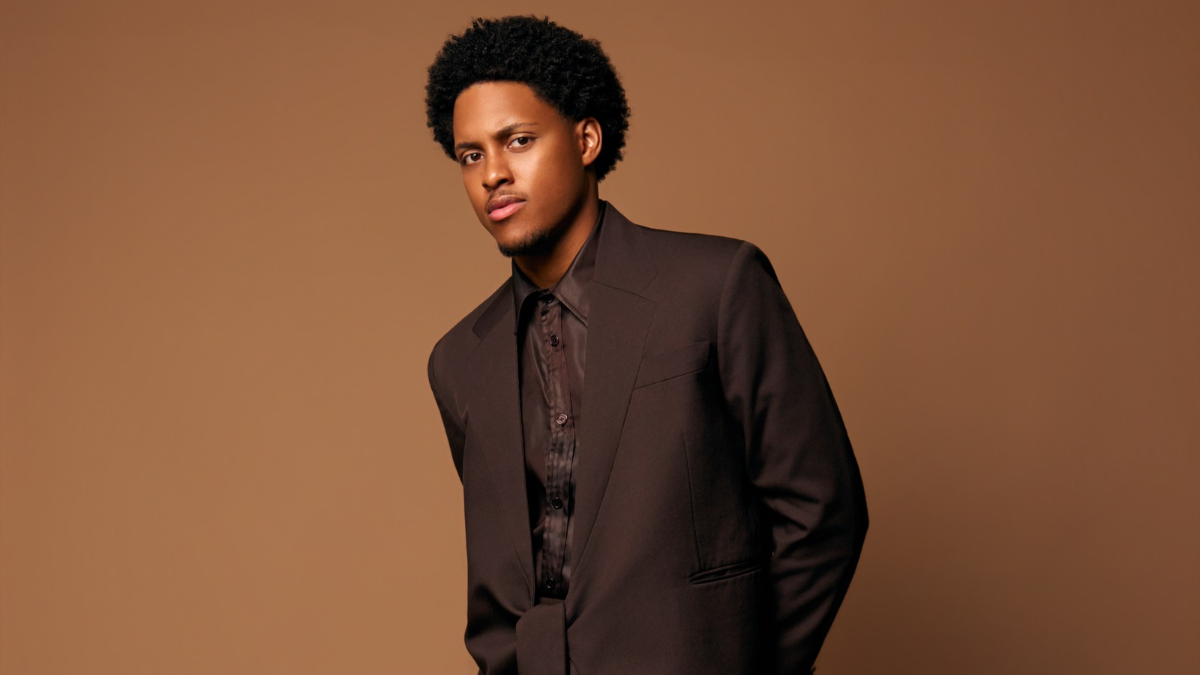
The story of Muhammad Ali has been told plenty of times. The story of the man standing next to him almost never has. Kai Parham is changing that. In Prime Video’s The Greatest, the first authorized scripted series about Ali’s life, Parham plays Rudolph “Rudy” Clay. Rudy was Ali’s younger brother and fellow boxer, and he later became Rahaman Ali. He was in the corner, on the undercard, and at his brother’s side for many of the defining moments of Ali’s life.
Getting there took a lot of patience. Parham first auditioned for the role of Cassius Clay and went through about eight rounds before a final chemistry read with Jaalen Best, who eventually won the part of Ali. A year later, Parham was called back to read for the brother. That meant six or seven more auditions before he got the call that changed his life, and it came first from executive producer Michael B. Jordan.
Before The Greatest, Parham was a former college basketball player trying to break through in Los Angeles. He worked at a bowling alley, took production assistant gigs and tried dog walking and house sitting to stay afloat. At his mentor and manager Bobby Moore’s urging, he stopped waiting and started making his own work. The result was Side Quests, a web series he wrote and directed based on his own life as a struggling actor. Parham says it changed his trajectory.
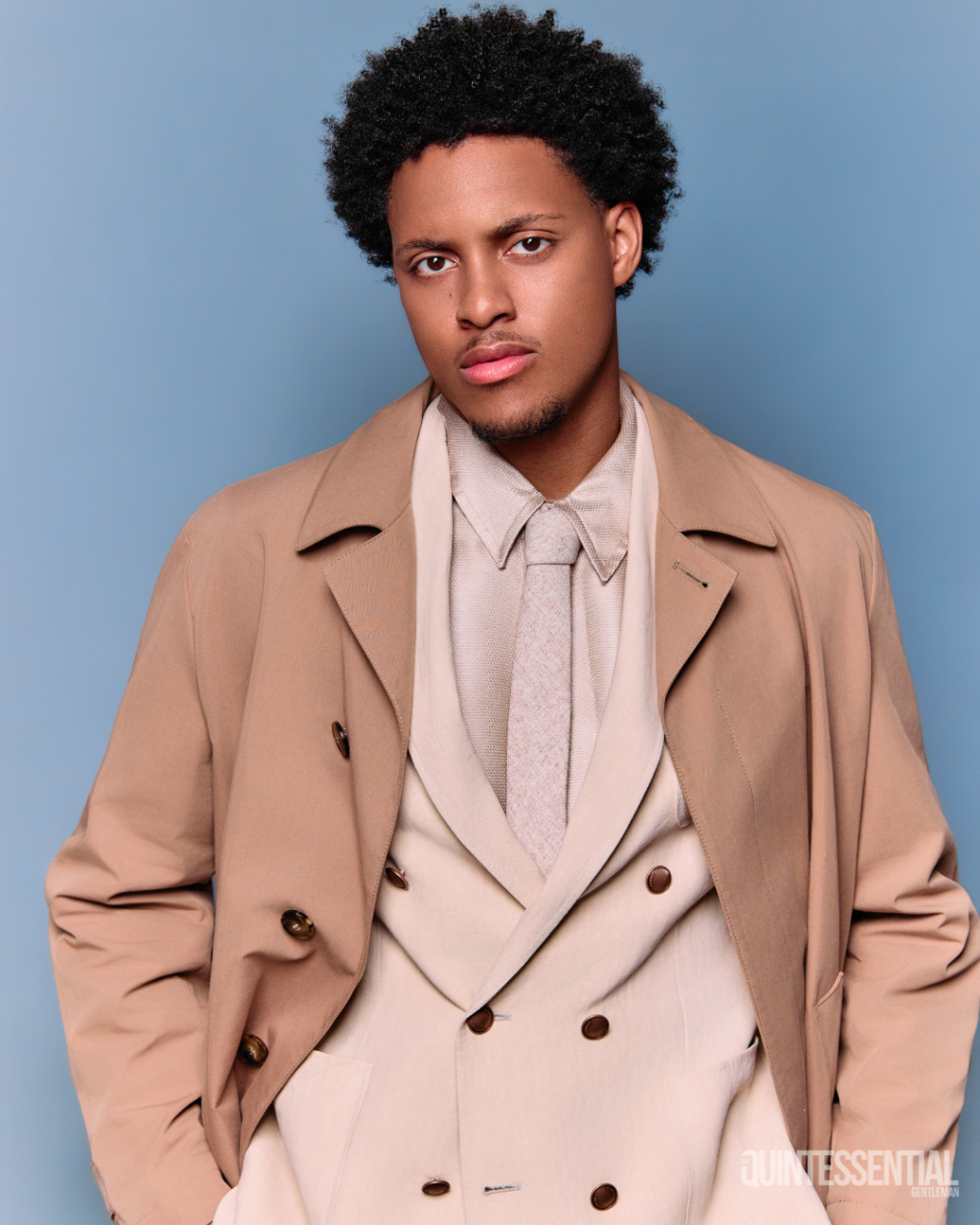
Created by Ben Watkins, The Greatest is now streaming all eight episodes on Prime Video. It looks at Ali outside the ring as a son, husband, father and brother. Best stars as Ali, alongside Omari Hardwick as Cassius Clay Sr., Dana Gourrier as Odessa “Bird” Clay, Amin Joseph as Sonny Liston, Michael Ealy as Malcolm X and Giovanni Ribisi as Angelo Dundee. For Parham, the job came with a responsibility he took seriously: putting the life of a man who has rarely been seen on display, and giving him his flowers.
QG sat down with Parham to talk about learning to box in a few months, the book that became his blueprint, what Hardwick taught him about acting and why brotherhood is at the heart of the series.
[Interview has been edited for length and clarity]
What was the moment as a kid when you knew acting was something you wanted to do?
It was after my first show. I was Donkey in Shrek. Seeing how proud my family was that I could sing and dance at the same time made me feel like this was my calling. From there it was reinforced by my family: my grandmothers, my cousins, my uncles. It allowed me to chase this dream full throttle.
You also wrote and directed your own web series, Side Quests. What made you want to create your own work instead of waiting for the right role?
I love questions like this because they break the mundane answer. I wrote Side Quests because I wasn’t working. I wasn’t booking. It’s still up to this day, and I don’t think I’ll ever take it down because it was a dramatization of what was happening in my real life. I was in LA and doing odd jobs. I worked at a bowling alley, did all the PA work you can think of, tried dog walking and house sitting. I tried everything.
My mentor and manager, Bobby Moore, sat me down and said, “You have to start acting.” I said, “What do you mean?” He said, “When you were playing college basketball, you said you were a basketball player because you were playing basketball. You’re not acting right now, so start acting.” So I sat down and wrote Side Quests about what was happening to me day to day, and I had my buddy Ray come shoot it. That series really changed my trajectory.
Walk us through how The Greatest came to you. What was the audition process like?
It really tested my love for this. I was initially called in to read for Cassius Clay. I met Jaalen early in the process, and it was about eight auditions before the final chemistry read. Jaalen and I got to talk about how our lives would change if either of us got the role. It was a bonding moment.
When it went to Jaalen, a year passed, and then they called me back in to read for the brother. That was another six or seven auditions. By the fifth or sixth one, I was thinking, “I don’t know what else you guys want to see, but I’m doing this because I love it.” Honestly, I had 20, 30, 40 more auditions in me if it meant I could still be on this project.
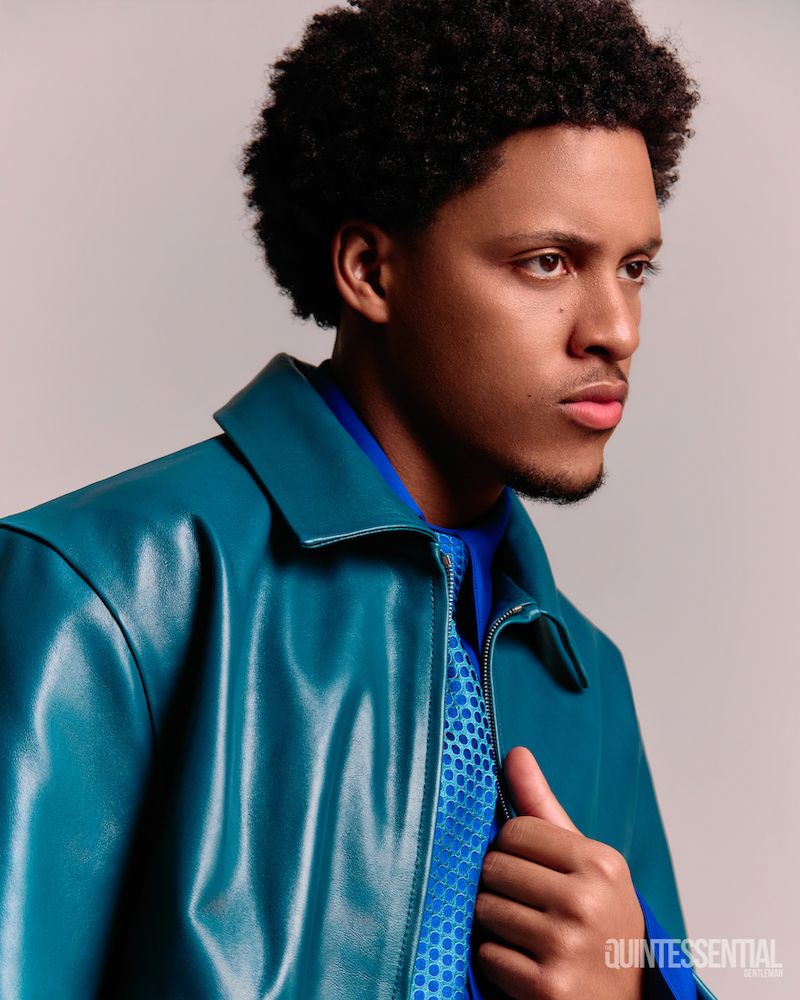
Where were you when you found out you got the role, and what was your reaction?
I was driving in LA with my brother and one of my friends. It wasn’t even the official call yet. It was one of the big dogs, Michael B. Jordan, calling me. He said, “Listen, man, you might be getting a call here soon, so I just want to let you know,” and gave me the rundown. When I hung up, I just cried. It felt like something I knew was going to come. I just never knew when. I broke down in tears.
What did your preparation look like physically and emotionally? Did you train as a boxer, since Rudy also fought?
I had to get the mental part together first because I wanted to capture the essence of this person. Jaalen has a big responsibility portraying Cassius Clay, for obvious reasons. But I felt I had a large responsibility too, because I’m putting someone’s life on display that has never been seen before and who deserves his flowers. So I did all my due diligence to learn everything I could.
When I got to Canada, I had about three to four months to figure out how to box. They put me through regular training, then I’d spar Jaalen, and after that I’d spar Amin Joseph. It was back to back to back. Your first month and a half, you’re getting beat on. Then it clicks and you start figuring out how to make it work. I definitely had to get in shape.
There’s far less public footage and history on Rudy than on Muhammad. Where did you go to learn more?
He wrote a book, That’s Muhammad Ali’s Brother! My Life on the Undercard. It’s a one-to-one account of the moments in Ali’s life when he was there. A lot of people see this and say, “You’re in this person’s shadow.” But he was the anchor in a lot of those situations, dealing with his brother and trying to find his way through life, a life that already included this monumental person Ali was becoming.
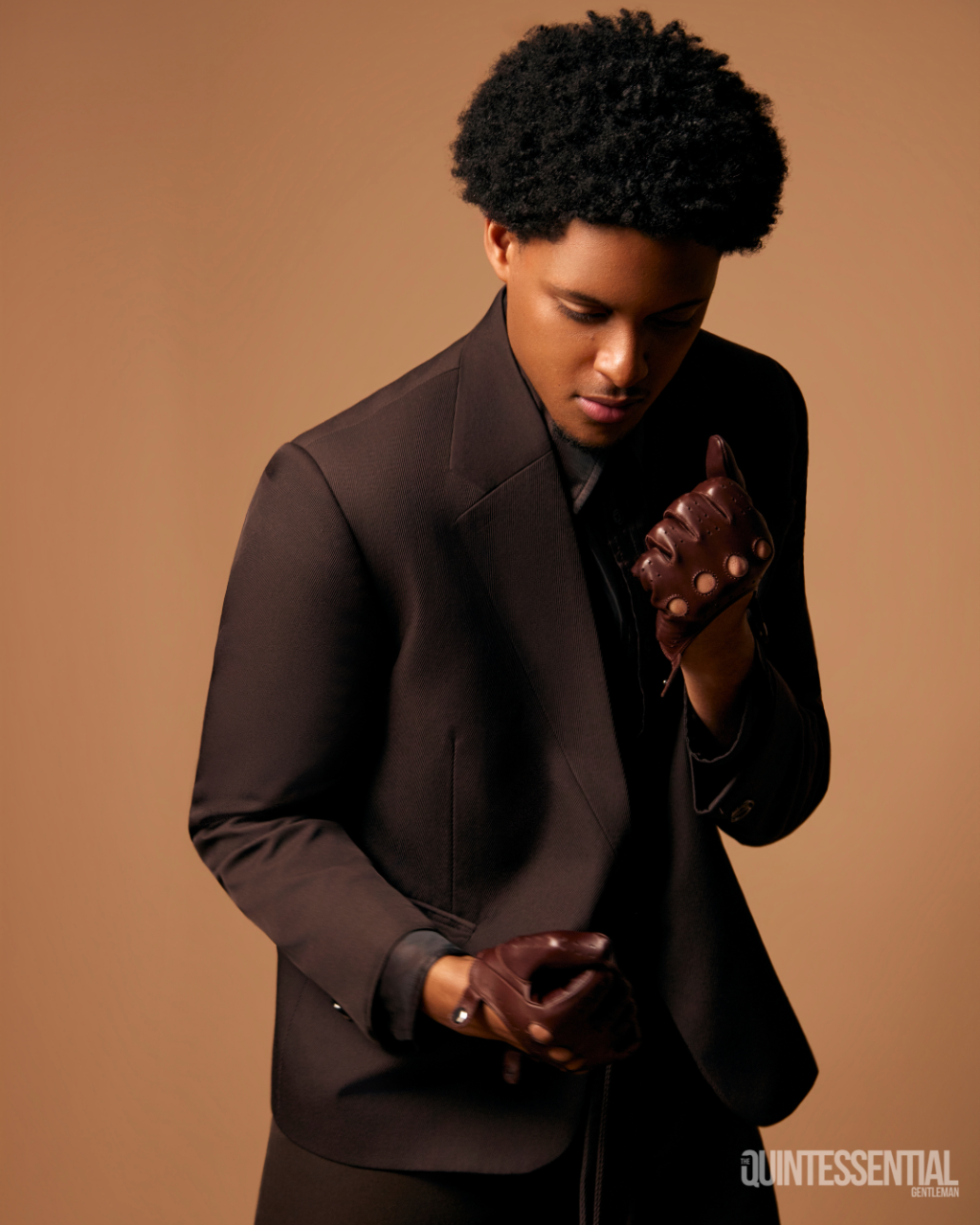
What do people not know about their relationship that you hope they see in the series?
When we see siblings in media and stories, we often think about rivalry and competition, not the beautiful things. The first story of brothers we have is Cain and Abel, so it’s rooted in our minds to jump to that. This is a story about two brothers who are so happy for each other to win, and who will do anything for each other to win. It’s a good demonstration of “iron sharpens iron,” because that’s exactly what they do.
What was it like building that brotherly chemistry with Jaalen Best?
It was truly a blessing. Not only are our lives forever changed after this, but Jaalen is like an additional brother to me now. I already have an older brother, and Jaalen fits in between the two of us. We’ll forever have this bond because of this moment.
Omari Hardwick plays your father, Cassius Clay Sr. What was it like working with him, and what did you learn from him?
It was amazing. We had so many vets on this project who were willing to pour into us. Jaalen and I are spoiled now, because you don’t know who will look out for you on your next project. We were blessed to have most of the cast, if not all of it, looking out for us at all times.
When you’re young and around someone with a career as long and successful as Omari’s, you want all the free game you can get as soon as possible. Early on, I asked him to give me what he had. He told me in layman’s terms that you have to live to give life. There are methods, practices, isolation and all sorts of acting styles. But he showed me that to give a good demonstration of life, you just have to live on camera. The second you start acting, it’s noticeable. As people, we can see when you’re acting.
As someone who writes and directs, what Black stories do you want to tell?
I want to tell stories, and be part of stories, that don’t use our struggle as the focal point. There will be a time and place to remind the youth where we came from and what life and opportunities used to be like. Right now, I’m much more interested in stories about people who happen to be Black, not stories that only pull on Black trauma. We’ve seen that so many times, and so many other things happen to us day to day. We make history every single day. For me, it’s more important to tell stories about the triumphant moments of Black people and people who look like me.
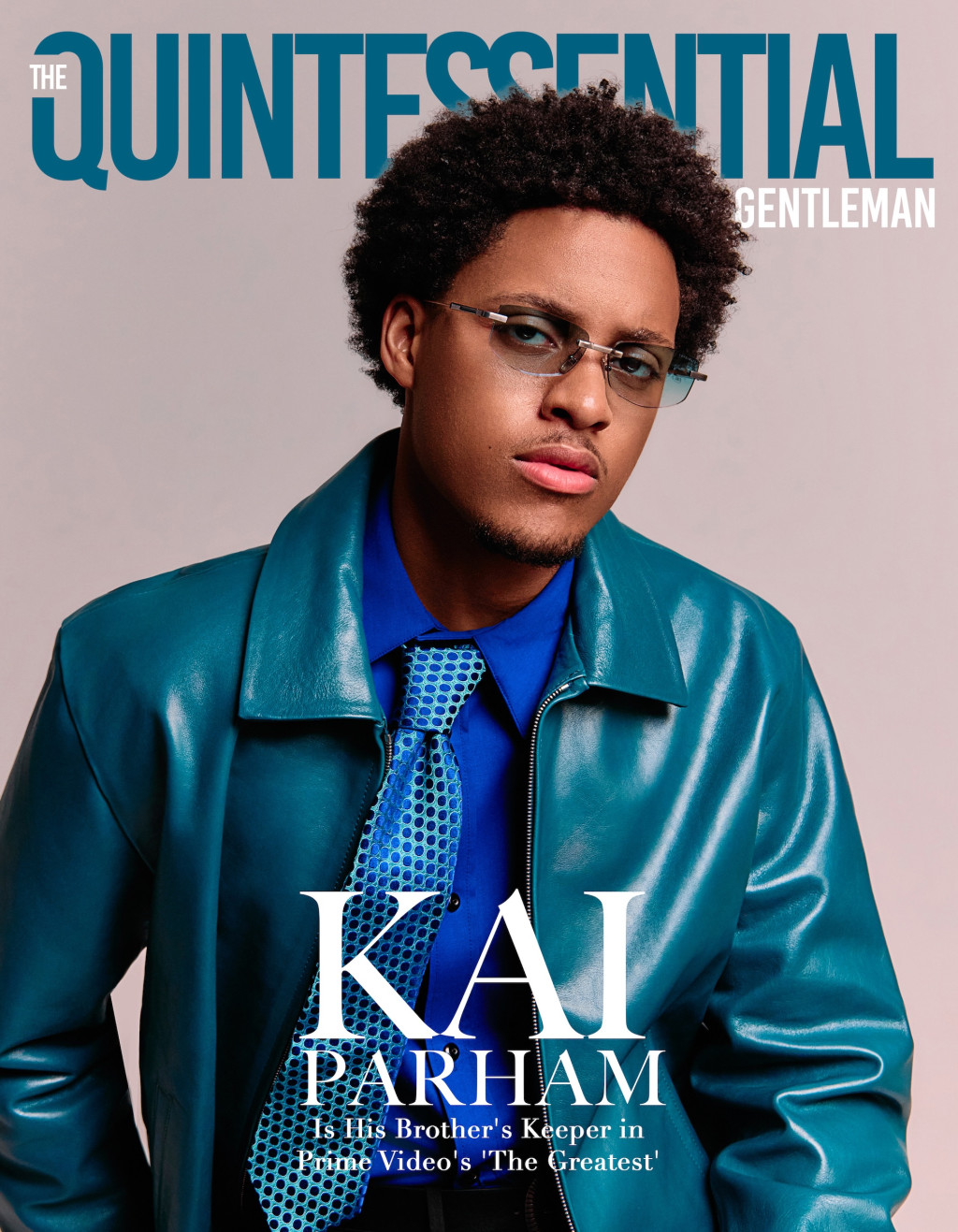
What does brotherhood look like to you?
I’m blessed to have an older brother, and brotherhood to me looks like 110 percent backing. My brother has always been there for me, even when we weren’t the closest growing up, because when you’re young you bicker all the time. He has always been willing to push my dream 110 percent.
Brotherhood looks like loyalty. It looks like listening to one another, and also acting on what you hear. My brother doesn’t hesitate to look out for me or make sure I’m okay. Whether or not I agree with what he thinks is best for me, he never comes from a place of jealousy. I was able to bring that real relationship, loving and caring and rooted in having each other’s back, to my work with Jaalen. We recreated something very similar and put it on screen for two real brothers who had a major impact on our history.
The Greatest is now streaming on Prime Video.
Editor-in-Chief & Art Director: Eric Keith
Fashion Stylist & Creative Director: Mickey Freeman Represented by The Only Agency
Photographer: Ruben Chamorro
Retoucher: Felicia A.
Fashion Assistant: Kristopher Fraser
Groomer: Eloria Michelle
Photo Shoot Coordinator: Christopher Leon
Videographer: Lawrence Pitts
Graphic Designer: Tyline Burgess