

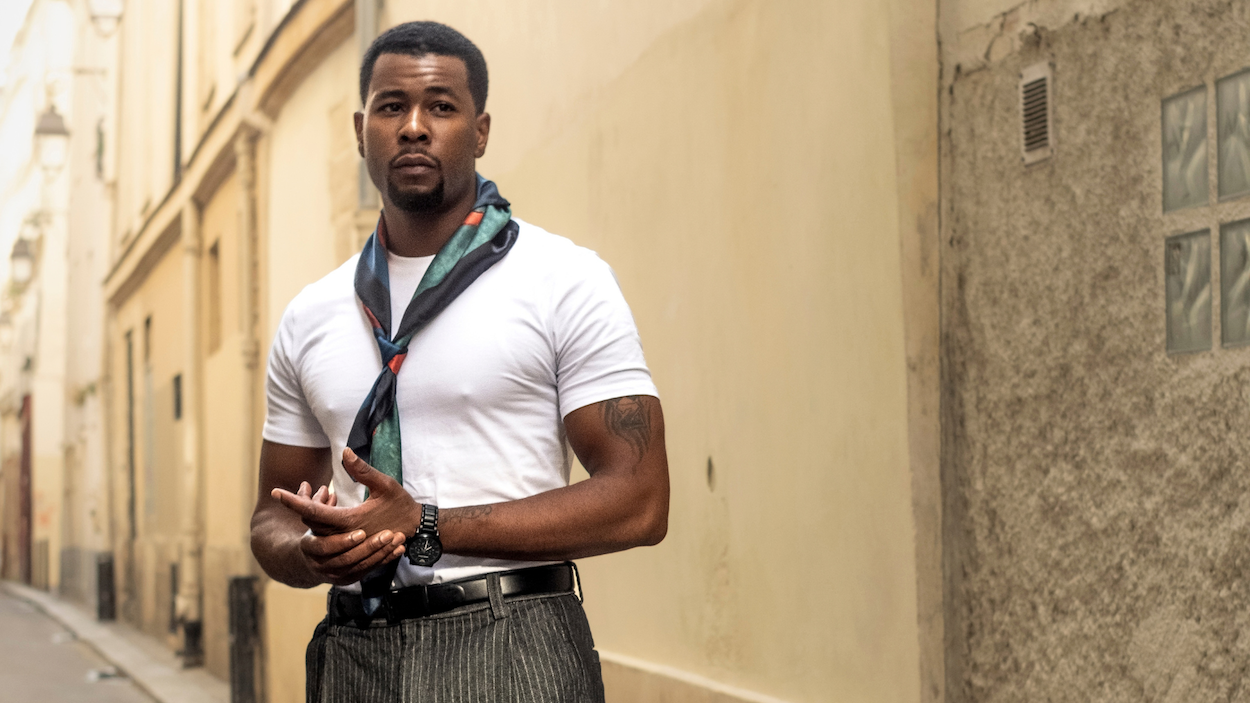
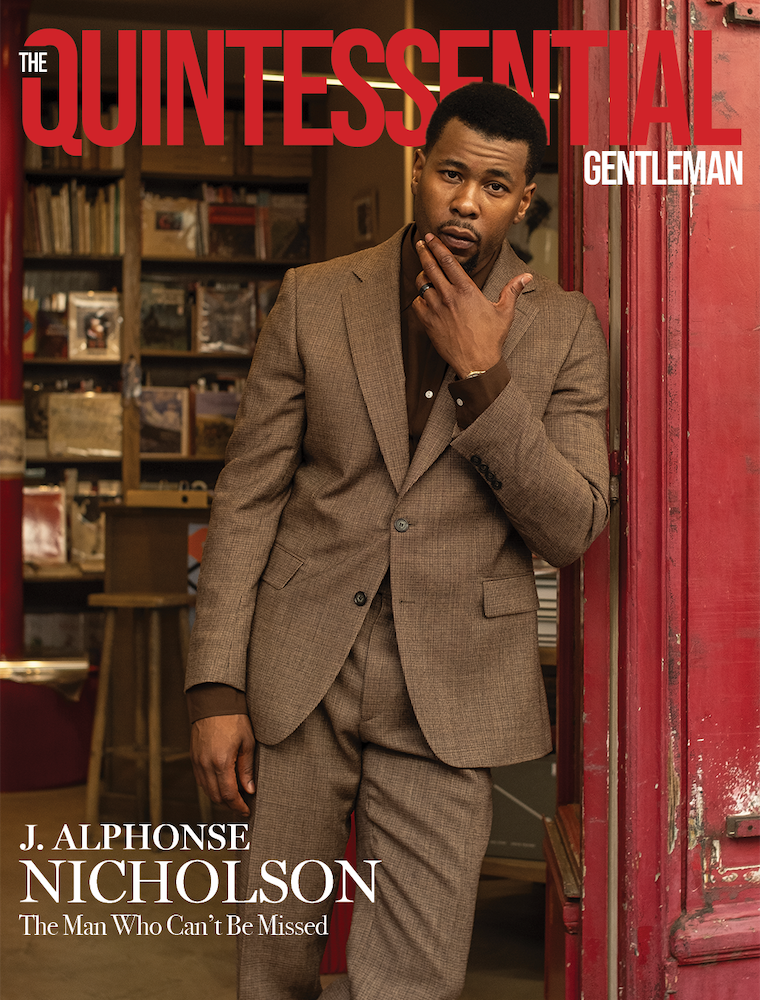
There is a distinct, grounded calm in J. Alphonse Nicholson‘s voice, even as he speaks from halfway across the world. Currently based in Paris for the next three months, filming a new project he promises fans will be excited about, the North Carolina native is taking a moment to breathe and process what is undeniably one of the most defining chapters of his career.
“To be honest, I’m just trying to take it all in, brother,” Nicholson shares in our cover story interview. “It’s one of the highest peaks of my career thus far. Probably never had this many projects dropping at the same time. So it’s a lot of momentum, a lot of endorphins and dopamine hits… but I’m just taking it in and just trying to keep my head down and keep working.”
Ever since his breakout role in Starz’s critically acclaimed drama P-Valley, where he first captured global attention as the complex, vulnerable rapper Lil’ Murda, Nicholson has built a career defined by range. Now, as a real-life father, he finds himself stepping fully into his “father bag,” tackling roles that explore the weight, beauty, and challenges of Black fatherhood across streaming, film, and premium cable.
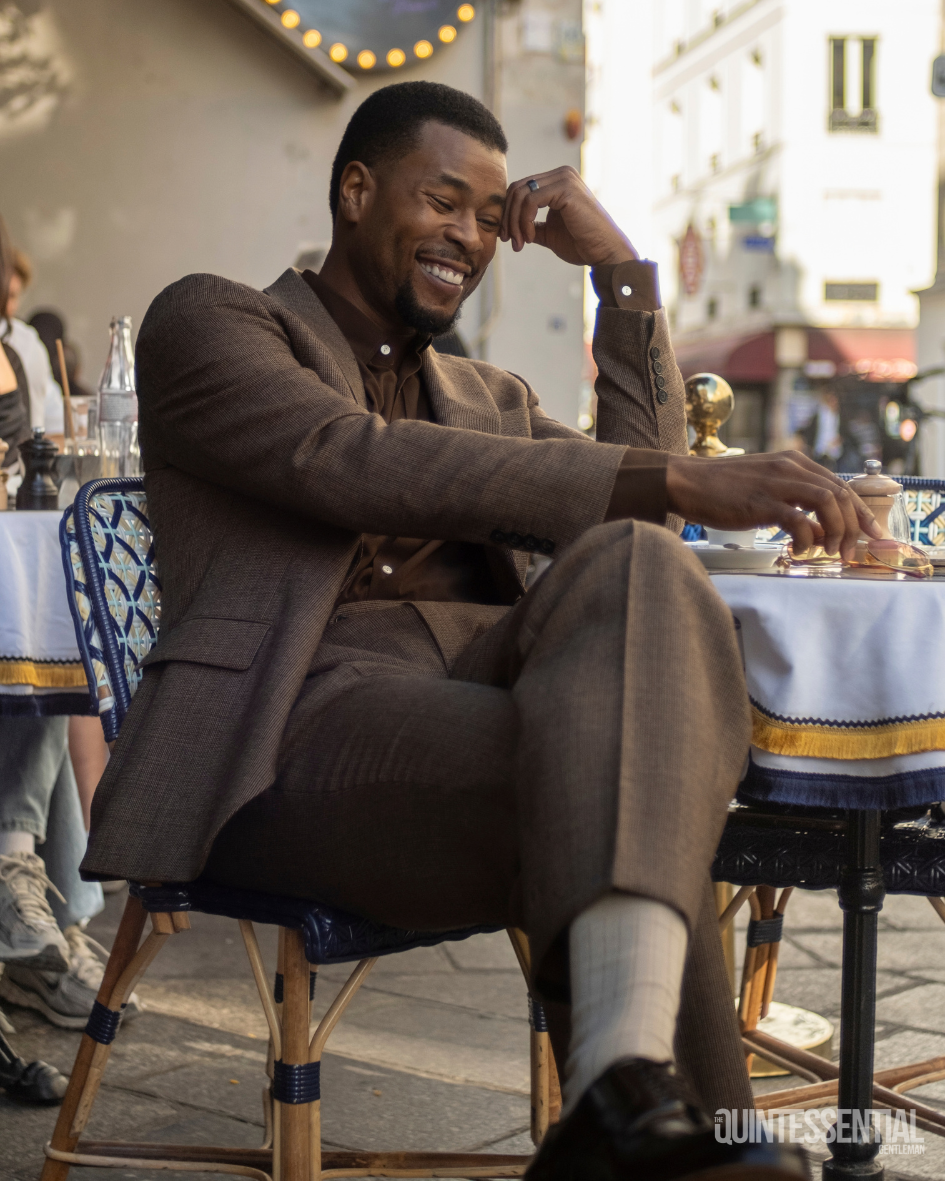
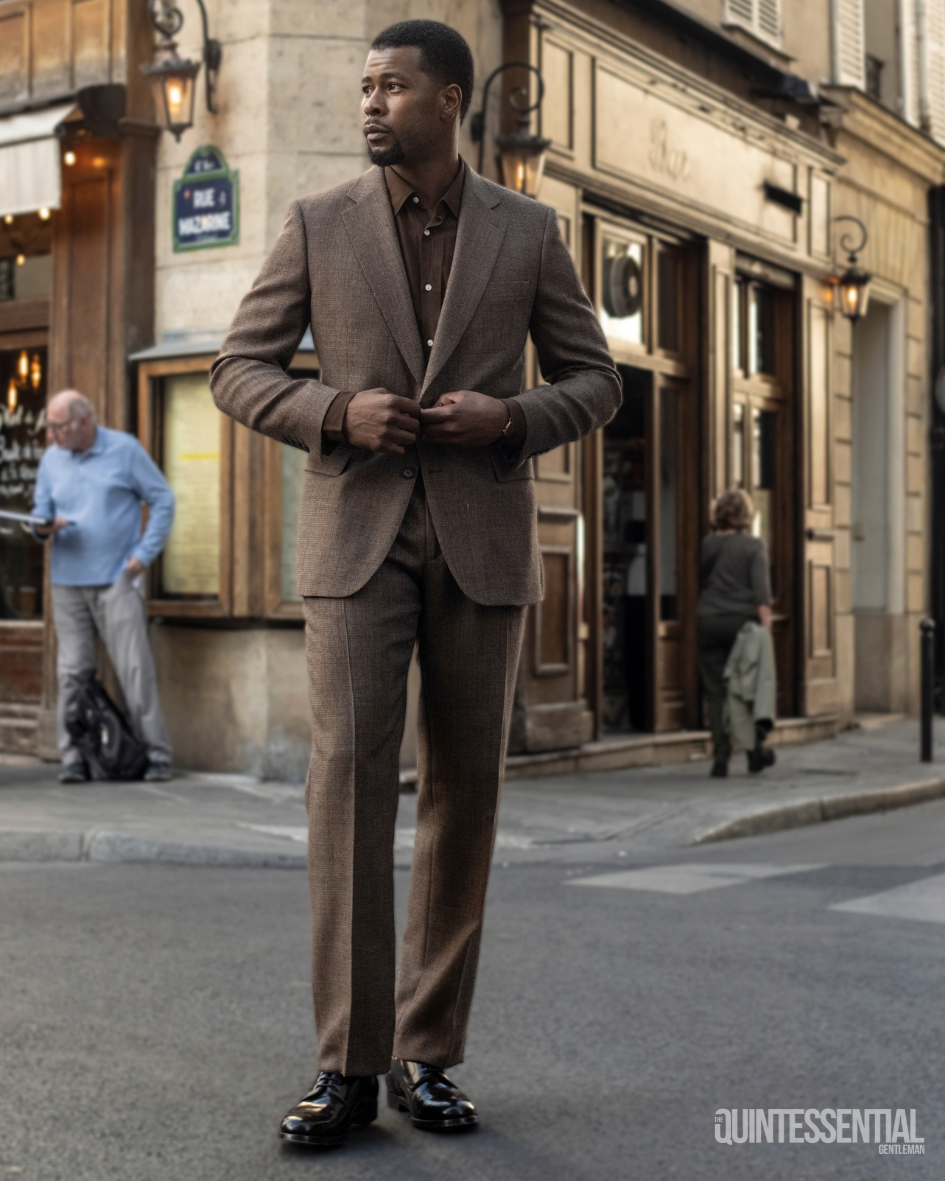
Currently streaming on HBO Max, Lanterns places Nicholson at the center of a massive superhero universe, yet grounds his performance in authentic human emotion. Nicholson plays the father to Aaron Pierre‘s John Stewart and husband to Jasmine Cephas Jones’ Bernadette, portraying the parents of the future Green Lantern with a disciplined, militant, and fiercely loving dynamic. For Nicholson, centering a Black family in such a monumental franchise is a milestone. “I do believe it’s a Black show, I think it’s for everybody, but I think the way we’re able to center John Stewart and his family, it means the world to me,” he reflects.
Shifting from the cosmic scale of HBO Max to intimate indie cinema, If I Go Will They Miss Me offers a different look at fatherhood. Written and directed by Walter Thompson-Hernández, the magical-realist feature currently playing in theaters stars Nicholson as Big Ant, a father navigating a fractured emotional connection with his young son, Lil Ant, played by Bodhi Dell in his acting debut.
“When you play a dad, it’s something that’s really grown about it,” Nicholson shares. “You’re in your grown man bag. You are elevating as an artist and you’re able to bring a certain gravitas that’s needed to play a father… So to be in a position to tell stories about people who I know, whether that’s Murda or John Stewart or Big Ant, I just count it all joy.”
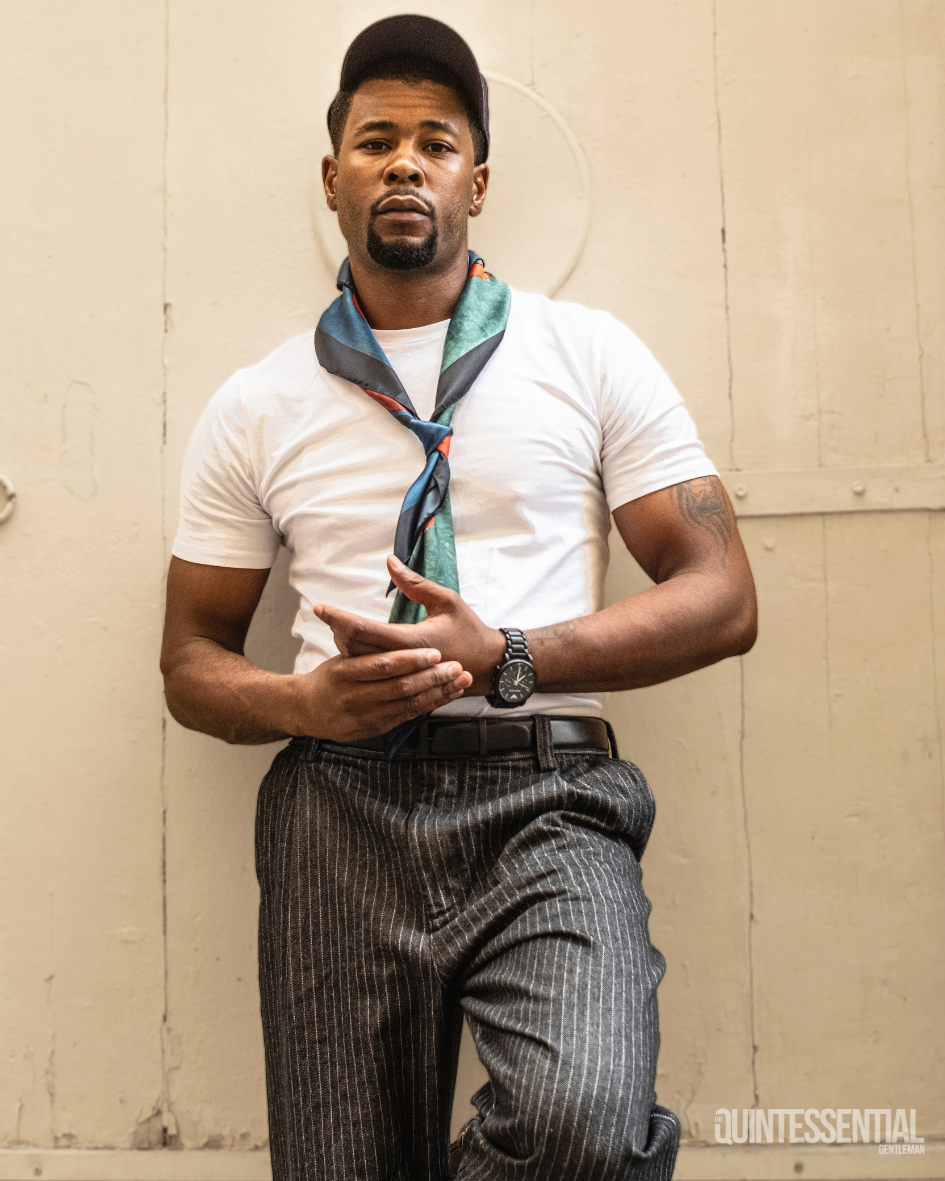
Meanwhile, the series that launched his career is preparing for its final bow. Starz’s P-Valley, which aired its Season 2 finale back in August 2022, has left its fans eagerly asking when the series would return. After a hiatus of over four years, fans finally have their answer: Season 3 premieres December 4.
Through his portrayal of LaMarques – Lil’ Murda – a rugged, hyper-masculine Southern rapper deeply in love with Uncle Clifford (played by Nicco Annan), Nicholson broke ground in Black television with a different depiction of queer Black romance. Reflecting on that journey, Nicholson credits his ability to portray such a complex character to the unwavering support of his wife, Nafeesha Nicholson. “Shout out to my wife, or my pretty baby as I call her, for being a huge support in that, helping me guide on that journey,” he says.
Before the theater release of If I Go Will They Miss Me, J. Alphonse Nicholson discusses his current moment, the legacy he leaves behind for his children, and the power of Black storytelling across the globe.
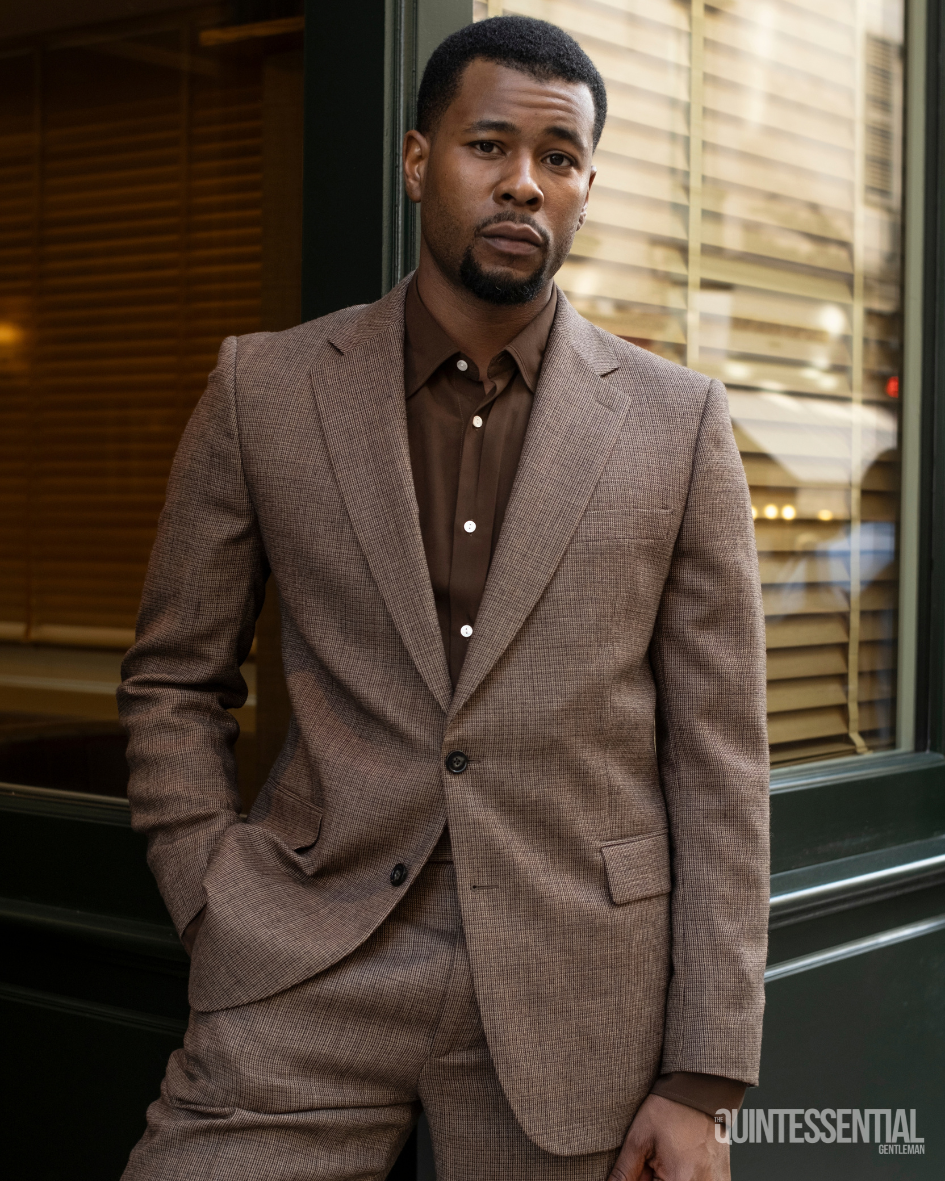
[Interview has been edited for length and clarity]
How are you feeling in this exact moment? We have Lanterns currently airing, If I Go Will They Miss Me comes out in theaters; then you have P-Valley coming back.
To be honest, I’m just trying to take it all in, brother. It’s one of the highest peaks of my career thus far. Probably never had this many projects dropping at the same time, so it’s a lot of momentum, a lot of endorphins and dopamine hits that maybe too many. Sometimes I get overwhelmed with being on my phone, and then you got to balance that out with real-life stuff too, and family, and all those things. So just trying to find that balance, and then also really seeing how these projects speak to me, how they reflect, put up a mirror for me and allow me to adjust accordingly, and to look at when I did it and look at where I’m at now. It’s really cool to experience all these things as a human being, as well as an artist. But I really, I’m just taking it in and trying to keep my head down and keep working.
Lanterns. It’s a very interesting space, because we have Black people inside of this superhero space in a way we’ve never seen before, telling a Black family story in a way we’ve never really seen before. What does that mean to you and to the genre?
I’ve been blown away, to be honest with you. To see that we’re getting 10 million views per episode, top three or four premieres of all time for HBO, I’m blown away. To have that, and to have it be a Black show, because I do believe it’s a Black show; I think it’s for everybody, but I think the way we’re able to center John Stewart and his family, it means the world to me. Shout out to Vanessa Baden Kelly, one of the writers on Lanterns, a Black woman who I feel like really laid the groundwork for one of the best episodes that we’ve seen thus far. And then Stephen Williams, who I was able to work with as well. To be surrounded by Black creators on this show has been amazing. Working with Aaron Pierre, who’s a peer, a contemporary, and certainly a friend, and playing his dad is insane. And then Jasmine Cephas Jones, I’m just always impressed with her work. I loved her dad (Ron Cephas Jones); he was such a sweet soul and an amazing actor. To be working with people who I’ve come up in the industry with, where we’re all now stepping into our own light, is a beautiful thing.
You’ve said you’re in your “father bag.” What does it look like for you in your career, playing these paternal roles?
Man, it’s dope. It’s one of those things where you’re like, damn, I really am; they got me. They know I’m a dad. They know I got grown kids. I was like, well, Lil Murda can only be young for so long. So, it’s cool. But when you play a dad, it’s something that’s really, for lack of better words, grown about it. It’s real. You’re in your grown man bag. You are elevating as an artist, and you’re able to, I think, bring a certain gravitas that’s needed to play a father, and so I’m grateful for that. I feel like all of a sudden I started seeing a little more gray hair, so I don’t know what that’s about, but really excited to not only be able to be on set with young actors and be an example for them, but to be able to show my brothers on screen, people who I know. I know these guys. Even John Stewart. My uncle wasn’t shooting apples off our heads, but he was very militant. He was a sergeant in the Army. So I know these people. I know Big Ant. I know fathers who struggled with being incarcerated and coming back out and trying to figure life out for themselves. So to be in a position to tell stories about people who I know, whether that’s Murda or John Stewart or Big Ant, I just count it all joy.
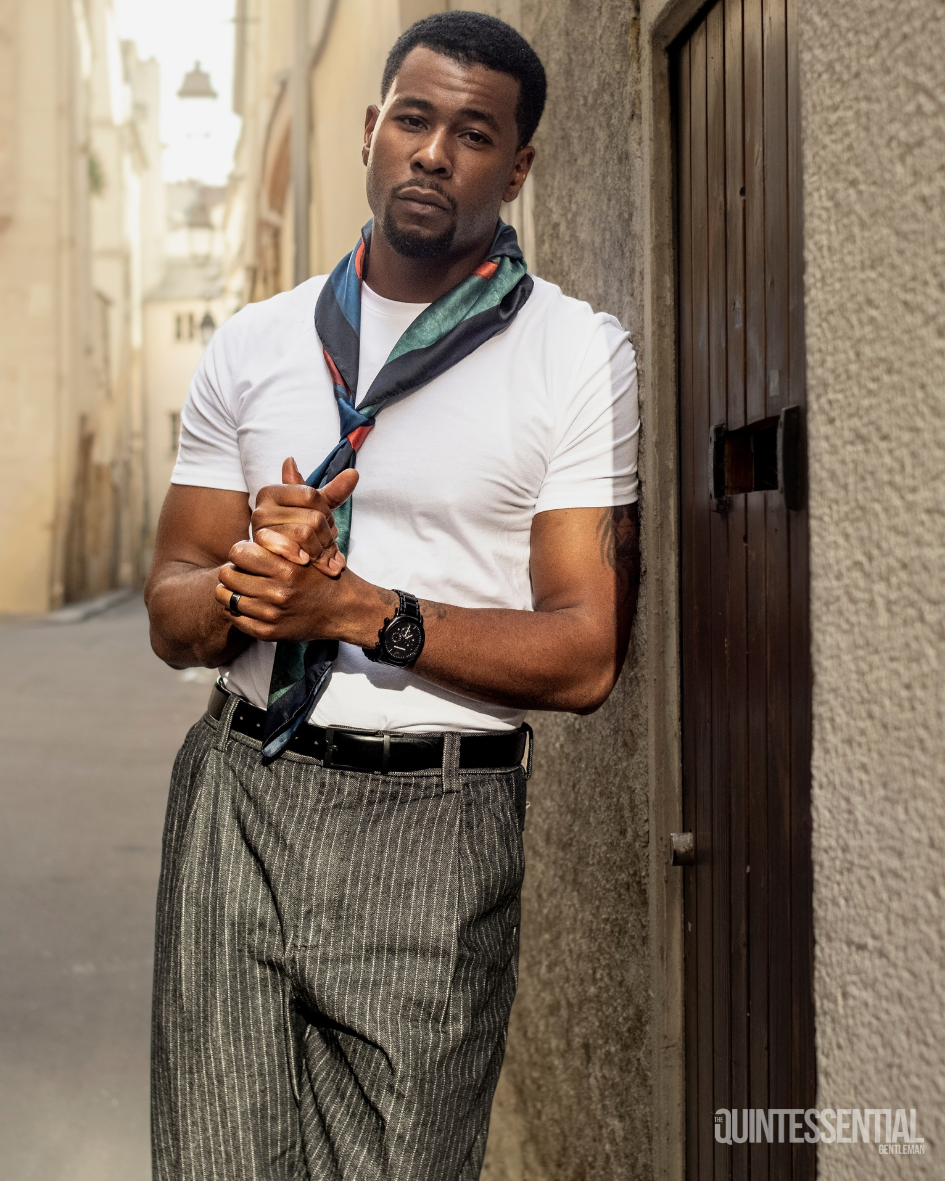
If I Go Will They Miss Me?, what was it about this role and this story that really pulled you in?
If I Go Will They Miss Me started off as a short film. And when Walter Thompson-Hernández sent that short film to me and asked if I would be part of the feature, it made me cry. It was one of the most beautiful short films I had ever seen in my life. And the producer who was working with Walter, Josh Peters, had approached me about another project about a year or so before that I couldn’t do. And so it was just really generous of them to come back around and offer me this one. And then when I saw Danielle Brooks was attached, it was a no-brainer. That’s my girl. I’ve been knowing her about 15 years now, and we’ve been looking for the opportunity to work together. And then I had the opportunity to meet the real Big Ant and hear his story, a beautiful story about him and his wife, and she had just passed away not too long before we started shooting, which was really unfortunate. So to be able to step into his shoes, tell his story, you know, the real Big Ant’s probably about 5’6″, so it was just really ironic to have a 6’2″ brother come in and fill the shoes, but it’s very much that every man can relate to this role and those are roles that I like to play. I like to play roles that are relatable, but I also like to play things that are specifically for us and allow us to see ourselves in the good, the bad, and the ugly. So that’s what drew me to it, and I’m grateful that everyone else is responding to it just as in a very similar fashion.
If I Go Will They Miss Me asks a core question about fatherhood: how do you navigate being a dad? As a father yourself, how did you balance the emotional reality of your own life with the story being told on screen?
I’ll shout out Danielle Brooks again for being the guiding force of this film. As a mother, she’s a wonderful mother herself. And a huge shout out to all the mothers in my life, my wife, and those who have really helped navigate my trajectory. I feel like, as a father, you have to learn to see where you have failed, and this film really places that in front of you and allows you to see that whether you’re on the same spectrum as Ant or not on the same end of it. It may not be extreme in some of the moments, but you fall somewhere there. And so, because I know what it’s like to feel like a failure, I know what it’s like to not show up in the best way for my children or show up in the best way for my wife, it makes it easier. It’s not easy, but it makes it easier to slip on these shoes and to sit in it because it’s hard to really face your insecurities and face the ways that you have failed your family. And so it was nice to be able to sit into that and to work and allow it to sit into my eyes and my body and allow the audience to kind of come and lean forward and lean into that and ask themselves that same question, especially fathers: how can I show up better for the people in my life, how can I show up for the better for myself?
As much as this is a coming-of-age story for Little Ant, it’s also a coming-of-age story for Big Ant. Can you speak a little bit to why you think that is or if you agree with that?
I had a great director say to me one time, you can learn just as much from someone who’s been doing it for seven minutes as you can for someone who’s been doing it for 70 years. I think in this film, you learn a lot from Little Ant and Big Ant, whether that’s what to do, what not to do. And so being myself, 36 years old, and coming to this point in my life where I feel like I still have so much more to learn. I still have so much more growth to obtain and so many more levels in life to go. It’s a very complex story. And I think similar to what Disney movies do really well is that it can come off as this children-esque movie, but then there are a lot of seeds planted in there for adults to pick up on and to learn, and so I feel like this movie is for everyone. But for the fathers, for the brothers, the uncles, the cousins, the Black men who come see this movie, it’s a lot of little small nuances and little small messages here that I feel like we need to pay attention to. There’s a lot of mirrors in this film.
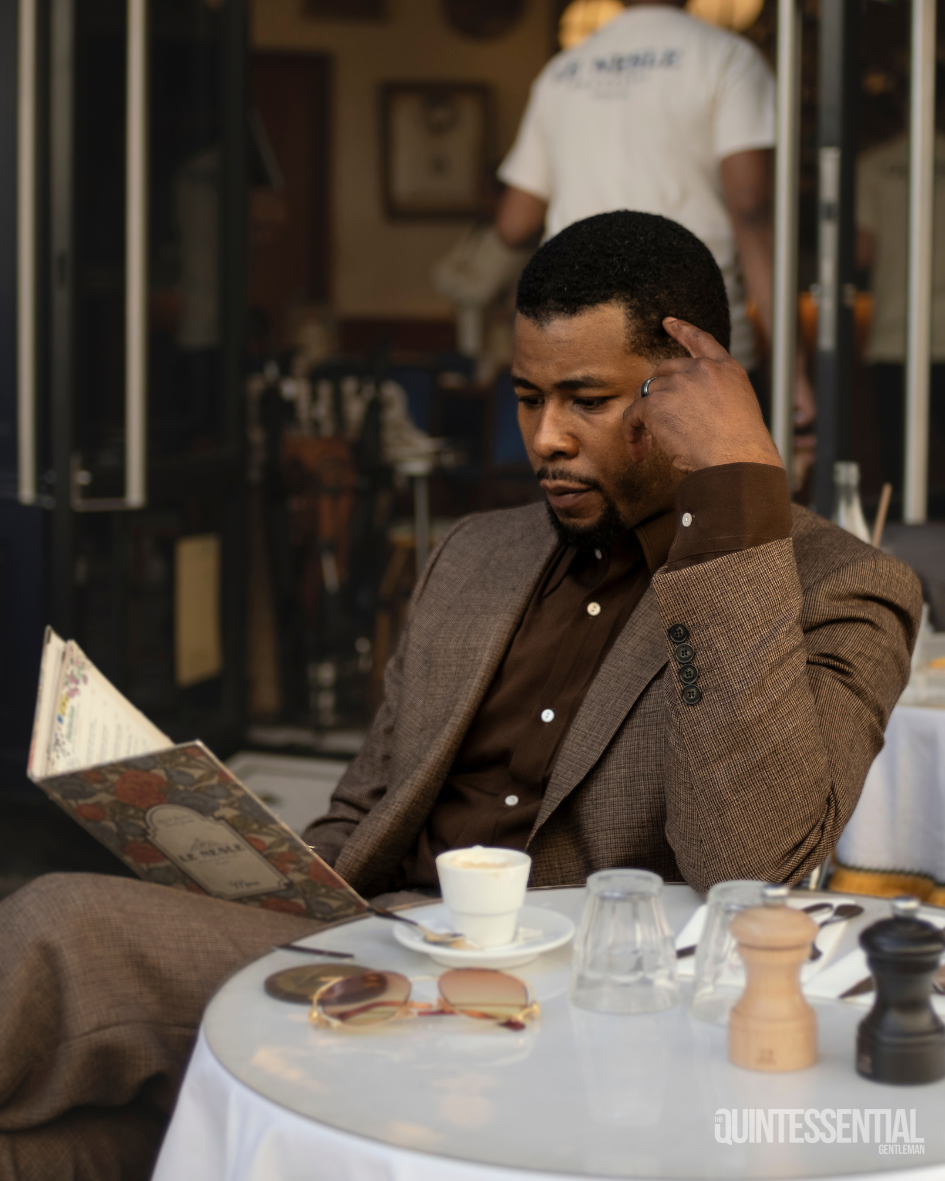
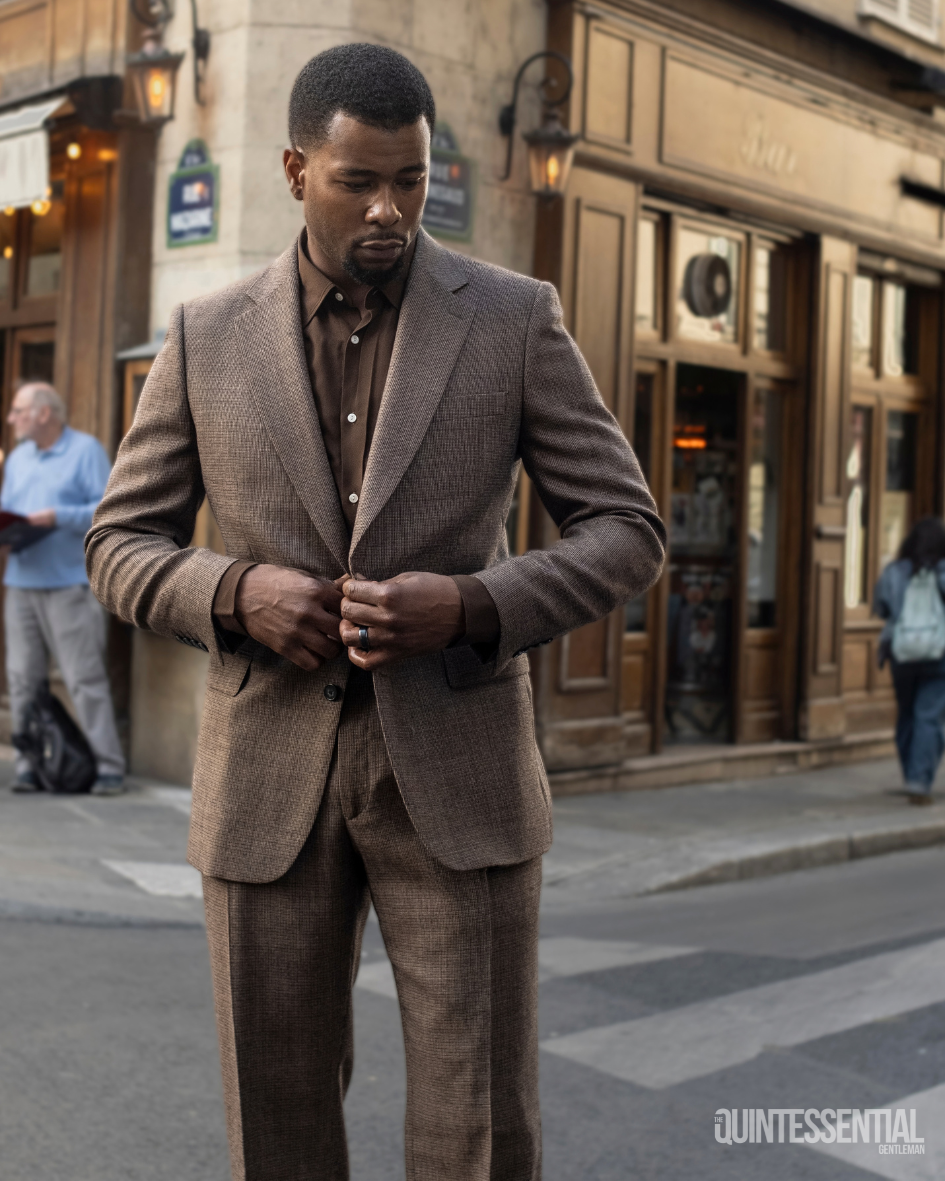
One thing that really stood out to me was the best friend of Big Ant, and that accountability — I feel like Black men need so much more of that. Why was that important, and what does that circle look like for you?
Shout out to Myles Bullock, another great friend, someone who I’ve known for 15 years plus. When I got the opportunity to be an executive producer on this film, he was the first person that I brought to the table. I love the way that Miles not only brought a lot of himself to the project, and a lot of these scenes were us improv-ing and kind of bringing our own tone to it, which I’m really grateful for Walter trusting us, but it was important for us to see that. My friend circle is very similar. We hold each other accountable. After a certain age, you just don’t tolerate a lot of stuff from the homies, and so that’s kind of how it is for my circle. We don’t really tolerate a lot of, for lack of a better word, corny shit. And you have to take accountability and then you start to go into different phases of your life where you may either understand exactly what your friend is going through, or you may not, but you know what they’re doing is not being conducive to them having success. And so sometimes you got to say, “Hey, man, you need to tighten up, bro,” or “This is not the way.” I may not have the answer, but I know what you’re doing is not a good look. And so I think that’s extremely important.
I can’t leave here without talking about P-Valley. What was it about when you first stepped into this character that made you want to stick with him?
He’s gone from Lil Murda to LaMarques to Big Murda. 2018 is when we started P-Valley, believe it or not. So it’s been a crazy journey with the pandemic and the strike and all the things. I don’t think it was ever their intention to keep it away from people this long or for it to take this long; this is the journey of the show. And I’m just super grateful to be able to have been a part of that series. It’s been announced that this is the final season coming out, and to be on that journey, and to change so many lives and have so many people come up to me. I call Lil Murda Hannah Montana because he’s not real. But people love him, and you would think that he was this real guy, this real rapper, and so it blows me away, the love that I received for Murda. And part of me is just like, well, I was just doing my job. I was just doing what I felt like was telling a story of somebody who needed to be seen and then just being extremely honest about that, no matter how tough it became. I think working on a show like P-Valley, there’s no way to make it completely easy. It’s a tough show. It’s tough things that you’re talking about. A lot of sexual scenes and simulated sex, which is hard for any actor. I know people look at that and think it’s really easy, but for a lot of actors, it’s really hard to push through that. But when you see the results of the show, you see the impact of the show, it makes it worth it and it makes you very proud of the work. So I’m just very proud. Speaking of legacy, I think that character will go down in history for a long time, and Season 3, I think we really gonna knock the shoes off some people and give y’all a great season, a great series finale for sure.
What did Lil’ Murda teach you about yourself that you didn’t know before you played him?
I think Lil’ Murda just taught me how important it is to make sure that I acknowledge my brothers and sisters who aren’t seen, or to make sure that I am an ally. I’ve always been an ally. Whether it’s for my cousins or the homies in high school. That’s why it always kind of blows me away when people are like Lil’ Murda Uncle Clifford, y’all never seen that? Y’all never had that in your high school or your family? I’m sure you have as a Black person coming from the South; coming from most places, as a Black person you gonna have a Lil Murda or Uncle Clifford in your family. So wanting to really make sure that I understood how to be an ally, make sure that I was using the right pronouns. So things about myself that I wasn’t quite on top of prior to P-Valley are things that I really made sure I focused on. And shout out to my wife or my pretty baby, as I call her, for being a huge support in that, helping me guide on that journey. So yeah learned a lot about the community and also just how to be a better ally.
How much time do you take thinking about your legacy, and do awards matter to you?
I think for me, my legacy resides within my children, within my home. I want them to know that I’m a good dad and that I’m continuing to try to do my best. So what they think about me means the most. What my wife thinks about me means the most. So trying to leave a strong legacy within my household; outside of that, you can’t control how people think about you. You can’t really control what that’s going to be. So you just have to do the work. On my father’s tombstone, it says bridge builder. And that’s something that I want to carry with me for sure. I want to be able to continue to connect people through stories, connect people through opportunities that I may be able to give. Make sure people, when they do say something about me, they could say he was a great guy. He’s a great dad. He was a great husband. And he was looking out for his folks. And so I guess that could be my legacy. But at the end of the day, like I said, I just want to do good work and tell good stories. I’m not here to be perfect or be anybody’s mentor. That’s for sure. But definitely want to leave good work when I’m gone.
New episodes of Lanterns air on HBO Max on Sundays, If I Go Will They Miss Me is now playing in theaters, and the final season of P-Valley premieres December 4 on Starz. Check out the full interview below.
Check out the full interview below.
Editor-in-Chief: Eric Keith
Photographer: Jerry Amadi-Pradon
Groomer: Jerry
Graphic Designer: Pamela May
Location: Square du Vert-Galant, Paris