

There has never been a more urgent time to see Once Upon a Time in Harlem. As efforts to erase Black history spread across this country, from historical markers being removed to the record itself being rewritten, the stories that shaped American culture are at real risk of being lost.
The Harlem Renaissance is not a footnote. It is part of the fabric of America, and this administration cannot be allowed to remove our history. This film is a living record of that history, told by the people who made it, and it deserves to be seen.
Today also marks what would have been the 100th birthday of William Greaves, the pioneering filmmaker who captured the footage at the heart of the documentary. The Quintessential Gentleman first previewed the long-awaited film early this summer, and since then it has quietly become one of the most decorated nonfiction releases of the year. It’s the only film to screen at Sundance, Cannes, Telluride, TIFF, NYFF and the London Film Festival, and it currently sits at 100% on Rotten Tomatoes and 94 on Metacritic.
The documentary centers on a single night in August 1972, when Greaves gathered nearly every surviving icon of the Harlem Renaissance at Duke Ellington’s townhouse and simply let the cameras roll. What those artists, writers and thinkers built represents more than Black excellence. It is global excellence, a movement whose influence on literature, music, art and ideas reached far beyond Harlem and continues to shape culture around the world. And the neighborhood still carries that legacy. You can’t walk anywhere in Harlem without history following you.
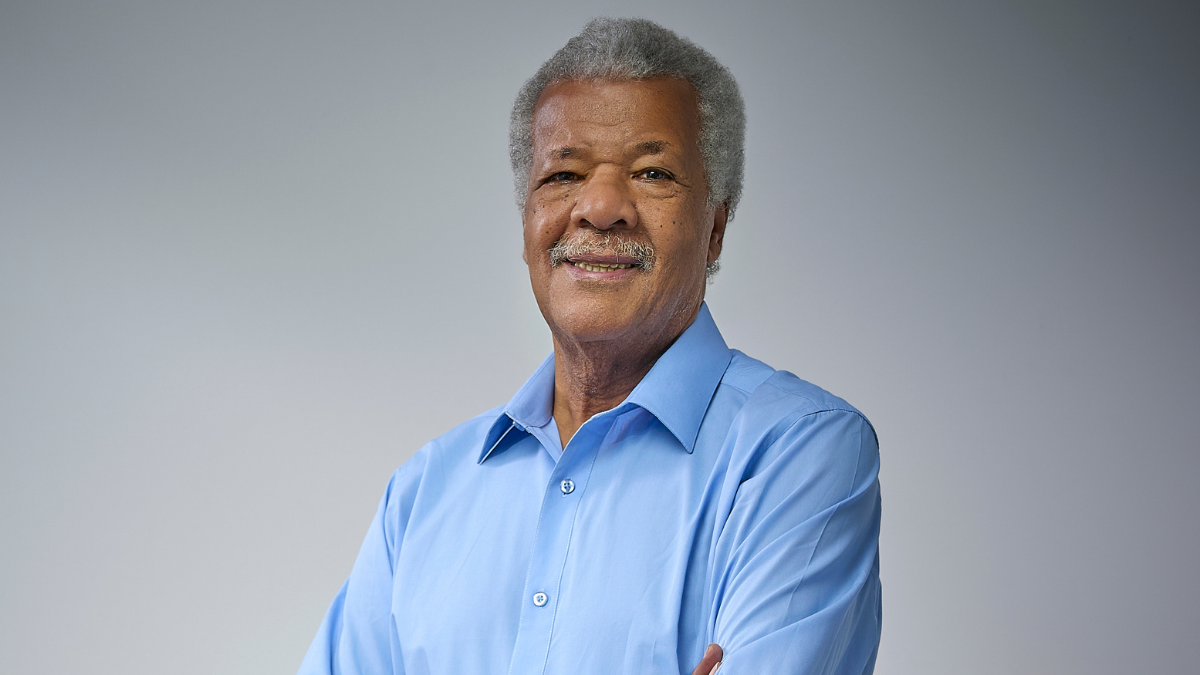
William Greaves died in 2014 with the footage still unfinished. His son, director David Greaves, spent years restoring and shaping the material into the film now arriving in theaters. The Quintessential Gentleman sat down with David Greaves ahead of the release, and what emerged was less an interview about a movie and more a conversation about memory, legacy and what it means to finally let history speak for itself.
Greaves was 26 years old and one of the cameramen in the room that night, working alongside a crew his father trusted completely. “I couldn’t be sort of a fly on the wall and say, look, there’s so and so, isn’t that interesting,” he told The Quintessential Gentleman, describing the intensity of following the action as it unfolded in real time. He didn’t grasp the historical weight of what he was capturing in the moment. What he understood was the responsibility of being trusted with the footage at all.
The party itself wasn’t staged as an interview. It was, as Greaves explained, a deliberate recreation of the salons and soirées where Harlem Renaissance figures had once gathered organically.
“He brought them together and, being an expert in cinema verité, and knowing that if he had a group of incredibly creative, interesting, intellectual people together in one spot, there’s gonna be stuff going on,” Greaves said of his father’s approach. There was no script and no list of questions. William Greaves occasionally nudged the conversation, asking about music or a particular memory, but largely let his subjects lead.
The result was more than 60,000 feet of film, and Greaves described the editing process as one of constant, painful subtraction. “This film is like a trailer for the archives,” he said. Entire sequences he personally loved, including extended footage of actor Richard Moore and a full recitation by Leigh Whipper at the United Nations, had to be cut down. Some of what didn’t make the final cut will live on in a separate archive project called Memories of the Harlem Renaissance, currently being assembled by producer and editor Anne de Mare with support from a Harvard grant.
Greaves was also intentional about correcting a gender imbalance in the raw footage. “In the first cut of it, you see they’re always talking about these guys, and I’m saying we now gotta get some women up in here,” he said. A mention of artist Augusta Savage by Richard Bruce Nugent opened the door to expanding a segment centered on the Renaissance’s overlooked women. He pointed specifically to librarian Regina Andrews’ offhand acknowledgment that Essie Robeson had quietly done significant uncredited work, a detail Greaves recognized instantly from his own family’s conversations.
“Black history will not be erased,” Greaves said of what he hopes the film will ignite in the current political climate. “It’s being recorded by us… And it’s just too massive a body of information, of essence, to be lost, to be destroyed.” He was direct about what he sees happening around him, calling efforts to remove historical markers and rewrite the record a form of “white nationalism,” and framing the film itself as a quiet act of resistance against that erasure.
That resistance only works if we show up. It’s our responsibility to see this history. Take someone with you. Love it, share it, and use it as a doorway to learn about the unsung heroes, literary artists, and luminaries whose names too often go unspoken.
Once Upon a Time in Harlem is an independent film, so it won’t be playing in every theater. It opens in New York on October 16 and in Los Angeles on October 23, and tickets are on sale now. Find showtimes and theaters near you here.
David Greaves on Once Upon a Time in Harlem, his father’s unfinished footage and why Black history will not be erased.
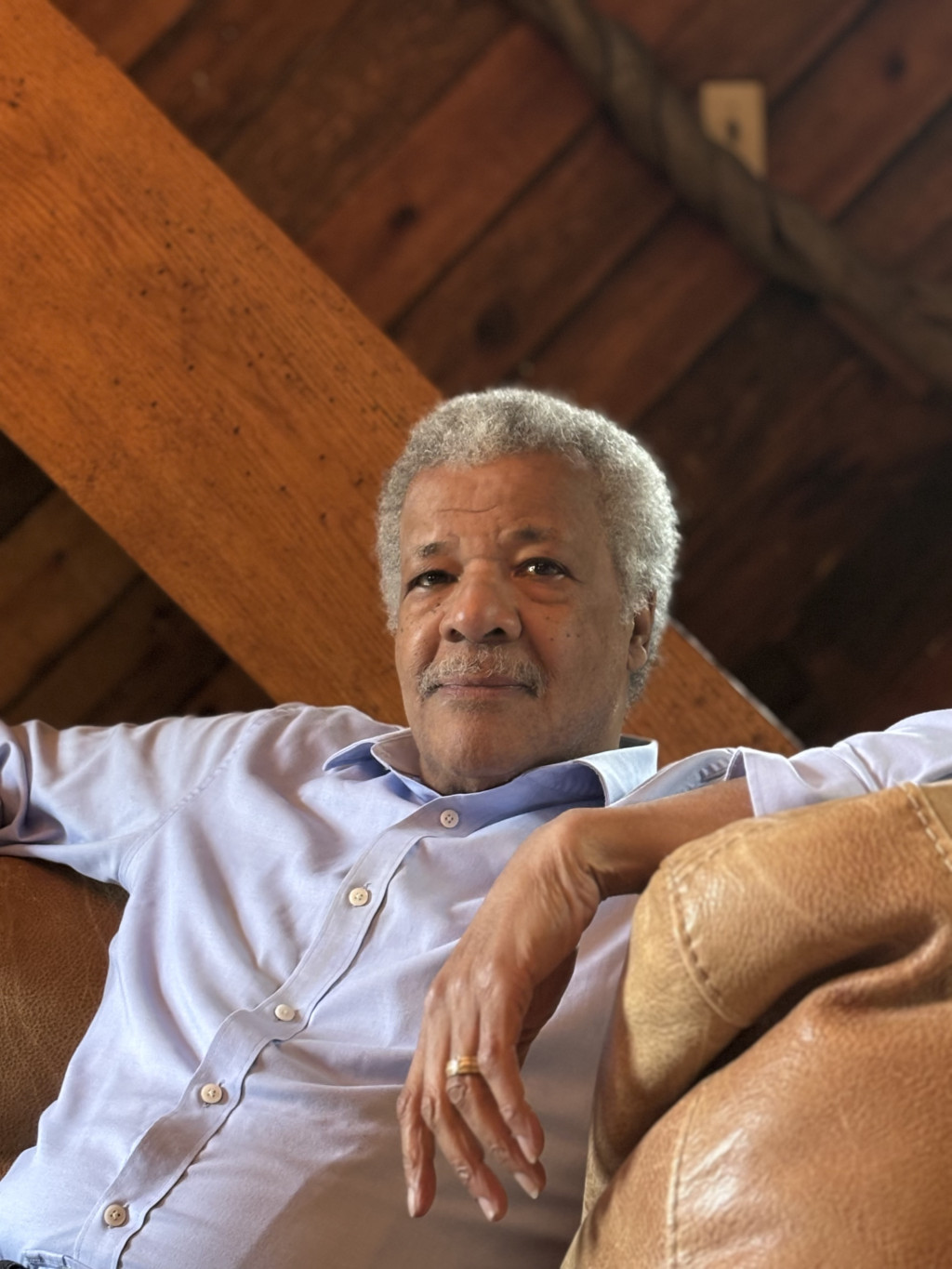
Photo Credit: Courtesy of David Greaves