

What began as a celebratory moment on stage in North Texas quickly spiraled into a national debate on politics, public grace, and accountability. During a recent joint tour stop at AT&T Stadium in Arlington, Texas, U.S. Representative Jasmine Crockett and Texas State Representative Venton Jones took the stage alongside R&B star Chris Brown and Usher.
Crockett entered both artists into the Congressional Record for their contributions to music and culture, while Jones presented state proclamations, framing the moment as an expression of “Black joy” and an effort to mobilize voters ahead of upcoming midterm elections.
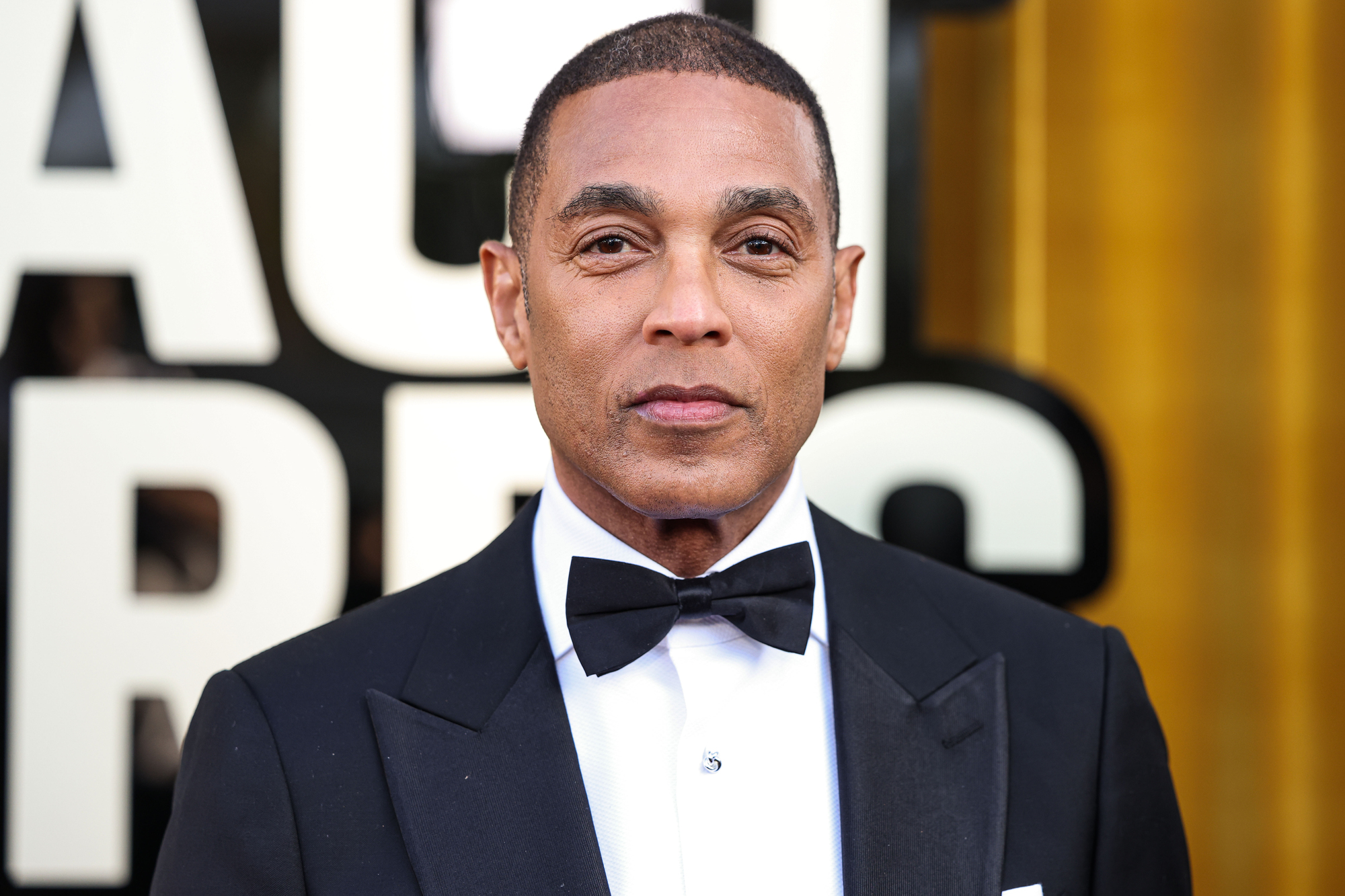
The gesture sparked immediate social media backlash. Critics questioned why public officials were officially honoring Brown given his history of domestic violence, most notably his 2009 felony assault conviction involving his then-girlfriend Rihanna, alongside subsequent legal issues. The controversy caught the attention of veteran journalist Don Lemon, who used his platform on The Don Lemon Show to tackle the complicated questions at the center of the debate.
Addressing the situation on his show, Lemon established from the start that he had no intention of glossing over Brown’s past.
“I’m not going to sanitize Chris Brown’s history or who he is or what he was or whatever,” Lemon said. “I’m not going to pretend that Rihanna and the other cases didn’t happen, because they did. But now I just want to ask a question that is apparently going to piss everybody off… At what point is a Black man in America allowed to have a second chance?”
Lemon pointed out that Brown was 19 years old at the time of the 2009 assault, served his probation, and completed court-ordered counseling. While acknowledging that subsequent legal troubles complicate Brown’s path to redemption, Lemon questioned the double standard in how society assigns public forgiveness.
“How long does somebody have to carry their criminal record before society allows them to become something other than their worst moment?” Lemon asked. “Black men and criminality have a very particular history in America. For generations, Black men have been told this: ‘You committed the crime. You did your time. Now you rebuild your life.’ Except when they try to rebuild it, sometimes society says, ‘Hey, not so fast’… If that’s the system that we’re comfortable with, then okay, stop calling it a rehabilitation. Call it what it is, it’s a life sentence.”
Lemon contrasted the persistent public scrutiny faced by Black artists with political figures who receive immediate second chances, pointing out that public grace often depends on who is asking for it. “Redemption isn’t redemption if we only give it to people we already like,” Lemon noted. “That’s not redemption, that’s bias, that’s prejudice.”
As public pressure mounted, Venton Jones appeared on The Don Lemon Show to address the controversy, subsequently issuing a public statement apologizing to domestic violence survivors and Black women who felt hurt or triggered by the presentation.
“First and foremost, I want to acknowledge the women, the Black women, whom my actions have hurt,” Jones stated. “In moments like these, I think it’s important to be specific and just as loud with an apology as our original actions were. I apologize.”
The public apology triggered a response from Brown. Reversing his initial message of gratitude toward the lawmakers, Brown took to social media to reject the honor altogether, accusing Jones of backing down due to political pressure.
“I don’t want the award anymore my brother,” Brown wrote on Instagram, addressing Jones. “You went on with Don Lemon and started tap dancing. Y’all keep that sh–.” Brown added that he had never requested the award in the first place: “Funny thing is, y’all came to me with this! Not the other way around… I was minding my damn business. My shows in Dallas were already sold out. I ain’t ask to be honored because I knew some sh– like this would happen… How about y’all leave me the f— alone and let me focus on the fans that spent their money to actually see and support me.”
“Second chances do not mean pretending victims never existed,” Lemon emphasized on his show. “Redemption does not mean that you erase Rihanna. Rehabilitation doesn’t require amnesia… Two things can be true at the same damn time. Chris Brown did something horrific, and a human being can be more than the worst thing that he has ever done.”
Photo Credit: DepositPhotos.com