

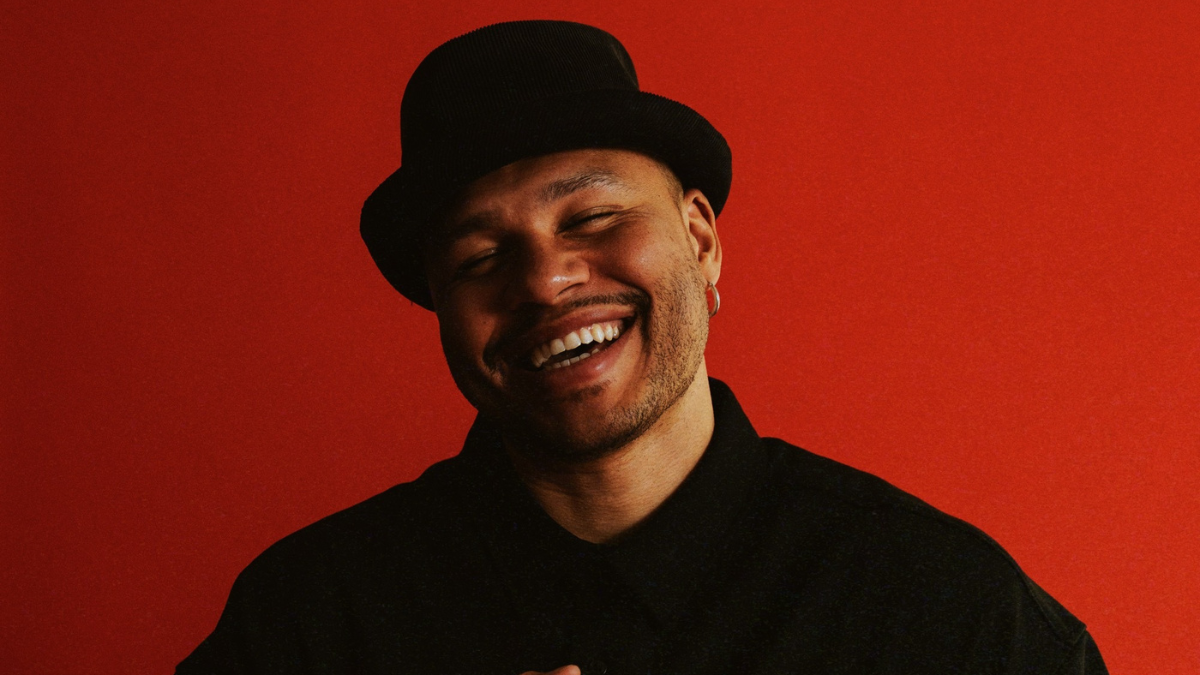
Transitioning out of professional athletics is rarely a linear path, but former NFL linebacker Brennan Scarlett is proving how much power lies in defining your own narrative.
Two years removed from his final NFL season, Scarlett has channeled his drive off the field into founding Scarlett Creative, a boutique creative production agency focused on brand development, high-end design, and authentic storytelling within the sports ecosystem.
Scarlett Creative operates at the intersection of sports, media, and culture, specializing in elevated, unscripted content. The agency’s recent flagship project, Year Deuce, follows Las Vegas Raiders running back Ashton Jeanty through his second NFL season, offering fans a rare, fly-on-the-wall perspective of life inside the league. By capturing raw human moments, from family legacy to off-field conversations, Scarlett and his team are establishing a new benchmark for creator-led athlete media.
In a conversation with The Quintessential Gentleman Editor-in-Chief Eric Keith, Scarlett opened up about his transition out of football, the philosophy behind Scarlett Creative, and why athlete ownership is the future of sports media.
[Interview has been edited for length and clarity]
You’re a former football player, and now you’re running Scarlett Creative. How has the transition been?
It’s been a journey, man. I am two years officially since retirement. I retired in 2024, played my last game of football in 2023. And it’s been highs, it’s been lows. I played football for 22 years, and it taught me a lot, and it became a part of my identity. For me, I always thought that there was more to it, right? There was always school for me, the classroom, business. But football kind of anchored it all. So transitioning out, it was a big hole there to fill.
As an entrepreneur, the easy part is to fill the work. Football inevitably did become my job, but as I’ve come to find out, all of life can’t be work. Football was work, but it was always play as well. As soon as I stepped between those lines, I’m playing the game that I’ve been playing for 22 years. It’s been that piece, the play, that’s been the more difficult part of my life to fill. Making sure I’m also spending the time to play is something that I’ve been working on.
Would you say in building a career outside of football, it’s important for you to find the play in the work similarly to how you thought of playing ball?
I think so. I think it’s necessary. It’s healthy to find the game within your work, whatever it is, whether it’s being in the creative field as a director or storyteller, or building a digital media platform. To a certain degree, it’s a game. Certain moves you make have a positive or negative effect, and having a little bit of detachment from that allows you to look at it as a move you made and learn from it.
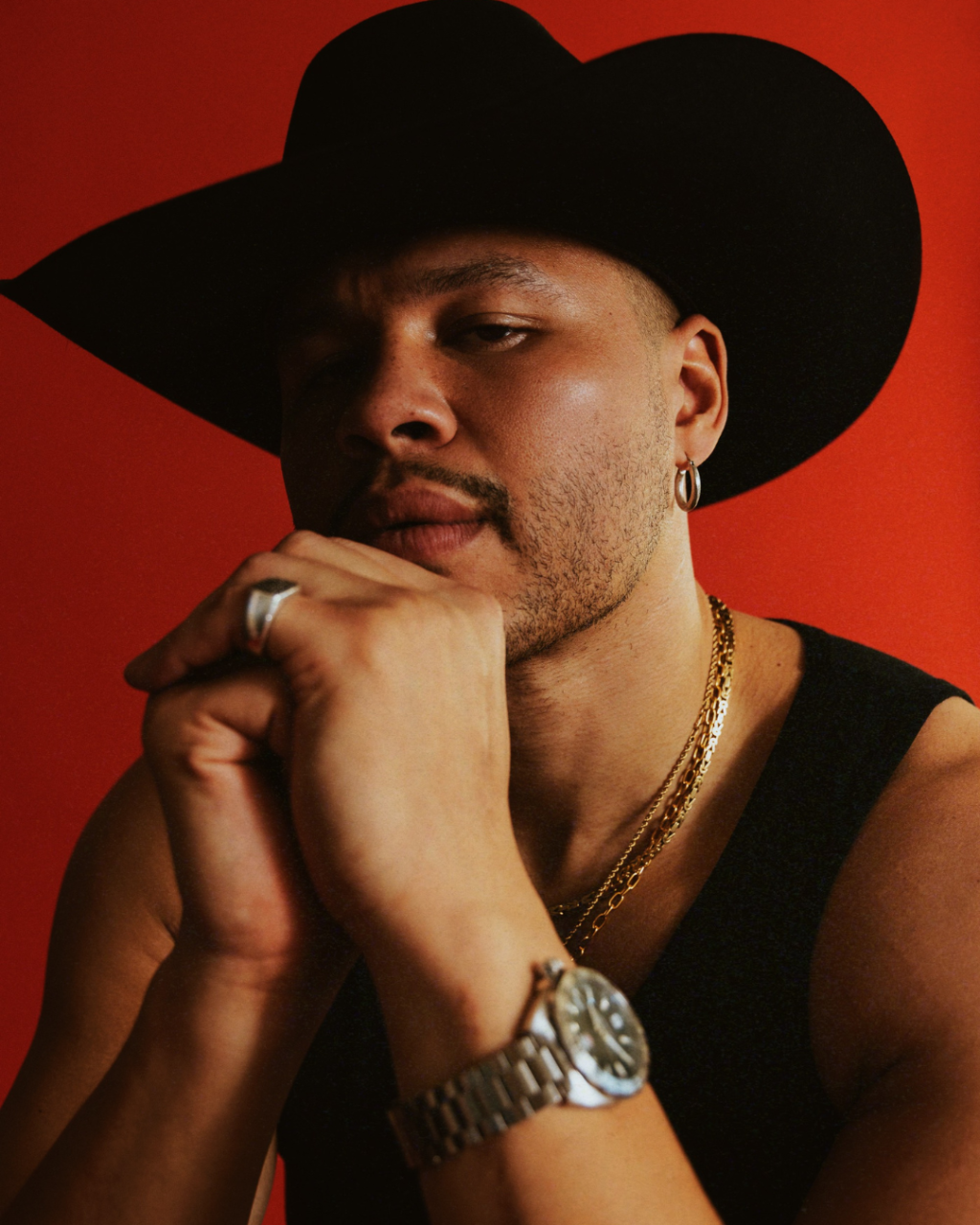
While you were playing, were you always in this creative space of storytelling, thinking about brand and marketing?
Yeah, creative expression has always been a theme throughout my whole life. I love music, fashion, style, dancing, movies, films. When I got into the pros in the NFL, it became clear to me how important it was to express myself creatively for a couple of reasons. One, because they say the NFL stands for “Not For Long.” I knew my career was at some point going to come to an end. I wanted to do my best to make sure the 70,000 people pulling up to NRG Stadium in Houston weren’t just seeing number 57 on the field; they were being exposed to Brennan Scarlett, the man off the field.
And Scarlett Creative was born in 2021 to be the house for that creative expression, not just for Brennan Scarlett, but thinking about other athletes and their ability to tell their story, interests, or hobbies across social channels or otherwise.
How do you approach these projects, especially when working with athletes?
For us, we want to make sure we have as deep of an understanding of the person as possible. Their background, family perspective, what makes them tick, what moves the needle for them on and off the field. That allows us to develop a voice and strategy creatively that’s true to who they are. From there, it’s identifying what channels make the most sense, Instagram, TikTok, LinkedIn, YouTube, and executing that strategy through videos, photos, and outreach.
What are some of the challenges that athletes have in this particular space?
Consistency is the biggest hurdle to building a brand as an athlete, because ultimately your number one job is to be the best player you can be. That’s what’s putting food on the table. The development of your brand is a much longer-term investment. It becomes a question of: can I remain consistent with my content while performing at the highest level in sport, and am I willing to make an investment that may not show returns for two, three, four, five years? The point is to create an audience that’s connected with you regardless of what team you play for or if you’re playing or not, so when you’re done with the game, you can still move and chase your goals.
Talk to us about Year Deuce with Ashton Jeanty.
Year Deuce is Ashton’s docuseries streaming on YouTube. It really encompasses a lot of what we stand for and exist for at Scarlett Creative, telling a powerful story in relationship with sport that also has so much humanity.
Ashton is a running back with the Las Vegas Raiders who wears number two. It’s his second year in the league, and his nickname is Deuce. But there’s also a family story. His uncles and brother wore number two, so he carries his family’s legacy. We’re telling the story of an incredible football player who is also an incredible human and man showing up for his family.
It seems like the content performing best now is behind-the-scenes, seeing what’s real rather than the most polished side.
Man, those are the stories we need to see and hear. We’ve been fed the fake stuff for so long from brands and advertising. It’s time for the audience to see the real, because the relationship between the viewer and the subject becomes that much closer. We tell stories to inspire people to lead a more fulfilling, purposeful life. They can’t just see the glitz and glamour or scripted moments; it’s also the moments where he and his brother are wrestling in the living room or talking about their dread journey. Feeling like a fly on the wall makes the viewer feel like, “Dang, I can do that too.”
What advice would you give to young Black athletes who are trying to follow in your footsteps in terms of leaving, retiring, and what that next life looks like?
On the retirement front, especially for our young Black men and women where sport is so close to our culture and identity: give yourself grace in those moments when it’s time to hang them up. Embrace it, accept it, let yourself feel the grief, and give yourself time. You don’t have to rush into the next thing.
As far as transitioning, action is the most important piece. To find that same sense of fulfillment, you’ve got to take some swings and take some reps. That idea you have floating around about a brand or a podcast, go do it. Don’t just talk about it; actually go do it. A lot of us sit idle, fearful of failure, but we can’t be scared of that. We’ve got to take action.
Check out the full interview below.
Photo Credit: Yvanna Ramos