

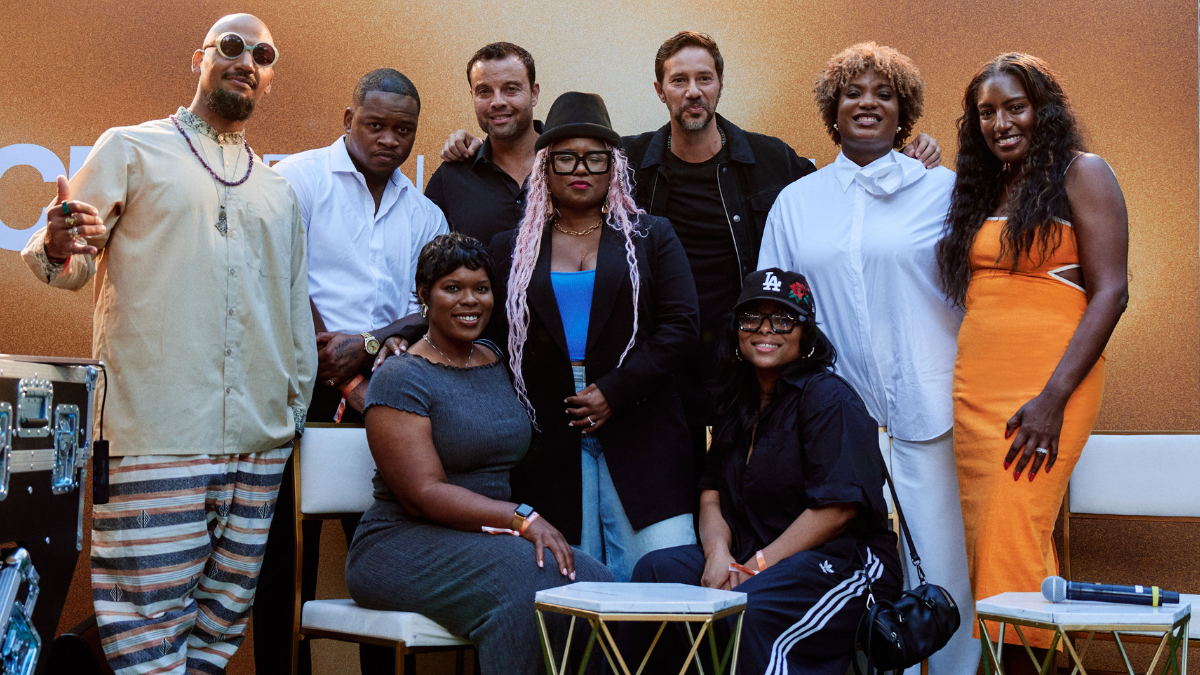
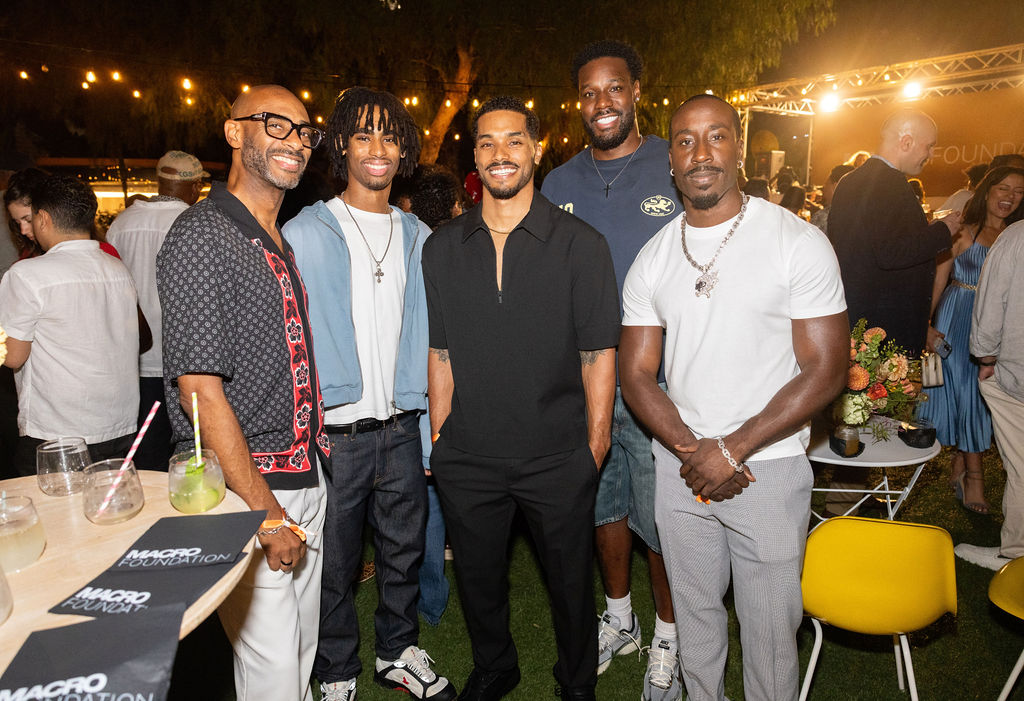
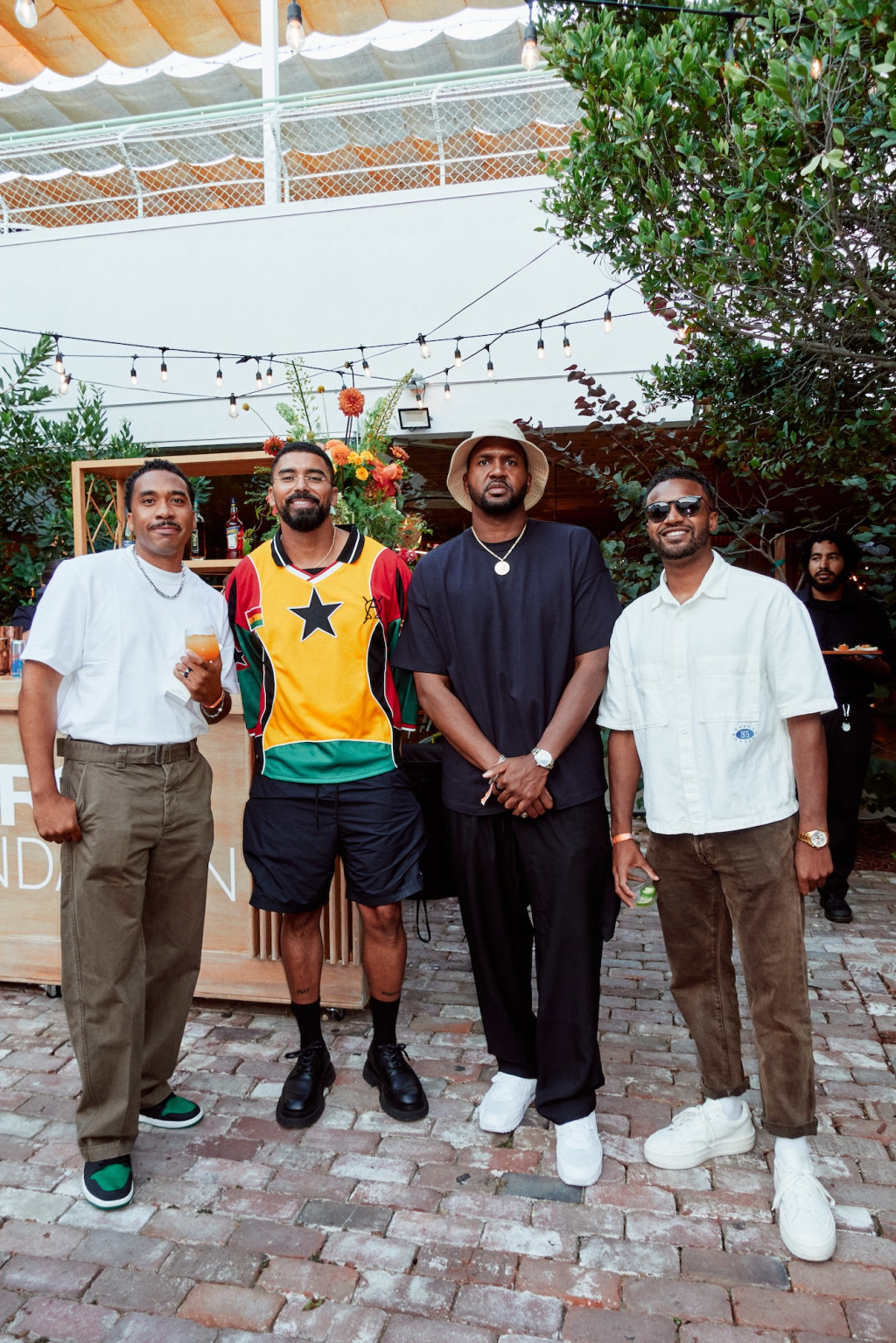
Last Thursday, July 30, the MACRO Foundation hosted its annual Summernight gathering at The Preserve LA, bringing together leading voices across entertainment and culture for an evening of cocktails, community, and creative celebration.
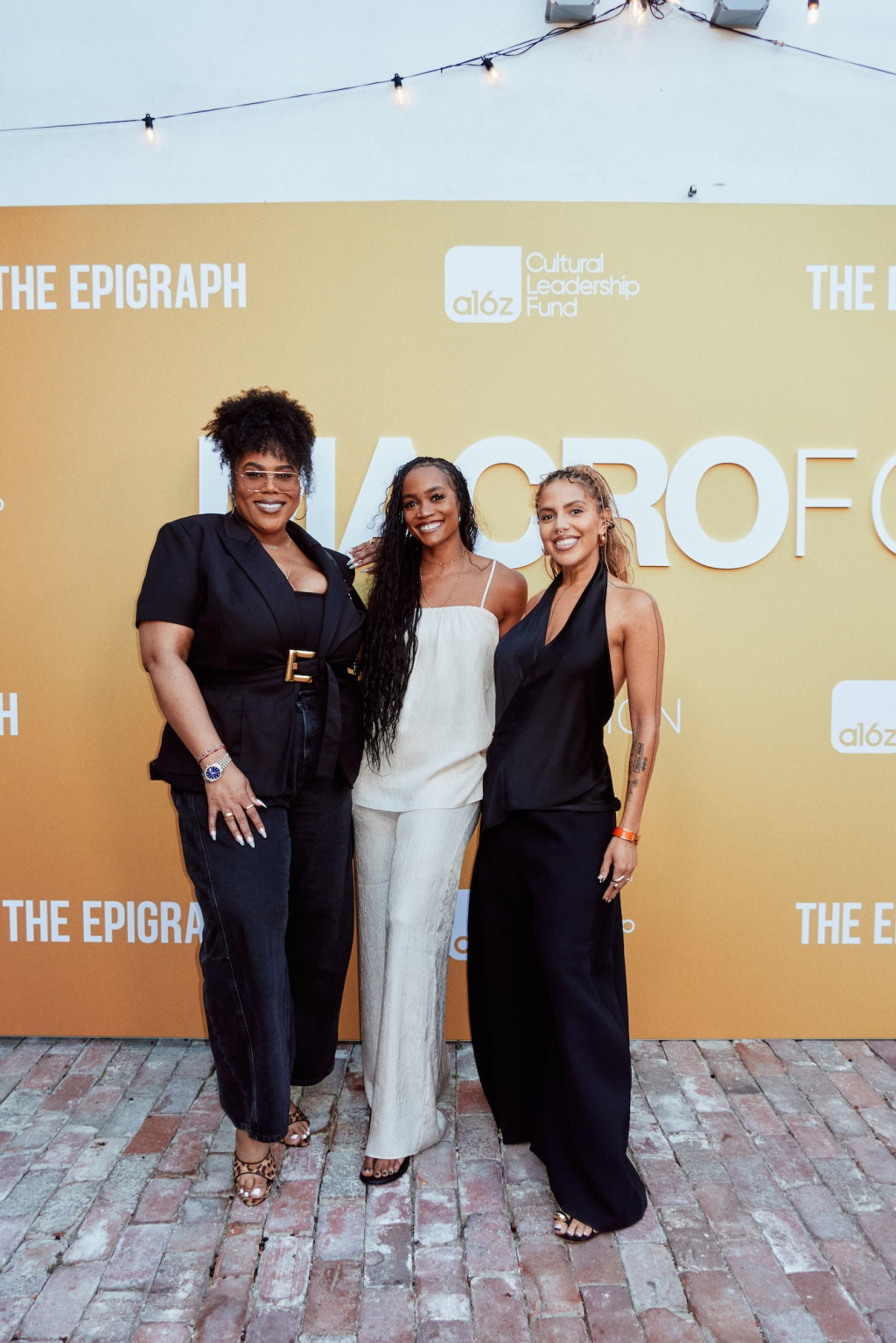
But beyond the usual mingling always found at a MACRO event, the night marked the public debut of the inaugural class of The Epigraph Creator Fellowship, a first-of-its-kind collaboration between MACRO and Andreessen Horowitz‘s Cultural Leadership Fund.
The Epigraph was built on the premise that creators who have always defined culture should have direct access to the tools now shaping how stories get told. Rather than functioning as a standard grant program or a tech showcase, the fellowship is squarely focused on creative authorship, giving culturally grounded storytellers a dedicated space to learn emerging AI tools while retaining full ownership and vision over their work.
The current media landscape is in the middle of a major shift in how ideas get developed, visualized, and brought to screen, and during transitions like this, infrastructure tends to determine who benefits and who gets left behind. The Epigraph exists so cultural storytellers can lead that shift instead of being displaced by it.
By embracing AI head-on, MACRO and the Cultural Leadership Fund are pushing back on the usual Hollywood narrative around the technology, positioning generative tools not as a replacement for human talent, but as a force multiplier that lets independent creators build ambitious worlds, proofs-of-concept, and original IP without waiting on a traditional studio greenlight.
Running from April through the summer, the eight-week fellowship combined virtual workshops, mentorship, and in-person gatherings, giving fellows direct platform access and hands-on instruction from a roster of AI and digital media collaborators that included OpenAI, ElevenLabs, Gamma, Promise Studios, Descript, Coactive, and Curious Refuge.
The inaugural class, Bianca Lambert, Chazitear Martin, John Burr, Justice Whitaker, Nick Barili, Sulayman Tahir, and Tedra Wilson, have had projects previously recognized at Tribeca, the American Black Film Festival, Slamdance, and the ESSENCE Film Festival, and featured on platforms including Netflix, HBO Max, Amazon Prime, and Paramount+.
Leadership behind the partnership was clear that the technology is meant to serve the vision, not the other way around. “Storytellers have always led the way, setting the direction and shaping the culture,” Stacey Walker King, Chief Brand Officer at MACRO, said in a press release. “The Epigraph Creator Fellowship puts the power of today’s technology directly in their hands so they can expand and build the worlds they envision on their own terms. Technology doesn’t lead creativity. Creators do and now they have the tools to go even further.”
“An epigraph frames meaning before the story even begins,” Judene Small Jean-Louis, Partner at the a16z Cultural Leadership Fund, said in a press release. “We built this fellowship because creators and technologists are shaping storytelling in real time — but too often in silos. Epigraph brings them into the same room, creating real exposure on both sides and shifting how technology and culture come together.”
The evening’s centerpiece was a 24-minute presentation showcasing what the fellows built, work that used AI tools to accelerate ideation, generate motion proofs-of-concept, and design cinematic visual worlds that would have previously required million-dollar budgets to pull off.
For fellow Nick Barili, the experience reframed what’s possible for independent filmmakers entirely. “AI has the potential to fundamentally reshape the entertainment industry by giving independent creators the ability to bring ambitious stories to life without waiting for a traditional Hollywood greenlight,” Barili said. “Rather than replacing creativity, these tools can amplify it.”
That theme, that the technology only works in service of a real point of view, ran through the rest of the cohort’s reflections as well.
Bianca Lambert described the fellowship as “genuinely revolutionary” after being turned down by six separate grant programs for the same project, sharing that AI made it possible to pitch the film to brands with fully realized characters instead of a static deck. Sulayman Tahir called the experience proof that “the most powerful use of AI begins with human vision,” while Tedra Wilson connected the moment to a bigger conversation about access, pushing for tech companies to back Black creators not just with tools, but with real capital to move projects into production.
MACRO and the a16z Cultural Leadership Fund are setting a new blueprint for independent media by putting frontier AI tools directly into the hands of culturally grounded storytellers. The creators who are shaping culture also hold the keys to the technology driving it forward.
Check out more photos from Summernight below.
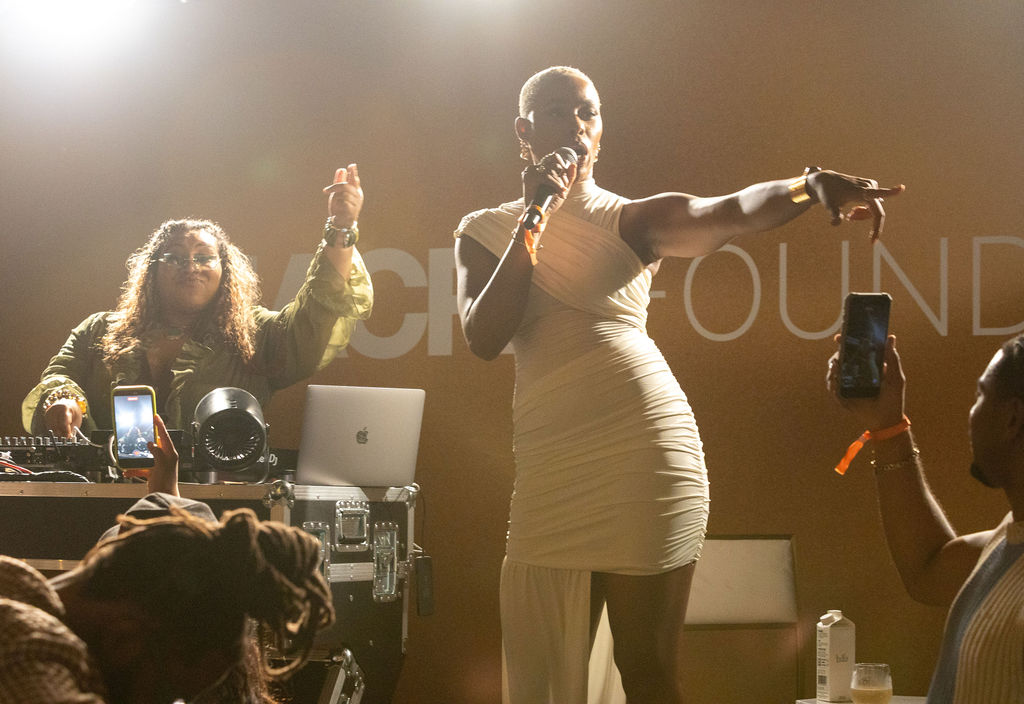
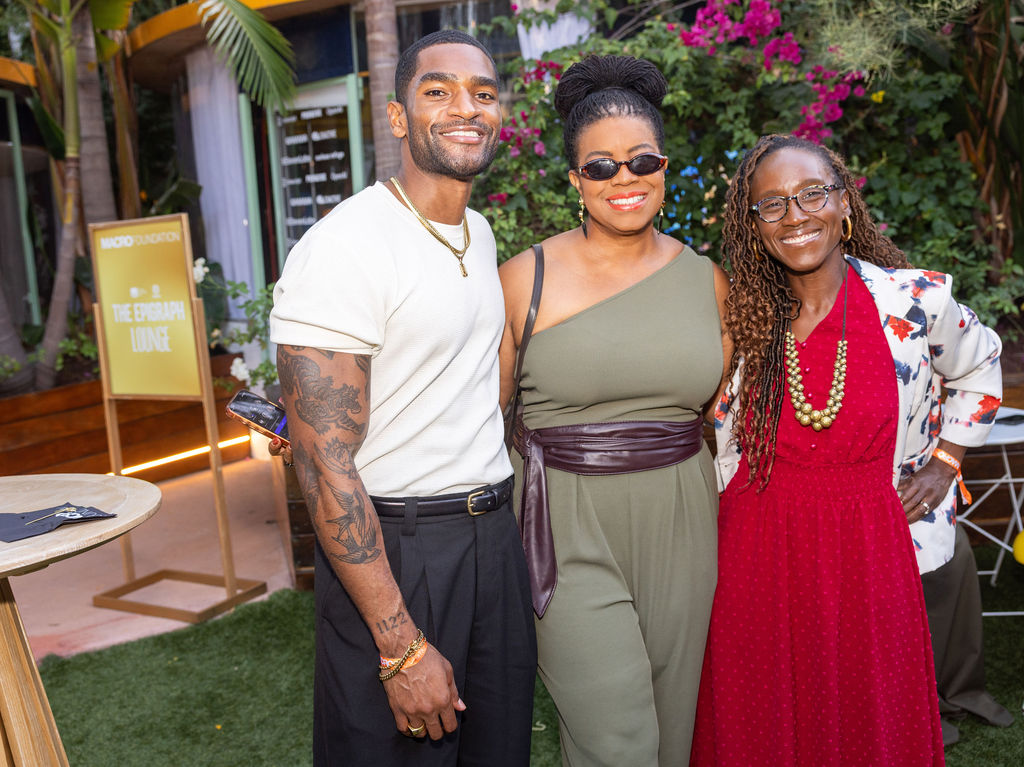
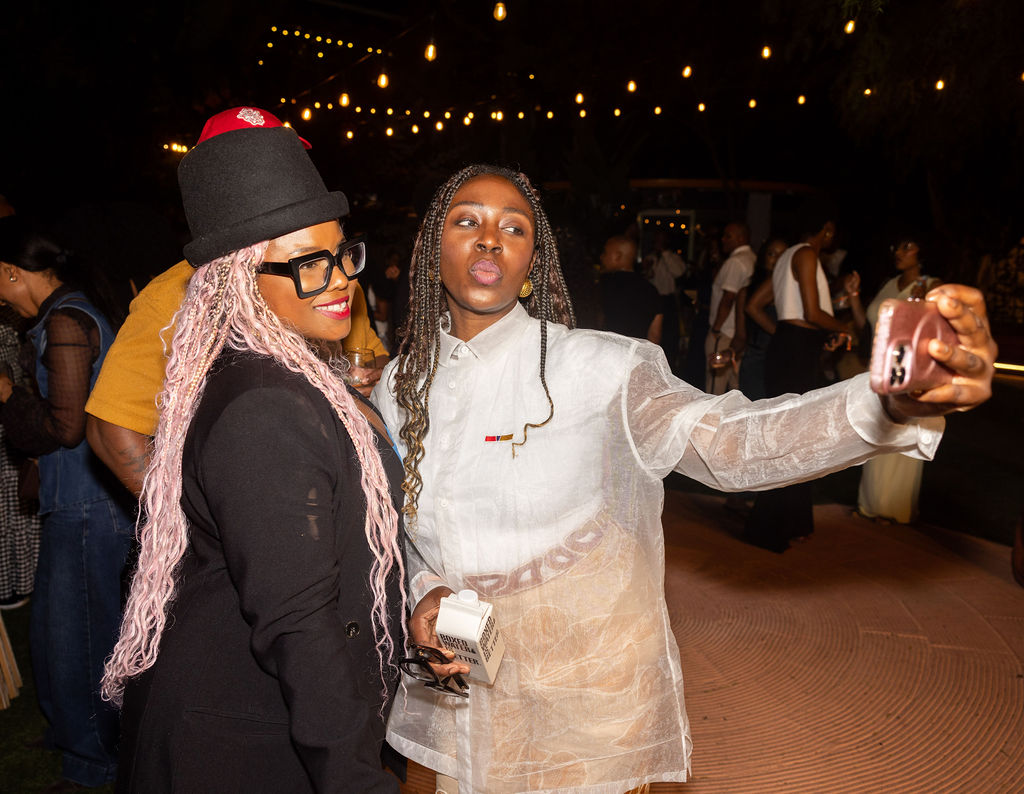
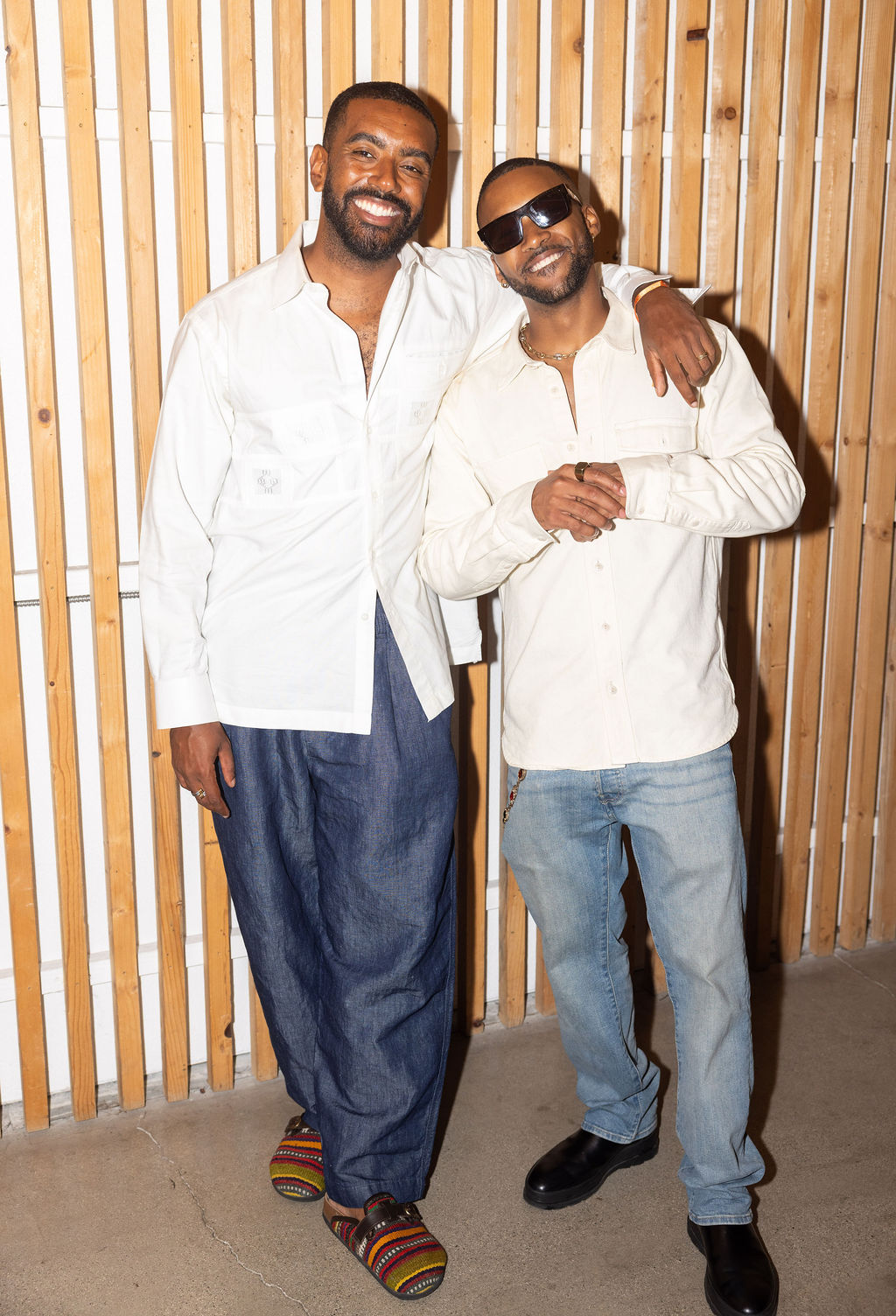
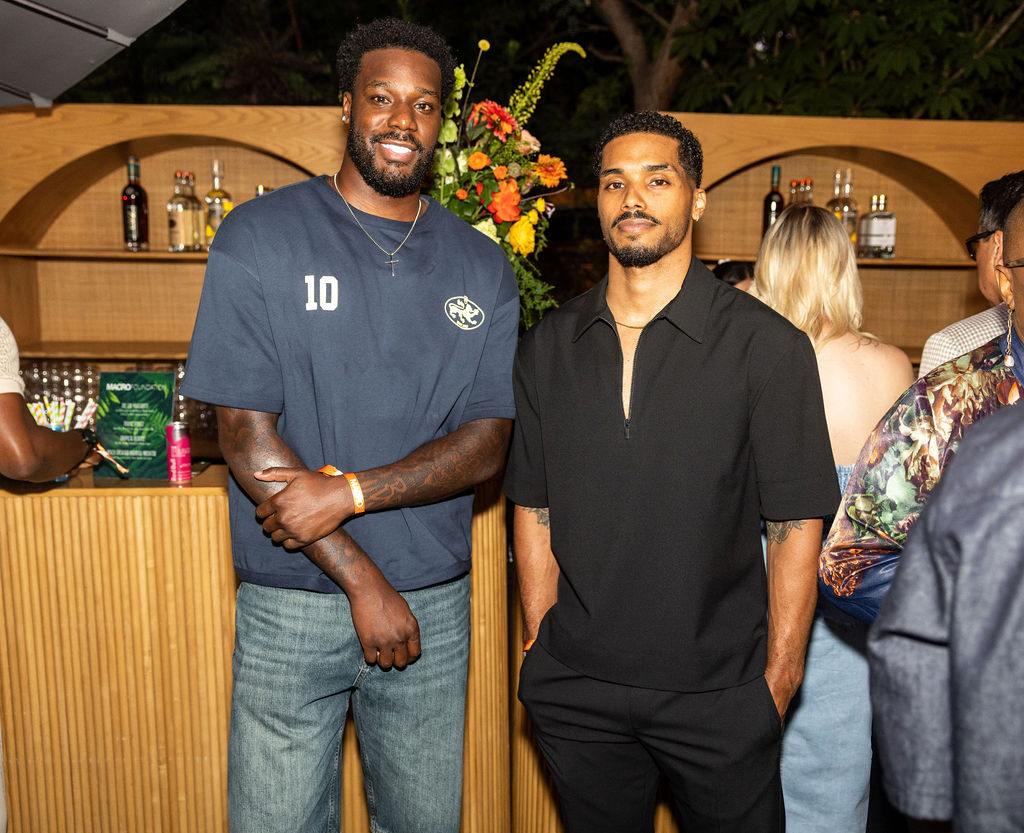
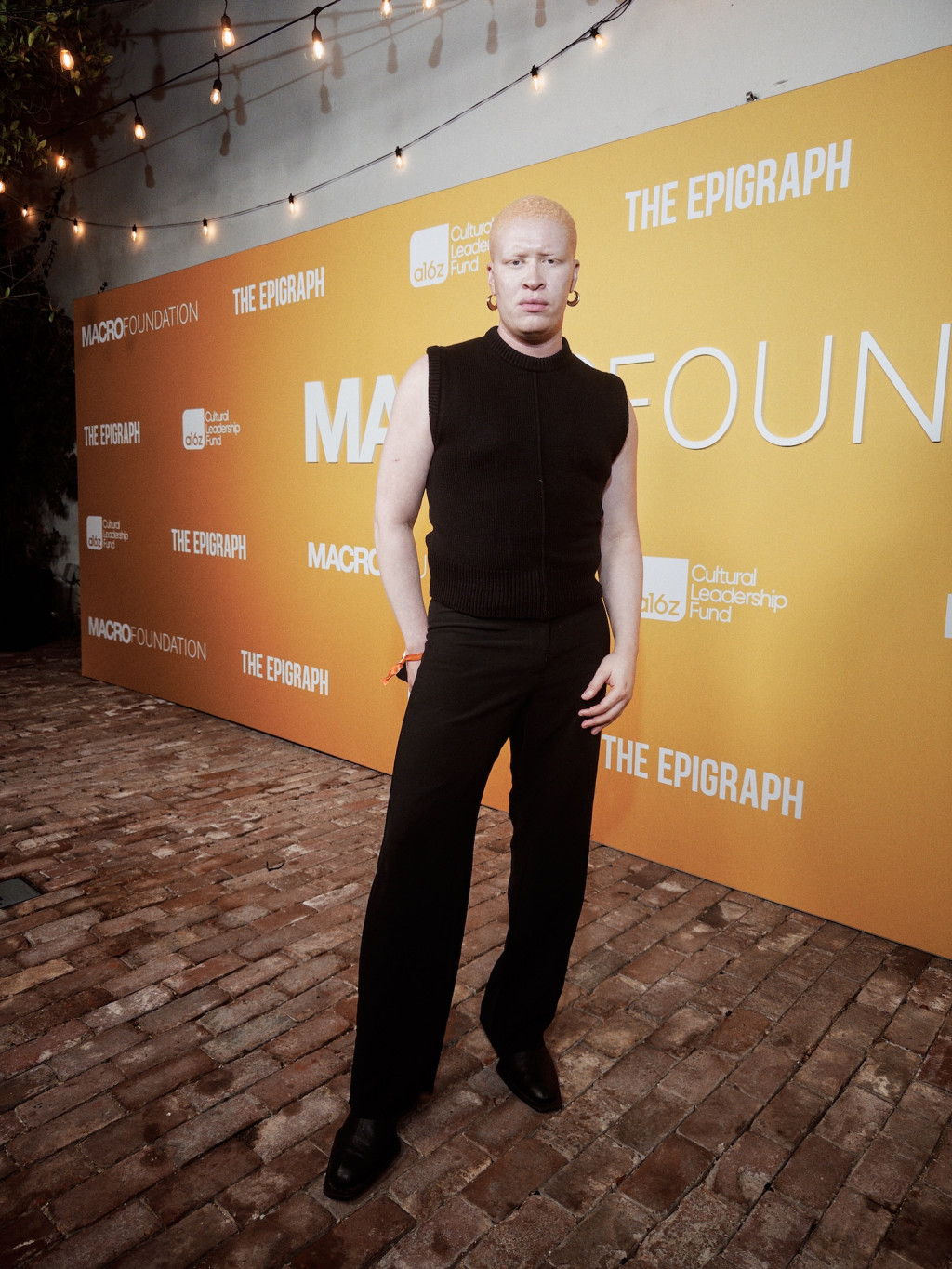
Photo Credit: Courtesy of MACRO