

Alongside heritage tailoring and established luxury houses, Pitti Uomo 110 reaffirmed its role as a platform for creative experimentation.
This season, Florence welcomed designers pushing menswear beyond conventional boundaries, exploring new ideas of masculinity, craftsmanship, and cultural identity. From romantic tailoring and conceptual punk to British irony and Scandinavian minimalism, these collections demonstrated that the future of menswear lies as much in storytelling as it does in design.
Simone Rocha
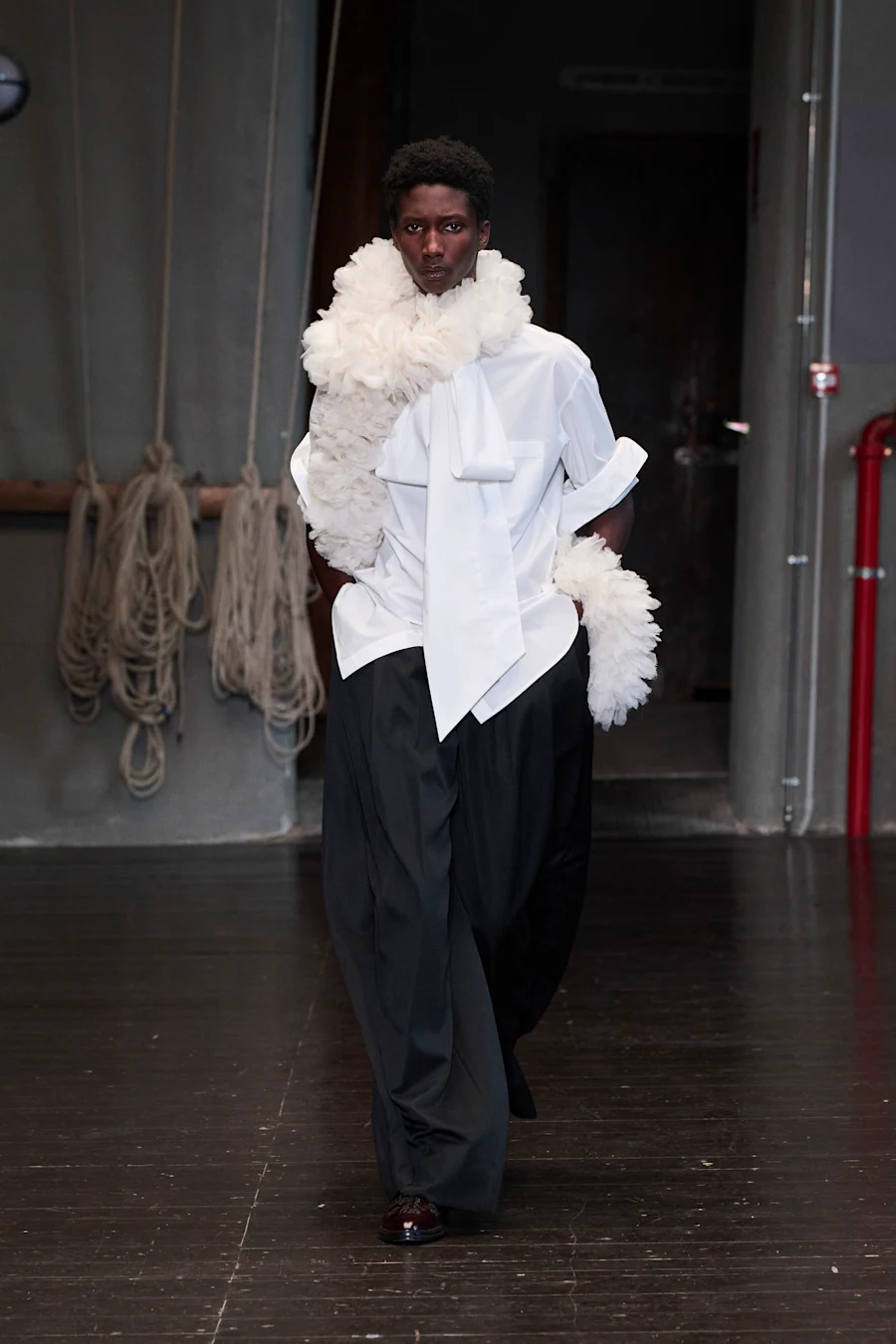
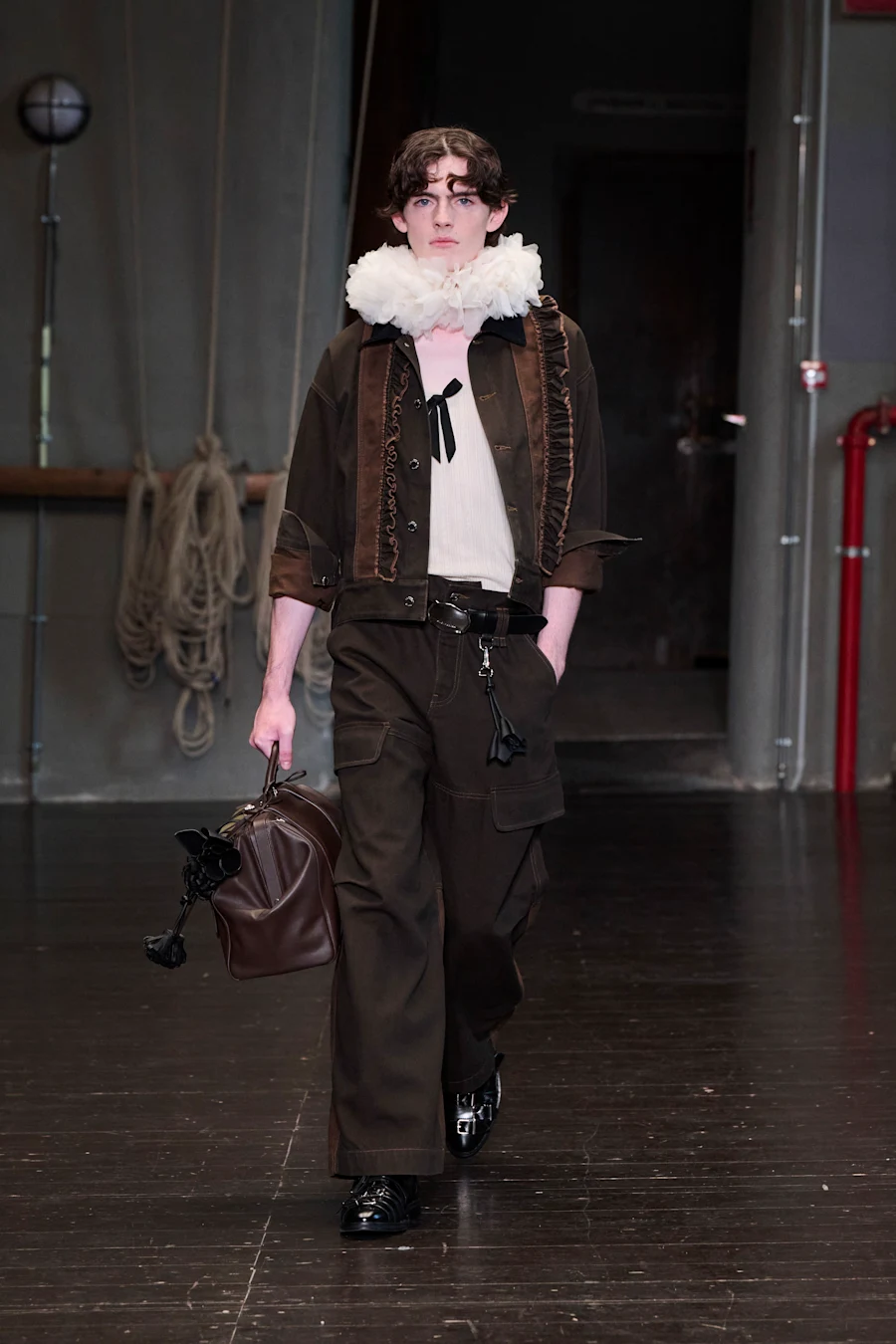
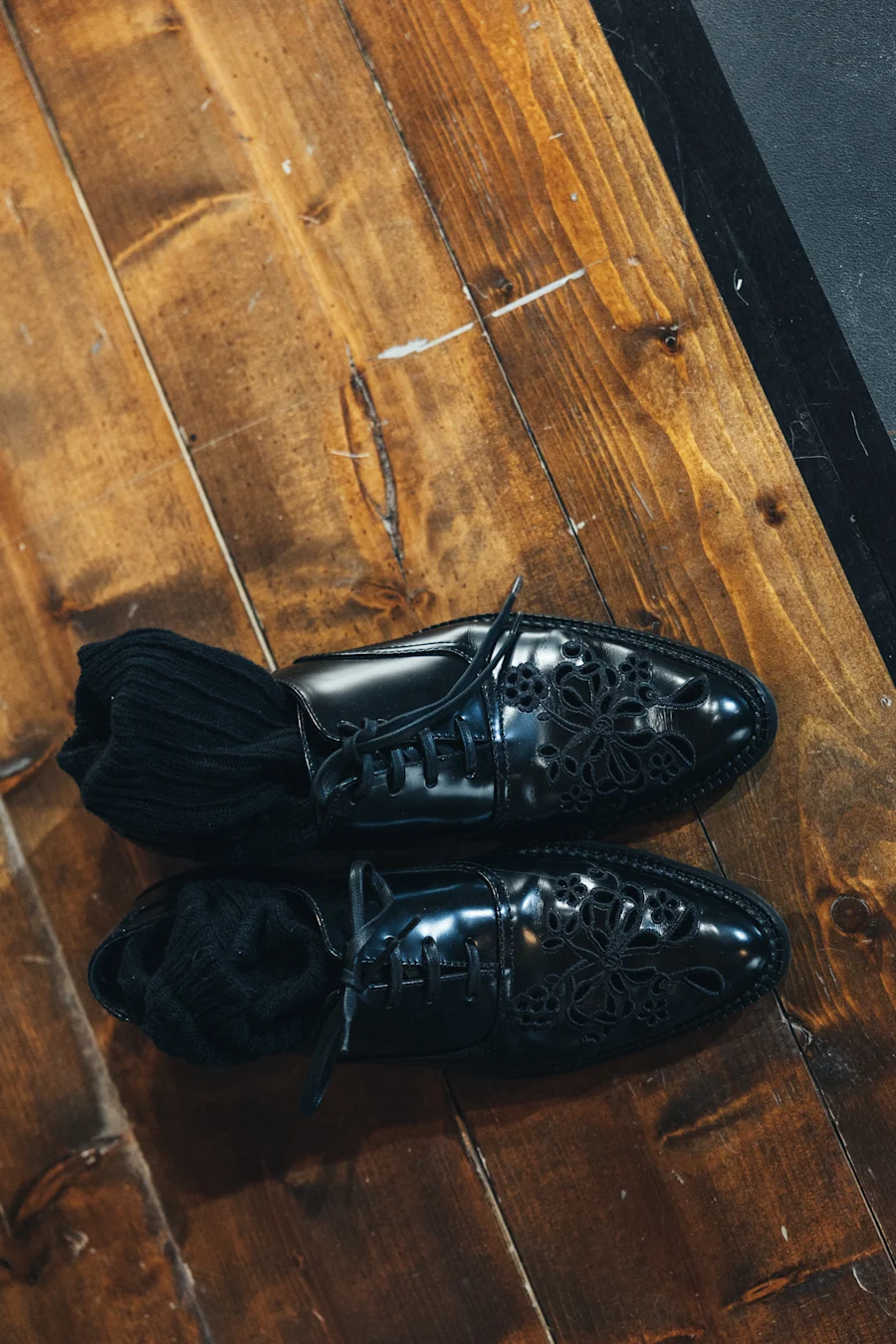
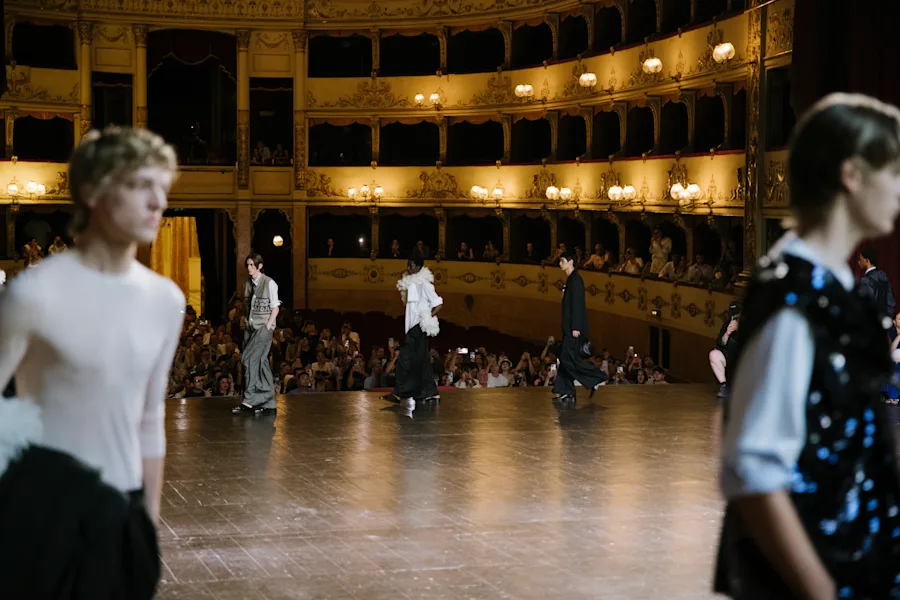
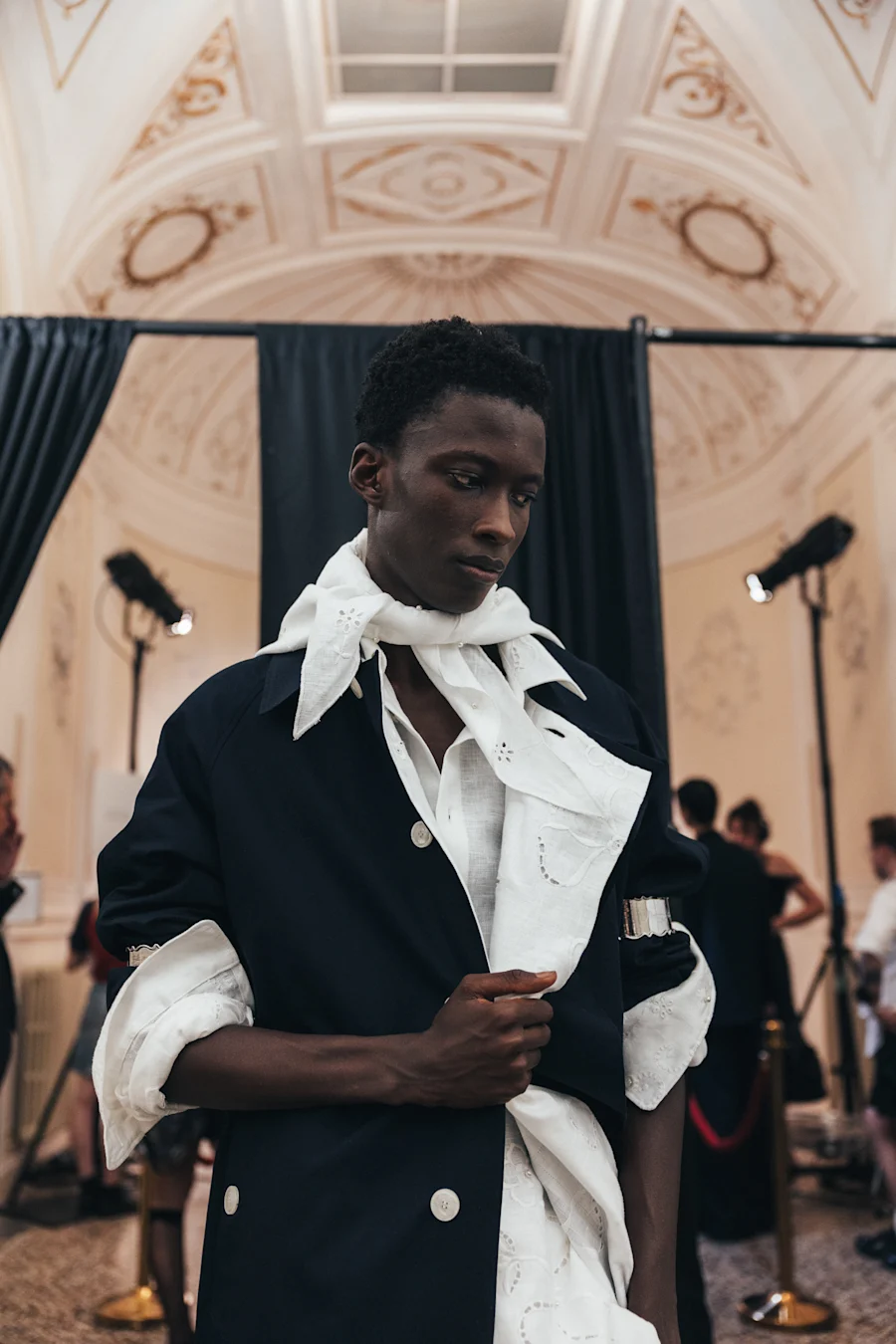
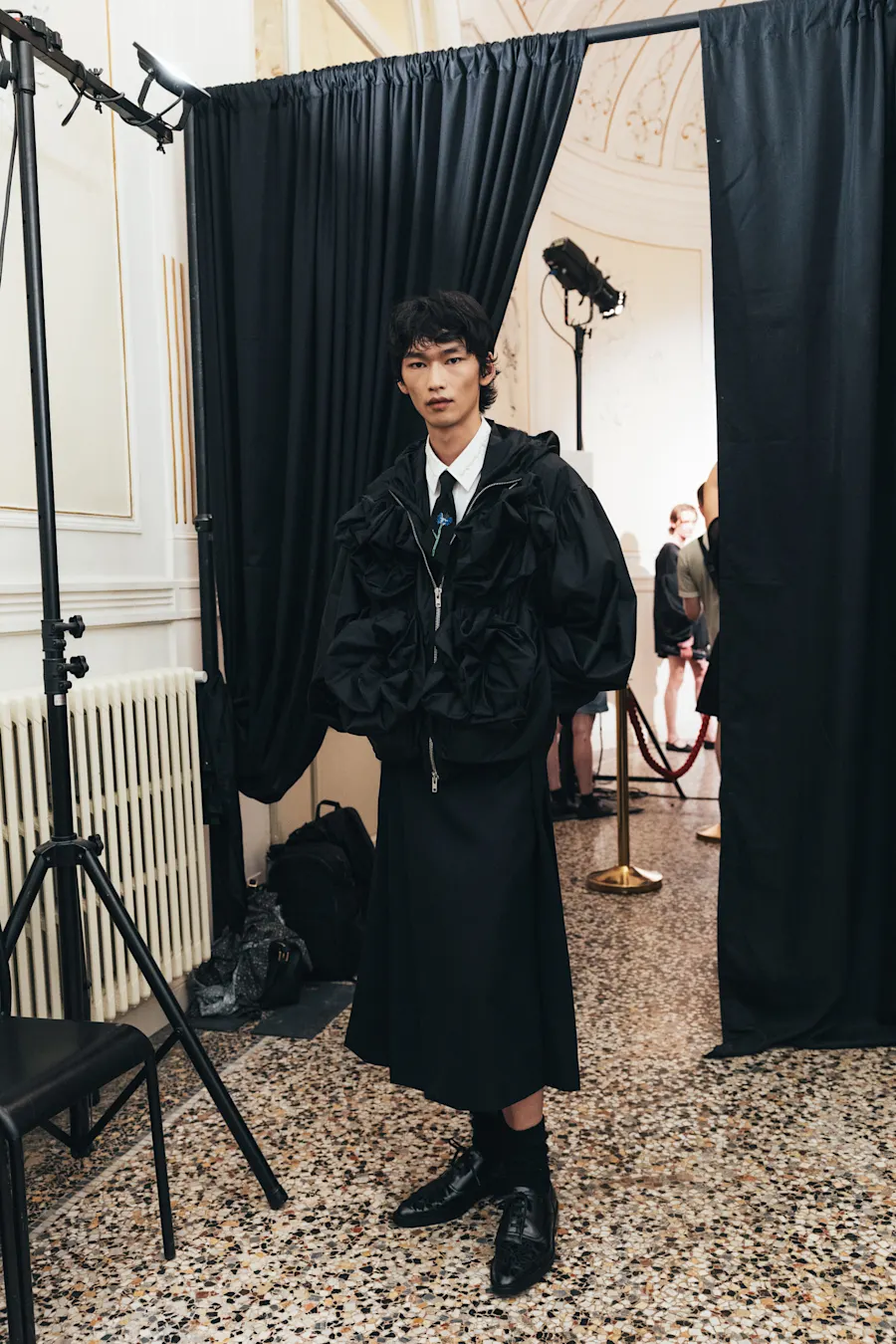
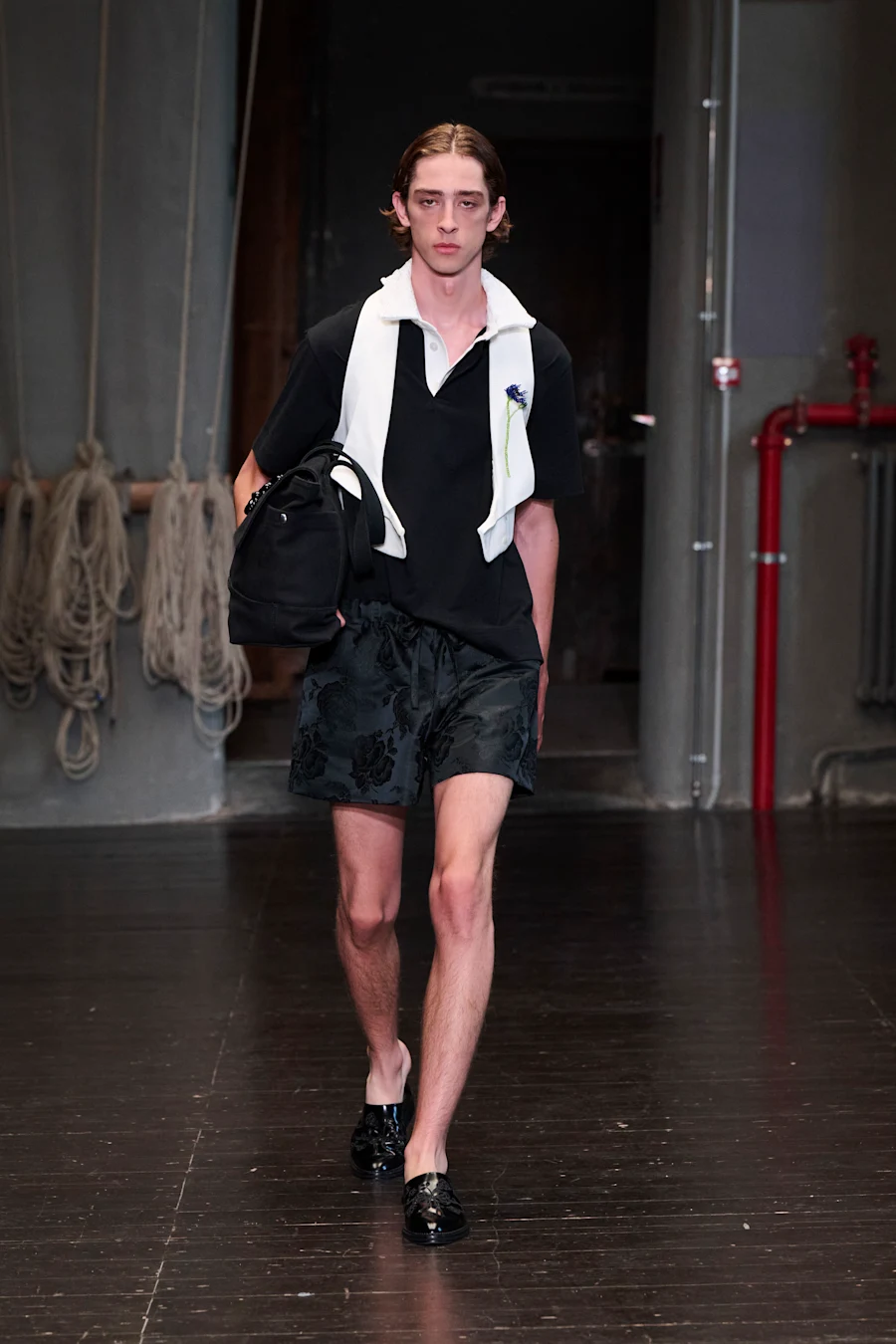
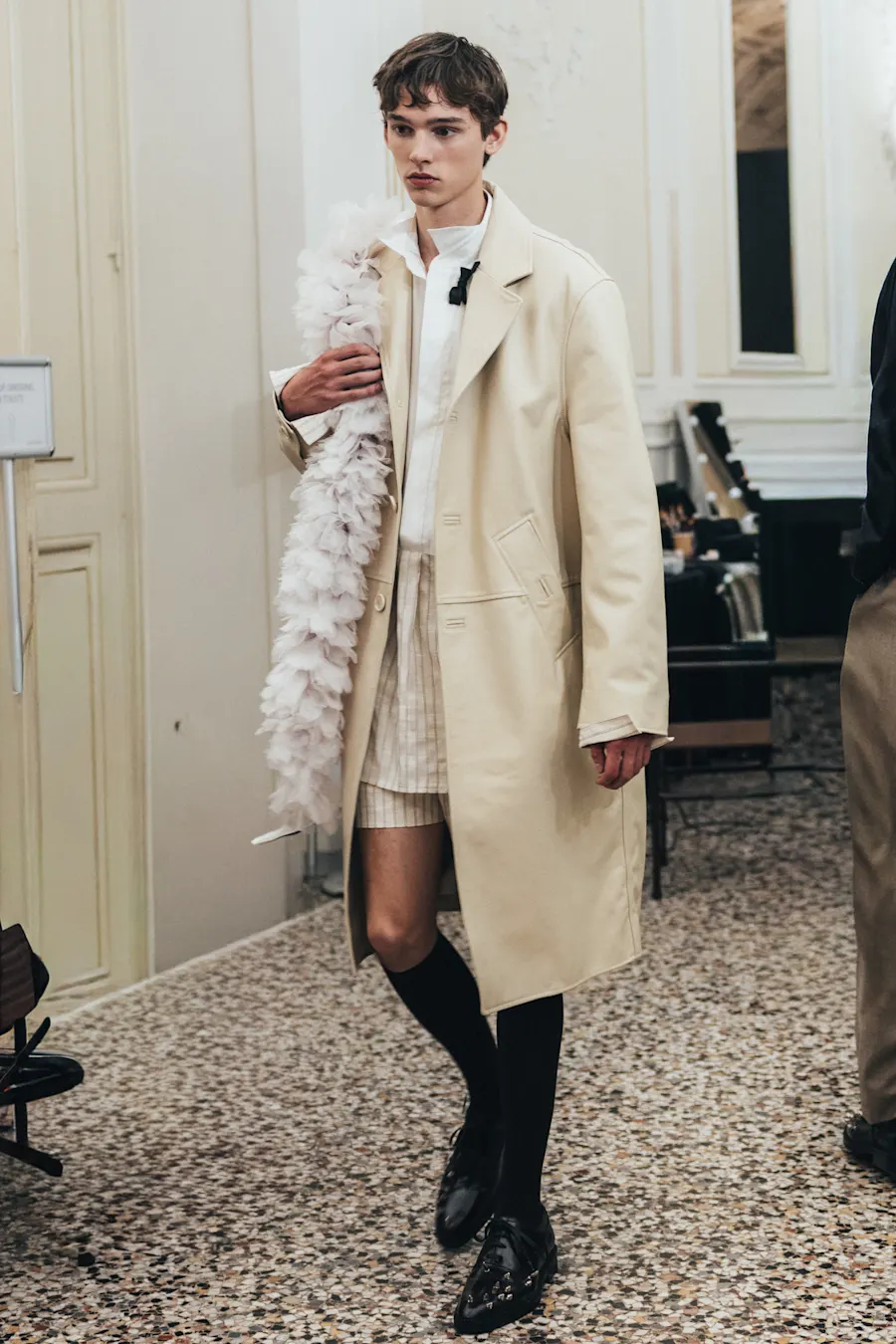
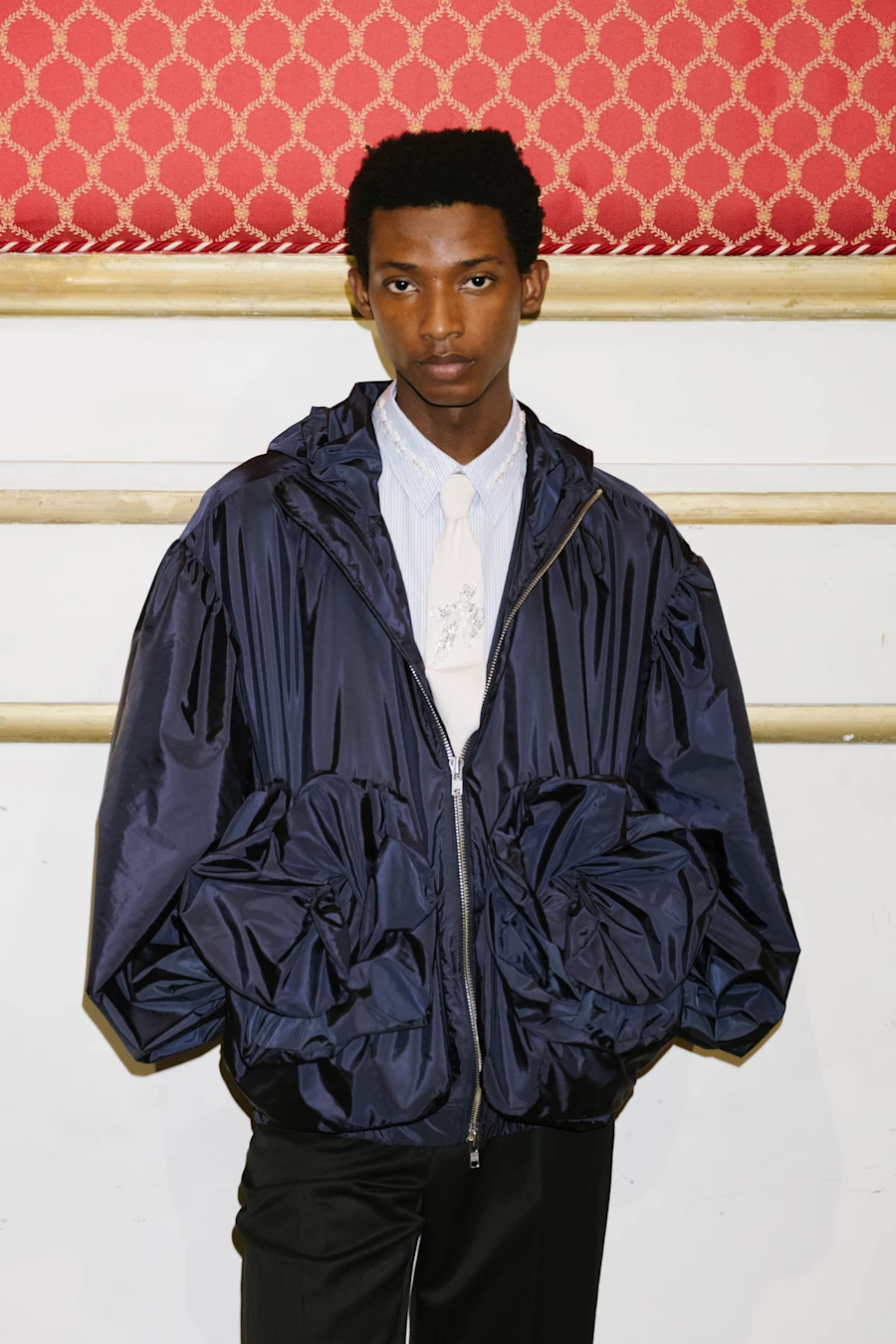
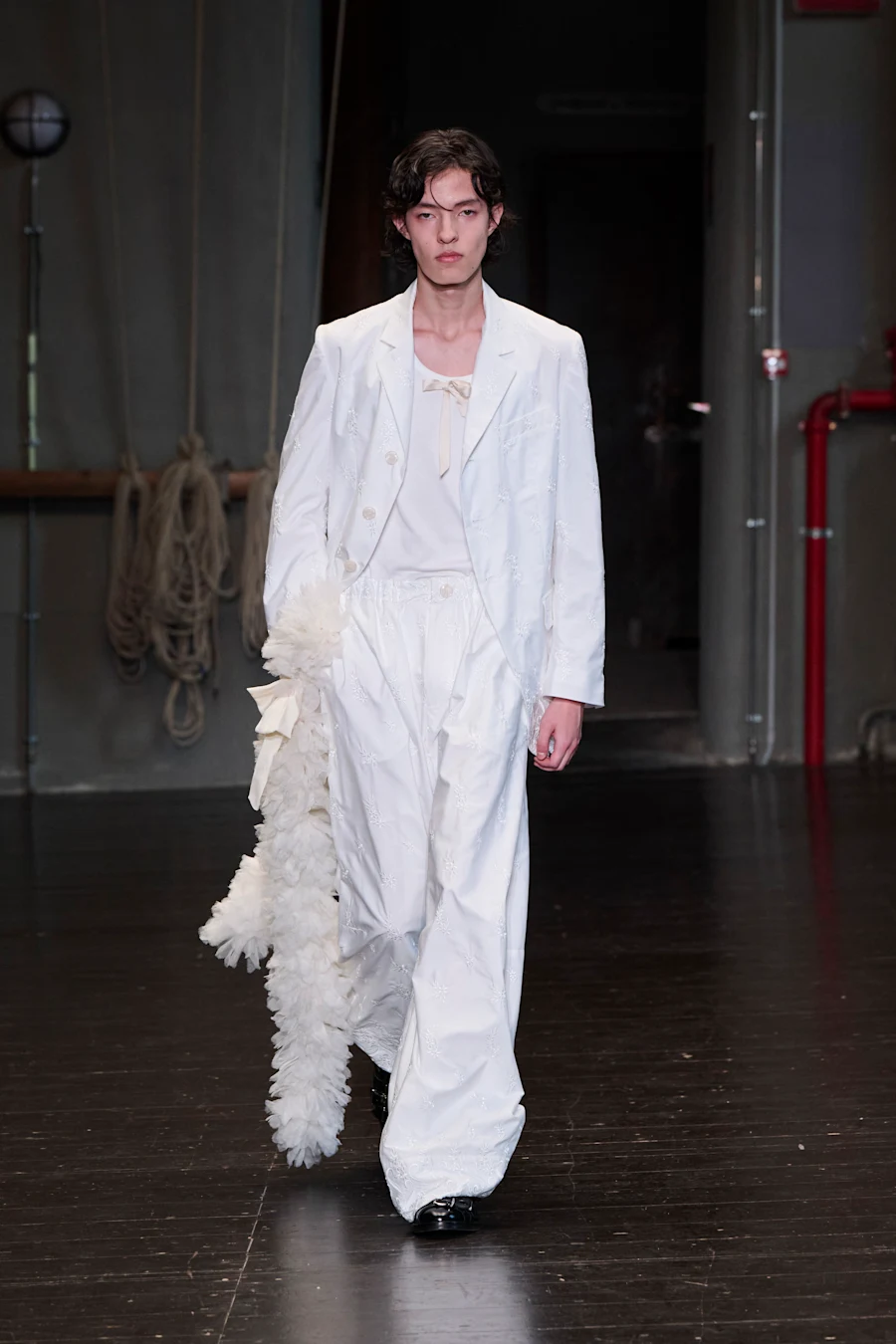
Among this edition’s guest designers, Simone Rocha presented her first collection dedicated exclusively to menswear. The Irish designer brought her vision of tender masculinity to Florence, mixing classic tailoring with lace, floral embellishments, and romantic details.
At the heart of the collection is the belief that masculine strength can coexist with vulnerability, sensitivity, and elegance, a message that has defined Rocha’s work for years. Her ability to dissolve the traditional boundaries between masculine and feminine aesthetics, enriched by references to Victorian dress, produced one of the season’s most poetic moments.
Kei Ninomiya
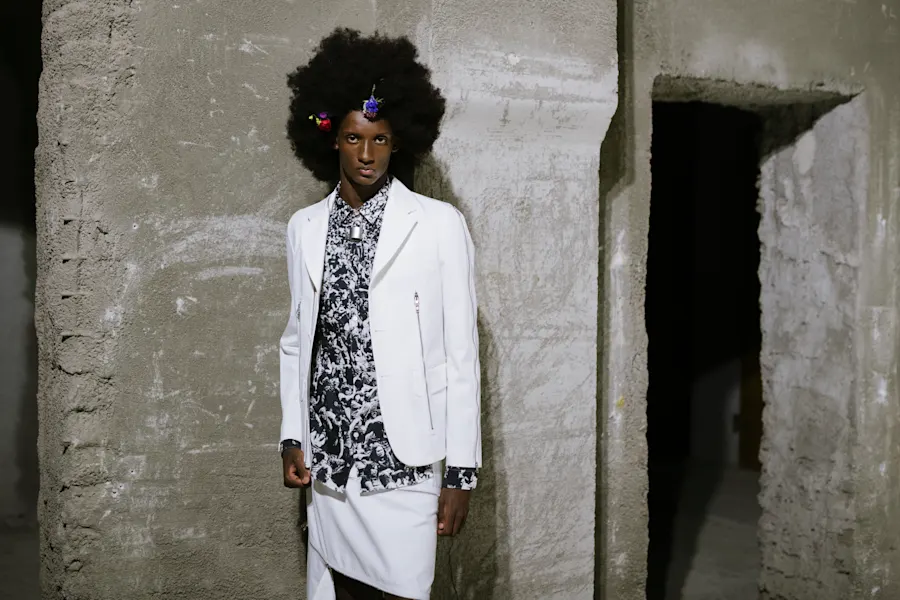
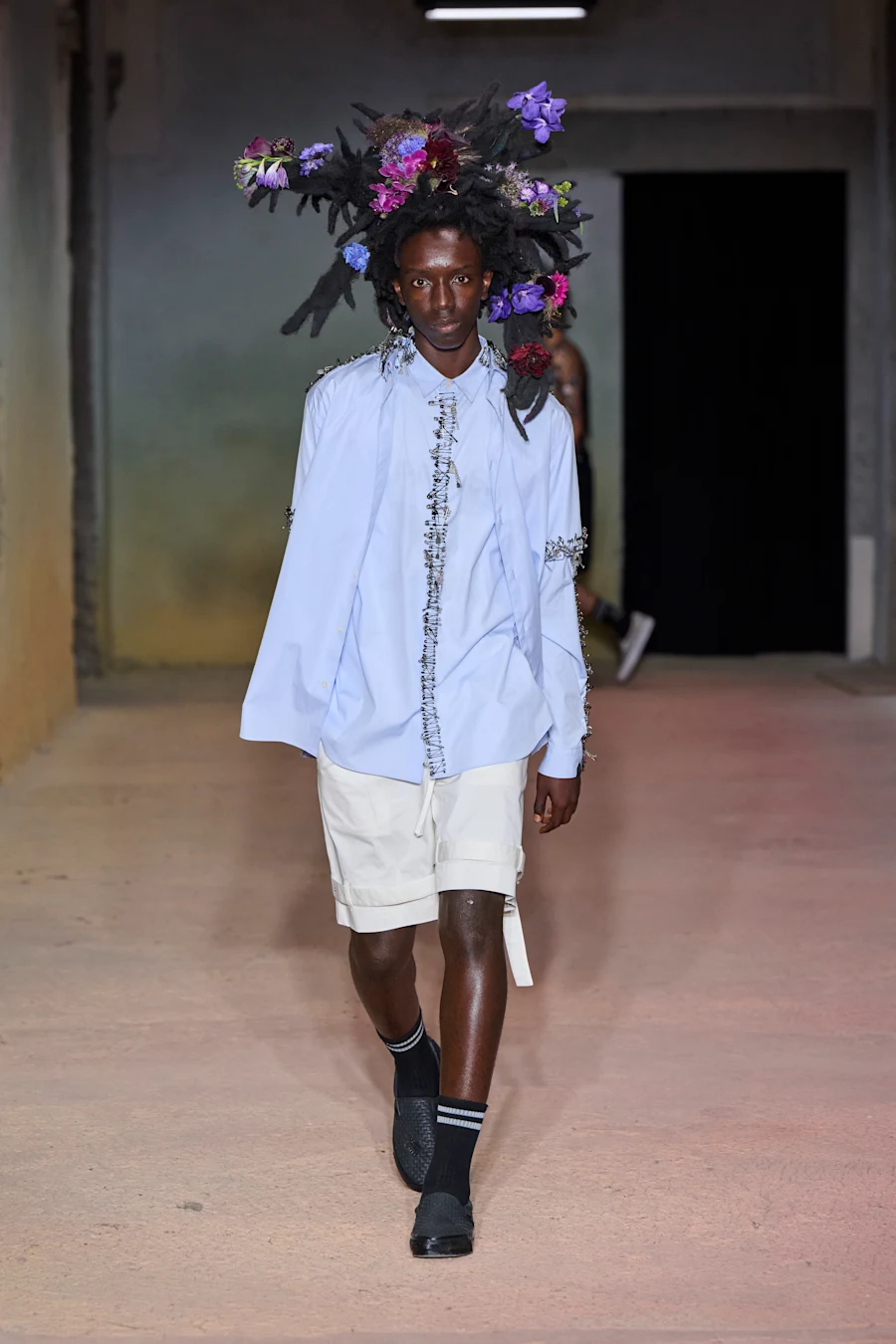
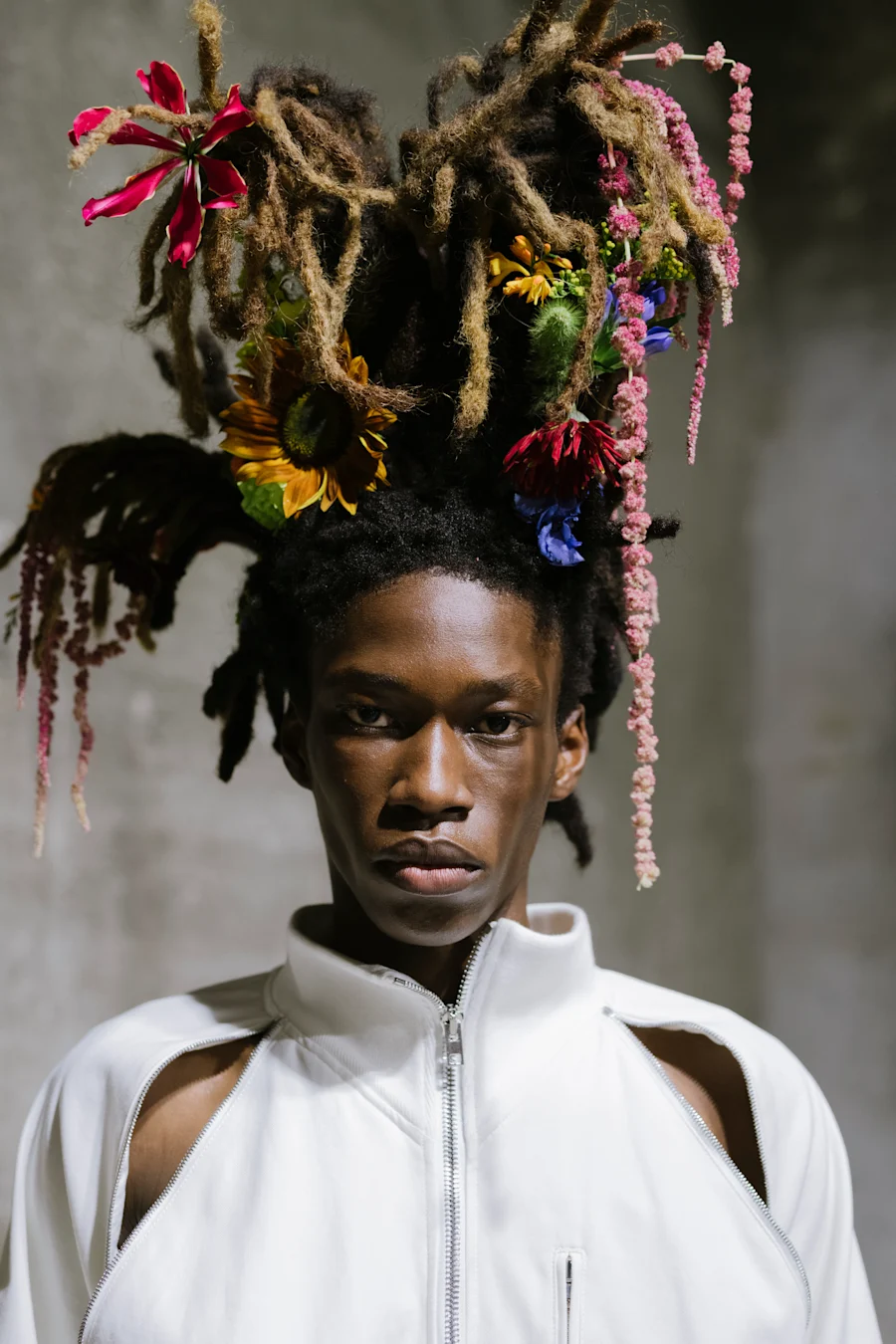
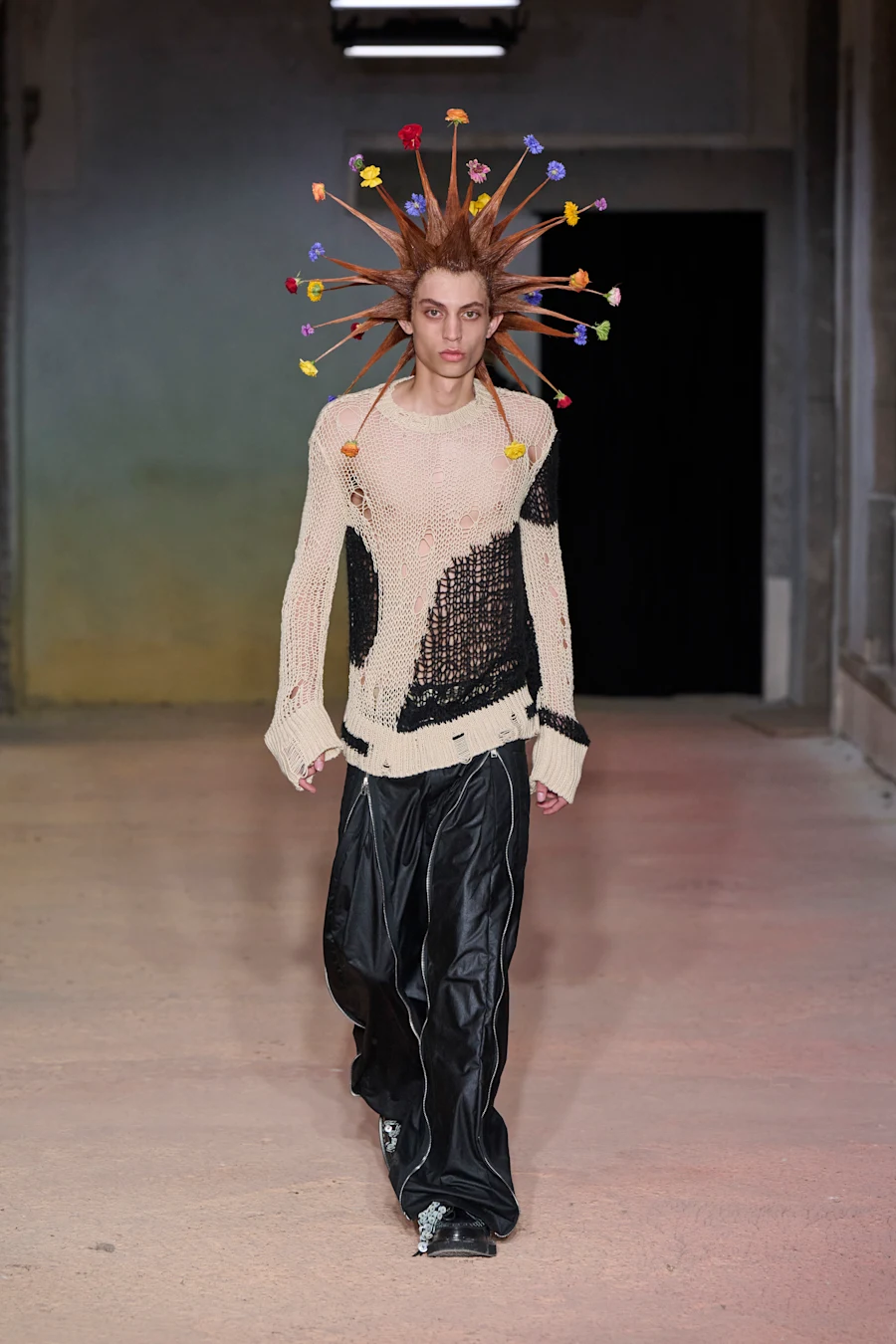
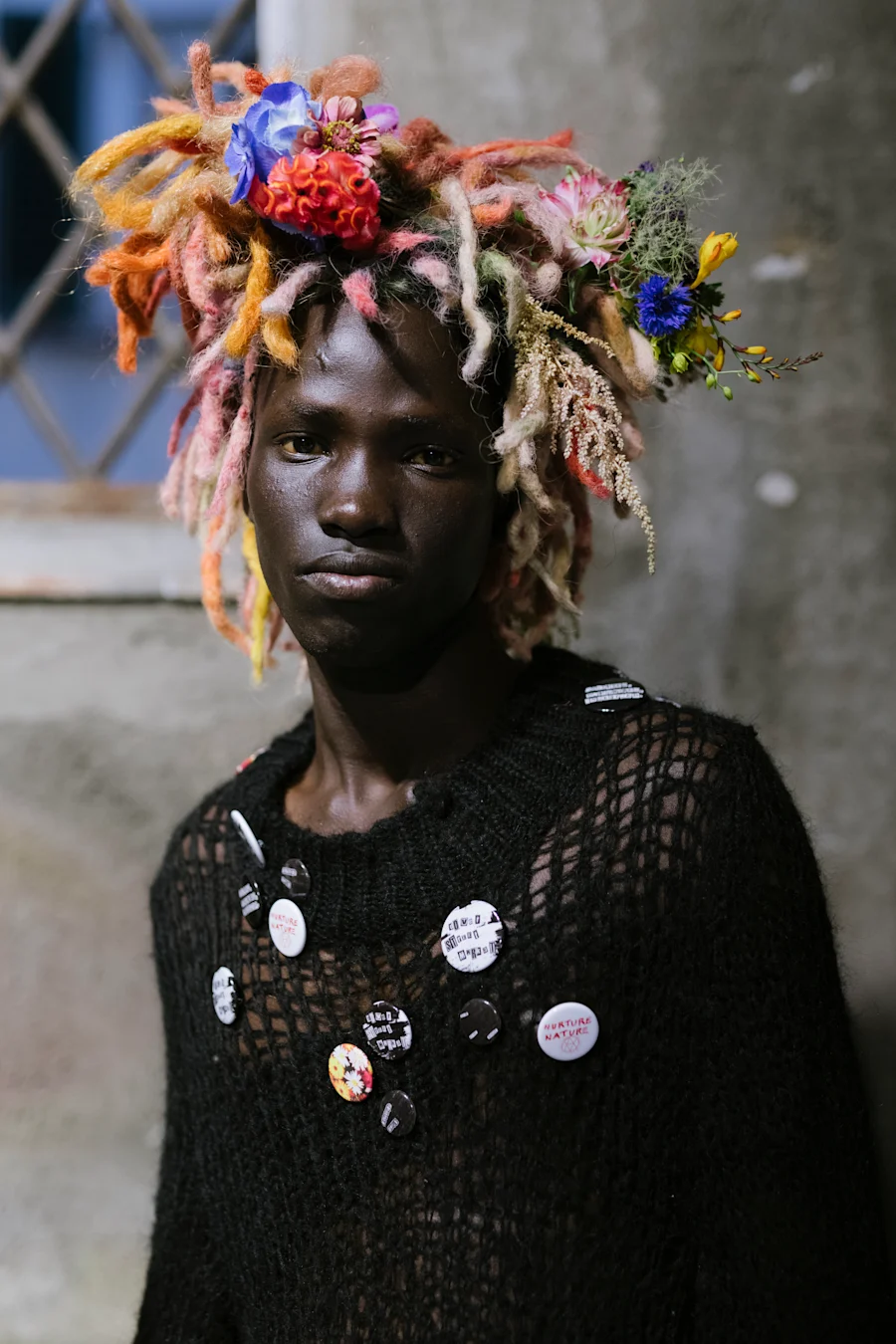
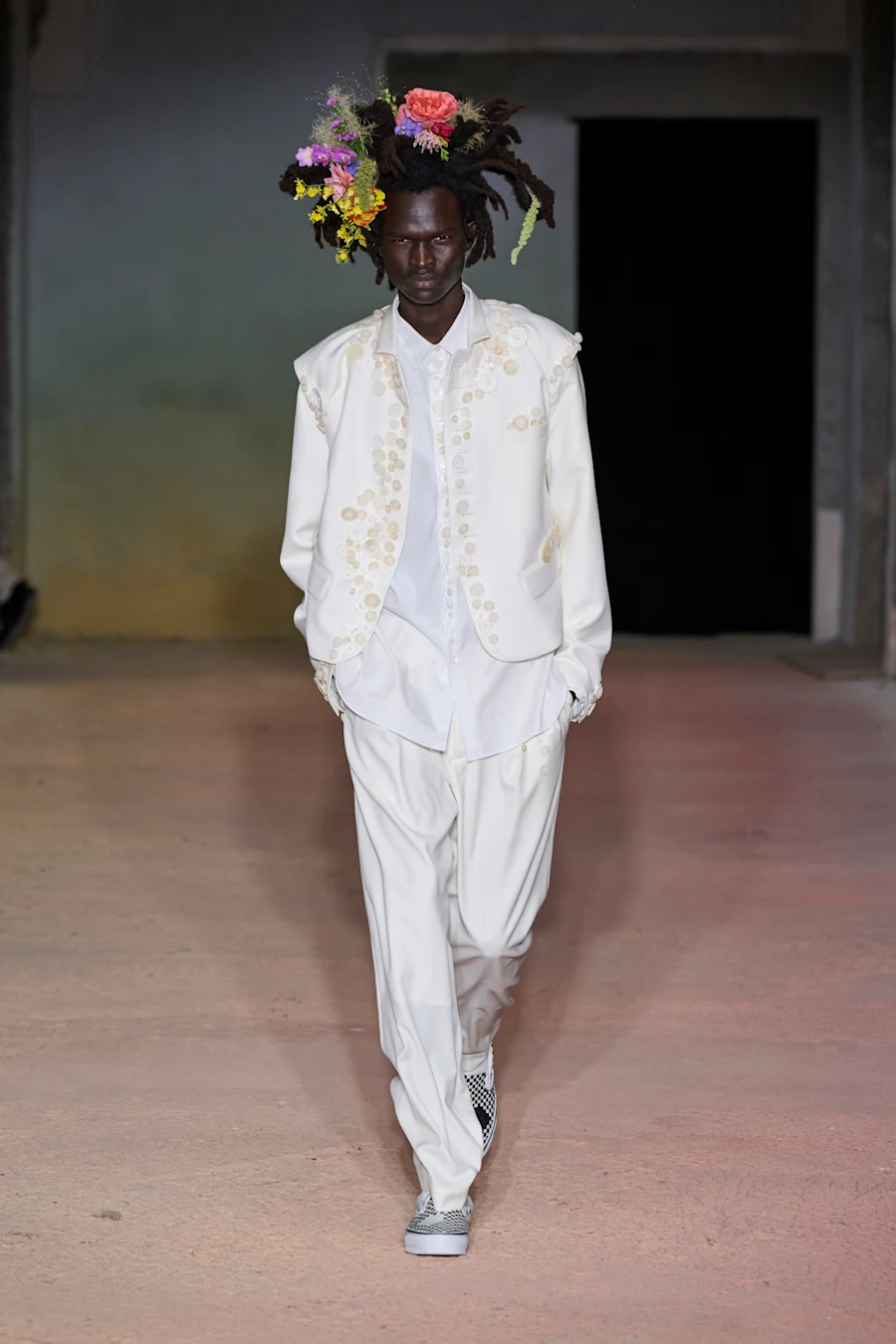
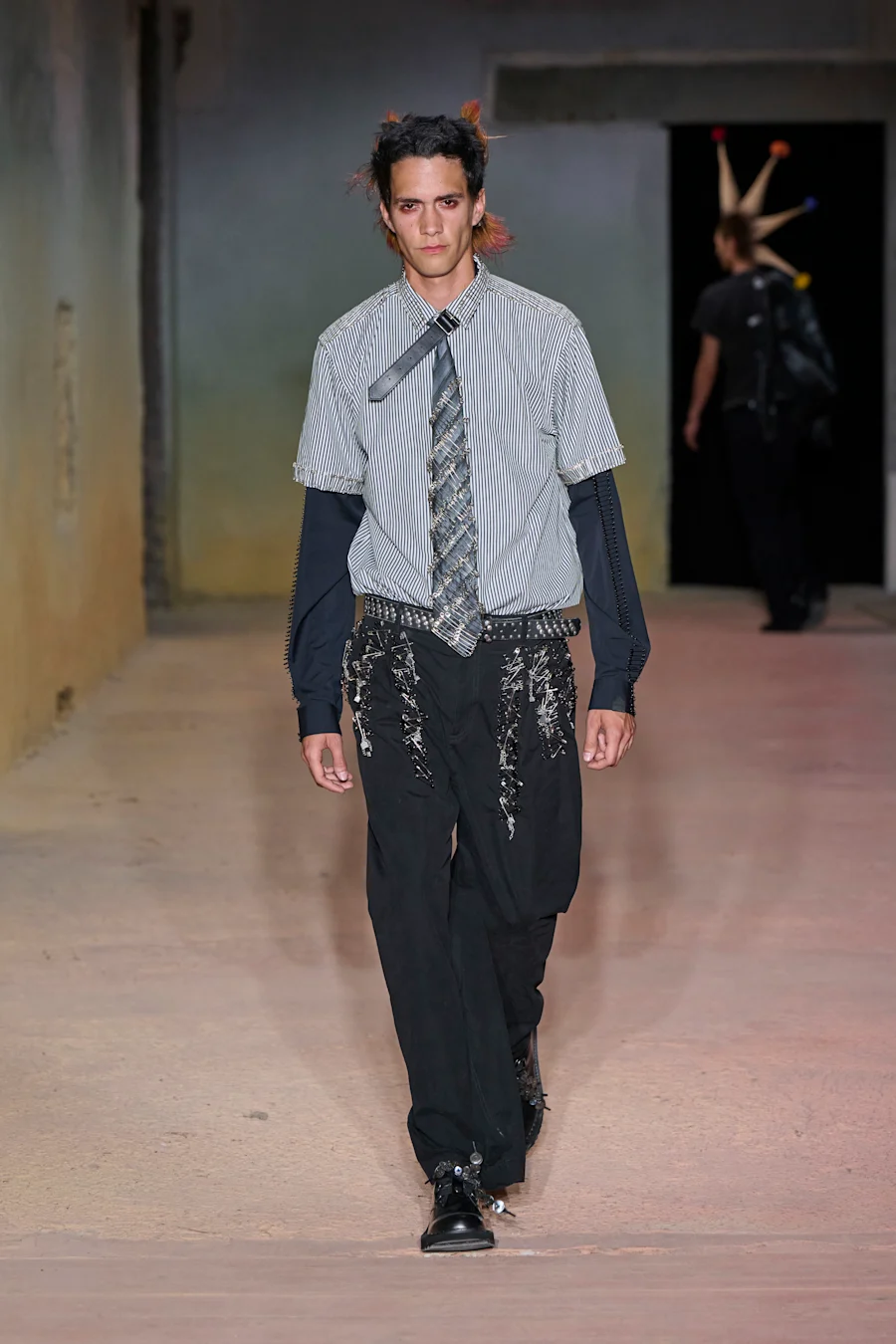
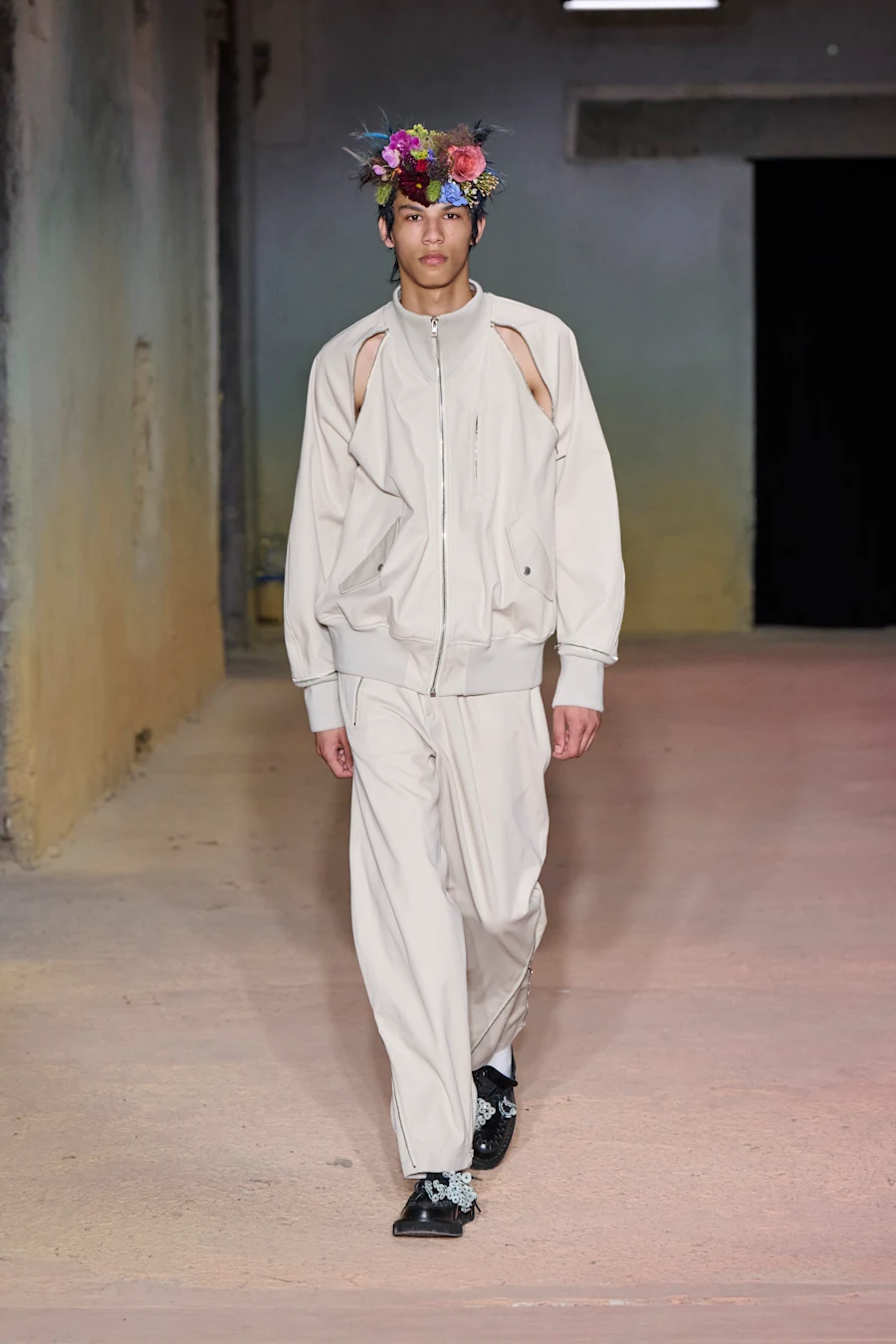
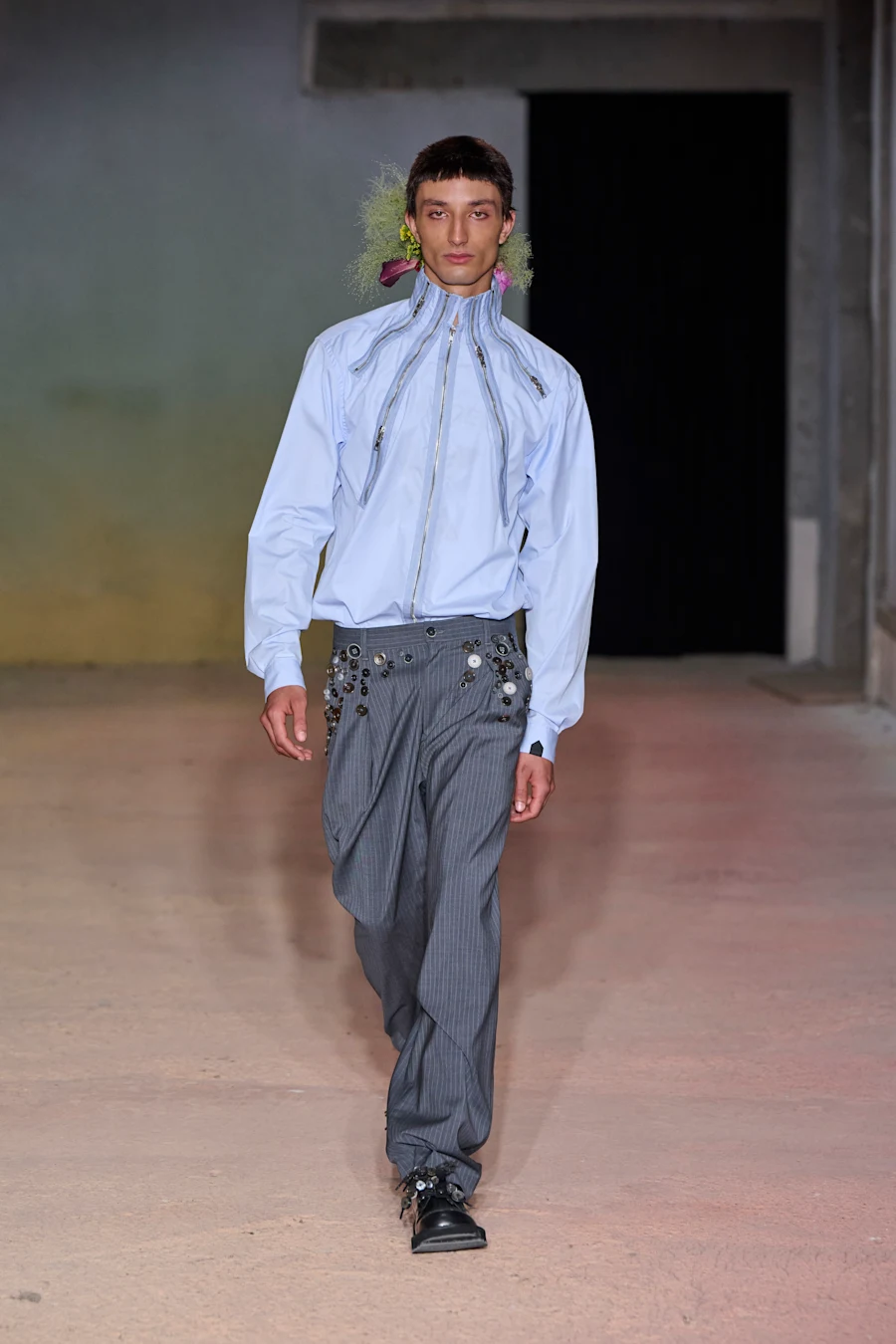
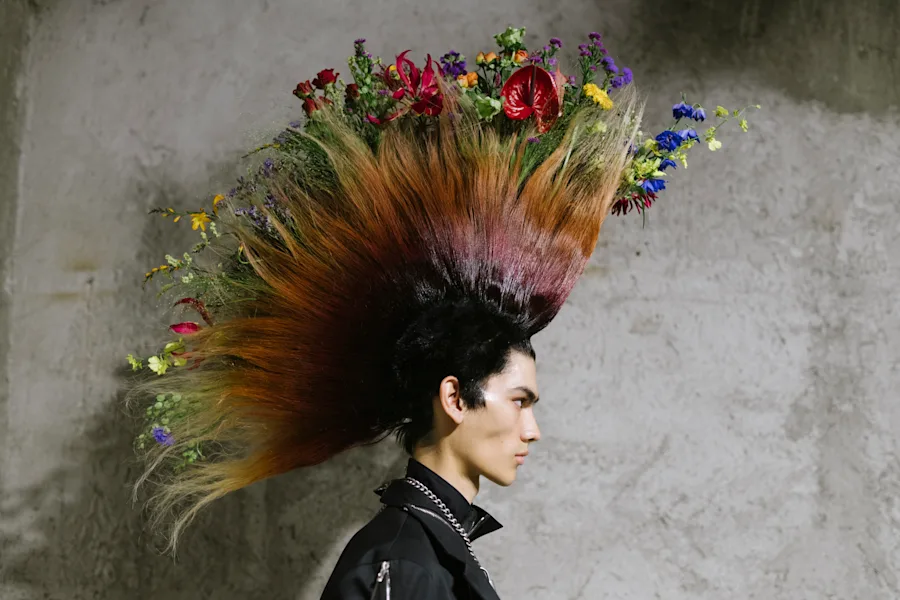
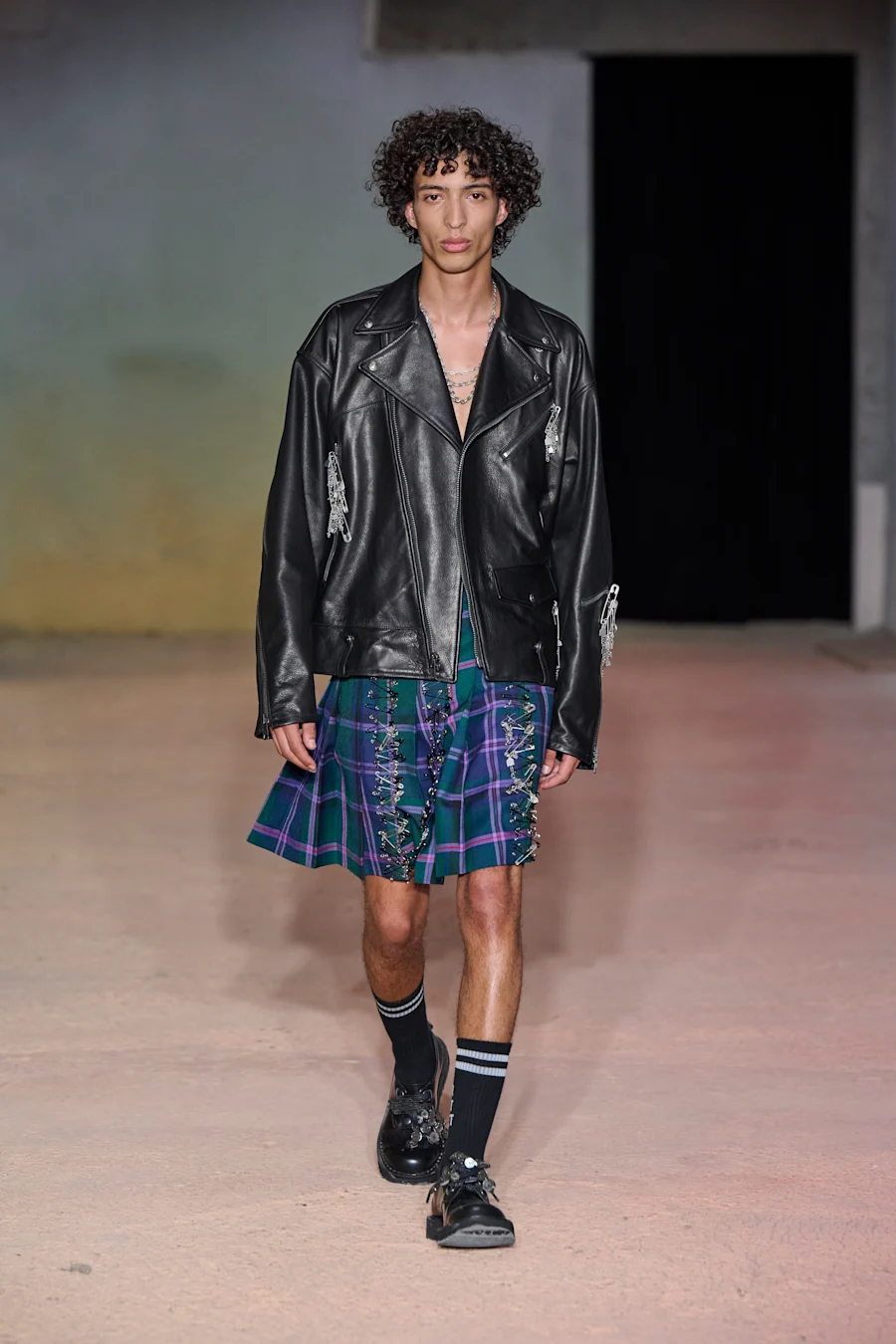
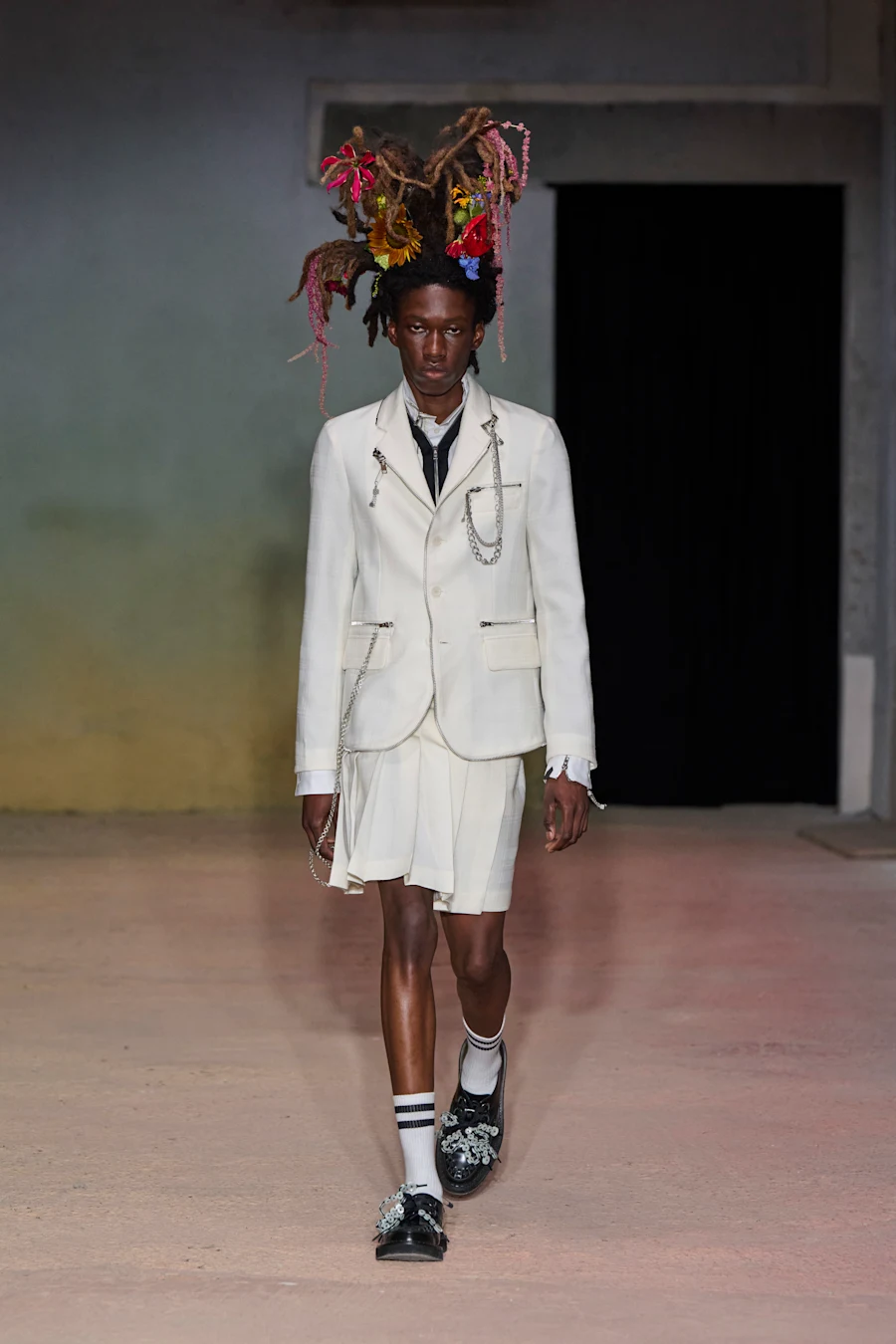
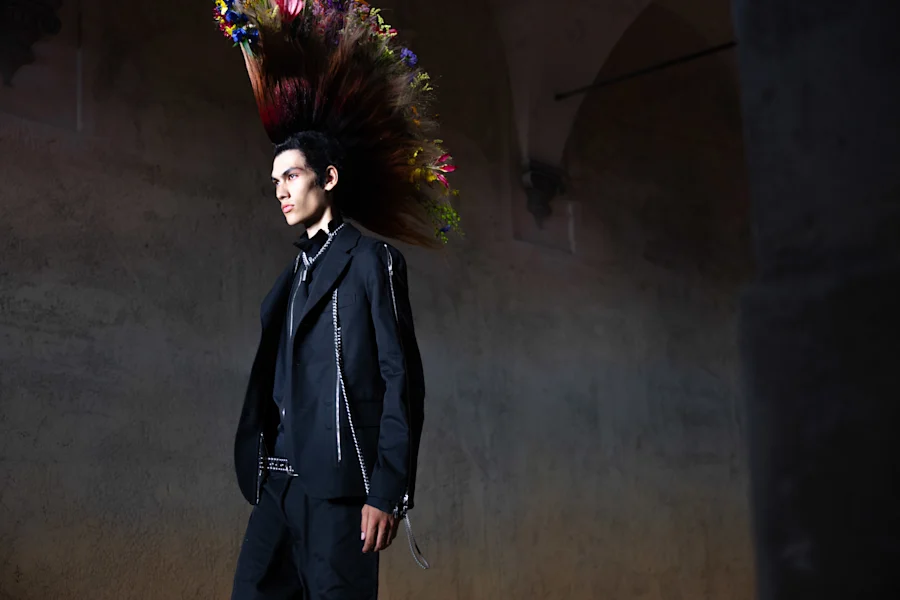
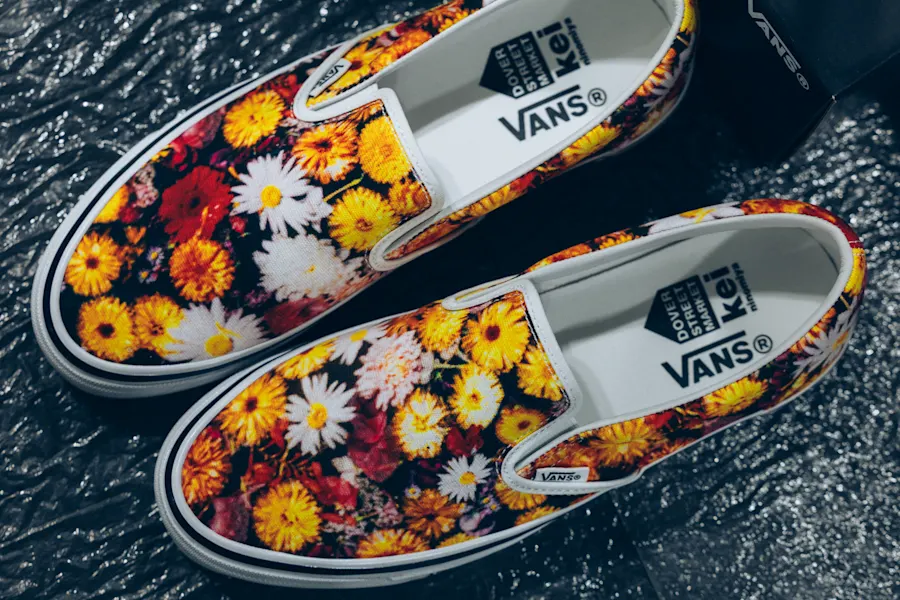
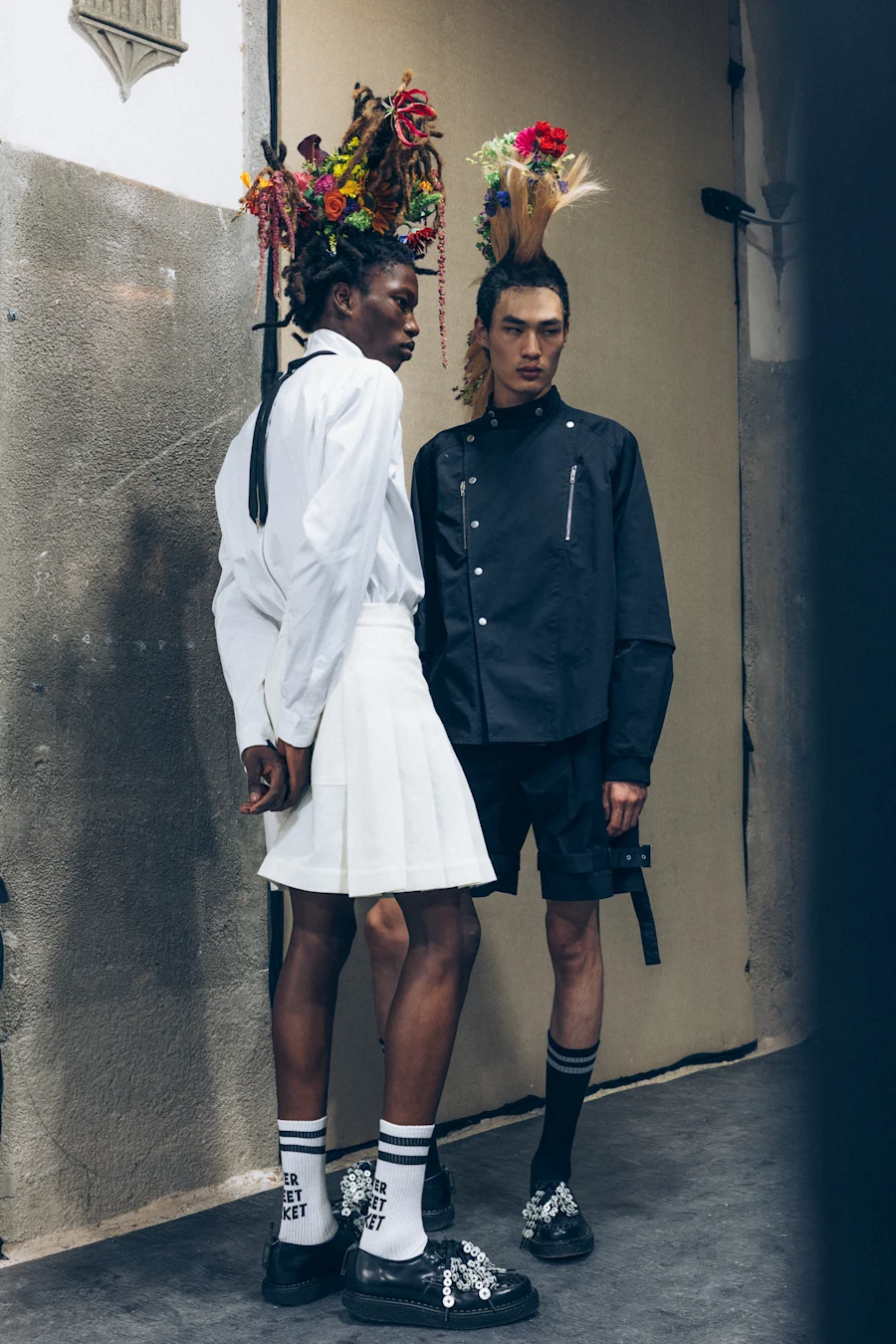
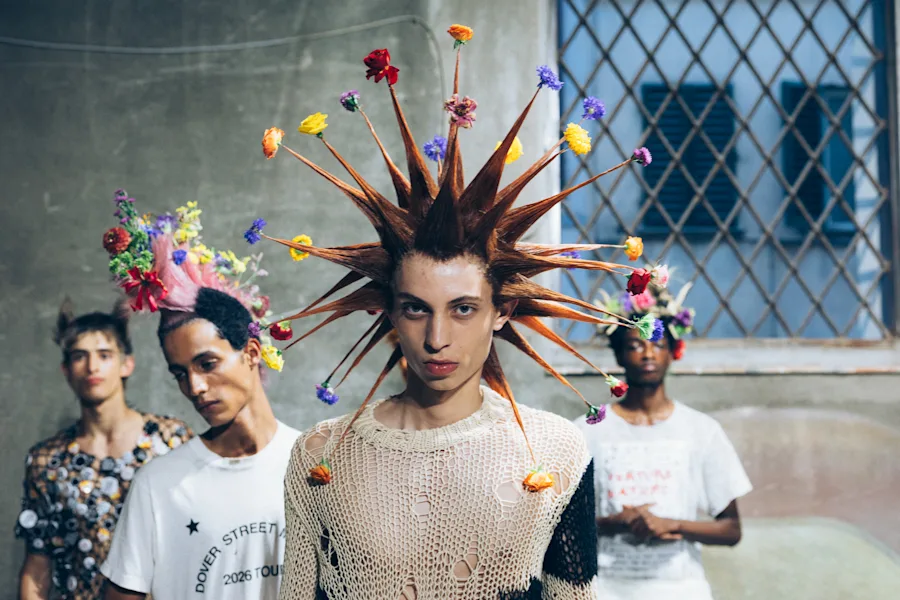
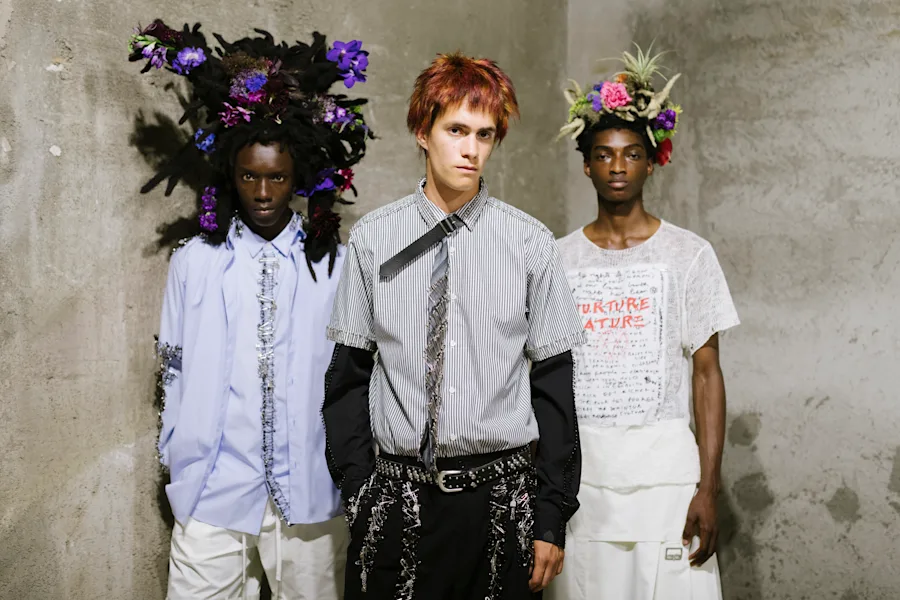
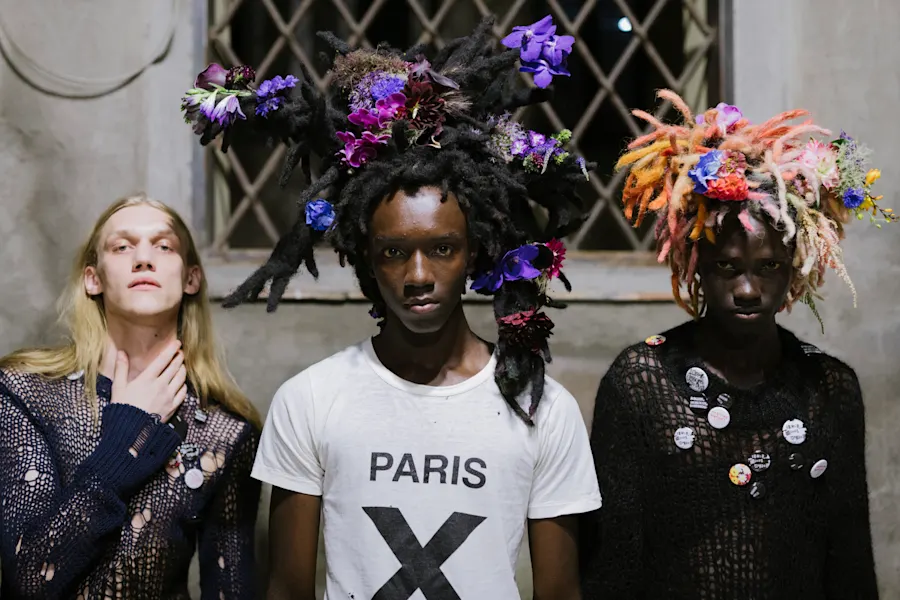
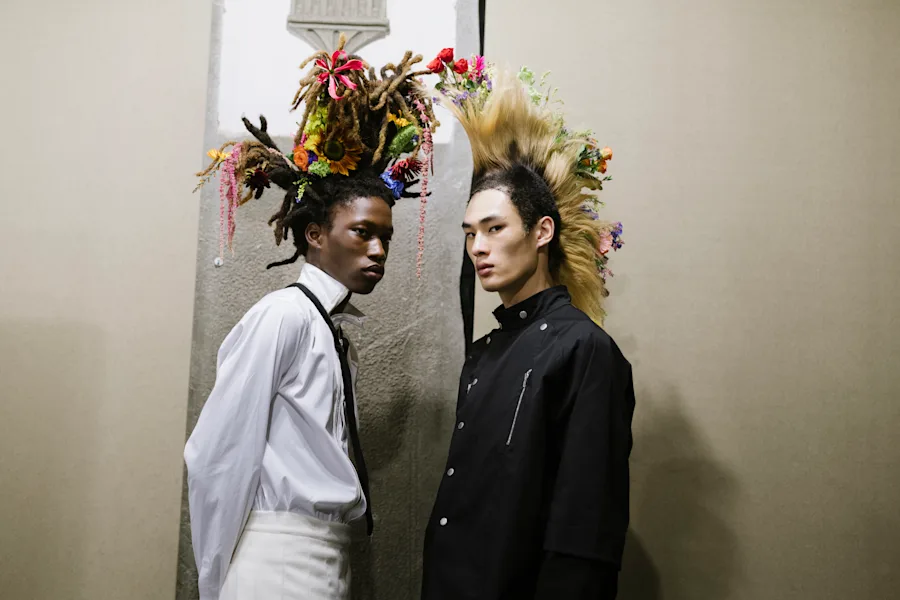
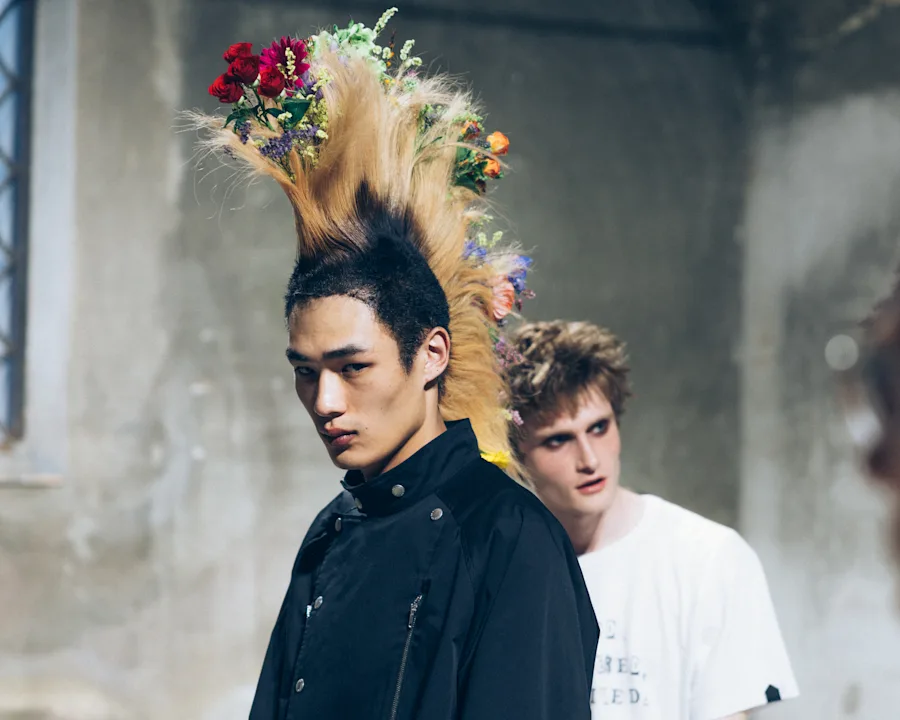
Japanese designer Kei Ninomiya, renowned for his sculptural and experimental approach to garment construction, presented his DSM Kei Ninomiya project developed for Dover Street Market. His Spring/Summer 2027 collection, Our Punk, reimagined punk through a contemporary lens, balancing rebellion, craftsmanship, and wearability.
Leather biker jackets, kilts, chains, and gender-fluid silhouettes formed the foundation of the collection, while dramatic floral embellishments applied to towering hairstyles introduced an unexpected sense of delicacy. The show also debuted pieces from his collaboration with Vans, featuring reworked Slip-On sneakers. Ninomiya’s appearance at Pitti Uomo 110 stood out as one of the event’s most conceptual presentations, bringing his distinctive vision of contemporary punk to Florence.
William Palmer
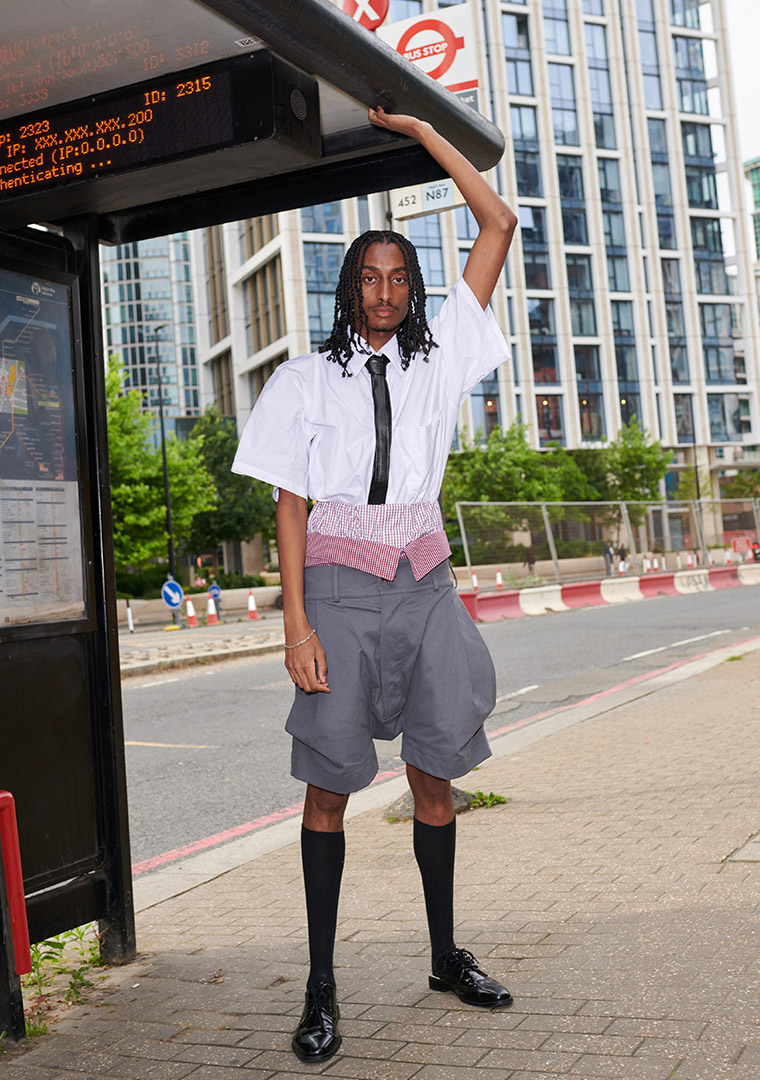
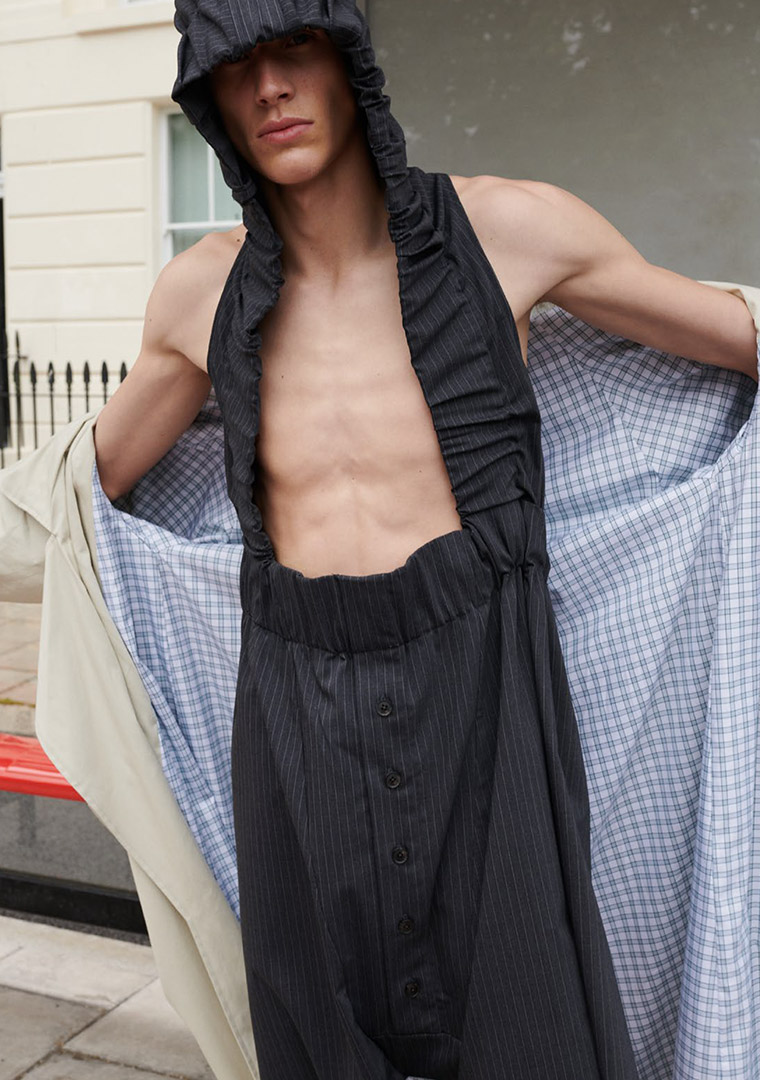
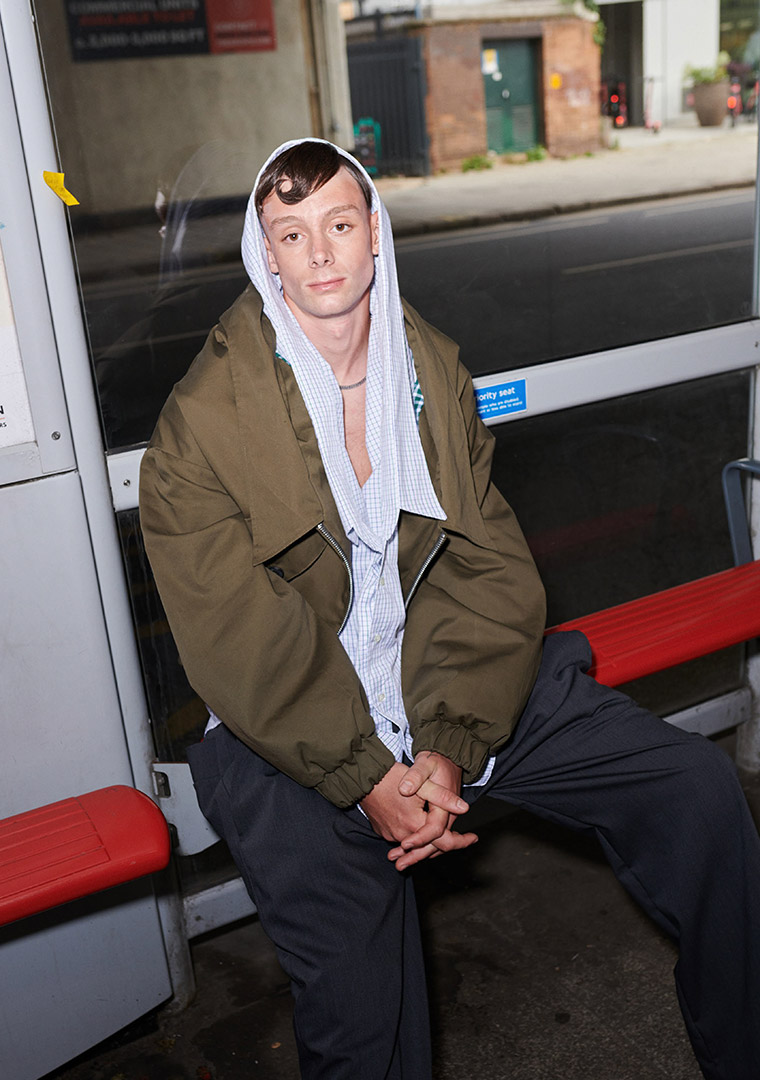
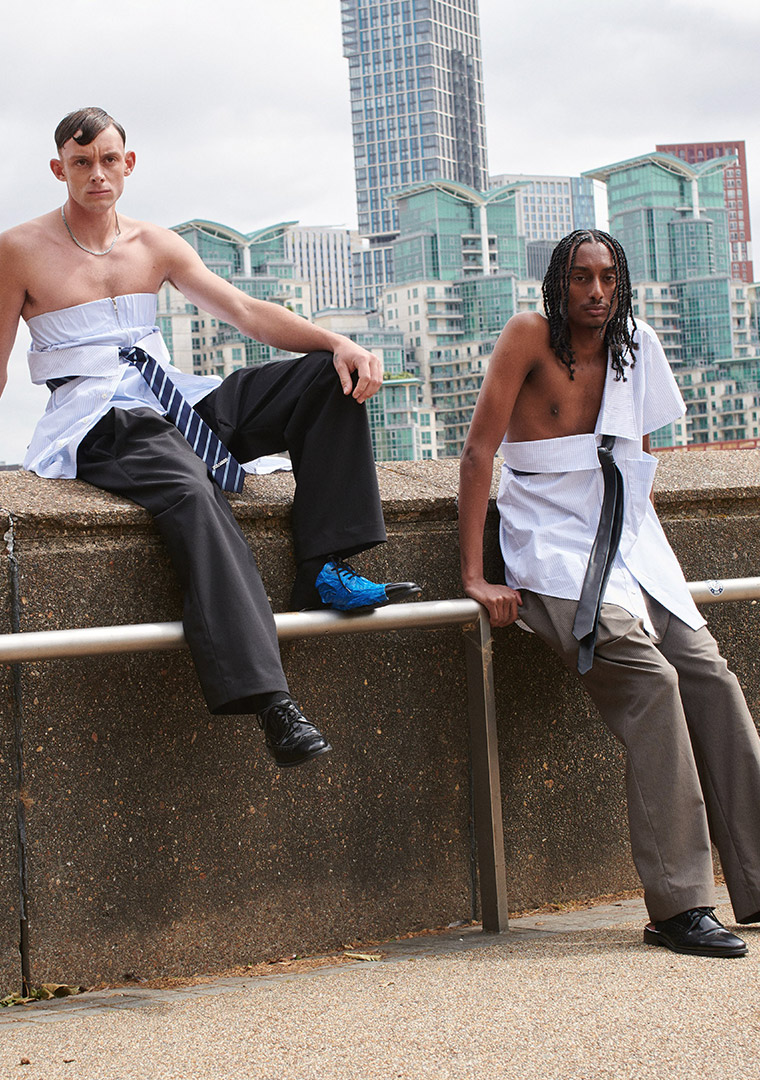
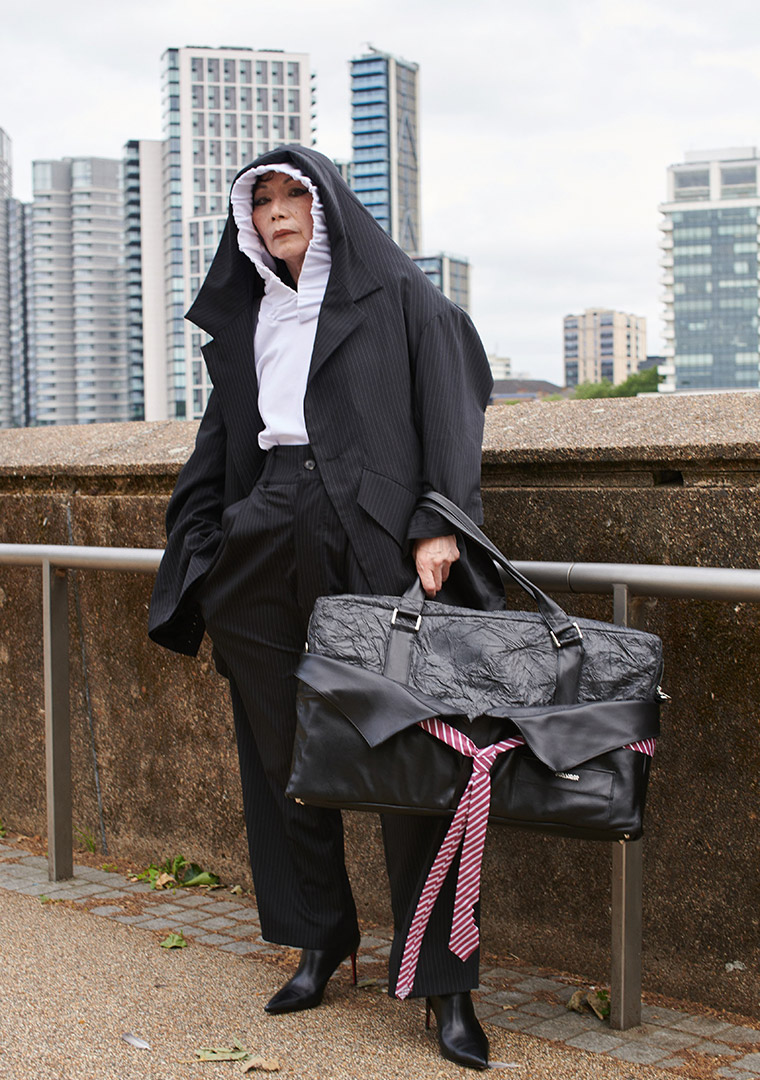
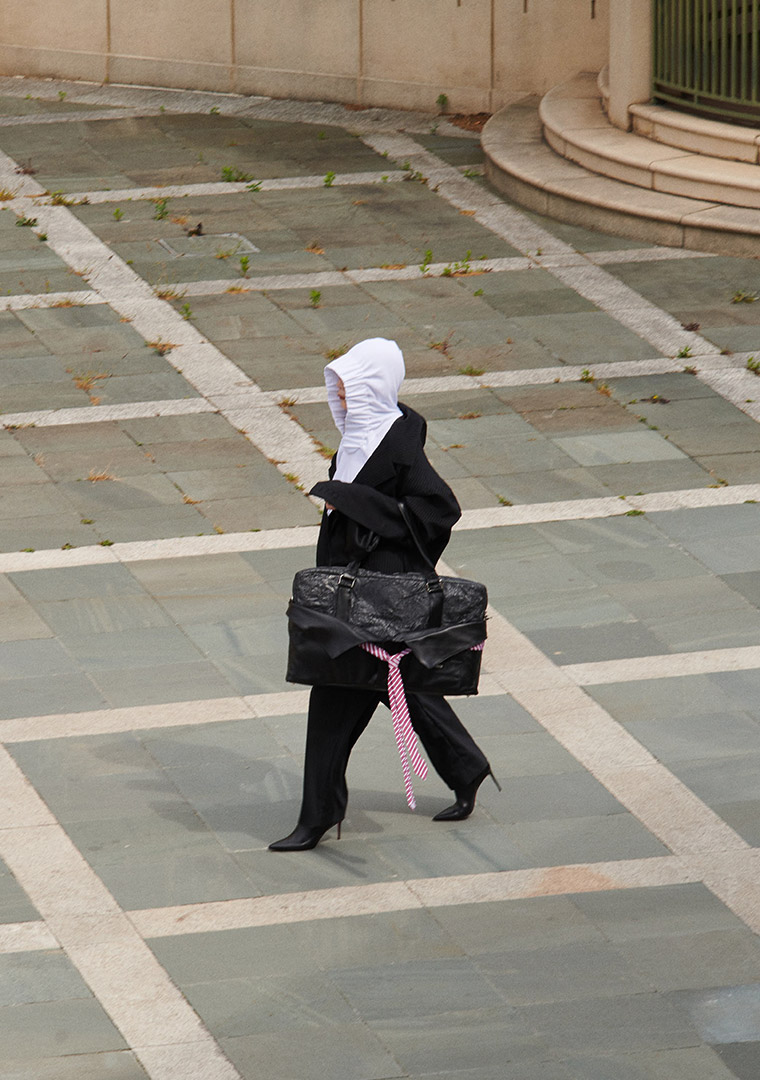
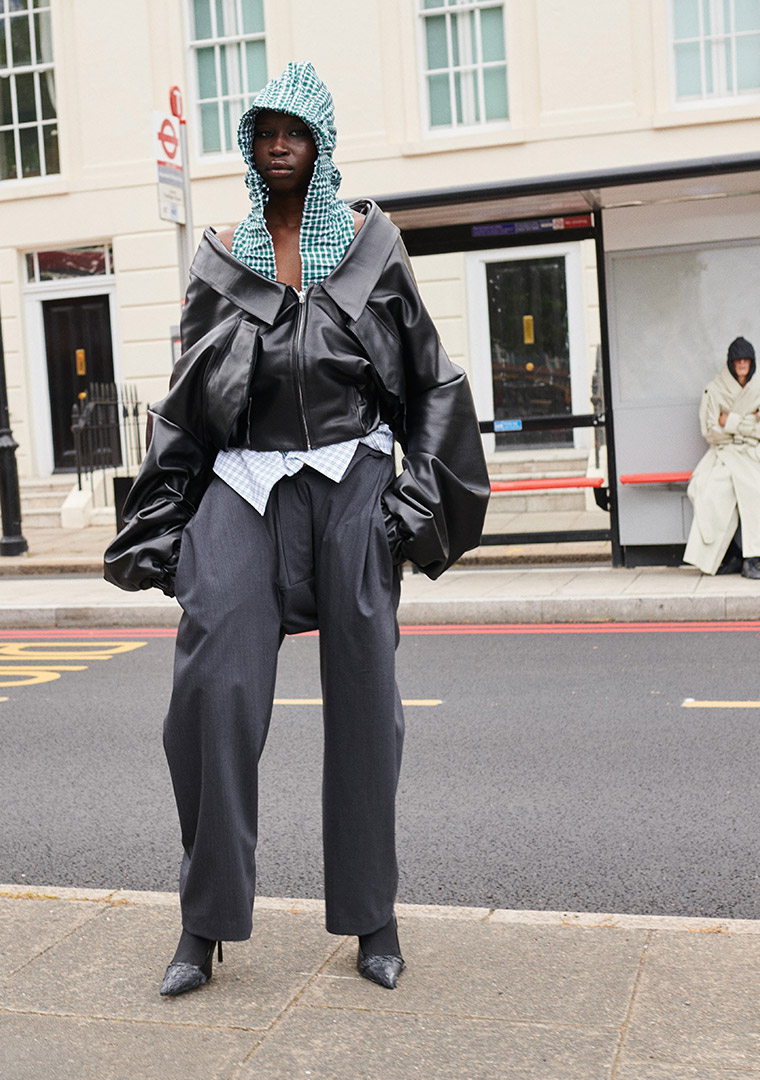
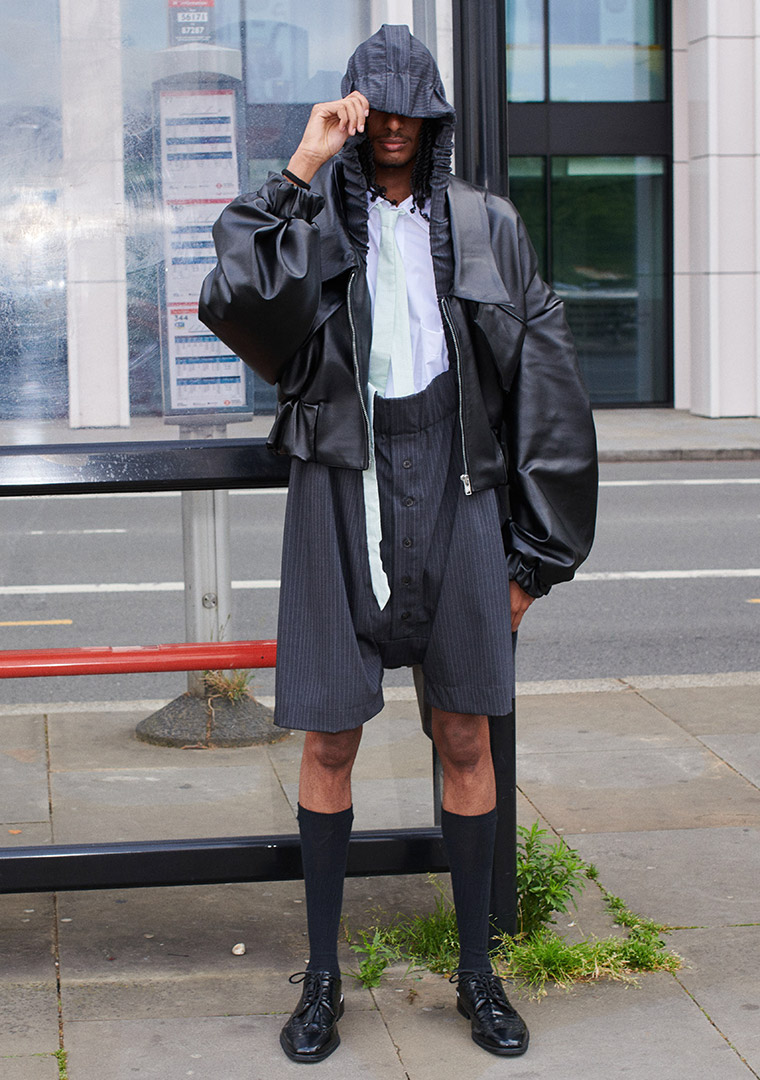
Among the emerging names at Pitti Uomo, William Palmer stood out for his irreverent yet refined take on contemporary menswear. Rooted in a distinctly British sensibility, the London-based designer reinterprets everyday suburban life through clean silhouettes infused with playful humor.
Drawing inspiration from 1990s and early-2000s menswear, Palmer transforms familiar garments with subtle exaggerations, unexpected proportions, and witty details, using irony to subtly critique consumerism and capitalist culture. The result is a wardrobe that feels instantly recognizable yet quietly subversive, challenging the conventions of classic menswear while turning everyday clothing into sharp social commentary.
Sunflower
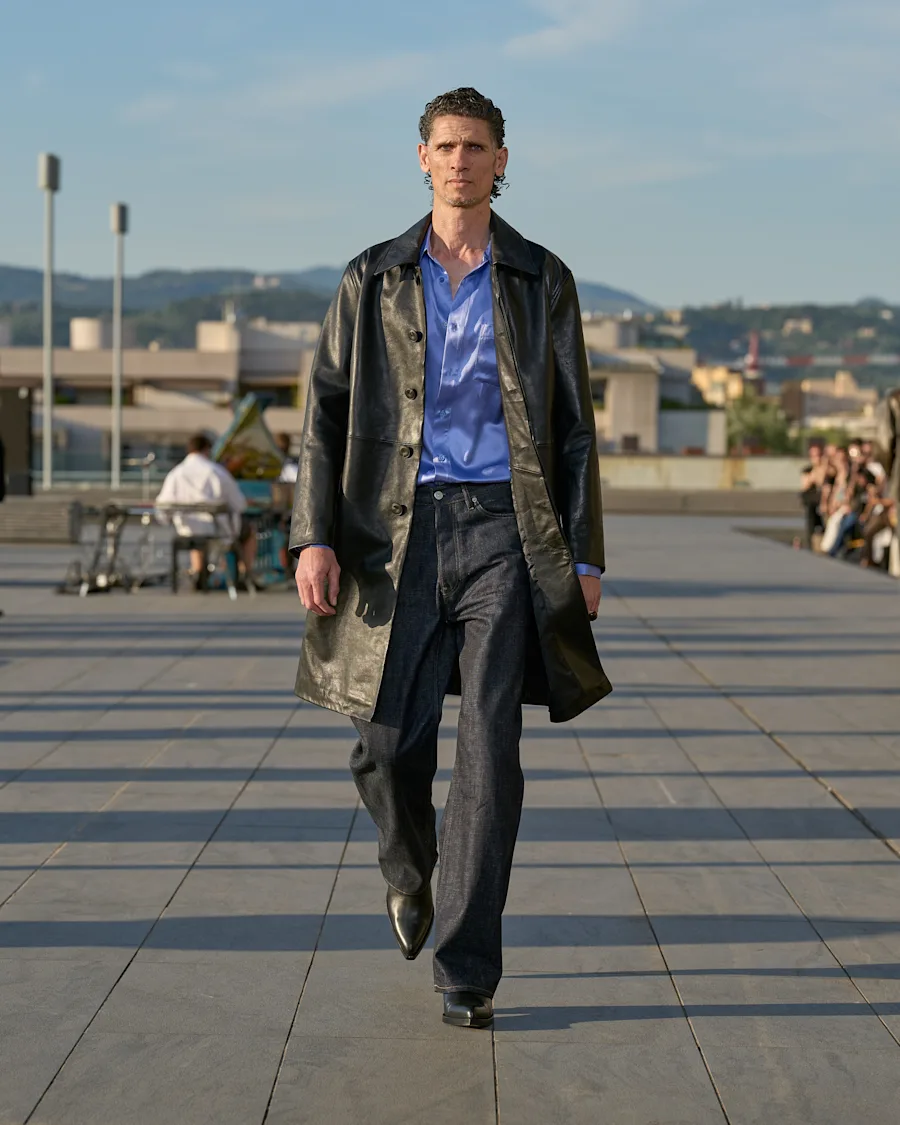
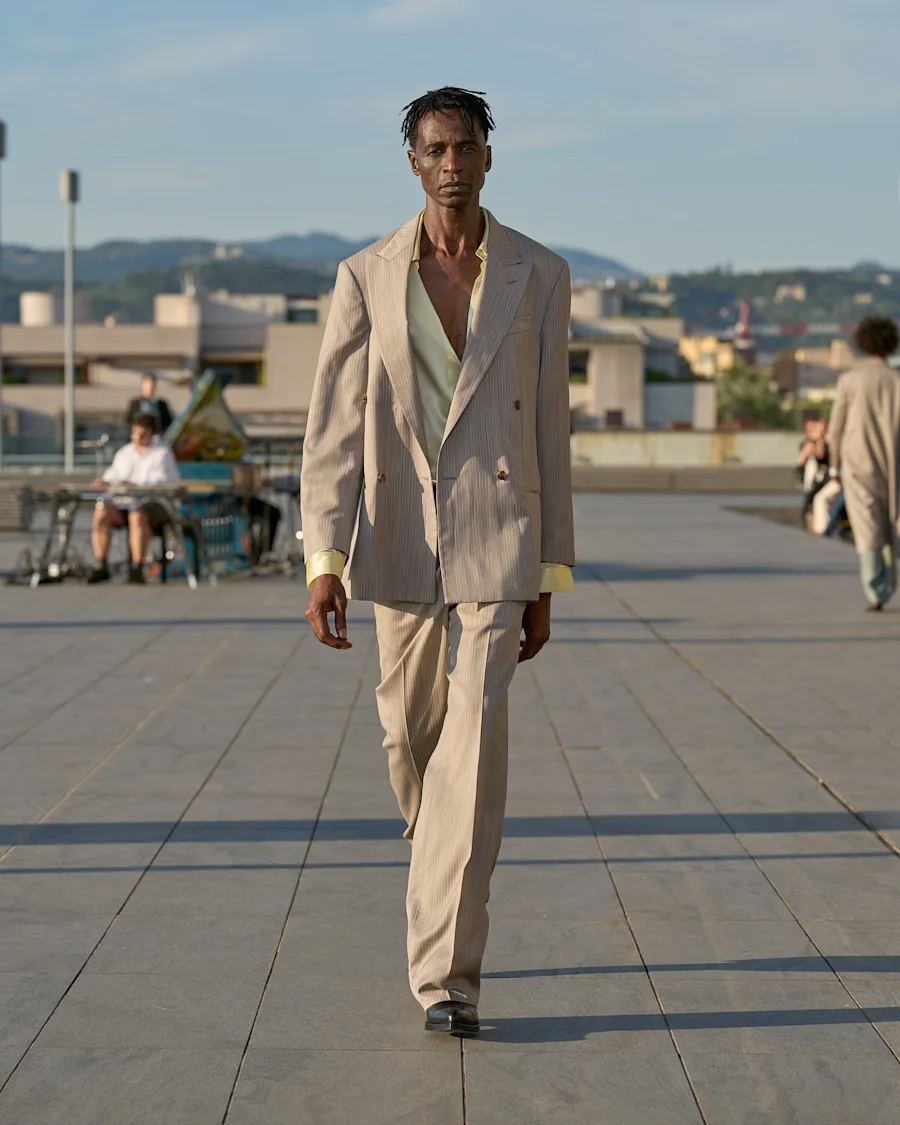
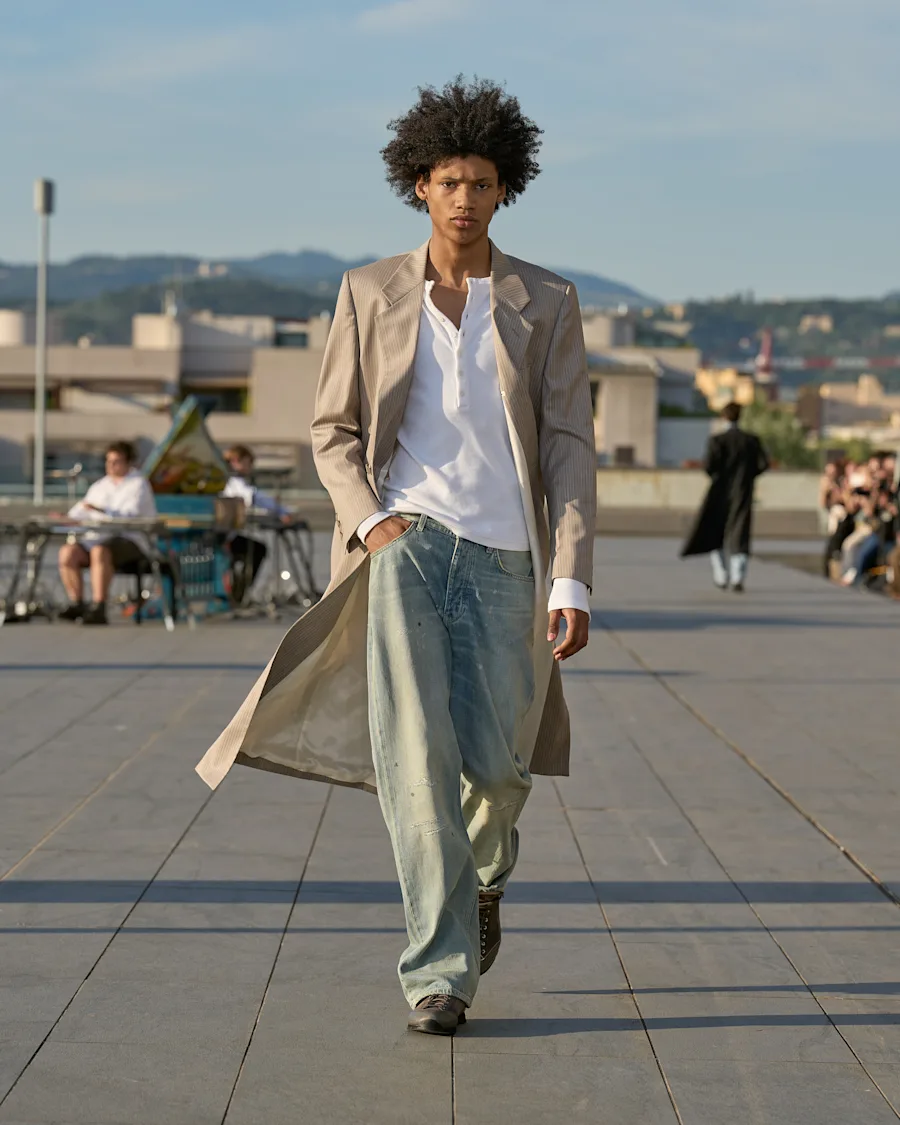
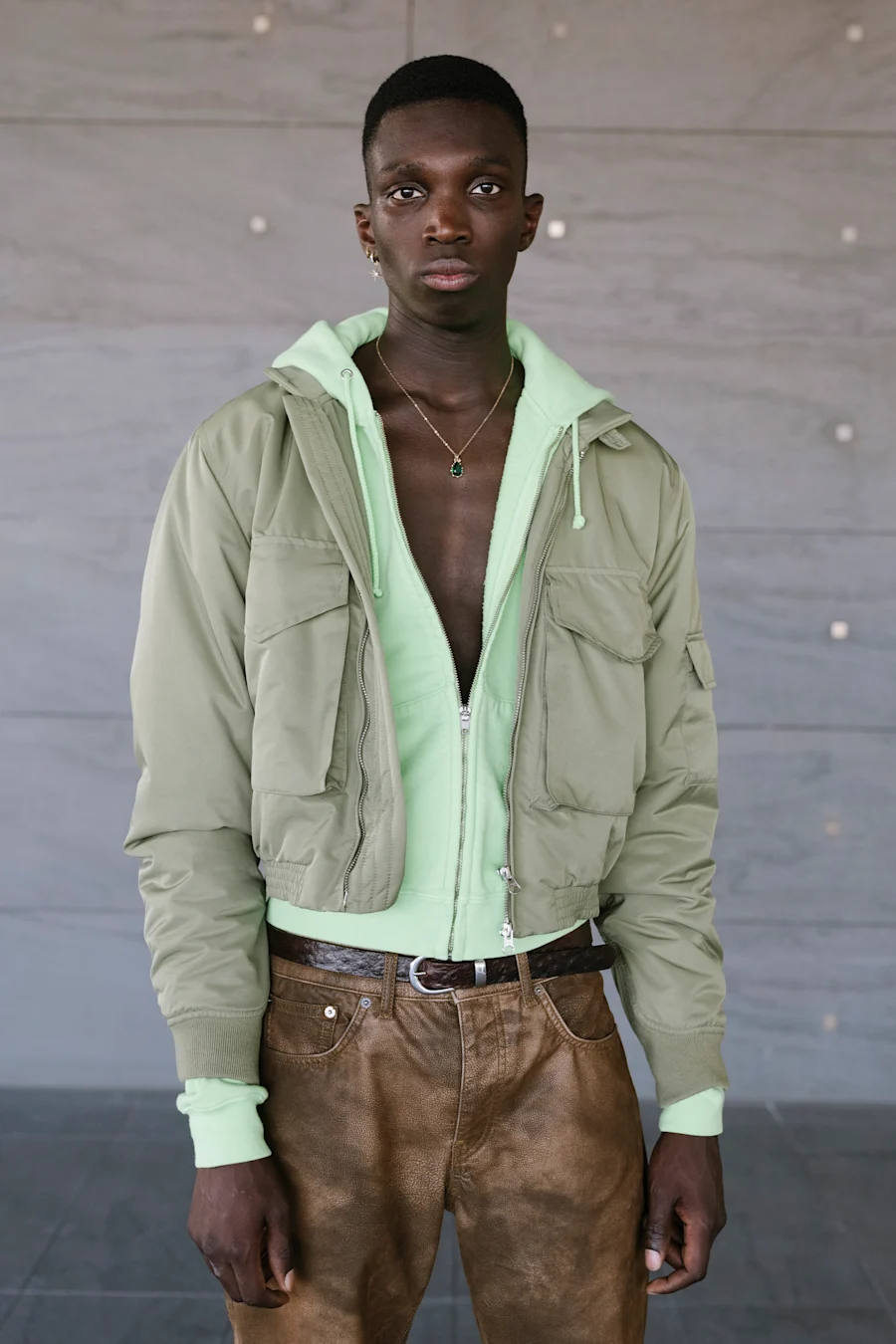
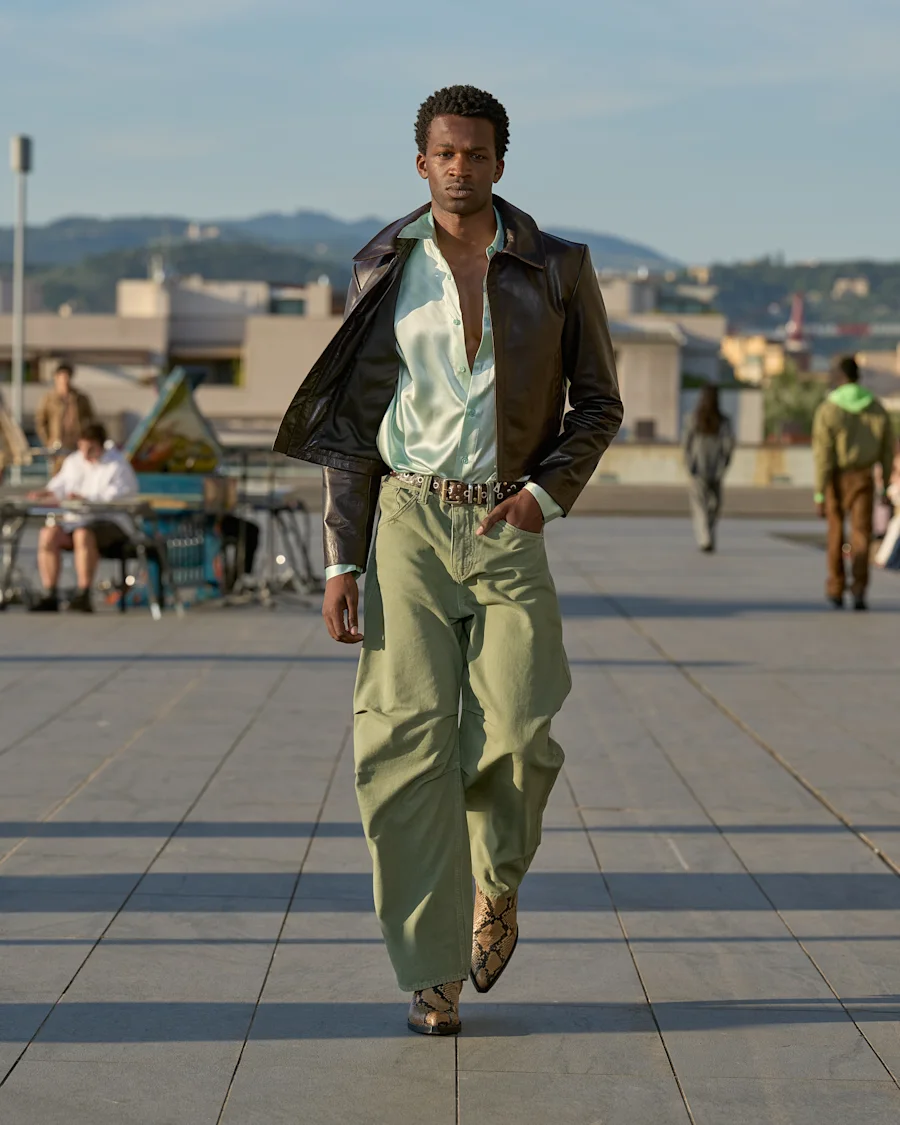
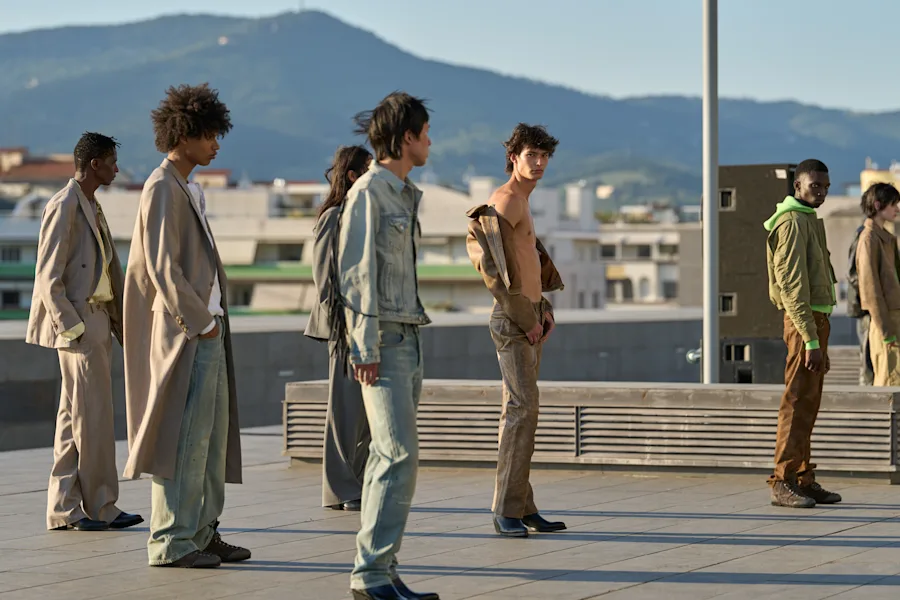
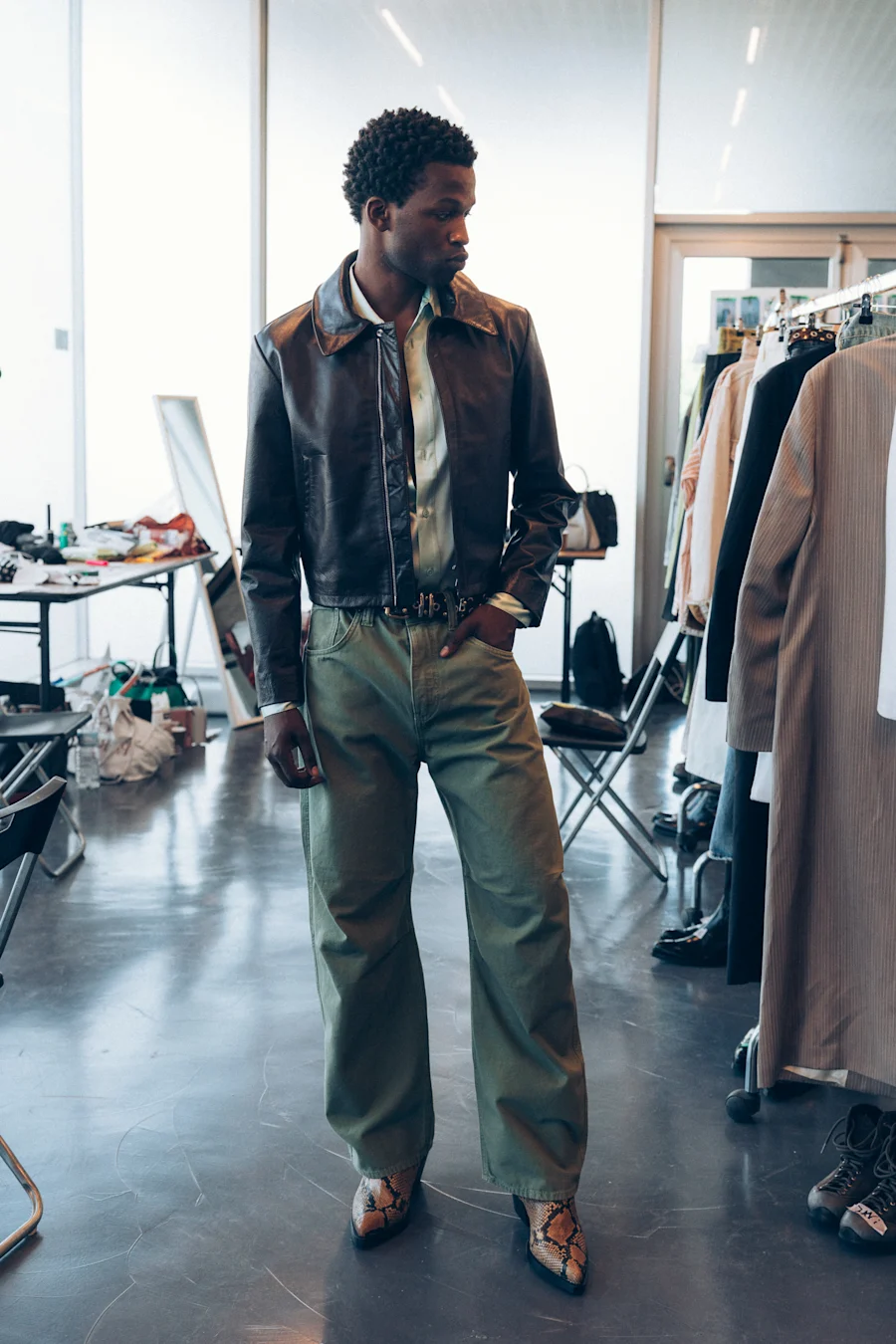
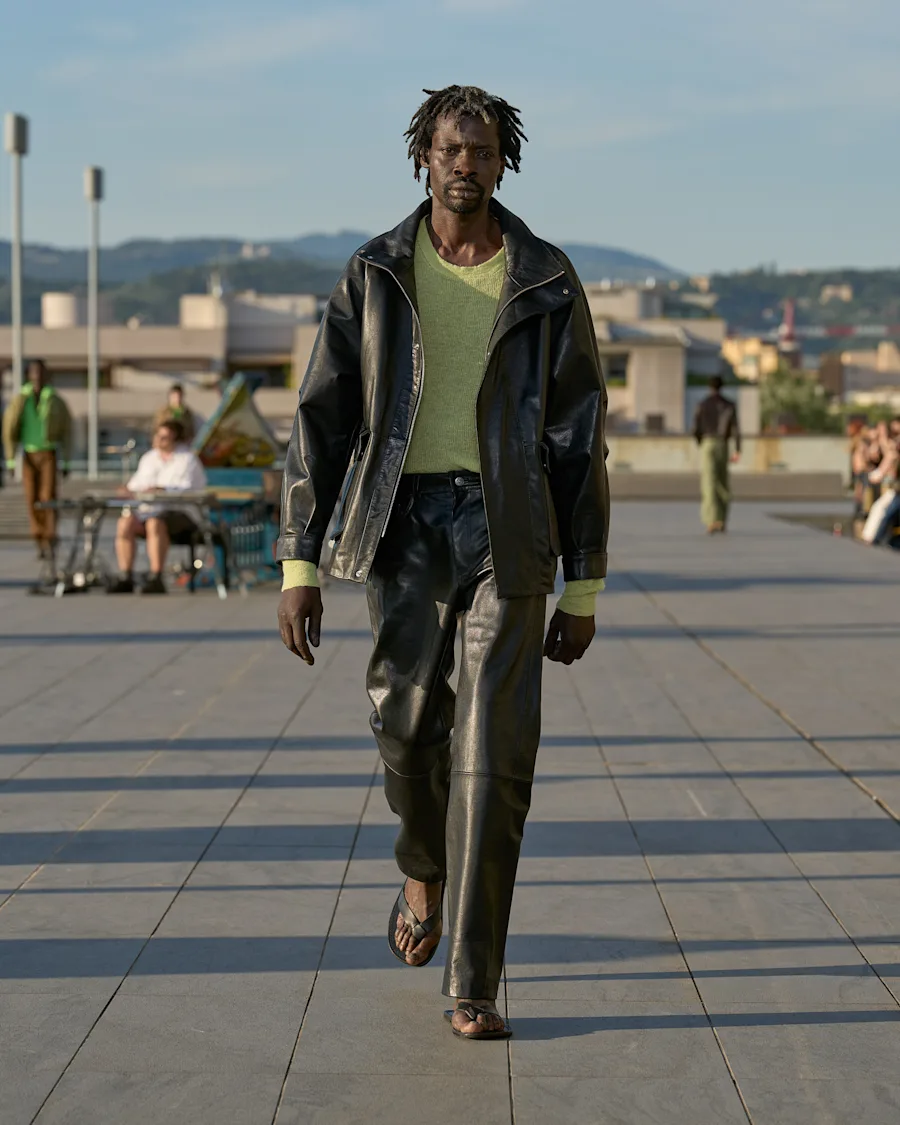
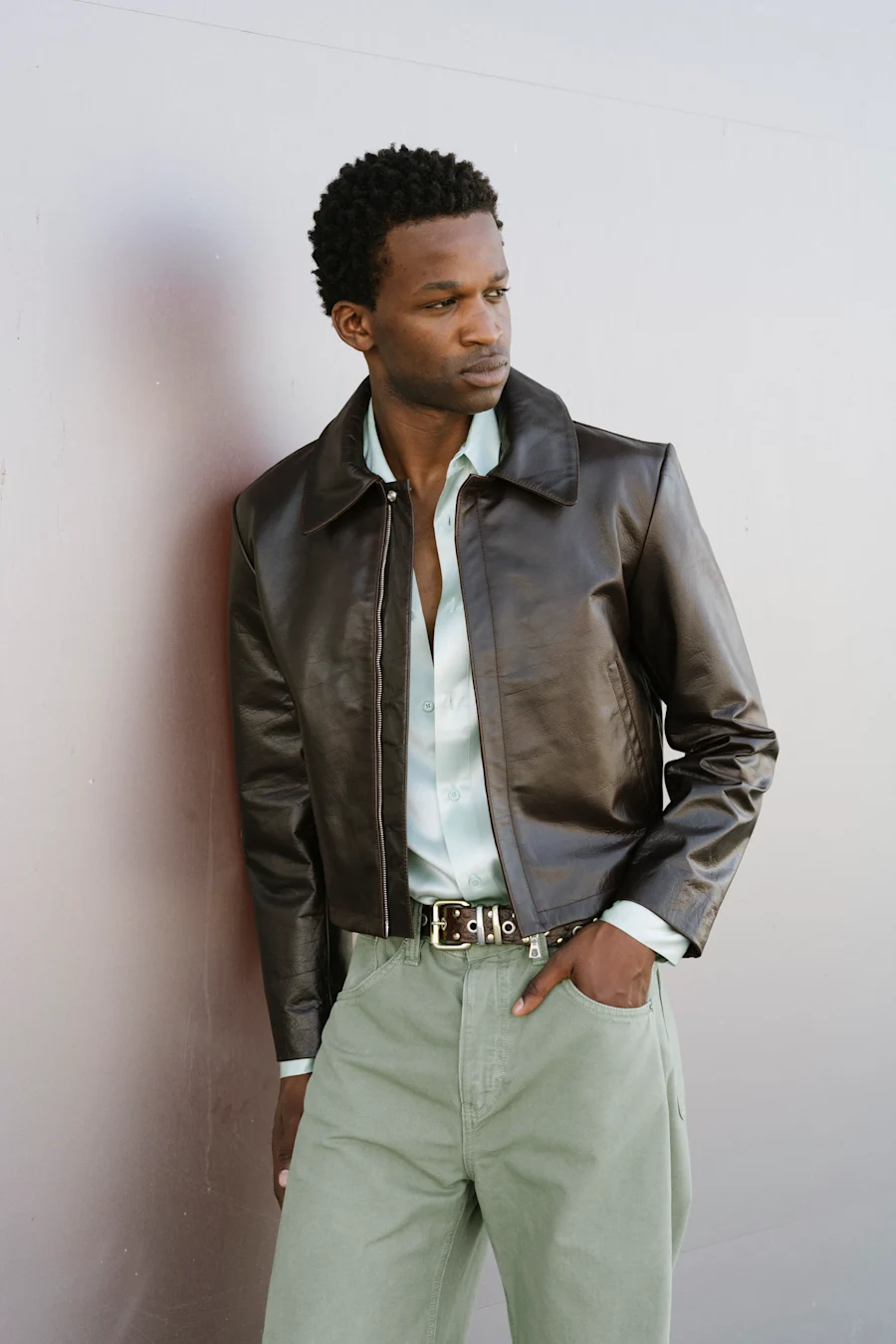
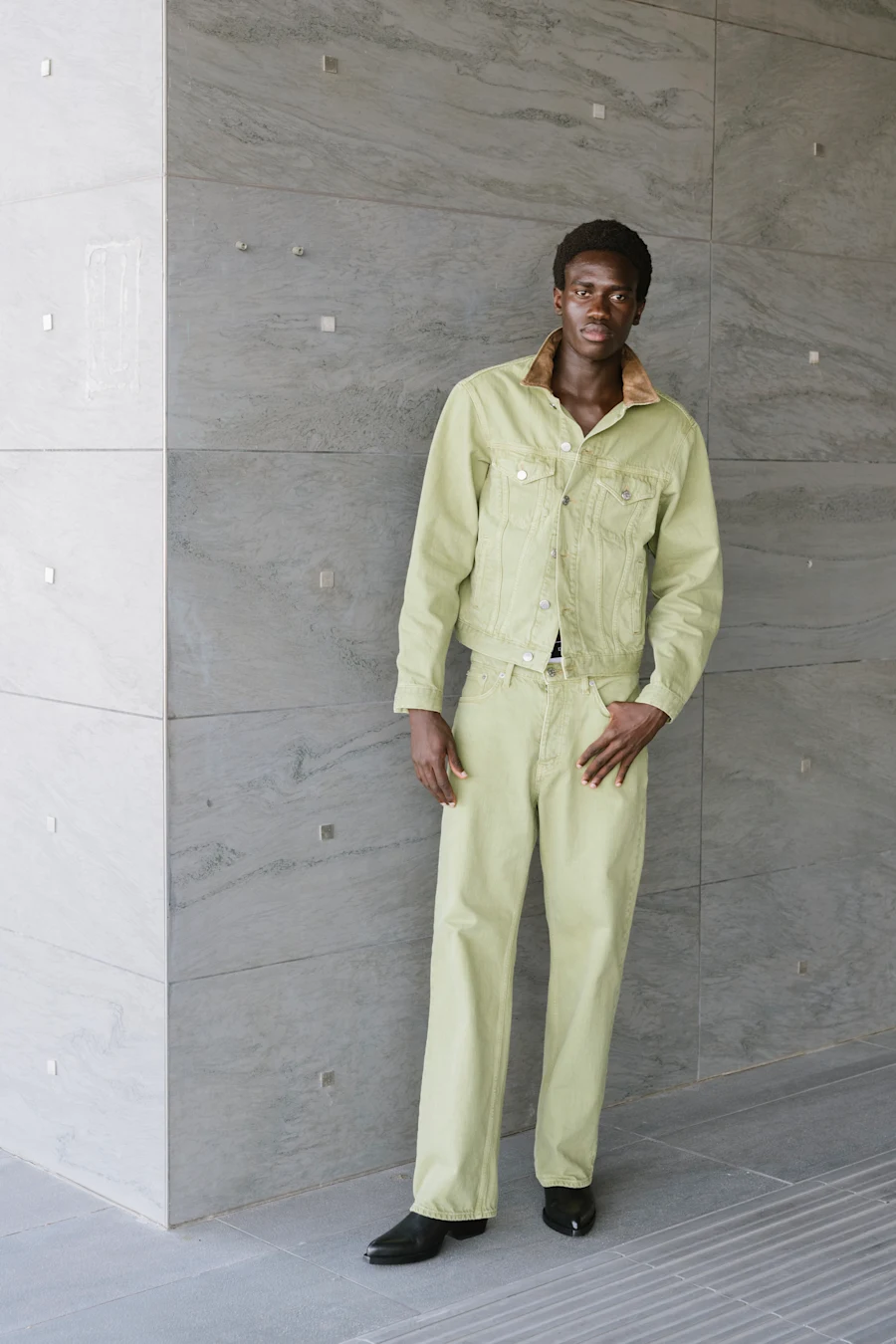
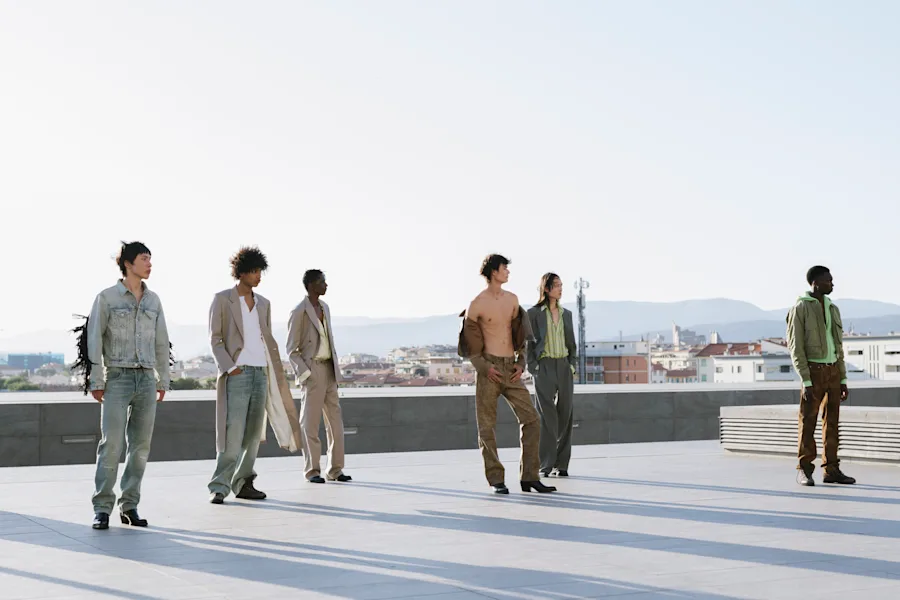
In collaboration with Copenhagen Fashion Week, Copenhagen-based label Sunflower staged a special runway presentation in Florence. Built around elevated essentials, including denim, tailoring, knitwear, leather goods, and everyday wardrobe staples, the brand has become known for its understated design language, strong identity, and commitment to creating garments that improve with age.
Its Spring/Summer 2027 collection, No Soundtrack, featured elongated 1990s-inspired tailoring, military-influenced leather parkas, full-length coats, and fluid silk pieces. The season also marked Sunflower’s footwear debut, introducing pointed cowboy boots crafted in Italy in polished black leather and python finishes, further expanding the brand’s understated yet distinctive universe.
At Pitti Uomo 110, these designers demonstrated that the future of menswear is no longer defined by a single aesthetic. Instead, it thrives on diversity, where tailoring meets experimentation, tradition embraces innovation, and clothing becomes a vehicle for cultural reflection.