

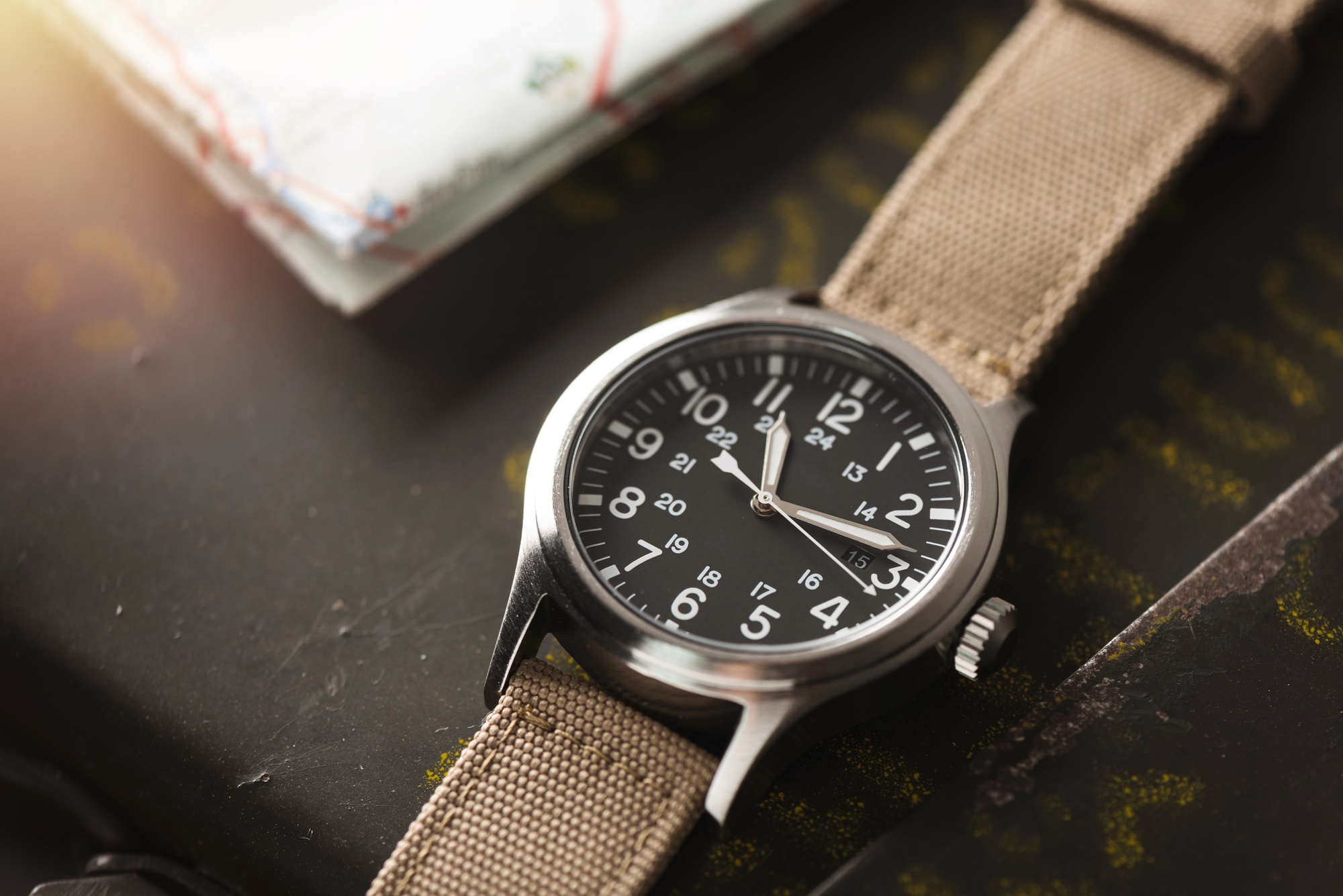
A mechanical watch is both a precision instrument and a personal accessory, so buying one involves more than picking a design you happen to like. Many people researching well-known examples of mechanical timepieces, including rolex watches, would do well to evaluate construction, service requirements, authenticity, and warranty terms rather than leaning on brand recognition alone. This article covers general decision-making principles that apply across brands and price points, helping readers judge quality, suitability, and long-term ownership costs before committing to a purchase.
What Makes a Mechanical Watch Different?
How the movement works
A mechanical movement relies on a mainspring that stores energy, a barrel that releases it gradually, and a gear train that carries that power through the watch. The escapement and regulator control how that energy is released in measured intervals, which is what keeps the hands moving at a steady pace. Manual-winding movements need the wearer to turn the crown periodically, while automatic movements rely on a rotor that winds the mainspring using wrist motion. Quartz movements work differently altogether, using a battery and an oscillating crystal, and they generally deliver more consistent accuracy with far less mechanical complexity. Mechanical watches ask for more routine attention in comparison, and the more intricate the movement, the more involved (and costly) servicing tends to become.
Accuracy and performance expectations
Mechanical watches typically come with a stated accuracy range rather than a promise of perfect timekeeping. Manufacturer specifications reflect controlled testing conditions, while independent testing and everyday performance can vary depending on wear patterns, temperature, and the watch’s position. Certification processes, where they exist, test specific criteria under set conditions—they’re not a blanket guarantee of long-term quality or performance.
Power reserve refers to how long a fully wound watch will keep running before it stops. Beat rate describes how many times the escapement oscillates per hour, which affects both the smoothness of the sweeping motion and potential accuracy. Regulation is the adjustment process used to fine-tune timekeeping, and positional variation describes how accuracy can shift depending on whether the watch is lying flat, worn on the wrist, or left in a different orientation overnight.
How to Evaluate a Mechanical Watch Before Buying
Match the watch to its intended use
Think about how the watch will actually be worn—daily use, formal occasions, travel, or outdoor activity all place different demands on it. Case size, weight, legibility, and strap comfort all factor into how wearable it is in practice. Water resistance should be treated as a measured capability specific to that particular watch, not a general invitation to swim or dive without checking first.
Examine construction and materials
Case and crystal materials vary quite a bit. Sapphire crystal holds up better against scratches than mineral glass, while acrylic is more resistant to shattering but scratches more easily. Bracelet adjustability, clasp security, crown design, and overall finishing quality all shape long-term comfort and durability. Fit, readability, and serviceability matter more than decorative features when you’re weighing long-term satisfaction.
Review the movement and service requirements
Before buying, ask what movement powers the watch, how long its power reserve lasts, whether servicing is available nearby, whether replacement parts are easy to source, and what maintenance interval the manufacturer recommends. A simpler movement is often easier—and cheaper—to maintain over the years.
Understanding Authenticity, Condition, and Documentation
New, pre-owned, and vintage considerations
New watches come with manufacturer warranties, but at full retail cost. Pre-owned watches can offer real value, though they demand closer scrutiny of condition and service history. Vintage pieces bring their own character but may involve replaced parts, prior polishing, or aged components that affect how they function and what they’re worth. Photographs alone may not reveal moisture damage, excessive wear, or movement problems lurking beneath the surface.
Documents and seller transparency
Buyers should look over itemized descriptions, serial or reference information where relevant, service records, warranty terms, return policies, and clear photographs of the actual item being sold. Documentation does not guarantee authenticity, and paperwork should support a professional inspection rather than substitute for one. For expensive or complicated purchases, an independent appraisal or a watchmaker’s assessment is a reasonable safeguard. Vague descriptions, pressure to buy quickly, or unclear provenance are warning signs worth taking seriously.
Ownership Costs Beyond the Purchase Price
Recurring costs can include routine servicing, repairs, strap or bracelet replacement, water-resistance testing, and insurance or secure storage. How often servicing is needed depends on the movement type, usage patterns, age, and manufacturer guidance. Always request a written estimate before authorizing any repair work. The lowest purchase price doesn’t necessarily translate to the lowest total cost of ownership.
Total Cost Checklist: purchase price, periodic servicing, insurance or storage, strap/bracelet upkeep, and potential unplanned repairs.
Practical Care for a Mechanical Watch
Everyday handling
Keep the crown secured as instructed, steer clear of magnets, chemicals, cosmetics, shocks, and extreme temperature swings, and take the watch off during high-impact activities. Clean surfaces with a soft, dry cloth, and avoid submerging the watch unless its water resistance has been professionally confirmed.
Water and moisture precautions
Water resistance can decline as gaskets age, so a rating should never be treated as permanent. Water resistance is not permanent, and anyone planning to expose their watch to water regularly should have it professionally tested first. Fogging or condensation under the crystal calls for prompt servicing.
Winding and storage
Follow the movement’s winding instructions, and stop immediately if you feel unusual resistance. Store watches somewhere clean and dry, away from magnetic sources and direct sunlight. Winders are optional accessories, and only useful when they’re compatible with the specific movement in question.
Consider a reader who wears a mechanical watch daily for office use but switches to a quartz watch for hiking or swimming, storing the mechanical piece safely during those periods—a practical balance between enjoyment and protection.
When Professional Servicing Is Necessary
Watch for warning signs like noticeable accuracy changes, reduced power reserve, difficulty winding, unusual sounds, crown stiffness, moisture under the crystal, or a loose bracelet. Servicing can range from a simple cleaning and regulation to partial repair, a complete overhaul, or water-resistance testing. Specialized parts or warranty-covered repairs generally call for a qualified watchmaker or authorized provider, and you should always request documentation of any completed work. Recognized horology organizations and manufacturer care guidance remain useful references for understanding appropriate maintenance intervals.
Common Mistakes to Avoid
- Buying solely because of brand reputation
- Confusing water resistance with waterproofing
- Ignoring service history
- Wearing a mechanical watch during high-impact activities
- Cleaning it with household chemicals
- Assuming a stopped watch is automatically damaged
- Skipping independent inspection for a costly pre-owned purchase
- Treating online reviews as a substitute for technical documentation
A Practical Decision Framework
- Define how and where the watch will be used
- Choose the movement type that suits the desired maintenance level
- Assess fit, legibility, materials, and comfort
- Verify condition, documentation, warranty, and return terms
- Estimate long-term service and ownership costs
- Arrange professional inspection when the financial risk is significant
Key Takeaway: The best choice is the watch whose design, movement, maintenance needs, and ownership costs align with the buyer’s actual habits—not the one with the most recognizable name.
Final Perspective: Choosing for Long-Term Fit
Informed mechanical-watch ownership comes down to realistic expectations paired with consistent care. Understanding the movement, verifying condition, accounting for service needs, protecting the watch from avoidable damage, and turning to qualified professionals when necessary—together, these form a sound approach to ownership. Ultimately, readers should choose a watch based on suitability, transparency, and long-term maintainability, not status, urgency, or marketing claims.