

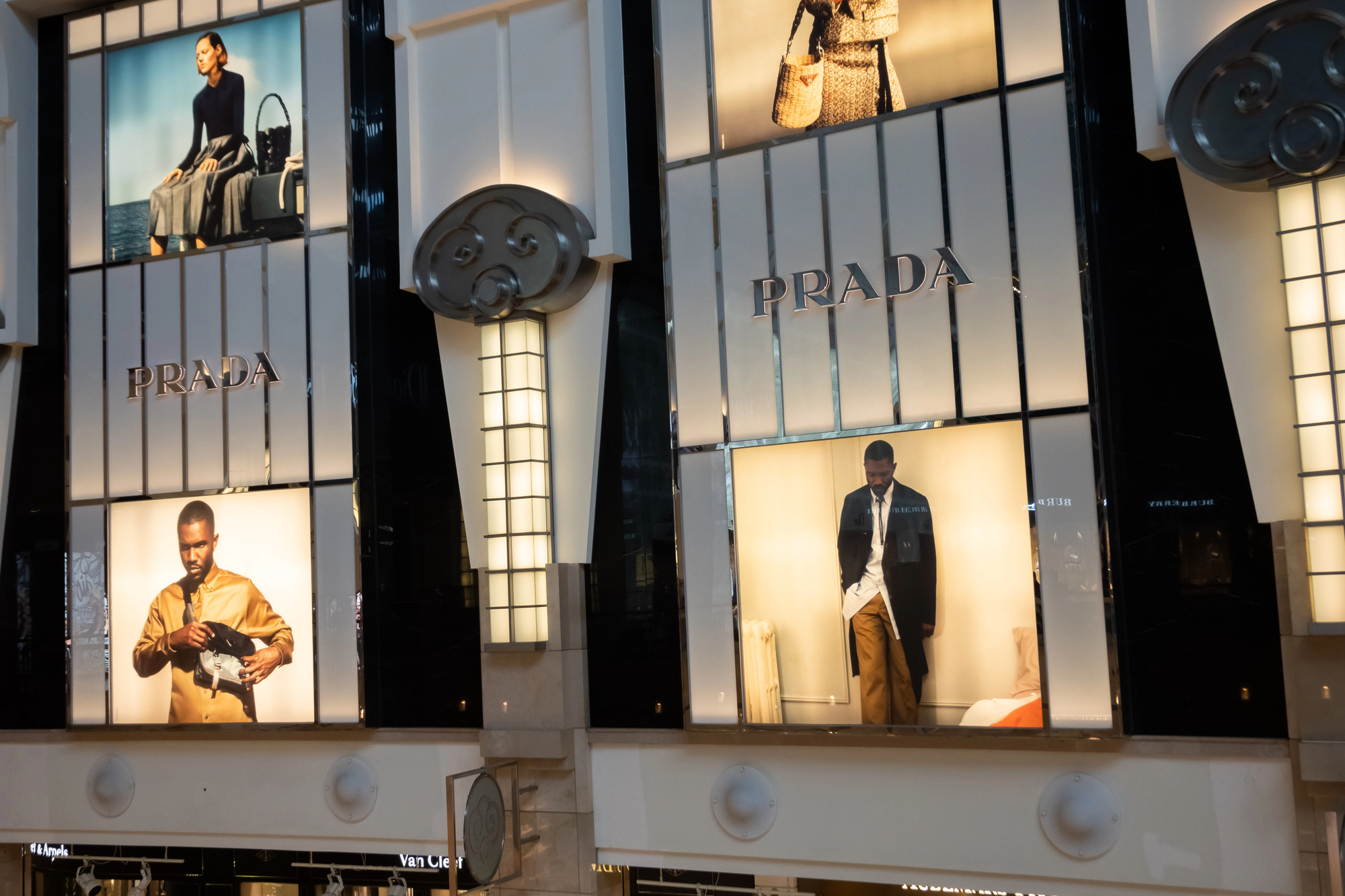
Luxury has long had a grip on the middle class. A designer bag, a nice watch, or an expensive pair of shoes can feel like a well-deserved reward. Sometimes, you just want to enjoy your money and have something nice to show for it.
But with the rising cost of living, liking something doesn’t mean you’re willing to pay whatever price tag is attached to it. How much are you willing to spend on a luxury item when you have competing financial priorities?
Often, you buy a piece because it’s well-made, fits your personal style, and makes you feel good wearing it. That alone can make spending extra worthwhile. But when paying top-tier prices, you expect to get your money’s worth. How much of that price tag reflects actual quality, and how much are you paying strictly for the name?
In March 2024, The Wall Street Journal reported that Chanel’s classic medium flap bag reached $10,200—up from approximately $5,800 in 2019. That is a $4,400 increase for the exact same item in just five years.
A price jump that steep changes consumer expectations. Has the quality doubled? Will it last twice as long? What added value are you receiving now that you weren’t getting before? When asked to spend significantly more, it is only fair to ask those questions.
According to AP’s reporting on Bain’s 2025 research, a growing number of shoppers are turning toward more affordable brands because they question the true value luxury fashion house prices currently offer.
Then there’s the daily reality of current living costs. By the time you pay rent or a mortgage, buy groceries, and cover monthly bills, there may not be much left over to treat yourself. Buying designer gear naturally drops on the priority list when basic needs take center stage. Before declaring that the middle class is simply losing interest in luxury, we have to consider whether they even have the financial room for it anymore.
As a result, savvy shoppers are finding alternative ways to access luxury for less. Bain estimated that secondhand luxury sales reached €50 billion in 2025, expanding at a faster rate than new luxury goods. Buying less or shopping resale doesn’t mean luxury has completely lost its allure—it simply means consumers want the price tag to make logical sense.
That shift leaves luxury brands at a critical crossroad. How do they retain the aspirational customer who buys one key piece a year and looks forward to that milestone purchase? If prices continue to outpace their budget, brand loyalty won’t be enough. Are fashion houses willing to give that customer a reason to keep saving, or are they content abandoning them to focus exclusively on high-net-worth buyers?
Luxury may not have lost its grip entirely, but the landscape has undeniably shifted. People still want quality goods, but they are scrutinizing every dollar spent.
The question now becomes: Are luxury brands offering something that is actually worth making room for?