

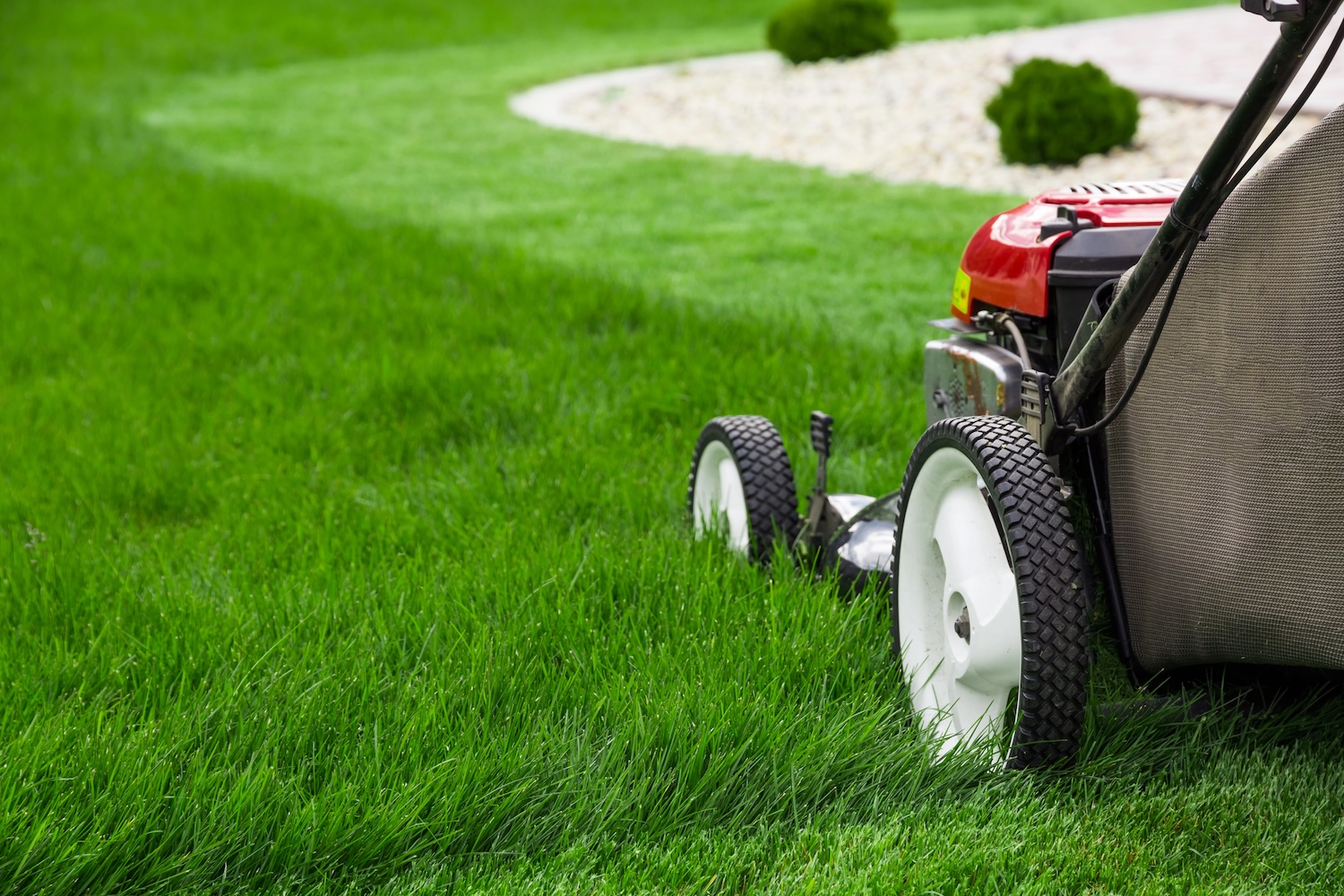
A lawn can lose its vigor before the problem becomes visible. Grass may thin in certain areas, weeds can start taking over, and water may stop soaking into the soil properly. Applying more fertilizer or regular watering may seem like the right thing to do, but these measures can actually exacerbate the problem when the real issue is with the soil, the roots, or the mowing schedule.
Good turf management begins with knowing what the grass needs and when to supply it. Soil testing, watering efficiently, mowing properly, aerating, and controlling weeds in a timely manner all have a part to play. When combined, these methods can promote healthier turf while minimizing water waste, lawn stress, and the need for superfluous treatments.
Here are the five best environmental practices you can apply to your turf.
Test the Soil Before Applying Fertilizer
Fertilizer recommendations should be based on what the soil needs, not just lawn appearance. Without testing, you can apply too much fertilizer and still have a deficiency. This is why soil testing is a very important aspect of environmental turf management at your home.
A soil test identifies the nutrient status and soil pH. Nitrogen, phosphorus, and potassium promote different stages of plant development, and soil pH influences nutrient availability. This knowledge can determine the best treatment to use and prevent unnecessary applications.
The fertilizer should also be appropriate for the type of grass and time of year. Heavy feeding during warm, hot, or dry weather periods can stress the turf further and promote runoff. Slow-release formulas can provide a slow drip of nutrients, allowing more even growth.
Testing also provides a convenient means to track soil condition. Instead of grabbing at every change in grass color as a cue to fertilize, treat the lawn based on what the soil actually needs.
Water Deeply and Efficiently
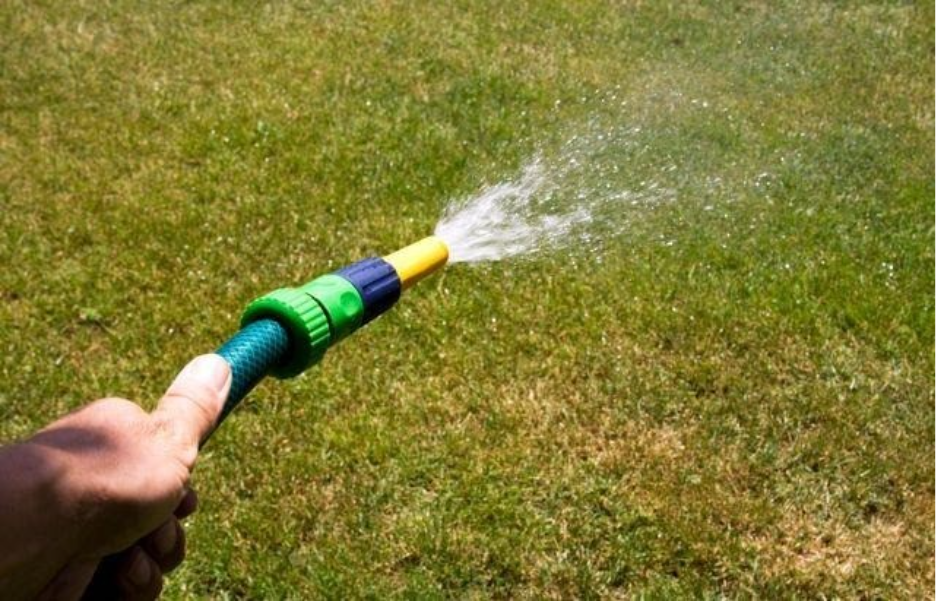
Watering every day does not guarantee healthy grass. Short, frequent watering can keep the upper soil damp while leaving deeper areas dry. This can encourage shallow roots and leave turf more vulnerable during hot weather.
Deep watering allows moisture to move further into the root zone. The right frequency depends on the grass, soil, rainfall, and weather, so irrigation should be adjusted as conditions change.
Early morning is usually a suitable time to water because cooler temperatures help reduce evaporation. The grass also has enough time to dry during the day. Watering during the hottest part of the afternoon can result in greater moisture loss before it reaches the roots.
Systems should also be monitored for efficiency. Broken sprinkler heads, blocked nozzles, and uneven coverage can waste water while leaving certain areas of the lawn too dry. You should take into account natural rainfall before running the irrigation system again.
Follow Proper Mowing Practices
Mowing has an impact on the ability of turf to withstand heat, stress, and drought. Cutting turf too short removes too much leaf material and leaves more soil exposed. This can increase moisture loss and create conditions that allow weeds to establish.
The correct mowing height depends on the grass species. Bermuda and Zoysia, for example, have specific mowing requirements during their growing periods. Following species-specific recommendations helps maintain a dense lawn without placing unnecessary stress on the grass.
Mower maintenance matters, too. Dull blades rip the grass rather than cutting it, tearing the edges of the blades and making the grass appear discolored. A sharp blade also provides a cleaner finish and helps reduce unnecessary wear and tear.
Grass clippings can typically be left on the lawn when they are short and well-distributed. They give back some nutrients to the soil as they rot. However, thick piles of wet clippings should be redistributed or removed to avoid blocking sunlight and restricting airflow.
Aerate Compacted Soil
Compacted soil can restrict the movement of air and water around grass roots. Repeated foot traffic, equipment, and other pressure can gradually make soil dense enough to interfere with drainage and root development. When this happens, water may run across the surface rather than penetrating the soil.
Core aeration helps address this problem by removing small plugs of soil from the lawn. These openings allow air, water, and nutrients to move more freely into the root zone. Aeration can also reduce surface runoff and create better conditions for healthy root growth.
Timing is important for the grass species and its growing cycle. Aeration generally gives turf a better chance to recover when it is actively growing. High traffic areas such as walkways, play areas, and entrances often need more attention because they become compacted faster.
Aeration can also help when you are overseeding. The openings provide better contact between seed and soil, which can support new grass establishment.
Control Weeds and Adjust Care Seasonally
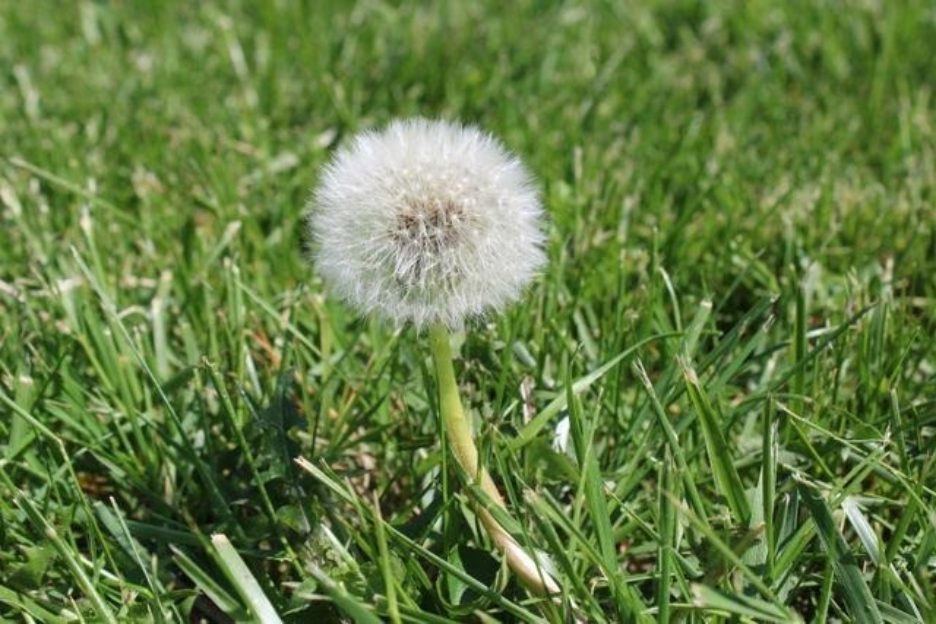
Weeds compete with turf for water, nutrients, sunlight, and space. A healthy, dense stand of grass provides less room for weeds to get established.
Pre-emergent treatments can prevent certain weeds from growing, and post-emergent treatments can control weeds that are already growing. With both methods, timing is important, as is using a treatment tailored to the weed, grass, and conditions.
Lawn care also varies with the seasons. Warm-season grasses like Bermuda and Zoysia slow down and go dormant in the colder months. Their mowing, watering, and fertilization requirements are different than when they are actively growing.
Fall is a good time to get turf ready for winter, and depending on the grass and local conditions, some winter weeds may also need to be treated.
As the weather warms, mowing, irrigation, fertilization, and weed control can slowly increase as the grass starts growing more vigorously again. Monitoring changes in color, growth, soil moisture, and weed activity helps in identifying when adjustments are needed.
Effective turf management comes down to making informed decisions about soil, water, mowing, aeration, and weed control. Each practice addresses a different part of lawn health, but they work best when used together.
A lawn does not always need more treatment when a problem appears. Often, it needs a closer look at what caused the problem in the first place. Matching care to grass type, soil condition, weather, and season keeps maintenance more practical and a healthy turf year-round.
Photo Credit: DepositPhotos.com