

Texas State Representative James Talarico isn’t holding back following Texas’s newly enforced ban on hemp-derived THC products. In an interview on The Breakfast Club, Talarico called out state politicians and corporate lobbyists, arguing that the recent crackdown on popular products like Delta-8 is a direct result of political corruption designed to protect corporate profits.
“THC is now virtually banned in Texas. Big Beer and Big Tobacco bought politicians to ban Delta-8 — because it’s a threat to their profits. That is corruption,” Talarico posted on X with a clip from his interview.
During his sit-down on The Breakfast Club, Talarico explained that the driving force behind the ban isn’t public safety, but rather the financial interests of legacy industries.
THC is now virtually banned in Texas.
— James Talarico (@jamestalarico) August 7, 2026
Big Beer and Big Tobacco bought politicians to ban Delta-8 — because it's a threat to their profits.
That is corruption. pic.twitter.com/LyrJbzjFAr
“Think about what industries are most worried about THC products being readily available: Big Beer, Big Tobacco, right?” Talarico said. “They were the ones pushing this THC ban because it hurts their bottom line. A lot of THC and cannabis products are safer and less addictive than beer or tobacco. To me, this is a prime example of what corruption looks like when you’ve got big industries buying politicians and pushing bills that harm people but benefit them financially.”
Talarico shared that millions of everyday Texans, including young adults, seniors, and military veterans dealing with PTSD, rely on consumable THC products for daily relief and relaxation. Restricting safe, regulated access, he argued, only makes life harder for people who are already struggling to get by.
Beyond corporate influence, Talarico warned that banning legal hemp-derived THC will have severe consequences for public safety and local economies.
Texas originally legalized consumable hemp, paving the way for a booming statewide industry made up of local, small business owners. Talarico pointed out that prohibition won’t eliminate consumer demand; it will simply force it underground.
“This ban is a gift to the drug cartels, because Texans are going to keep smoking weed and eating edibles. They’re not going to stop because some politicians told them to,” Talarico warned. “Instead of supporting a local small business, they’re going to go get it on the black market where they don’t know what they’re getting, what they’re smoking, or what’s in it.”
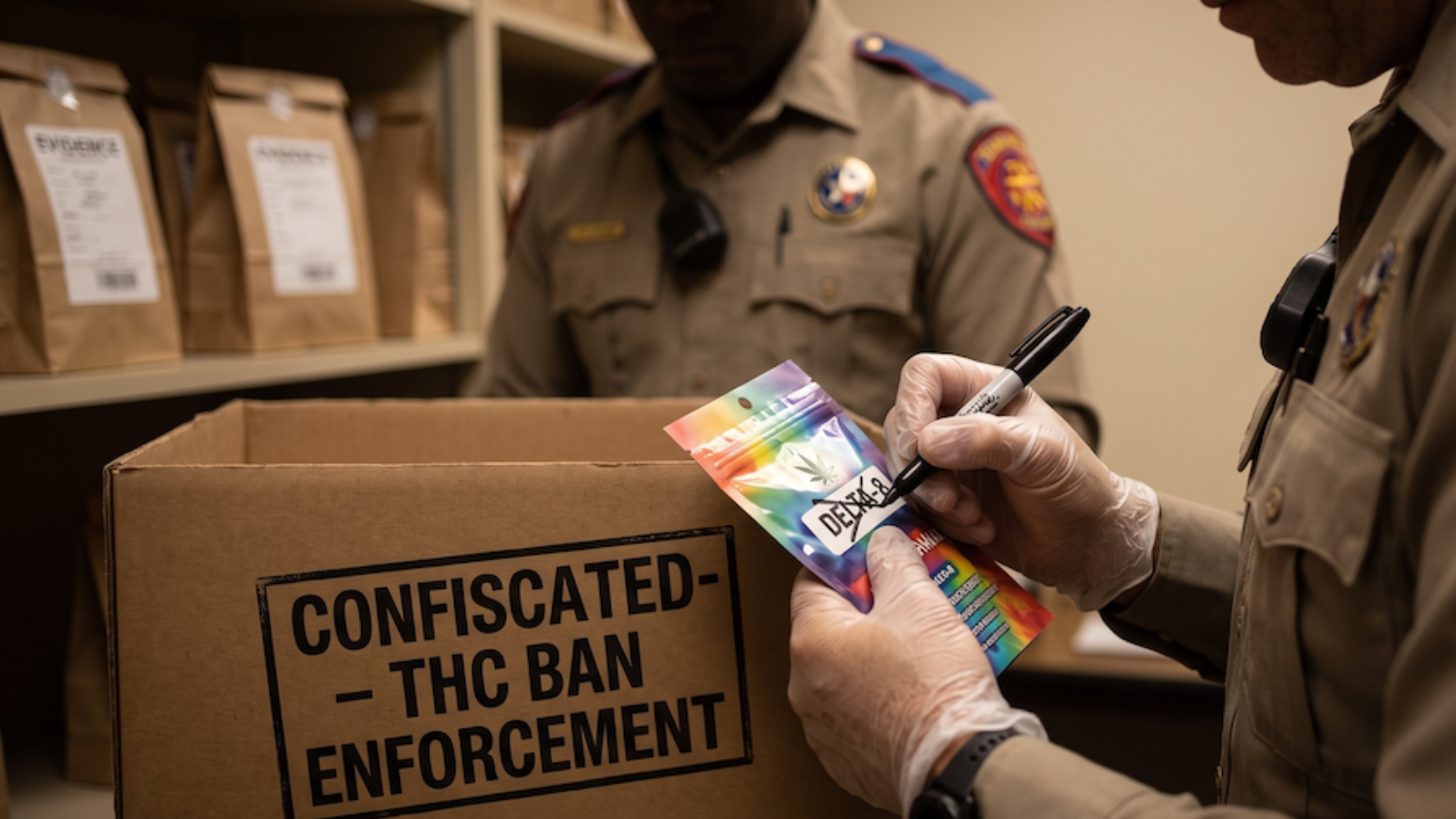
Recently, Texas banned the sale and possession of manufactured hemp-derived cannabinoids, including Delta-8, Delta-10, THCP, and other non-Delta-9 isomers, classifying them as Schedule I controlled substances.
This shift did not come from a newly passed statute in the legislature, but rather from the Texas Department of State Health Services (DSHS) reinstating administrative rules first proposed in 2021. The rules had been tied up in court for years until the Texas Supreme Court ruled in favor of the state, dissolving injunctions that previously protected local retailers.
Under the updated rules, Texas has banned Delta-8, Delta-10, THCP, and other synthetic or chemically converted THC isomers, with possession of these prohibited compounds now carrying potential state jail felony penalties. Meanwhile, ingestible hemp products, such as gummies, beverages, and tinctures, remain legal under state guidelines as long as they contain no more than 0.3% Delta-9 THC by dry weight.
Rather than wiping out an estimated $580 million local industry overnight, Talarico advocates for smart regulation, such as age restrictions, mandatory lab testing, and keeping smoke shops away from schools, rather than outright prohibition.