

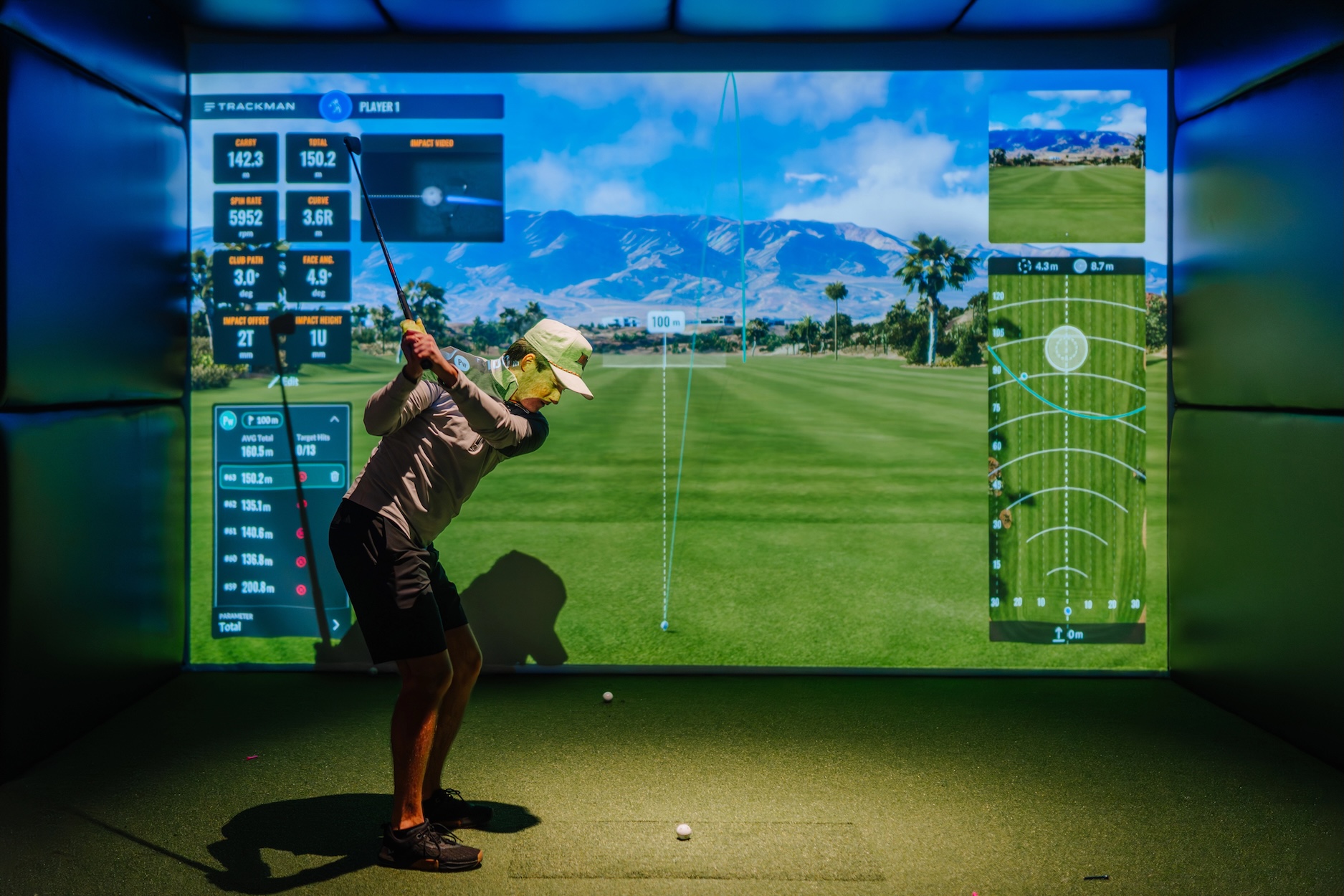
Most golfers don’t realize how much room, budget, and technical know-how a proper home simulator actually demands. The best home golf simulators sit at a tricky intersection of space constraints, sensor accuracy, and software quality, and getting any one of those wrong makes the whole setup frustrating. After reviewing dozens of systems for ceiling-height requirements, ball-speed measurement accuracy, and long-term calibration needs, this guide breaks down five standout options worth your serious attention.
How the picks were chosen
Public information drove every selection here, drawing on official product pages, verified customer reviews, and feature breakdowns from major golf equipment directories. Only options with a documented track record in sports equipment made the cut, meaning real customers, real setups, and real performance data supported each pick.
→ See the full research breakdown
- Foresight Sports – Best for professional and residential golf performance analysis
- Red Stakes Golf – Best for American-made simulator builds with proprietary tracking
- Big Horn Golfer – Best for hands-on product validation and premium golf gear retail
- LaunchPad Golf – Best for indoor golf entertainment with radar-based ball tracking
- FlightScope – Best for multi-sport professional performance tracking
Why Home Golf Simulators Are Worth the Investment
Picking the wrong home simulator stings, not just financially but practically. Limited ceiling height and room dimensions can rule out entire product categories before you even look at price tags. And when you factor in systems like the Foresight GCQuad or Trackman, the upfront cost is genuinely high (think five to six figures for top-tier setups). But the right choice pays off in ways that matter to serious golfers. Ball speed measurement accuracy tightens your feedback loop. Tracking club data parameters like spin rate, launch angle, and smash factor turns every practice session into something useful. And access to a deep course library means you’re playing, not just swinging into a net. That combination is what separates a good investment from an expensive one.
Home Golf Simulators Comparison Table
Note: All data in this table is sourced from review platforms and the official websites of the listed companies.
| Company Name | Years Operating | Team Size | Headquartered In |
| Foresight Sports | Est. 2009 | 172 | San Diego, California |
| Red Stakes Golf | N/A | N/A | Brighton, Michigan |
| Big Horn Golfer | N/A | N/A | Chicora, PA |
| LaunchPad Golf | N/A | 32 | Okotoks, Alberta, Canada |
| FlightScope | Est. 1989 | 129 | Orlando, Florida |
- Foresight Sports – Best for Professional-Grade Home Simulation

Which Services Does Foresight Sports Provide?
Foresight Sports designs and manufactures performance analysis technology built for golf, covering launch monitors, residential simulators, and performance software. Their product lineup runs from the GC2 Smart Camera System all the way up to the GCQuad, which tracks ball and club data with camera-based precision. They serve everyone from professional tour players to serious home golfers who want real performance data in their own space.
What’s Foresight Sports’ Edge in Home Golf Simulators?
The problem they solve is closing the gap between range-quality data and home setup convenience, because most residential systems force you to choose one or the other. Honestly, when nearly 60% of the field at a major championship trusts your hardware for personal practice data, that kind of professional adoption is rare and hard to match in the residential space.
The Review Roundup:
Based on the reviews, the GCQuad’s four consecutive Golf Digest Editors’ Choice wins for Best Launch Monitor aren’t just marketing. Customers consistently cite data consistency and shot-detection accuracy as reasons they justify the premium price point (not cheap, but worth it). With over 15,000 units in use worldwide, the confidence in the product comes through clearly in customer reviews.
- Red Stakes Golf – Best for American-Made Simulator Builds

Which Services Does Red Stakes Golf Provide?
Red Stakes Golf builds complete golf simulation systems for home and commercial installations, combining proprietary camera-based club and ball flight tracking with their RSG Club digital competitive platform. They evolved out of more than a decade of affordable simulation work under the OptiShot Golf brand before rebranding around American manufacturing standards. Their team brings over 100 years of combined industry experience across hardware engineering and simulation software.
What’s Red Stakes Golf’s Edge in Home Golf Simulators?
Where they stand out is building systems where the hardware, software, and competitive platform are all developed in-house, which keeps calibration demands more manageable than mixing third-party components. Based on the research, that usually means fewer compatibility headaches during setup and more consistent sensor update rates over time.
The Review Roundup:
Red Stakes Golf’s 18,000-plus customer base tells a clear story about staying power in the simulation space. What’s great about their positioning is that they’ve maintained a loyal following through product transitions, which suggests the tracking technology holds up well across real home installations.
- Big Horn Golfer – Best for Curated Premium Golf Equipment Retail

Which Services Does Big Horn Golfer Provide?
Big Horn Golfer retails premium golf simulators alongside electric golf carts, e-bikes, and outdoor sports gear, operating as a founder-led specialty retailer out of Pennsylvania. Every product they carry gets field-tested on-course before it’s listed. That’s a meaningful quality filter for buyers who don’t want to be the first person to discover a product’s weaknesses. They’re an authorized dealer with manufacturer support and competitive price matching on most products.
What’s Big Horn Golfer’s Edge in Home Golf Simulators?
The cool thing about their approach is that product validation happens before the sale, not after, so buyers aren’t relying solely on manufacturer specs when making a five-figure decision. That kind of hands-on pre-screening is genuinely rare among online sports equipment retailers and adds real confidence to the purchase process.
The Review Roundup:
Their 4-star Trustpilot rating across 20 reviews reflects a smaller but satisfied customer base. From what the reviews show, shoppers appreciate the personal service and the 30-day return policy, which matters a lot when you’re buying simulator equipment that needs to fit a specific room.
- LaunchPad Golf – Best for Entertainment-Focused Indoor Golf Experiences

Which Services Does LaunchPad Golf Provide?
LaunchPad Golf runs year-round indoor golf facilities across Canada and the US, built around their proprietary Inrange radar ball tracking technology. Their locations combine serious swing practice with social amenities, making them relevant for both performance-focused golfers and groups looking for an experience. The Inrange system is award-winning, and their multi-location expansion into the US market shows the concept scales beyond a single market.
What’s LaunchPad Golf’s Edge in Home Golf Simulators?
They solve the problem of making quality ball tracking accessible without requiring a home installation, which removes the ceiling height constraints and calibration demands that trip up so many DIY simulator setups. Their radar-based approach also means the system handles a wide range of golfer activity across sessions without losing shot detection accuracy.
The Review Roundup:
LaunchPad Golf’s expansion footprint speaks louder than individual reviews here. The fact that they’ve moved into the US through structured partnerships suggests their facility model and technology hold up under real commercial pressure, which is a solid proxy for equipment and software reliability.
- FlightScope – Best for Multi-Sport Professional Performance Tracking

Which Services Does FlightScope Provide?
FlightScope develops 3D Doppler radar launch monitors and ball tracking systems for golf, tennis, baseball, softball, and cricket. Founded in 1989 with roots in defense-sector projectile tracking, they built the world’s first 3D Doppler radar system in golf back in 2000. Their Fusion Tracking technology combines radar with high-speed image processing, giving instructors, club fitters, and tour players a measurement approach that crosses sport boundaries (think enterprise pricing for the professional-grade units).
What’s FlightScope’s Edge in Home Golf Simulators?
Here’s the deal: decades of defense and aerospace measurement work inform their sensor accuracy in ways that purpose-built consumer products don’t always match. Bryson DeChambeau trusts their hardware for personal practice, and that kind of professional endorsement signals the data quality holds up under serious scrutiny.
The Review Roundup:
FlightScope’s recognition as a SMART Awards finalist and their acquisition by IMG Arena in 2021 reflect strong market credibility. From what the data shows, the professional golf instructor community consistently rates their launch angle, spin rate, and ball speed measurement accuracy among the most reliable available, which matters when you’re making equipment decisions based on that data.
Selection Framework: How Each Pick Was Evaluated
The process behind this list started broad and got progressively more specific as the research moved forward. Here’s how it was structured.
Data Collection Methods
The initial pool was built by pulling company information from golf equipment directories, sports tech review platforms, and product case study databases. Official company websites were cross-referenced against third-party review sources to verify that product claims matched what actual customers reported. The goal at this stage was breadth, capturing enough options to make meaningful comparisons later rather than starting with a narrow shortlist that might miss relevant players.
Initial Screening and Selection
From that broader pool, options without documented real-world deployments were removed early. Review pattern analysis played a big role here. Companies with thin or inconsistent review histories, regardless of how polished their marketing looked, didn’t make the cut. The focus shifted toward options where customer feedback showed consistent performance across different home installation contexts, not just glowing comments from a handful of buyers.
Confirming Accuracy Across All Selections
Each remaining company’s claims were cross-checked against available external evidence. Product spec pages were compared against user-reported results, and where discrepancies showed up, the user data was weighted more heavily than manufacturer statements. Shot detection accuracy patterns, software reliability comments, and long-term calibration feedback were all factored in at this stage. Companies whose public claims didn’t hold up under that kind of scrutiny were deprioritized.
Industry Standing Check
Beyond product performance, each company’s broader standing in the golf and sports equipment industry was assessed. Awards, mentions in golf publications, professional player endorsements, and certified fitter usage all contributed to this evaluation. Foresight Sports’ four consecutive Golf Digest Editors’ Choice wins and FlightScope’s 35-plus years of tracking technology development both registered as strong authority signals. Longevity in a technically demanding field carries real weight, because these systems have to perform consistently across years of use, not just at launch.
Real-World Home Golf Simulators Evidence
The final filter focused on actual home installation evidence. Dedicated residential product pages, verified residential customer reviews, and real-world setup case studies were checked for each company. This is where companies with strong commercial track records but thin residential evidence got separated from those with documented home installation experience. The question being answered was whether the product performs in a real garage, basement, or spare room, not just in a controlled test environment or commercial facility.
Choosing the Right Home Golf Simulators: A Quick Guide
Picking a home golf simulator comes down to matching the system’s actual capabilities to your specific space, budget, and practice goals. A premium launch monitor means nothing if the ceiling height in your garage won’t accommodate a full swing, and a large course library doesn’t help if the ball speed measurement accuracy is off by enough to make the data unreliable. Here’s what to weigh before committing.
- Industry/Domain Experience: Look for companies with a documented track record in golf simulation, not just general sports tech. Years in the field and proven success signal that the product has been tested beyond controlled conditions.
- Features and Service Details: Check which club data parameters the system actually tracks: spin rate, launch angle, smash factor, and carry distance all matter for real practice feedback. A course library size and frame rate quality affect how useful the software side of the setup actually feels day to day.
- Pricing Structure: Entry-level setups start around $2,000 to $5,000, but professional-grade systems with camera-based tracking run much higher. Factor in software subscriptions and replacement parts when calculating total cost of ownership.
- Results Measurement: Understand how the system reports ball speed deviation compared to PGA/USGA measurement standards. The closer the numbers match real-world launch data, the more useful your practice sessions become.
- Industry Knowledge and Compliance: Confirm that the system meets launch monitor calibration standards and that sensor certifications are documented. For home installations, ceiling height requirements and room dimension minimums should be clearly specified before purchase.
Wrapping Up
Choosing among the best home golf simulators means balancing space reality against performance expectations and long-term cost. Foresight Sports leads on professional-grade accuracy, FlightScope brings deep radar tracking capabilities, and Red Stakes Golf offers a solid American-made build. The right pick depends on your room dimensions, your budget, and how seriously you want to use the data. The home simulator market keeps maturing, and the gap between professional and residential quality keeps closing.
Photo Credit: DepositPhotos.com