

You’re on a hospital bed in one of those thin, flimsy gowns everyone hates, and you’re nervous.
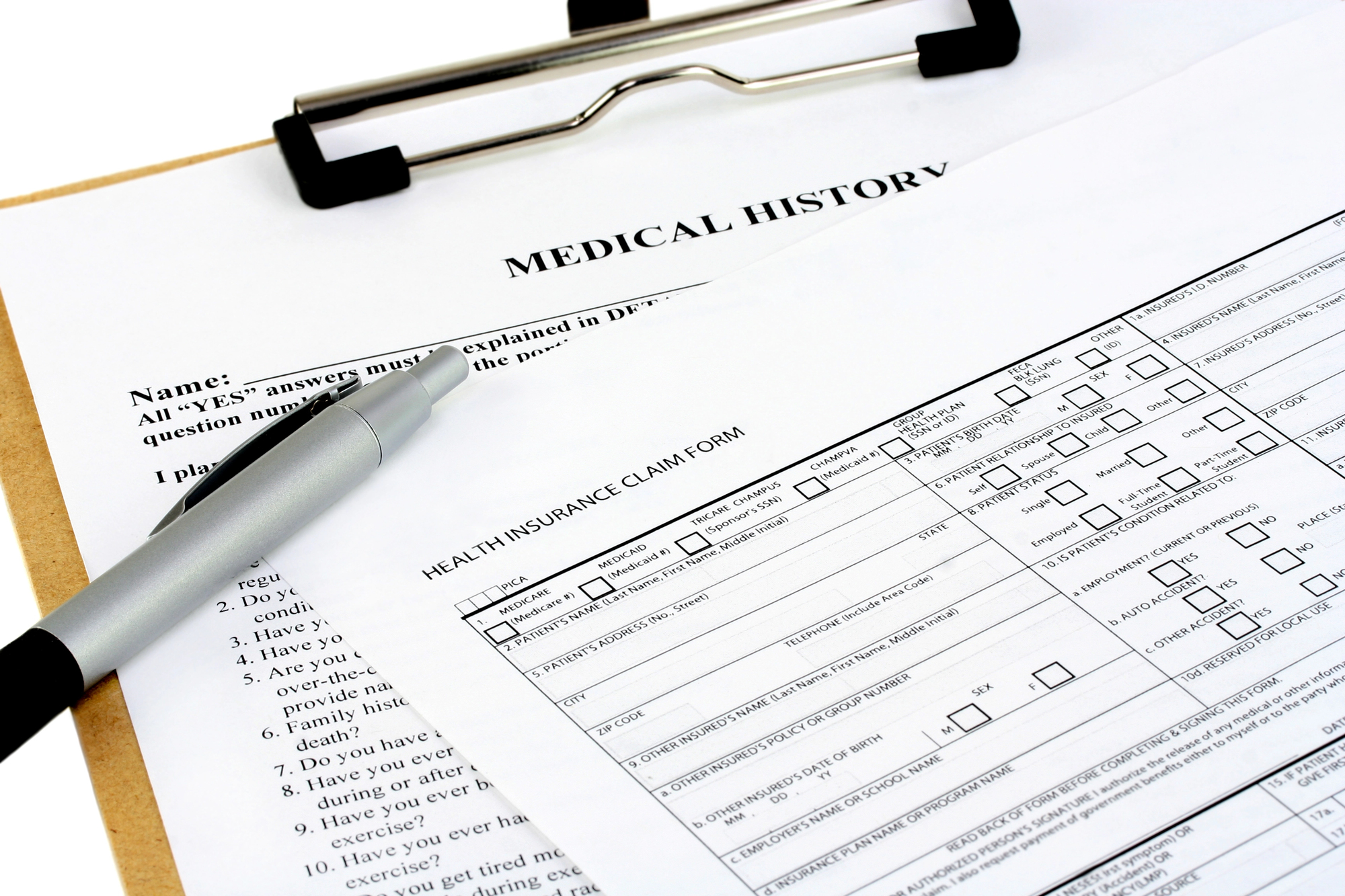
The surgery’s in 45 minutes, and there’s a stack of consent forms you have to sign that the nurse just dropped off. Your family’s in the waiting room, you’ve already met the anesthesiologist, and all that’s left is to sign those forms.
So you do.
What did you consent to, though? Colonoscopy? MRI with contrast dye? Dental implants? Did you even read what you were signing?
Medical Consent Forms Are More Important Than You Realize
That stack of papers you’re about to sign is something most people barely look at, but that’s a huge mistake. When you sign a consent form, you’ve agreed to the procedure, but you’ve also confirmed that somebody explained it to you and told you about the risks.
Keep in mind that the forms protect the provider, too, because it’ll be harder for you to sue them later and say that nobody told you this or that.
The only REAL protection (if it can even be called that) for you is that paper trail that proves you were supposed to be informed. But the form doesn’t guarantee that nothing will go wrong. And you have to remember that every single procedure, even the simplest one, is risky up to a point.
You have to understand the difference between a common side effect (which is normal), a known complication (somewhat normal), a preventable mistake (something people get sued for), and a totally unpredictable reaction (anything but normal).
Let’s say you just woke up from anesthesia and you’re nauseous.
That’s a side effect, and many people experience the same thing. A known complication would be to bleed during a minor biopsy – not something that happens to everyone, but it’s known to occur.
But if you get the wrong medication, that’s a preventable mistake because someone obviously didn’t check all the documentation. An unpredictable reaction is the trickiest, and a good example of that would be going into shock from a medication you took dozens of times before with no issues whatsoever.
The rest will depend on where you live; Illinois, for example, has no cap on damages for pain and suffering, so your Chicago anesthesia error lawyer would be able to fight for the full amount. But if you’re in Texas, state law puts a limit on how much you can recover in most medical malpractice lawsuits, regardless of how bad the injury was.
Texas is much tougher on patients than Illinois.
How to Make Better Decisions Under Pressure
Just walking into a hospital is enough to stress you out.
The unfamiliar building, the weird smells, bright lights, people in scrubs, needles all around, and on top of all that, you have to change into that awful paper gown.
Seriously, who even came up with that thing?
You’re anxious and scared, and then someone hands you a bunch of papers to sign. You glance over them, barely understand a word, but you sign because what else is there to do?
Stress makes it harder to remember things you’d normally know, so you sign even faster to get it over with.
There’s a way to fight back, though.
You can have another person there with you, so if you forget the name of the medication you take every day, they can fill in that blank. You can also take notes on consent forms and circle things you want clarified. But before you do anything, tell the staff you need 15-20 minutes before you sign so you can read everything.
And if they grumble, let them. Who cares?
Nobody in their right mind would sign a paper they didn’t read and understand, but you have to remember that you’re NOT in your right mind before a medical procedure. Nobody is.
And if you’re aware of that, then you can actually do something about it.
It always helps to have someone close by with you, but if you have to be alone for whatever reason, take a deep breath and don’t rush. If you have questions (and you’ll have them), ask and ask again until everything’s clear.
Tell the nurse you need a few extra minutes if you do, and read the fine print like it’s a text from your ex.