

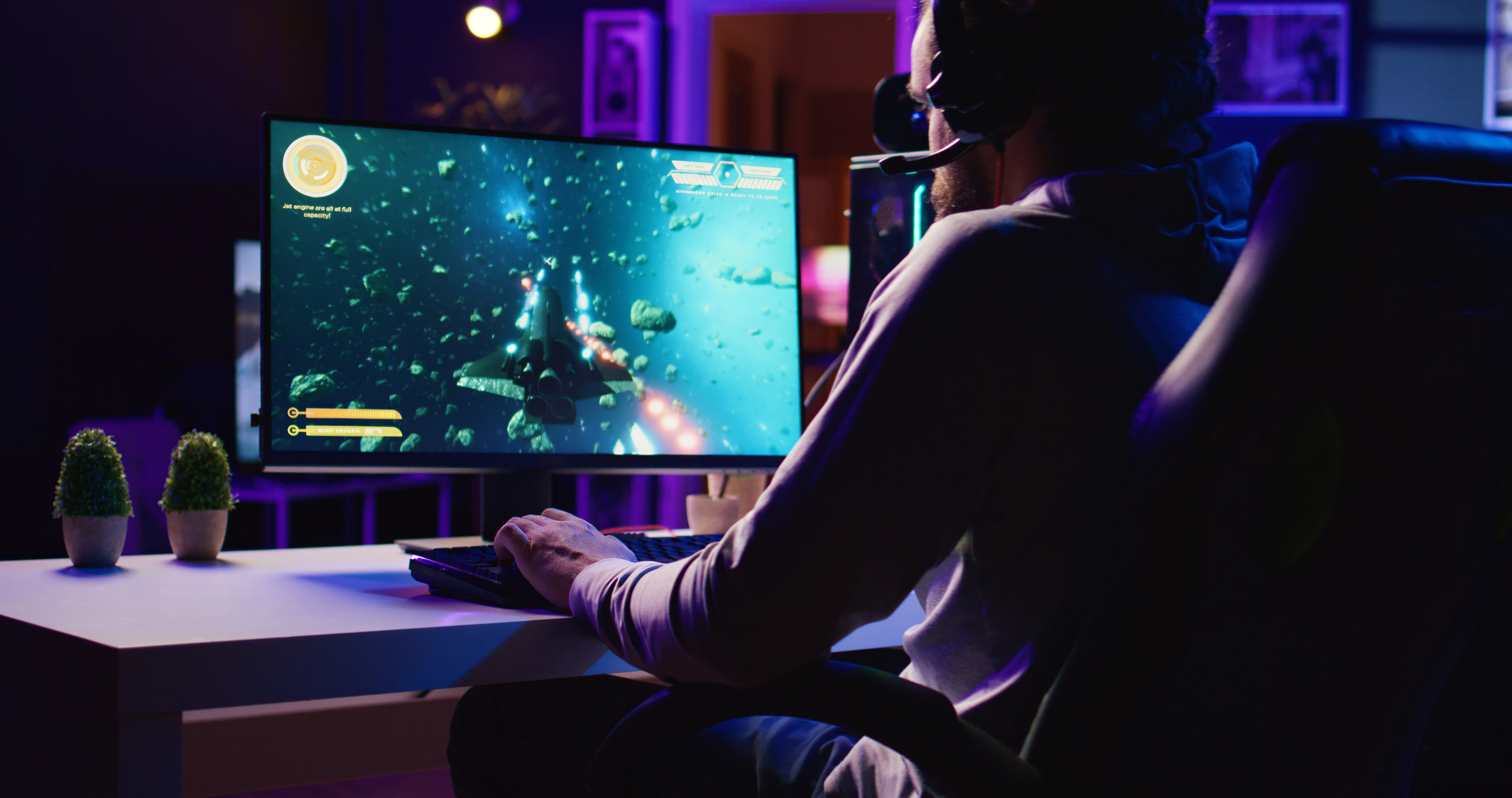
You probably switch between devices more than you realise, and gaming follows that same pattern. One evening, you might sit at a desk with a full setup, while the next, you tap through a quick session on your phone during a commute. Both experiences can feel satisfying, yet they rely on very different strengths. When you understand how each platform works in practice, you can choose the right one for your time, budget, and expectations. That choice often shapes how relaxed, competitive, or immersed you feel while you play.
Hardware capabilities
Desktop gaming gives you raw power and flexibility that a mobile device simply cannot match. A dedicated graphics card, proper cooling, and a larger power supply allow your computer to run detailed environments smoothly. When you play a demanding title on a desktop, you notice sharper textures, faster frame rates, and more stable performance during intense moments. You also control how your system evolves, since you can upgrade parts like memory or storage when needed.
Mobile gaming focuses on efficiency instead. Your phone balances performance with battery life and portability, which means developers design games that load quickly and run without draining your device too fast. You benefit from convenience, especially when you only have a few minutes to spare, but you trade away depth in visual fidelity. If you want a clearer comparison, try playing the same game on both platforms and pay attention to how lighting, controls, and responsiveness differ.
Game libraries
You will find broader and more complex titles on desktop platforms, including strategy games, simulators, and large-scale role-playing experiences. These games often rely on precise controls, which a keyboard and mouse handle better than a touchscreen. However, mobile libraries lean towards shorter, more accessible experiences. Puzzle games, casual strategy titles, and quick multiplayer matches dominate because they fit around your daily routine. You can open an app, complete a level in a few minutes, and move on without losing progress. This design suits moments like waiting in a queue or travelling, where you might not want a long session.
Connectivity demands
Desktop gaming often requires a stable internet connection, particularly for online multiplayer or large downloads. A wired connection usually delivers lower latency, which helps you react faster in competitive games. When your connection drops, the disruption feels more noticeable because sessions tend to last longer, whereas mobile gaming adapts better to variable connections. Many games include offline modes or lighter online features that tolerate brief interruptions. You can continue playing even when signal strength fluctuates, which suits travel or public transport. Keep an eye on your data usage when playing outside Wi-Fi to avoid unexpected charges.
Costs and promotions
Desktop gaming can involve higher upfront costs, especially when you invest in quality hardware. However, you often pay less for individual games over time thanks to seasonal sales and bundle deals. You also avoid frequent hardware replacements if you upgrade components gradually. Mobile gaming usually starts for free, but in-app purchases can add up if you make regular small payments. Developers encourage spending through timed offers and rewards, which can feel tempting during gameplay. You might notice similar tactics in areas like bingo promotions, where limited-time bonuses draw you in with extra value. Set a monthly budget before you start spending so you stay in control and still enjoy the experience without surprises.