

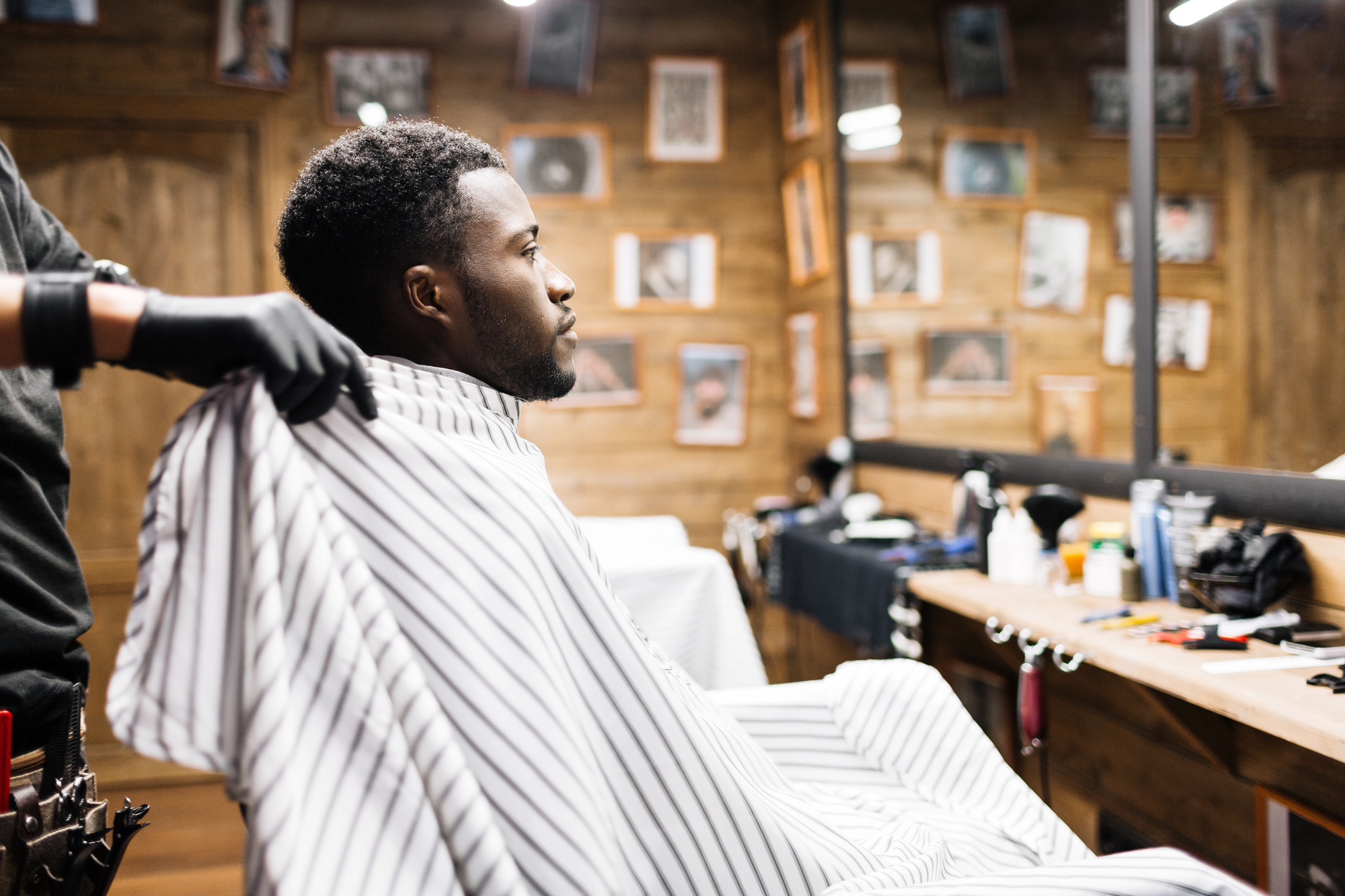
A man walks into a barbershop after getting a promotion. He’s spent years wearing the same haircut, keeping his beard more or less the same length and asking for the usual whenever he sits in the chair. Now his wardrobe is changing, his responsibilities are growing, and he’s beginning to wonder whether his appearance still reflects the person he’s becoming.
Another man arrives with a different concern. His hairline has been receding for a while, and the haircut he’s relied on since college no longer sits quite the way it used to. He isn’t necessarily looking for a dramatic makeover. He just wants to feel comfortable with what he sees in the mirror.
Neither situation can be solved by automatically reaching for the clippers.
A good barber starts by listening.
For many men, the barbershop is one of the few places where conversations about appearance happen naturally. What begins as a discussion about a fade or a beard trim can turn into something more personal: aging, professional identity, changing routines or the uncertainty of trying something new.
That’s when a barber becomes more than the person responsible for a haircut.
The Barbershop Has Always Been About More Than Hair
In many Black communities, the barbershop has long served as a gathering place where people exchange stories, debate current events and build relationships across generations.
The familiar sounds of clippers, music and conversation create an environment that feels different from a conventional retail experience.
Customers often return to the same barber for years, sometimes following them between shops. That loyalty isn’t based entirely on technical skill. It’s also built on familiarity, consistency and the feeling that someone understands how you want to present yourself.
The Quintessential Gentleman has explored this relationship through its coverage of grooming professionals and the culture surrounding Black barbershops.
In a 2020 interview, master barber Eric “KleanKut” Dixon discussed the importance of creating a welcoming space for clients whose identities and experiences may not fit traditional expectations of masculinity. His work also extends into hair replacement and other grooming services.
His perspective reflects something important about the profession: a client needs to feel comfortable enough to explain what they actually want.
That can be especially significant when the conversation involves thinning hair, changes in appearance or a style the client has never tried before.
A New Chapter Often Calls for a Different Look
Major life changes can make familiar grooming habits feel outdated.
Starting a new job, becoming a father, approaching a milestone birthday or returning to dating may prompt a man to reconsider his appearance.
Sometimes the change is practical. A new professional environment may call for a hairstyle that looks polished without requiring extensive morning styling.
Other times, the motivation is more personal.
A man who has spent years wearing the same close cut might want to experiment with longer texture. Someone who has always kept a full beard may discover that a shorter, more defined shape better suits his face.
The barber’s role isn’t to decide what a successful man should look like.
It’s to understand how the client wants to be seen and identify realistic ways to achieve that appearance.
A hairstyle that works for a corporate executive might also work for a musician or a teacher. The difference often lies in how the individual wears it, maintains it and combines it with the rest of his personal style.
The most effective transformations begin with those details rather than assumptions about age or profession.
The Consultation That Changes the Direction
Consider an illustrative situation: a man in his early forties visits a barber before beginning a new leadership role.
He’s been wearing a short, uniform haircut for years. Recently, he’s noticed thinning around the crown and has started keeping the remaining hair shorter to make the difference less noticeable.
He wants a more intentional appearance but isn’t sure what would suit him.
Instead of immediately recommending a new cut, the barber asks about his daily routine.
How much time does he spend styling his hair? Does he exercise frequently? Does he prefer a clean-shaven look or want to keep his beard? Is he comfortable visiting the shop regularly for maintenance?
The answers shape the options.
The barber might suggest refining the sides, adding texture where the existing hair allows it and adjusting the beard to create a stronger overall balance.
If the client is interested in fuller coverage, the discussion could also include non-surgical hair replacement.
The important part is that the decision belongs to the client.
This example isn’t a documented interview or an actual client transformation. It illustrates the kind of conversation that can make a grooming appointment more personal and productive.
Small Grooming Decisions Can Change the Whole Picture
A complete transformation doesn’t always require a dramatic haircut.
Sometimes, the biggest difference comes from several small adjustments working together.
A barber may soften an overly sharp hairline, change the height of a fade or reshape the beard to complement the client’s facial features.
For men with tightly coiled hair, the choice between a low fade, taper, waves, twists or a longer natural style can significantly alter the silhouette.
Facial hair adds another dimension.
A fuller beard may create more visual weight around the jaw, while a shorter, carefully shaped beard can produce a cleaner outline. The best choice depends on the client’s growth pattern, comfort and preferences.
Skin care also matters, particularly for men prone to razor bumps or irritation.
A barber who understands the client’s skin and hair texture can help select grooming techniques that minimise unnecessary irritation. Persistent skin conditions, however, may require evaluation by a dermatologist rather than repeated adjustments to shaving products.
The finished look should feel considered without becoming difficult to maintain.
A haircut that only looks good immediately after leaving the shop may not be the right choice for someone who has little time for daily styling.
When Hair Loss Becomes Part of the Conversation
Hair loss can be a sensitive subject, even between a barber and a longtime client.
Some men are comfortable discussing a receding hairline. Others may feel embarrassed or prefer not to draw attention to it.
A trusted barber should make room for either response.
The conversation might begin with adapting the haircut to the client’s current hair density. Shorter sides, a different parting or a textured crop can sometimes help create a more balanced appearance.
But styling has limits.
If someone wants additional coverage or a hairstyle that their remaining hair cannot achieve, a hairpiece or men’s wig may be worth discussing as a cosmetic option.
Modern hair replacement products vary considerably in construction. Some are designed to cover a specific area of thinning, while others provide more extensive coverage. Hair texture, density, colour and attachment methods all influence the final result.
A barber or hair replacement specialist can help explain how a particular system would be fitted, blended and maintained.
However, a cosmetic solution doesn’t diagnose or treat the underlying cause of hair loss. Sudden shedding, patchy loss or scalp inflammation should be assessed by a qualified healthcare professional.
The goal is to give the client informed choices rather than imply that fuller hair is necessary for confidence or personal success.
Trust Matters More Than the Final Photograph
Social media has made before-and-after grooming transformations extremely popular.
A video might show someone entering a barbershop with an overgrown hairstyle and leaving with a crisp fade, perfectly shaped beard and entirely different appearance.
These clips can demonstrate technical skill, but they rarely capture the conversation that happened beforehand.
They don’t show the barber asking whether the client is comfortable with a dramatic change. They don’t show the adjustments made after the first mirror check or the discussion about how the hairstyle will look two weeks later.
Those moments are often what determine whether the transformation is genuinely successful.
A good barber should be willing to explain why a particular style may not work as expected.
If the client’s preferred haircut requires more density than he currently has, that limitation should be discussed openly. If a beard shape requires frequent upkeep, the client should know before committing to it.
Trust also means respecting boundaries.
A client may not want to discuss the personal circumstances behind a change in appearance. He may prefer a modest adjustment instead of a complete makeover.
The barber’s job is to provide skilled guidance without turning the appointment into a judgment about the client’s identity.
Personalised Hair Solutions Require More Than a Good Installation
When a client chooses a hair replacement system, the process extends beyond selecting a hairstyle from a photograph.
The barber or specialist needs to consider the coverage area, the remaining hair around it and how the replacement hair will blend with the client’s natural texture.
Hair density is particularly important.
A system that is much fuller than the surrounding hair may create an obvious contrast, while a more moderate density can sometimes produce a better visual balance.
The base construction also influences comfort and maintenance.
Lace, polyurethane and hybrid designs have different characteristics, including ventilation, attachment compatibility and durability. The most suitable choice depends on the wearer’s routine and preferences.
TopUnique offers customisable hair systems with options for base construction, size, colour, density, curl pattern and hair direction. These specifications can help a barber or hair replacement specialist work toward a particular look rather than forcing every client into the same standard hairstyle.
Still, the product is only one part of the result.
Accurate measurements, careful fitting, appropriate attachment and regular maintenance all matter. The client also needs to understand how to care for the system at home.
An impressive first installation is less valuable if the wearer cannot comfortably manage it afterward.
The Real Transformation Happens Between Appointments
The first haircut may be the most visible moment of a personal transformation, but the following weeks reveal whether it fits the client’s life.
Does the hairstyle still look good after a morning workout? Can the client maintain the beard without spending too much time in front of the mirror? Does the new routine feel manageable?
A thoughtful barber considers these questions before the client leaves the chair.
That might mean demonstrating how to style the hair with a small amount of product, explaining how frequently the cut needs refreshing or recommending a simpler beard shape.
For someone wearing a hair system, follow-up care may involve checking the fit, cleaning the base and reviewing attachment methods.
The relationship becomes an ongoing collaboration rather than a one-time makeover.
As the client’s preferences change, the hairstyle can change with them.
A man who initially wanted a dramatic transformation may eventually prefer something understated. Someone who was hesitant to experiment might gradually become more comfortable trying new looks.
The barber learns those preferences through repeated conversations and shared experience.
A Good Barber Helps a Man Define His Own Style
The most meaningful grooming transformations don’t necessarily end with an entirely different person looking back from the mirror.
Sometimes, the change is simply that a man feels more comfortable with the appearance he has chosen.
A new haircut may help mark a career transition. A different beard shape might make a familiar wardrobe feel fresh. A hair replacement option may give someone greater styling flexibility during a period of thinning.
None of these choices needs to carry the same meaning for every man.
What matters is having someone who listens, understands the practical details and respects the client’s decisions.
That’s what separates a routine haircut from a genuinely personalised grooming experience.
The barber may never be responsible for the major life change that brought a client into the shop. But through skilled work, honest advice and a relationship built on trust, he can become part of how that man chooses to move forward.
Photo Credit: DepositPhotos.com