

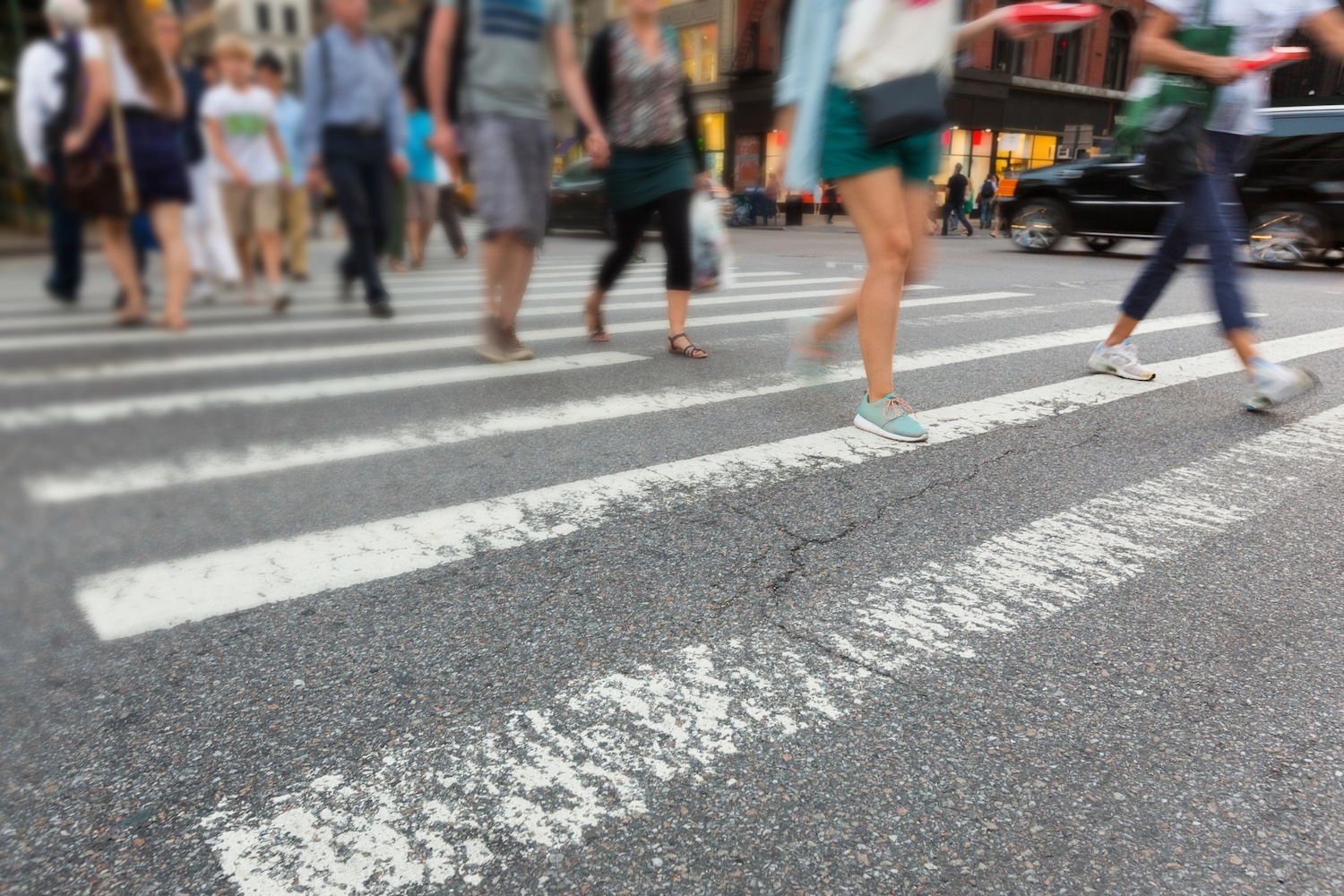
California has many busy cities, residential neighborhoods, and public spaces where people walk daily. Pedestrians use sidewalks, crosswalks, and intersections to reach shops, workplaces, schools, and other destinations. With regular vehicle and foot traffic sharing these areas, following road safety rules is important.
When drivers fail to follow these rules, pedestrians can suffer serious injuries. Those injured in a collision may need legal guidance to understand their rights and options. A pedestrian accident attorney can explain how California crosswalk laws apply to the accident and help identify who may be responsible.
California law gives pedestrians certain rights when crossing streets and using public walkways. Drivers must yield in specific situations and take reasonable care to avoid hitting pedestrians. However, pedestrians must also follow crossing rules and pay attention to traffic. In this article, we will discuss pedestrian rights, driver responsibilities, and the rules that apply to crosswalks in California.
Right to Use Marked and Unmarked Crosswalks
California Vehicle Code § 21950 requires drivers to yield to pedestrians crossing within marked crosswalks and unmarked crosswalks at intersections. Drivers must also exercise due care and take necessary steps to protect pedestrians.
Pedestrians have responsibilities, too. They cannot suddenly leave a curb and enter the path of a vehicle that is too close to stop safely. Both drivers and pedestrians are required to exercise reasonable caution.
Responsibilities When Crossing Outside Crosswalks
Pedestrians do not have unlimited right of way outside designated crosswalks. Under California Vehicle Code § 21954, pedestrians crossing elsewhere on a roadway must yield to vehicles close enough to create an immediate hazard. Drivers must still exercise due care.
Vehicle Code § 21955 generally requires pedestrians to use a crosswalk when crossing between adjacent intersections controlled by traffic signals or police officers. These rules determine how right-of-way responsibilities apply in different locations.
Rights After a Pedestrian Accident
If a vehicle strikes you, prioritize safety and seek medical attention, even if symptoms seem minor. Call 911 for serious injuries.
When it is safe, preserve information that may help explain how the accident happened:
- Photograph the scene, vehicle, road conditions, and visible injuries
- Collect the driver’s contact and insurance details
- Get witness contact information
- Request the police report when available
- Keep medical records, bills, and proof of missed work
Right to Seek Compensation for Pedestrian Injuries
If another party’s negligence caused your injuries, you may seek compensation for medical expenses, lost wages, reduced earning capacity, and pain and suffering.
California follows a comparative negligence system. An injured pedestrian may recover damages even if partly responsible, but the award is reduced by their percentage of fault. For example, if damages total $50,000 and the pedestrian is 20% at fault, the potential recovery is $40,000.
Legal Deadlines for Filing a Pedestrian Accident Claim
In many cases, California gives injured pedestrians two years from the accident date to file a personal injury lawsuit. Claims against government entities usually require an administrative claim within six months, subject to exceptions and special rules.
Missing a deadline can prevent recovery. Getting advice promptly can help identify the correct deadline and preserve your options.
Pro Tip
If a driver claims you were crossing illegally or contributed to the accident, avoid accepting blame before reviewing the evidence. California’s comparative negligence rules may still allow you to recover compensation even if you share some responsibility for the collision.
Final Takeaways
- California pedestrians have legal rights and may seek compensation when negligence causes an accident.
- Drivers must yield at marked and qualifying unmarked crosswalks and exercise due care.
- Pedestrians must follow crossing rules and use reasonable care.
- Preserve photographs, witness details, police reports, and medical records.
- Comparative negligence may reduce compensation but does not automatically bar recovery.