

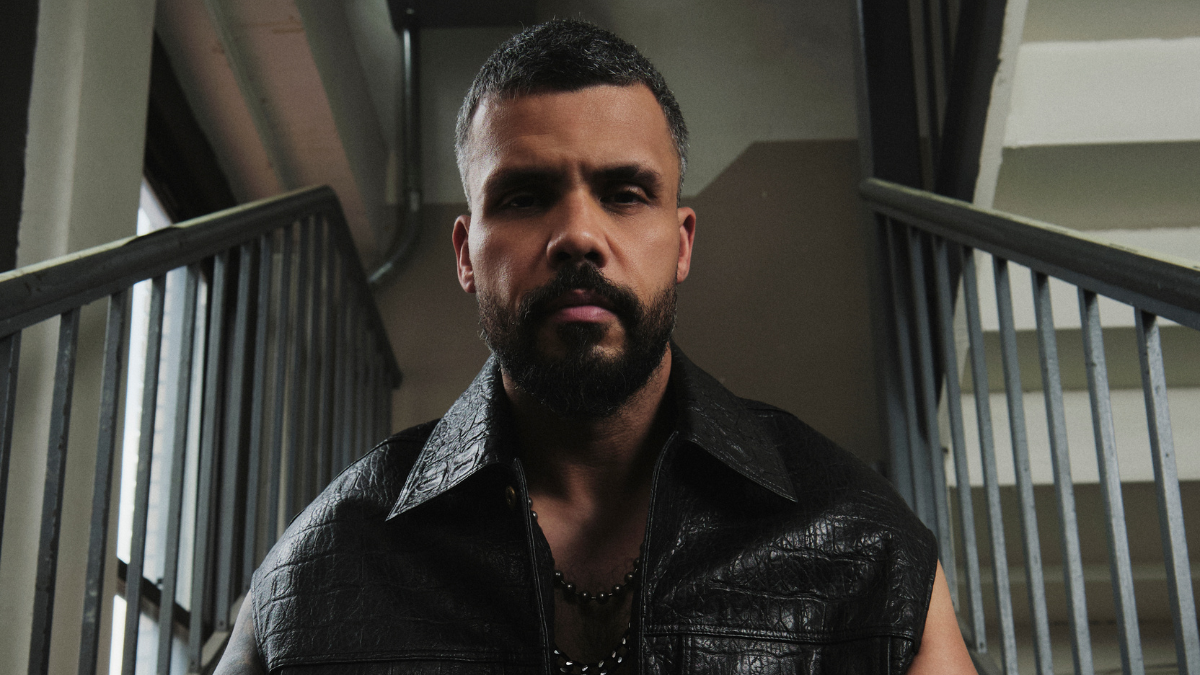
For millions of TV viewers worldwide, the introduction to Howard Charles came from the menacing, controlling Liverpool weapons dealer Curtis in Netflix’s global hit Top Boy.
Originally premiering on UK television before its initial cancellation, Top Boy gained a massive second life when global megastar Drake championed its revival, bringing the British crime drama to Netflix and exposing its incredible cast to a massive international audience. Yet long before that unforgettable turn, Charles was sharpening his talent through a rich, classical foundation.
Born and raised in Brixton, London, Charles trained at the prestigious Drama Centre London, diving deep into Shakespeare, Chekhov, and the Royal Shakespeare Company. His dedication to his craft led to early breakout success, most notably as the charismatic, formidable Porthos in the BBC’s hit series The Musketeers.
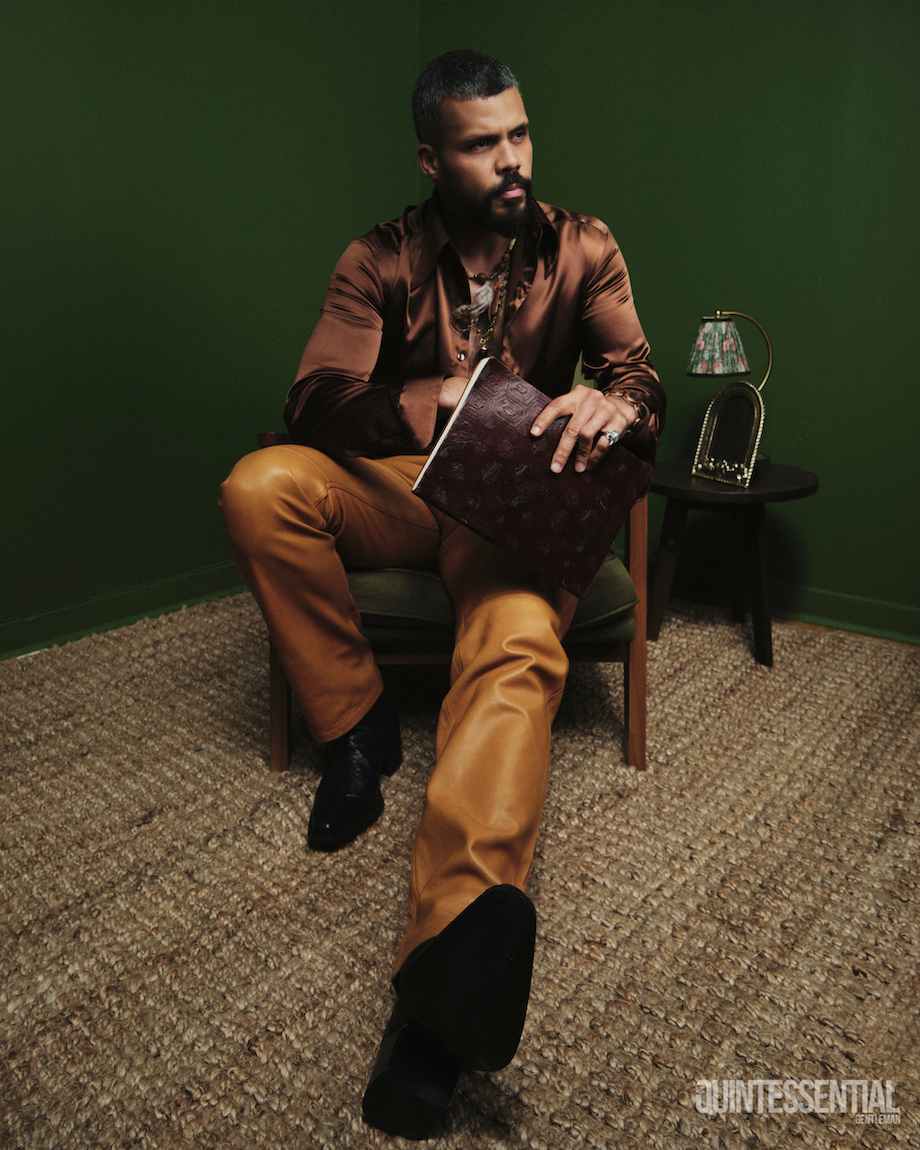
“London has the glitz and the glamour, but it also has edge and grit,” Charles said when asked what he loves most about being born in London during The Quintessential Gentleman‘s cover story interview. “Can’t help it if I was born in the greatest city on Earth.” As for his background, the London native is of mixed English and Jamaican descent. “My biological father’s side of the family is from Jamaica and my mother’s English,” he explained. “Yeah, so I’m mixed, as we say in the UK.”
Before stepping in front of multi-camera setups, Charles sharpened his craft on the theatrical stage, where the raw intimacy of live performance taught him the fundamental power of storytelling. “There’s nothing quite like that moment between the actors on stage and the audience where you know you’ve got them,” he says of his deep love for theater. “It’s a very special experience.”
Now, Charles steps firmly into the spotlight as the lead in Fightland, the explosive British boxing crime drama executive produced by Curtis “50 Cent” Jackson for Starz.
Having officially premiered on July 31, with brand-new episodes dropping every Friday, the series plunges viewers directly into the shadowy intersection of London’s elite athletic world and its deadly underground criminal networks. Fightland uses London’s rain-slicked streets, brutalist boxing gyms, and dimly lit nightlife to create a gritty, lived-in atmosphere where every alleyway feels dangerous and every decision carries real consequences.
Spoiler warning: the following section contains plot details from Season 1 of Fightland.
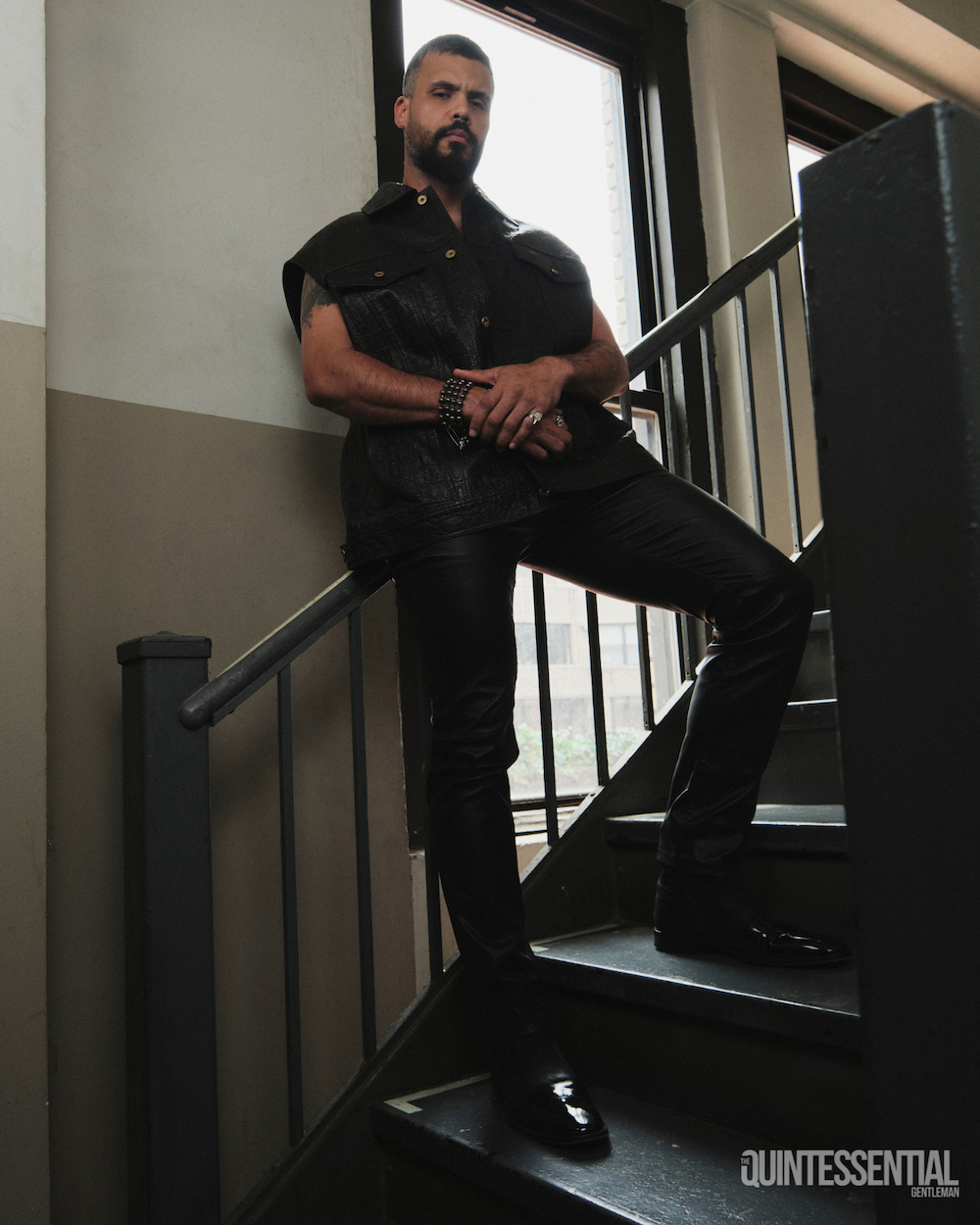
At the heart of this volatile world is Maduka “Duke” Kilroy (Charles), an elite heavyweight champion whose crowning moment becomes his ultimate downfall. On the very same night he reaches the absolute peak of his career by capturing the world title, his life is violently shattered, framed and stripped of his freedom following an assault charge outside the ring,
Duke spends eight years in prison while those he trusted dismantle everything he built. Upon his release, Duke returns to a changed London with one purpose: to get justice and exact vengeance for the murder of his brother, Calvin, while reclaiming the life that was stolen from him.
Duke’s quest for redemption leads him straight back to Marshall Promotions, a respected boxing organization that promises him another chance inside the ring. Beneath its polished corporate facade, however, lies an extensive criminal operation fueled by drug trafficking, cartel alliances, intimidation, and corruption.
The promotion uses legitimate championship contenders to launder its reputation and expand its illegal empire. Duke believes the empire’s head, Kingsley Marshall, played with quiet, calculated authority by Nicholas Pinnock, orchestrated his brother’s murder and set him up years prior.
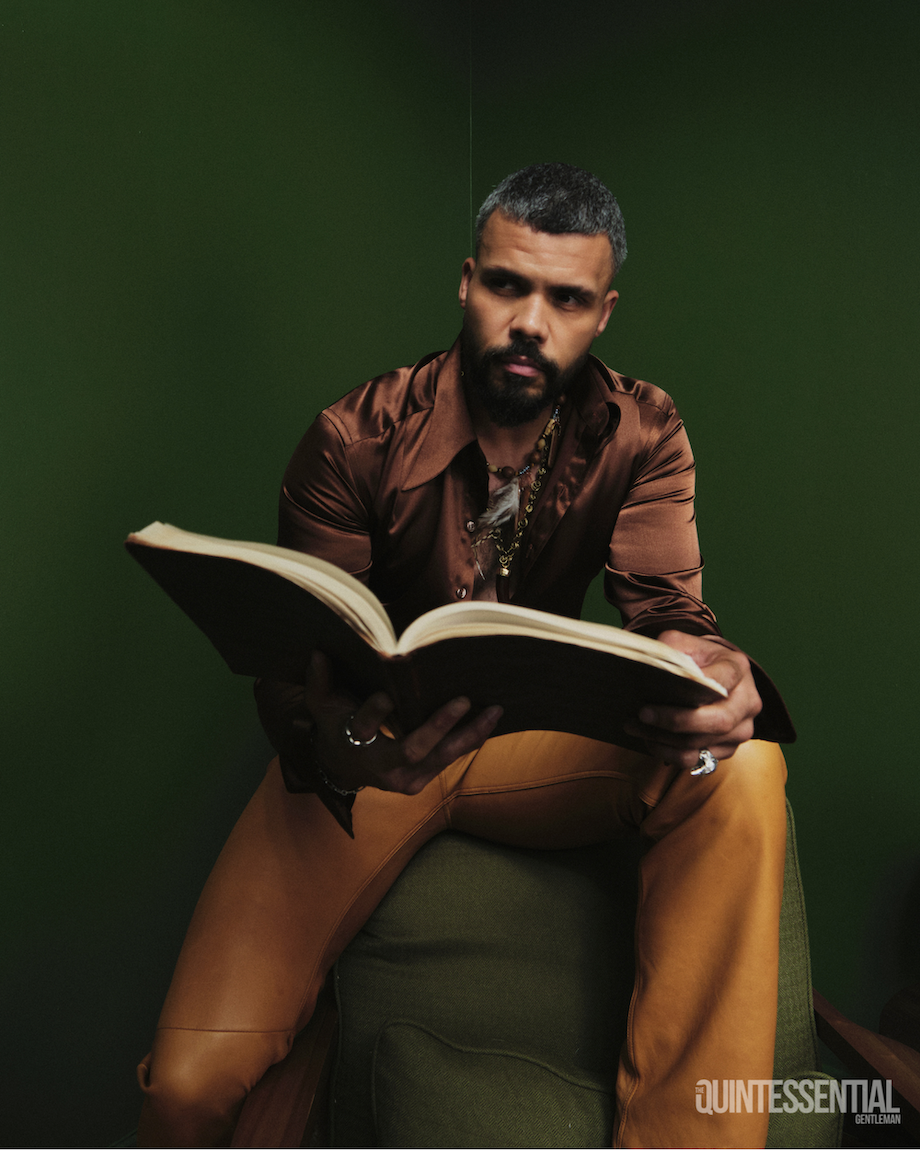
As the story unfolds, viewers quickly realize that Duke’s greatest weapon isn’t just his left hook; it’s his mind.
Charles leads a predominantly Black British cast featuring Pinnock, Deborah Ayorinde, Charles Babalola, Tyler Conti, Anita-Joy Uwajeh, Tahirah Sharif and Richard Pepple. On the surface, Duke is a man capable of terrifying violence; underneath, he’s a deeply wounded soul driven by an unwavering capacity for love and brotherhood.
Ahead of the premiere of the series, The Quintessential Gentleman sat down with Howard Charles to discuss classical theater training, the discipline behind becoming a heavyweight champion, and what Fightland reveals about brotherhood and resilience.
How does the discipline and spatial awareness required for theater influence the way you prep for television and film roles?
Well, I’m very privileged to have been the recipient of some incredible training, and I’ve had some wonderful teachers. You start with the classics, Shakespeare, Chekhov, and you do the heavy lifting from the outset. The idea is if you train for the Olympics, you can win the local track meet quite easily. So I would say it teaches you that you have to be on, you have to be ready, and there’s no hiding when you’re on stage. There’s no cutting and going again. You’re on, and it’s the best way to cut your teeth.
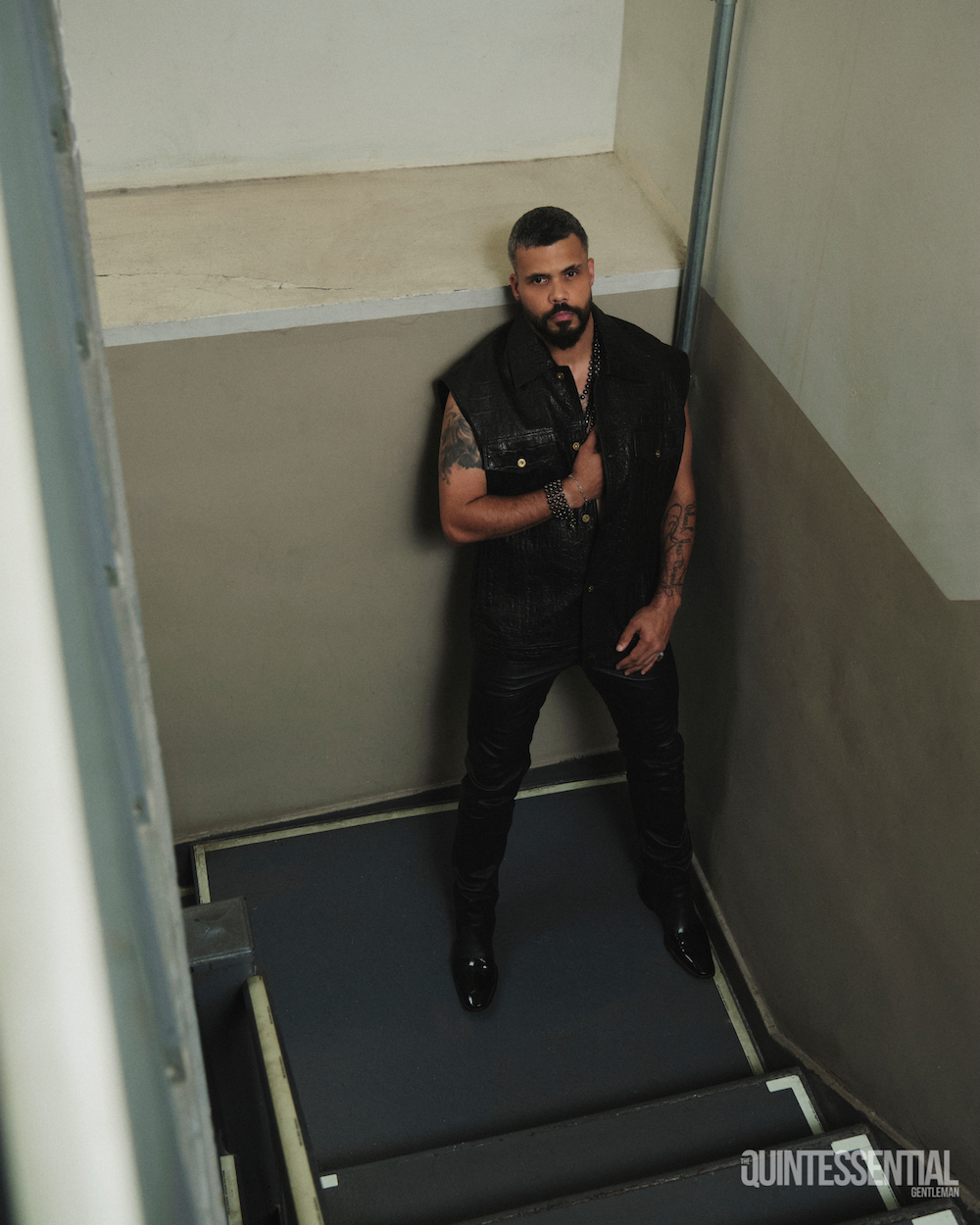
What was it about the Fightland script that had you all in?
The pain reading those early scripts. I was really taken with Duke and how much pain he was in. I felt for the guy. You’re talking about a man who is an elite-level boxer, whose whole life collapses on the very same night that he wins the heavyweight title. He loses everything. Just as he reaches the summit, everything’s taken away from him. His future, his freedom, his life. After eight years in prison, he returns home to London, determined to take vengeance against the man who killed his brother and destroyed his life.
Tell us who Duke Kilroy is and how he is similar and different from Howard Charles.
He appears to be a man who’s dangerous on the surface, right? He’s reckless. He’s capable of terrible things, but he’s not a monster. He’s wounded. He still has a very, very big heart and a huge capacity for love. And all of those elements, the love and the desire for peace underneath the vengeance and the violence, that’s very compelling to play. I think we share some things, maybe we come at them from sort of different angles and for different reasons, but I think we share a certain ambition. I think there is a drive, a relentlessness, that we share. Yeah, there are many differences also, but this is only season one of Fightland.
How much physical training did you undergo to look like a true heavyweight champion?
You can’t get ready when you need to be ready. So be ready. I was already in great shape, thankfully. I actually had to put on weight for this role, so I put on about 15 pounds. I had to eat a lot more than I usually do and lift a little heavier than I do. So both of those are fun for different reasons. I have done some boxing in the past, many, many moons ago, but I’m a jiu-jitsu guy, so that’s kind of my martial art. I love the problem-solving of that, but I’m a big boxing fan. I do hold ballet responsible and give it credit for being able to now have a really good left hook. Ballet teaches you how to tell the story with your physicality, your physical life, and so I’ve got pretty good footwork, a good left hook. Now I’ve continued boxing since we finished season one, and I work with a great trainer in Marcus Luther. So yeah, we’ve got the boxing covered.
What was it like on set with your castmates?
Great. Yeah, we’ve got a great bunch of storytellers there. I always think that the greatest actors are the most generous, the most empathetic, and the ones who, quite frankly, are really good at listening. Yeah, there are some moments that stand out in memory, some really special moments where I felt like we were really capturing something authentic. The relationship between myself and my father in the show, played by Richard Pepple, and then, of course, the best friend, Jay, played by Tyler Conti. But yeah, the suspension of my disbelief was completely intact, and I was fully embedded and believed every moment of it. But, like I say, in front of and behind the camera, we had a great team. Starz has done a great job there.
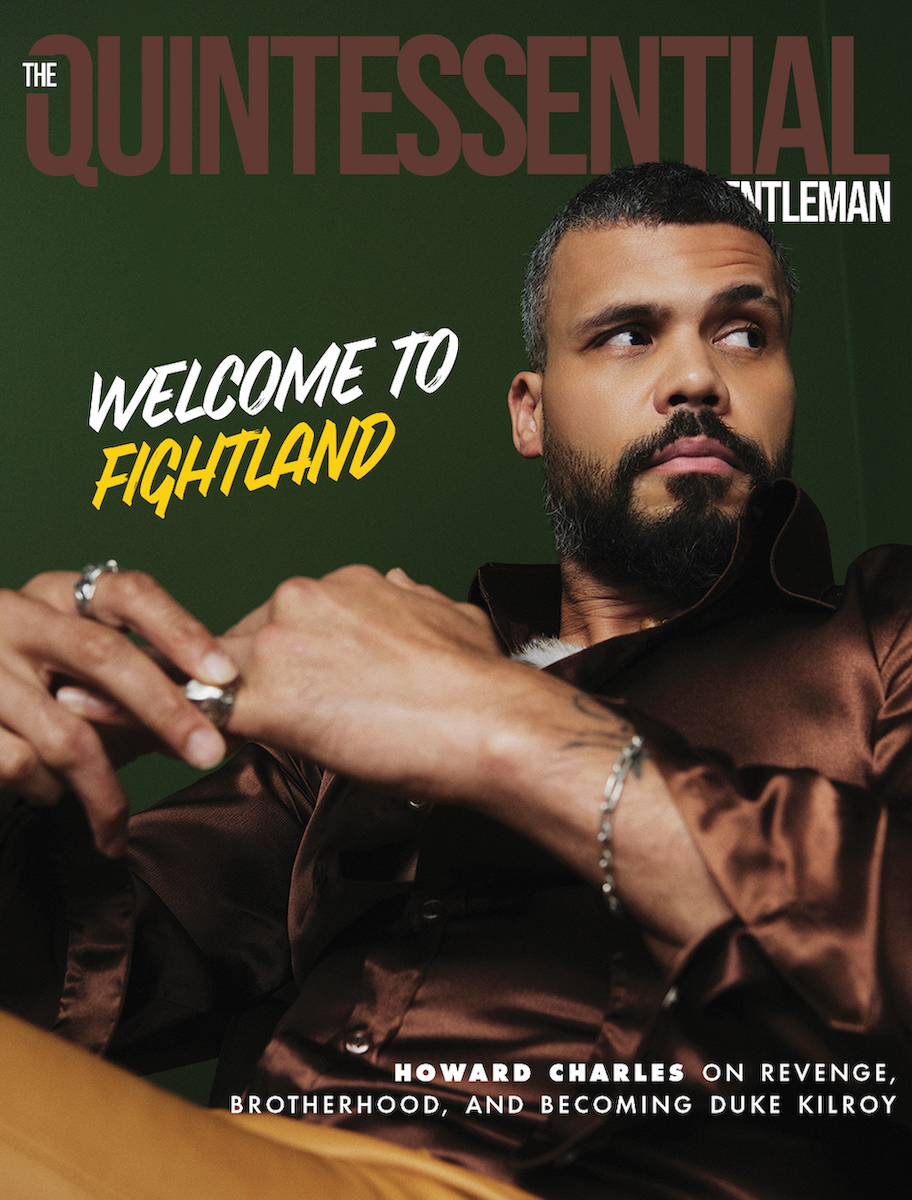
The core motivator for your character is getting justice and vengeance for his brother, Calvin. You’ve played a few characters with deep bonds of brotherhood. What does brotherhood mean to you, and what does your brotherhood look like?
I wish it meant a lot more to all of us. I think we’re missing that. I think brotherhood, and sisterhood for that matter, is probably the foundation of peace in modern society. Connective tissue between human beings, that togetherness, that oneness.
You are leading a predominantly Black British cast, including Nicholas Pinnock, Deborah Ayorinde, and Charles Babalola. What does this mean for representation, and what does it mean to bring this British crime drama of this scale to a global network like Starz?
Well, I gotta say, I don’t see the world like that. I really don’t. I don’t see myself as a Black actor; I’m an actor who happens to have brown skin, and so I don’t like to label myself in any way. I’m not interested in labels. I think we have an obligation to represent ourselves. Be the difference you want to see in the world, and hopefully that’s positive. And if you’re not seeing what you want to on screen, then do something about it. Write it. Don’t expect the phone to just magically ring. I sometimes say that I never ever had anyone knock on my door in the morning and say, “Oh, I got up this morning and I thought to myself, let me go and help that guy make it.” No one really does that for anyone, right? So you’ve got to make it yourself. And going back to brotherhood and sisterhood, we can also work together and collaborate. And in a high tide, all boats rise.
What are your thoughts on the current state of the industry?
I think that we have to give audiences what they want. Look at Obsession. No one expected that, maybe, apart from the filmmakers themselves, to do the numbers it’s done. But we’ve got great stories, all of us, and audiences clearly want to see them, and there’s a market for that. So I think it’s about focusing on creating value. What was it that was said in that movie: if you build it, they will come. So that’s what we should focus on.
What’s it like being a Virgo? What are your superpowers and what are your toxic traits?
I’m a Virgo, apparently. I think perfectionism is probably my superpower and maybe… I’m not sure if it’s toxic, but a toxic trait, yeah, I’m a perfectionist. ‘To live is to fight,’ and this is about Fightland. You’ve got to find something worth fighting for.
Editor-in-Chief and Art Director: Eric Keith
Photographer: Nicolas Johnson
Photographer Assistant: Nico
Fashion Stylist & Creative Director: Mickey Freeman Represented by The Only Agency
Stylist Assistant: Kris Fraser
Groomer: Jenny Sauce
Videography: Lawrence Pitts
Graphic Designer: Pamela May