

Live streaming has quietly become one of the most powerful business models in entertainment, and Black creators are at the center of it. What started as a way to game in front of an audience has evolved into a full ecosystem of subscriptions, sponsorships, brand partnerships, merchandise, live events, and media deals.
For Black creators specifically, that evolution is significant beyond the content itself. In an industry that has historically celebrated Black culture while limiting Black ownership, live streaming offers something different: a direct line to an audience, a business built on your own terms, and income that doesn’t require a gatekeeper’s approval.
The numbers behind this shift are staggering. Twitch alone averages over 31 million daily visitors, and YouTube Live and Kick continue to grow as viable platforms for creators at every level. The top streamers aren’t just entertaining audiences; they’re running businesses that rival traditional media companies in reach and revenue.
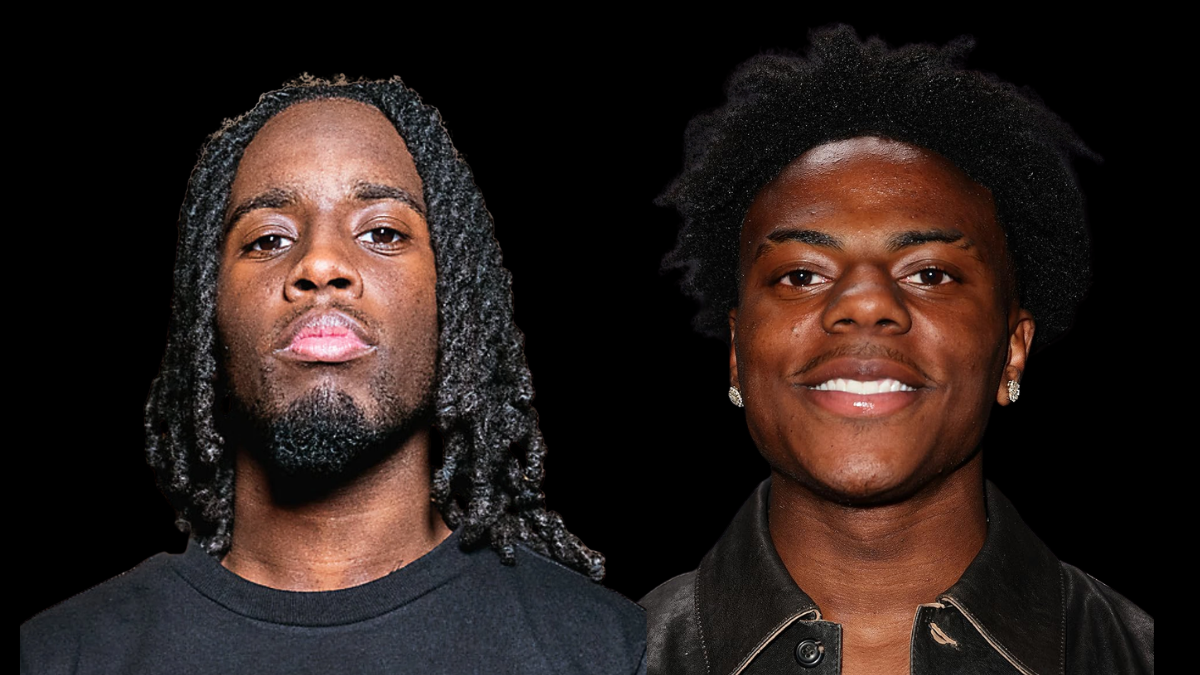
No one illustrates that better than Kai Cenat. The 24-year-old Bronx native has broken virtually every record Twitch has to offer. He became the most subscribed creator in Twitch history, a title he has held multiple times, and his marathon streams, celebrity collaborations, and content have made him one of the most recognizable names on the internet. His net worth is estimated at $35 million and climbing, fueled by brand deals with companies including McDonald’s, Gillette, and Lenovo, as well as his own merchandise and a subscriber base that has peaked in the millions.
Cenat doesn’t just stream; he sells out arenas, launches product campaigns, and generates the kind of cultural moments that trend across every platform simultaneously.
IShowSpeed, whose real name is Darren Watkins Jr., built something equally remarkable from a different angle. The 21-year-old Cincinnati native turned his unpredictable livestreams into a global phenomenon, amassing over 30 million YouTube subscribers and attracting fans across Europe, Asia, and Latin America. He has collaborated with some of the biggest names in soccer, been featured in campaigns across multiple continents, and generated an estimated net worth of over $15 million, all before his 21st birthday.
And then came the moment that made the whole world pay attention: on July 19, IShowSpeed made history as the first content creator and streamer to ever perform at a FIFA World Cup closing ceremony, taking the field at MetLife Stadium before Spain defeated Argentina in the World Cup Final. He performed World Cup (Champions), a track FIFA reached out to him about after it went viral, amassing 89 million views in its first month, and officially added to the FIFA World Cup 2026 Official Album.
Following the performance, the song saw a 61% increase in streams. Speed’s rise is perhaps the clearest example of how a Black creator with a digital platform can build a global brand that transcends the boundaries of any single country, culture, or industry, from a bedroom livestream to the biggest sporting stage in the world.
What makes both stories important in the context of Black wealth-building is the ownership model underneath them. These creators aren’t signed to labels, waiting for network deals, or splitting revenue with studios. Their audiences are assets they built directly, and that audience loyalty translates into brand partnership rates, merchandise sales, and equity in businesses they control.
Cenat hiring staff, investing in production, and launching ventures is an example of what it looks like when Black creators have both the platform and the business infrastructure to turn cultural influence into generational wealth.
That infrastructure also extends to how creators diversify. The most successful Black streamers rarely limit themselves to a single revenue stream. Podcasts, YouTube channels, merchandise lines, touring, and even traditional media appearances have become standard extensions of a streaming career. The live stream is the foundation, but the business is built on everything around it.
The path isn’t without real challenges. Maintaining an audience requires consistency that borders on relentless, long hours, daily interaction, and content that stays fresh across rapidly shifting platform algorithms. Burnout is common and openly discussed within the creator community.
Online harassment remains a persistent issue, particularly for Black creators navigating predominantly white platform cultures. And the dependence on platforms, whose policies, monetization structures, and algorithms can change without notice, is a risk that every creator has to manage.
Live streaming has opened a lane for Black creators to build audiences, businesses, and legacies on their own terms, and the generation coming up behind Cenat and IShowSpeed is watching closely. The tools are more accessible than ever. The audience is there. And the blueprint, for the first time, is being written by people who look like them.