

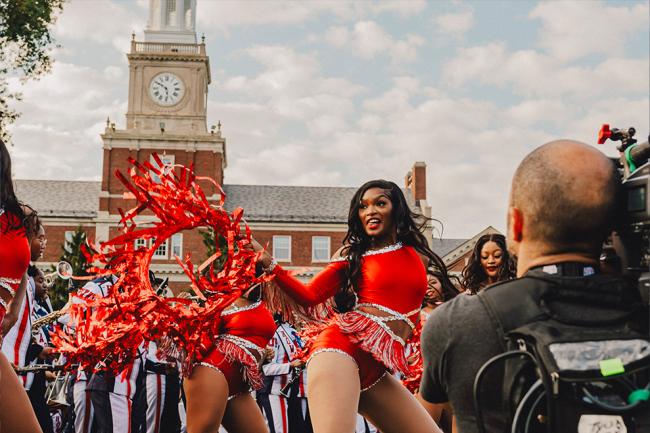
Homecoming is a staple for HBCUs, and the spending starts long before the first tailgate. Students book haircuts and hair appointments, shop for outfits and make plans for the week, which means barbers/hairstylists, clothing brands, photographers and other businesses are already seeing customers before alumni return to campus.
For Black entrepreneurs, that spending creates an opportunity. The outfits, the food at the game and the afterparties all represent money that can go into Black-owned businesses. Homecoming brings people back to campus, but it also gives business owners a chance to give those visitors something else to come back for.
Visitors can discover a local business during homecoming and introduce it to people back home through social media. A food spot can become part of someone’s weekend recap on TikTok. People are constantly posting their outfits, meals and favorite moments from the week, and when they tag the business behind those moments, they point others to it. That attention can keep customers coming long after homecoming ends and give these businesses the year-round visibility they deserve.
The school hosts the homecoming, but its impact is felt throughout the entire city. Hotels fill with returning alumni, restaurants welcome extra customers and visitors spend money across town. Ahead of its 2024 homecoming, Hampton University projected a $3 million economic boost to the City of Hampton and the Coastal Virginia region, with an estimated 25,000 visitors expected to attend.
The impact is also felt on the highest of seven hills in Tallahassee, Florida. According to Visit Tallahassee figures reported by WTXL, Florida A&M University’s 2024 homecoming generated about $5.1 million from visitors. For local businesses, Rattlers returning to the Hill means more people looking for somewhere to eat, stay and shop.
Money flowing into a city does not tell us how much of it reaches Black-owned businesses, but homecoming can clearly become a hot spot for them.
Showing up to homecoming as a vendor does not automatically mean leaving with a profit. Before making a single sale, business owners may have already paid for vendor fees, supplies, travel and extra inventory, and they have to sell enough to cover those expenses before they earn anything for themselves. Even with thousands of people on campus, customers have plenty of options and only so much money to spend.
HBCU homecoming is rooted in the people who keep the tradition going. That includes the Black entrepreneurs serving the food, designing the clothes and creating spaces for everyone to celebrate. Their businesses become part of the memories people take home, and supporting them can become part of the tradition, too.
That support can continue by ordering from a brand discovered at a pop-up, recommending a photographer to a friend or returning to a restaurant outside of homecoming season.
The weekend gives these businesses an introduction, and what customers do afterward can turn that introduction into something lasting. Celebrating Black culture also means making room for the Black businesses that help bring it to life, during homecoming and throughout the year.
Photo Credit: Howard University