

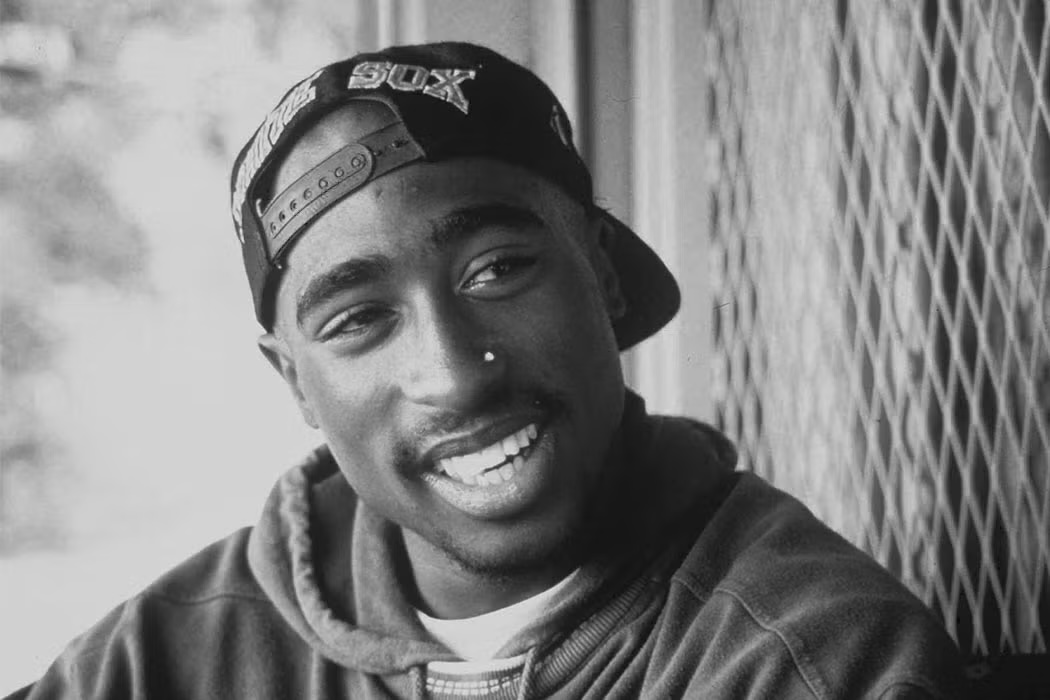
For nearly three decades, the murder of Tupac Shakur existed in a space between a cold case file and one of hip-hop’s most enduring, painful mysteries. A Las Vegas jury brought a sense of closure to the case by convicting 63-year-old Duane “Keffe D” Davis of first-degree murder for orchestrating the September 1996 drive-by shooting.
The verdict follows a nearly two-week trial and less than three hours of jury deliberation. Davis, the only surviving person who was inside the white Cadillac that pulled alongside Shakur’s vehicle, was convicted of murder with a deadly weapon. He faces up to life in prison.
Prosecutors made clear that Davis did not fire the shots that killed the 25-year-old rap icon and wounded Death Row Records co-founder Marion “Suge” Knight. Under Nevada law, anyone who aids, abets, or orchestrates a murder shares equal criminal responsibility.
Chief Deputy District Attorney Binu Palal told jurors during closing arguments that Davis was the “shot caller” for the South Side Compton Crips. Palal argued that Davis secured the gun and “went hunting” for Shakur and Knight in retaliation after Shakur and his entourage beat up Davis’s nephew, Orlando “Baby Lane” Anderson, at the MGM Grand earlier that night.
Much of the evidence used against Davis came from his own mouth. Over the years, Davis boasted about his role in the killing during media interviews, a 2008 federal proffer, and his 2019 self-published memoir, Compton Street Legend. Prosecutors also showed the jury a personal scrapbook Davis maintained filled with newspaper clippings about Shakur’s death.
Davis’s defense team, led by attorney Michael Sanft, argued that prosecutors lacked physical or forensic evidence linking Davis to the crime scene that night. Sanft insisted that Davis’s media appearances and memoir were fictionalized, exaggerated tall tales meant to generate money and clout rather than an actual confession, and Sanft challenged the jury to consider whether Davis had ever truly functioned as a “shot caller.”
However, after hearing from two dozen prosecution witnesses, including former gang members, detectives, and investigators, against just three defense witnesses, the 16-member jury panel soundly rejected the defense’s position.
As the guilty verdict was read in Clark County District Court, emotion swept through the gallery. Shakur’s sister, Sekyiwa “Set” Shakur, wept and reached back to embrace those seated behind her, while Davis’s son sat in disbelief with his head in his hands. Davis, who has been held in custody since his September 2023 arrest, was ordered to remain in jail until sentencing. District Judge Carli Kierny has set his formal sentencing hearing for October 13.
Davis’s legal team confirmed he plans to appeal the conviction. Still, after nearly 30 years of questions, rumors, and conspiracy theories surrounding the death of one of hip-hop’s most influential voices, the justice system has delivered its first, and so far only, conviction in the case.