

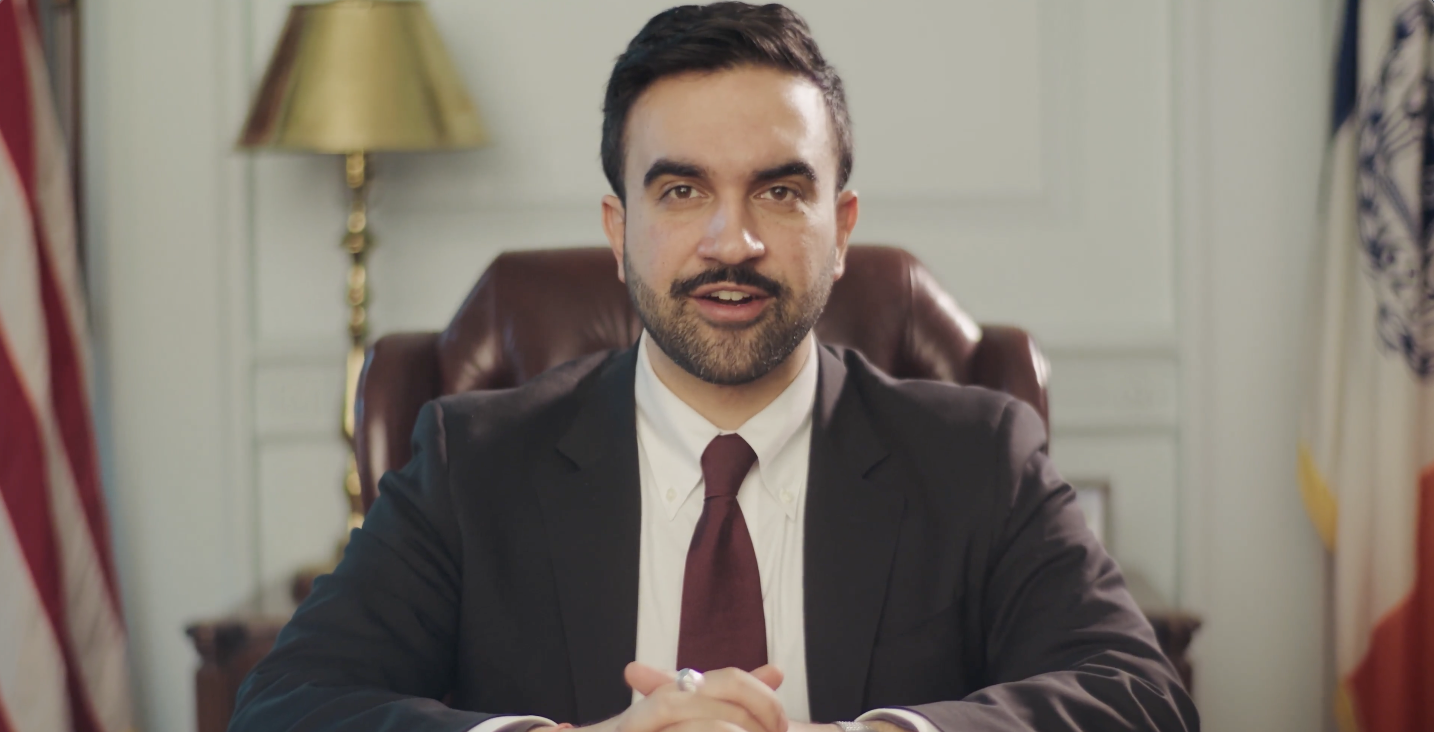
Mayor Zohran Mamdani has released New York City’s first-ever citywide Racial Equity Plan, marking what officials are calling a historic shift from acknowledging inequality to actually setting measurable targets to end it.
The plan, unveiled by the Mayor’s Office of Equity and Racial Justice, comes after a 30-day public comment period that followed the release of a preliminary version back in April, with the Mayor’s Office of Equity and Racial Justice working alongside 45 city agencies to sharpen the plan’s goals and metrics based on feedback gathered from residents across all five boroughs.
The plan lays out eight citywide goals, each with a 2034 target date, spanning housing, early childhood education, K-12 education, unemployment, the justice system, health, transportation, and broadband connectivity. On housing, the city is aiming to ramp up affordable housing production to address racial disparities in rent burden and homelessness.
In education, the goals focus on closing achievement gaps for Black and Latino students, multilingual learners, and students with disabilities, while also improving job quality for early childhood care workers, most of whom are women of color. The health goal specifically targets Black maternal mortality, with progress tracked by race and ethnicity going forward.
“For too long, government has been willing to acknowledge inequality without setting goals for ending it,” Mamdani said, adding that “these commitments are specific, measurable and public, and New Yorkers should hold us accountable for delivering on them.” He pointed to the plan’s throughline directly: “This is what it looks like to govern with equity in mind.”
Deputy Mayor for Economic Justice Julie Su said the plan speaks to something she hears from residents constantly, noting “they want a fair shot at a job and a home they can afford in the neighborhoods they call home.” NYC Chief Equity Officer Afua Atta-Mensah, who leads the Mayor’s Office of Equity and Racial Justice, said the public feedback sessions made clear that “training sessions and outreach alone are not enough to change people’s lives.”
The plan builds on the city’s True Cost of Living Measure released earlier this year, which found that 62 percent of New Yorkers cannot meet the true cost of living, with that burden falling hardest on Black and Latino households.
Going forward, the Mayor’s Office of Equity and Racial Justice will report on progress toward all eight goals every two years, with the independent NYC Commission on Racial Equity serving as an accountability partner on implementation.
The plan drew support from a wide range of city officials and community leaders, including Public Advocate Jumaane D. Williams, Deputy Speaker Nantasha Williams, and organizations like ANHD and The Black Institute, several of whom emphasized that the real measure of the plan’s success will come down to execution and whether residents actually feel the impact in their daily lives.