

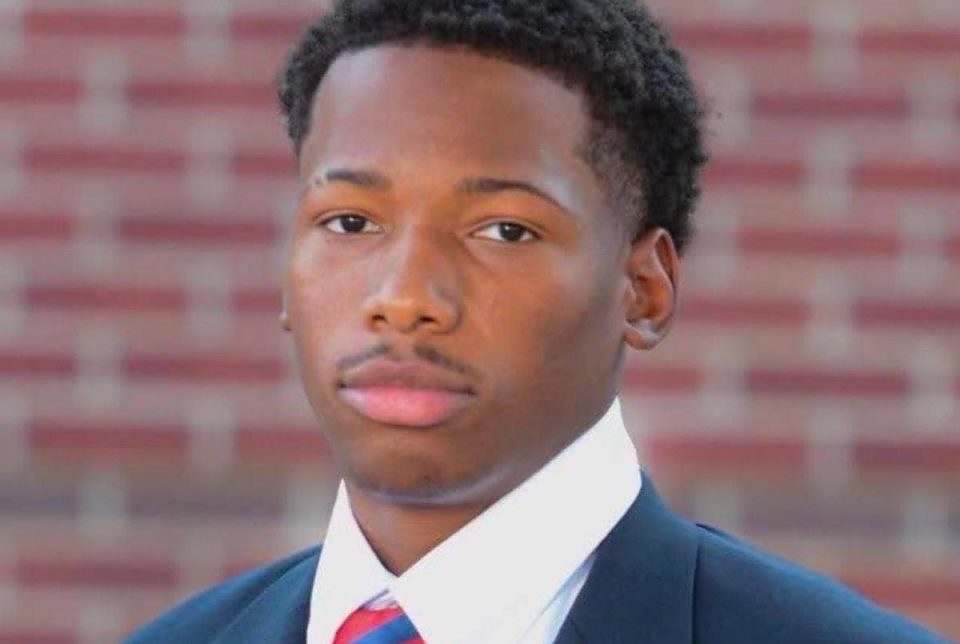
In a major early victory for the defense, the legal team for Karmelo Anthony has successfully removed the judge who presided over his high-profile murder trial. Visiting Judge Sid Harle granted the defense’s motion on Wednesday to recuse District Judge John Roach from hearing any further matters in the case, paving the way for a new judge to oversee Anthony’s bid for a retrial.
The ruling is a pivotal shift in the post-conviction fight for the 19-year-old, who was convicted of murder in June and sentenced to 35 years in prison following a fatal stabbing at a Frisco, Texas, high school track meet.
Anthony’s new pro bono defense team, led by attorney Russell Wilson, requested Roach’s removal after the judge made public comments following the trial.
In media interviews, Roach expressed his belief that the jury’s guilty verdict was correct and that the trial proceedings were fair. The defense argued that Roach’s publicly stated views created an implicit conflict, making it improper for him to impartially review their upcoming motion for a new trial.
Harle, a veteran visiting judge who recently presided over the Uvalde school shooting trial and serves on the Texas Commission on Judicial Conduct, acknowledged the high bar required to recuse a sitting judge, but emphasized that personal fairness was not the legal benchmark.
“It is a very high bar to recuse,” Harle said during the hearing, adding, “I serve on the Judicial Conduct Commission. I believe he could be fair in this matter.” Still, he clarified that personal belief is not the standard test for recusal.
With Roach officially removed from all future proceedings, Administrative Judge Ray Wheless will appoint a new judge to preside over the case. That judge will immediately take over to hear arguments on the defense’s motion for a new trial, in which Anthony’s legal team argues that his constitutional rights were violated during the original trial, pointing to issues surrounding public access to the courtroom, evidentiary agreements and jury instructions regarding self-defense.