

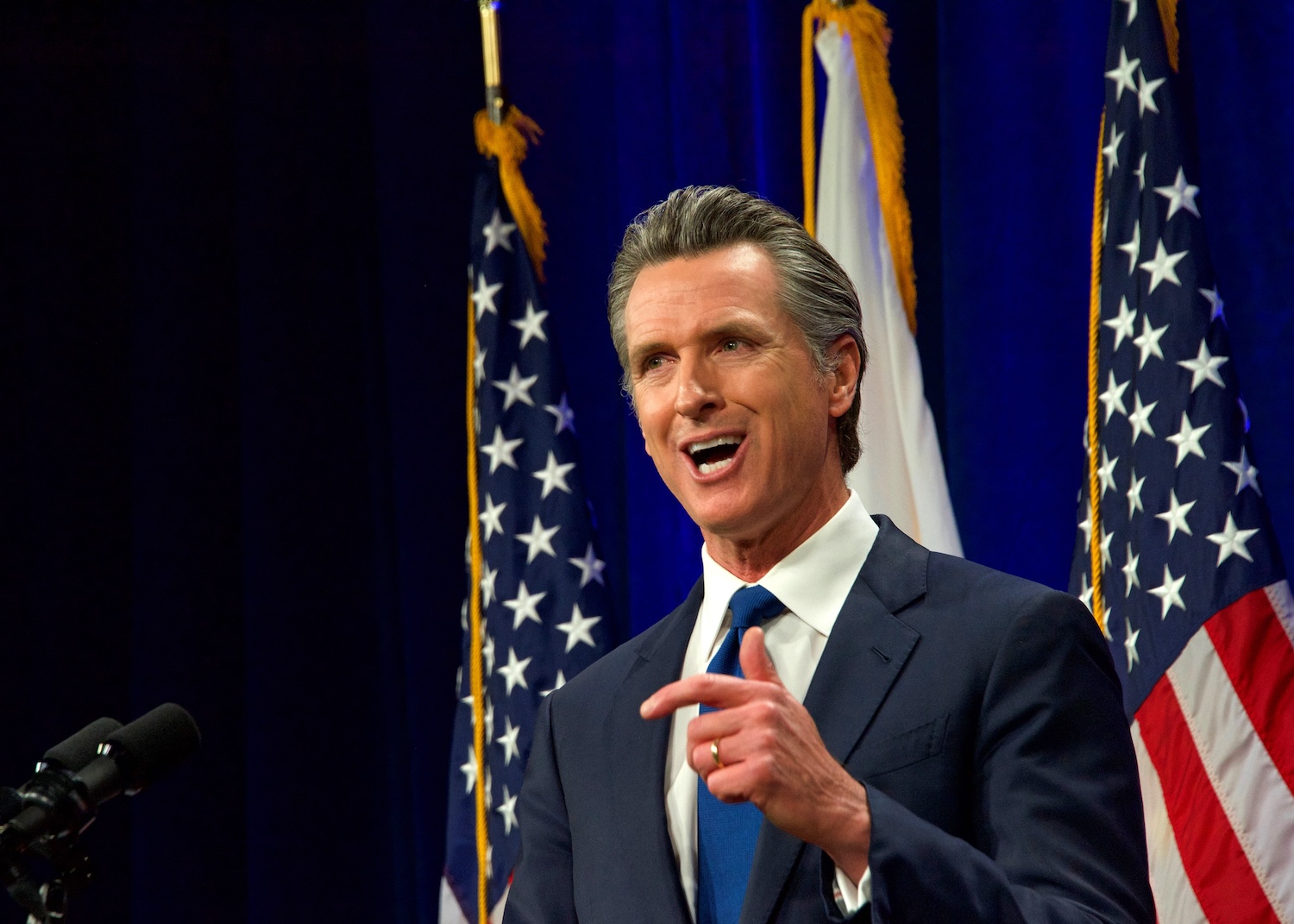
Governor Gavin Newsom is not letting it go. Days after the Trump administration announced a $1.776 billion “Anti-Weaponization Fund”, created as part of a DOJ settlement resolving Trump’s lawsuit against the IRS and widely described as a slush fund for January 6 defendants and political allies, Newsom declared that California intends to impose a 100 percent tax on any California resident who receives payment from the fund.
The announcement landed as one of the most aggressive state-level responses yet to a federal program that has drawn swift and bipartisan criticism since it was unveiled.
The fund was announced by the Justice Department as part of its settlement of a civil lawsuit Trump brought against the IRS over the leak of his tax returns. Under the terms of the deal, Trump receives a formal apology but no direct payment. The fund itself, $1.776 billion of taxpayer money, is designed to compensate people who claim they were targeted by what the administration calls the “weaponization of government.”
Newsom on weaponization slush fund: One thing I think we’re going to try to do is tax 100% anyone from California who receives any of those funds. That’s an action the state of California can take, and we look forward to taking it. pic.twitter.com/KCHbyw0Cbk
— Acyn (@Acyn) May 27, 2026
The practical effect, according to critics, is a payout mechanism for January 6 defendants, fake electors, election deniers, and Trump’s political allies at public expense. CNN reported that convicted January 6 rioter Dominic Box told the network he looked forward to financial compensation. MyPillow CEO Mike Lindell said he expected to receive funds.
The DOJ insists the fund has no partisan limit on who can apply. The administration has defended it by saying the people tied to January 6 and other Trump-era investigations were “horribly treated” and deserve reimbursement.
Newsom’s response is the most high-profile state-level pushback, but it is not the only one. In New York, Assemblyman Alex Bores has introduced legislation that would impose a 100 percent tax on any New York resident who receives payment from the fund, an identical mechanism to what Newsom has described for California.
States have broad authority to tax income received by their residents, and payments from a federal fund would generally be treated as taxable income at the state level. A 100 percent marginal tax rate on a specific category of income is unusual but not without legal precedent; Congress itself imposed a 90 percent tax on AIG executive bonuses in 2009 following the financial crisis bailout, though that bill ultimately did not become law.