

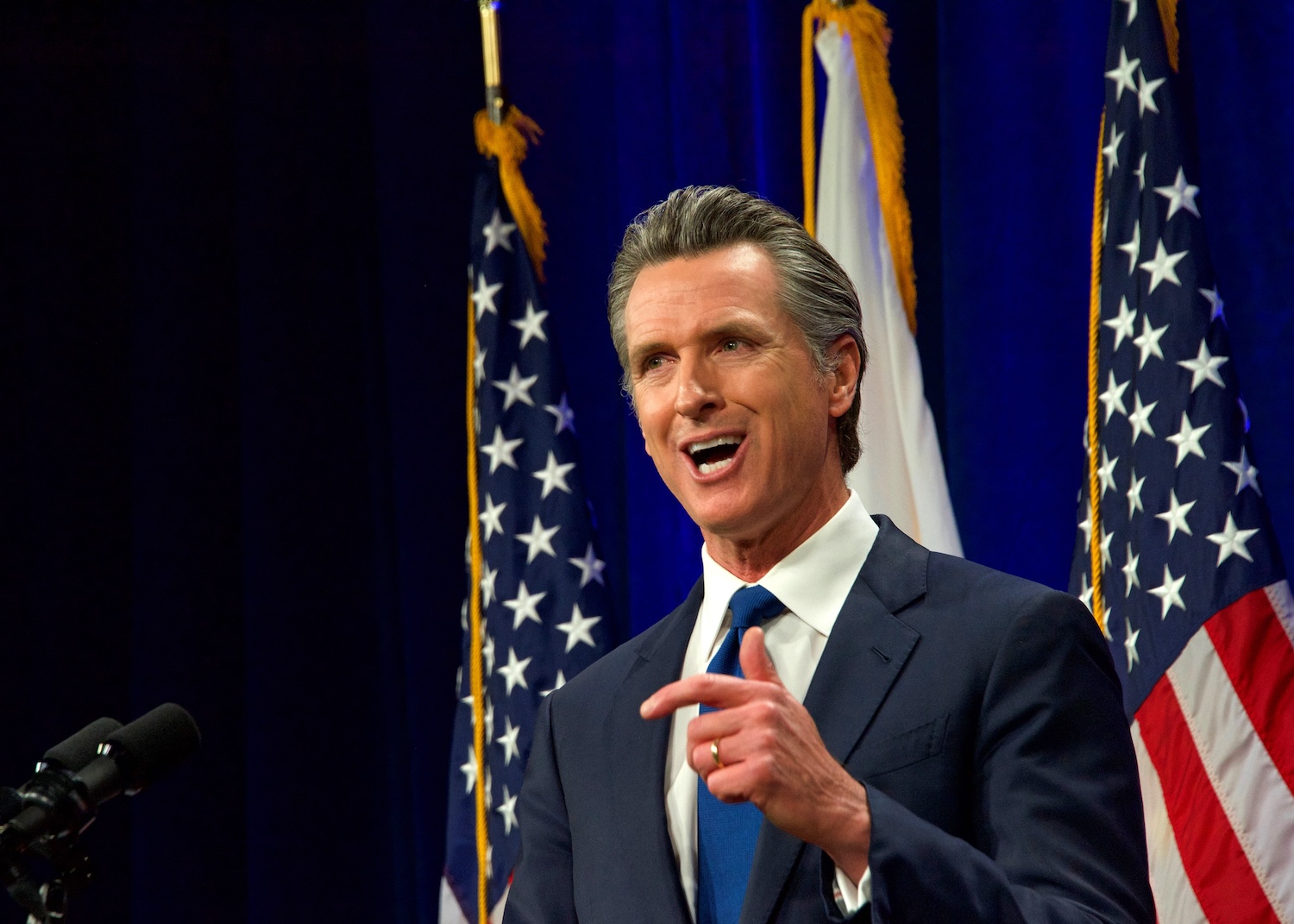
Governor Gavin Newsom recently announced that California is moving forward with a mandatory, one-semester personal finance course for all high school students. This initiative is a massive step toward ensuring that every student who crosses the graduation stage is equipped with the practical tools they need to manage their money, avoid crippling debt, and start building long-term wealth.
But the state isn’t stopping at the classroom door. Paired with this educational rollout, Governor Newsom also signed a major executive order during Women’s History Month aimed at closing the gender wealth gap and expanding financial pathways for women across California’s massive economy.
Here is a breakdown of how California is leveling up its financial literacy game for the next generation.
The New High School Curriculum: What Students Will Learn
Developed by the Instructional Quality Commission and officially adopted by the State Board of Education, this new curriculum is all about practical, real-world survival skills.
Rather than just touching on economics in passing, the new stand-alone course will dive deep into the daily realities of managing money.
The comprehensive curriculum guide is designed to cover banking basics, teaching students how to save effectively and dodge unnecessary bank fees. It also emphasizes everyday budgeting by offering practical strategies for managing daily expenses, alongside crucial lessons on understanding credit scores and managing debt responsibly.
Beyond day-to-day finances, the course prepares students for long-term success. It covers higher education financing by helping students navigate student loans, scholarships, merit aid, and career apprenticeships.
Additionally, it tackles future planning by introducing the basics of investing, retirement savings, and other wealth-building tools. Schools will begin offering this vital course in the 2027–2028 school year, and it will officially become a strict graduation requirement starting with the graduating class of 2030–2031.
Closing the Gender Wealth Gap
Financial literacy is only one piece of the puzzle; equitable access to capital is the other. Alongside the new curriculum, Governor Newsom and First Partner Jennifer Siebel Newsom rolled out an executive order to tackle the unique financial hurdles women face.
Right now, the United States is standing on the edge of the largest intergenerational wealth transfer in modern history, with an estimated $84 trillion to $124 trillion expected to change hands over the next twenty years. Despite this, women still receive a fraction of venture funding and hold a significantly smaller share of business and household wealth.
To ensure California’s economy is inclusive from the jump, the new executive order will launch a statewide effort to expand women’s access to capital and financial education.
The initiative aims to mobilize business leaders, investors, and philanthropists to direct more capital toward women-led investment funds and female entrepreneurs, while also directing state leaders to examine how existing financial systems can be tweaked to strengthen pathways to entrepreneurship for women.
Additionally, the order will explore a California-anchored investment vehicle designed to attract private capital specifically to support long-term wealth building in the state.
Building on a Foundation of Early Savings
Both the new high school course and the executive order build on programs the state already has in motion, most notably the CalKIDS program.
Launched by Governor Newsom in 2022, CalKIDS is the nation’s largest college and career savings program. It has already invested $1.9 billion into savings accounts for low-income school-age children (grades 1-12) and all children born in California on or after July 1, 2022.
By automatically funding these accounts with seed deposits of up to $1,500, the state is trying to smooth the gap between systemic wealth inequality and the skyrocketing costs of higher education.