

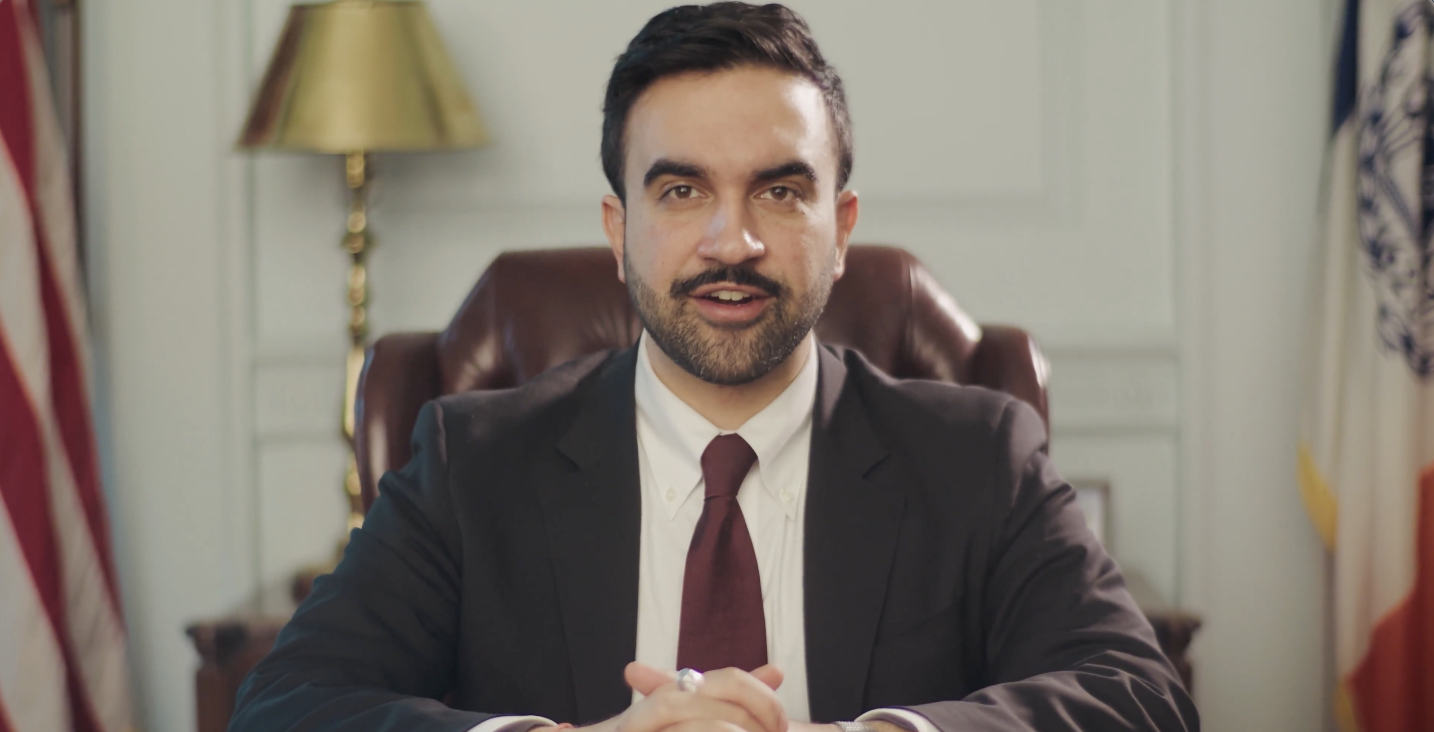
New York City says it’s finally ready to close one of the most notorious jails in America. Mayor Zohran Mamdani on Thursday released the city’s first comprehensive plan to shut down Rikers Island and move its population into four new borough-based jails by the end of 2032.
“It is time to finally close Rikers Island,” Mamdani said. He called the complex “a place we have long turned our eyes away from rather than confront head on.”
In a video shared alongside the announcement, the city laid out what’s at stake. Rikers is the country’s second-largest jail and one of its most violent. The video points to Kalief Browder, the young man from the Bronx who was held at Rikers for three years without trial as a teenager and died by suicide in 2015. It also points to “the thousands more like myself who were incarcerated here over the years.”
We’re closing Rikers once and for all. https://t.co/VJieReQmSK
— Mayor Zohran Kwame Mamdani (@NYCMayor) November 20, 2026
The voice behind that line belongs to Correction Commissioner Stanley Richards, who was once incarcerated at Rikers himself and now leads the department that runs it. “At Rikers, out of sight and out of mind is the norm,” the video says.
The plan replaces Rikers with four smaller jails closer to the courts, public transit and the people who matter most to those in custody.
Brooklyn’s facility, at 275 Atlantic Avenue, is scheduled to open first, in 2029. Queens and the Bronx follow in 2031, and Manhattan in 2032. Being closer to transit means families, lawyers and courts can reach people in custody faster. The new jails will also hold far fewer people.
The city aims to cut the jail population from about 6,600 today to no more than 4,100 by the end of 2032, which officials say will help correctional staff better protect the people in their care.
Mental and physical health are central to the plan. The city will add 236 therapeutic beds in hospitals in Brooklyn and the Bronx, bringing the total to 340. The goal is to move people with serious mental health and medical needs out of jail cells and into round-the-clock hospital care.
The city also plans to speed up the exchange of evidence and tackle court backlogs that keep people waiting in pretrial detention, often for months or years. The plan includes $146 million in next year’s budget for in-jail programming, community-based services and victim support.
“Our city is safest when our government refuses to accept failed approaches to public safety, just because it’s always been done this way,” the video says. “Step by step, we will build a city we can all be proud of, where dignity for everyone means safety for everyone.”
There’s a catch. In 2019, the City Council voted to close Rikers by 2027, and the city is all but certain to miss that deadline. The new 2032 timeline needs the Council’s approval, and the Council plans to introduce legislation to update it. Speaker Julie Menin backed the plan, saying, “We must bring this troubling chapter in our city’s history to an end once and for all.” Rikers remains under federal oversight after a judge cited “abnormal and unacceptable” conditions and appointed an outside manager to restore order.
For the Black and brown New Yorkers who have made up the vast majority of people held on Rikers for decades, the promise of closing it has been made before. This time, the city says it has a road map, and a deadline it plans to keep.