

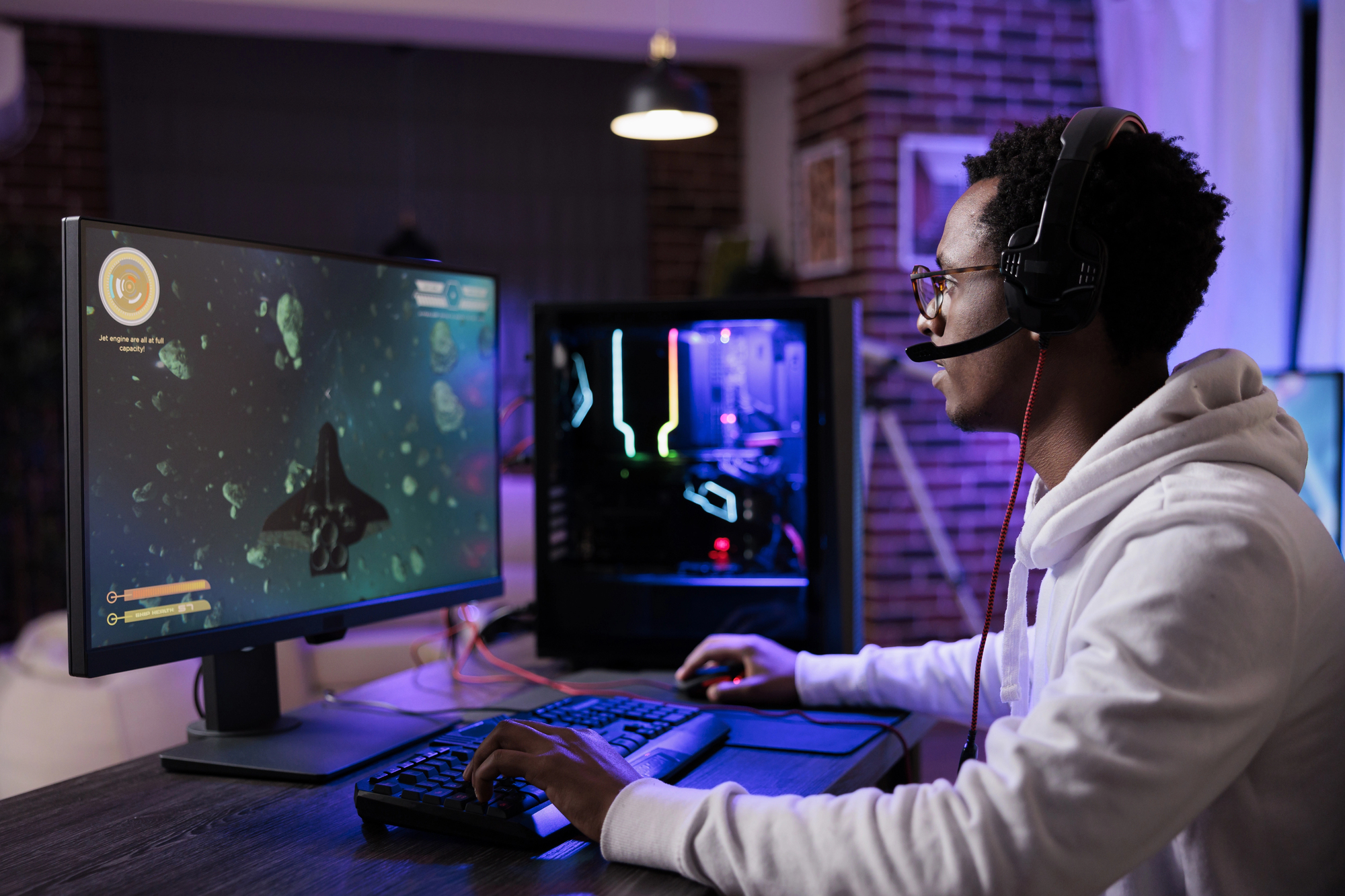
Entertainment constantly evolves, yet many people continue to gravitate towards familiar experiences from earlier stages of their lives. Whether it involves music, television, video games or shared recreational activities, nostalgia often influences the choices you make. A familiar theme tune, a recognisable game mechanic or a modern version of a classic activity can create an immediate connection. While people enjoy discovering new forms of entertainment, they also appreciate experiences that remind them of positive memories, established routines and moments they already associate with enjoyment.
Familiar Experiences Feel Easier to Approach
One reason nostalgia remains influential is that familiar entertainment requires less effort to understand. When you already recognise the basic rules, characters or format, you can engage with the experience more quickly.
For example, someone who enjoyed classic platform games as a child may feel comfortable trying a modern title that uses similar mechanics. The player does not start from zero because previous experience provides useful context. This familiarity reduces uncertainty and allows people to focus on enjoyment rather than learning complex systems.
If you want to explore a new form of entertainment, consider starting with something that shares characteristics with an activity you already enjoy.
Nostalgia Creates Emotional Connections
People rarely remember entertainment solely because of technical features. More often, they remember how a particular experience made them feel and who they shared it with at the time.
A television series might remind you of evenings spent with family, whilst a particular game could bring back memories of weekends spent with friends. These associations can make familiar entertainment feel appealing even years later. When companies revisit established formats, they often attract audiences who want to reconnect with those experiences.
This emotional connection explains why remakes, reboots and updated versions continue to appear across multiple sectors of the entertainment industry.
Modern Technology Gives Classic Formats New Life
Developers and creators frequently combine traditional ideas with contemporary technology. This approach helps older concepts reach new audiences without losing the qualities that made them popular in the first place.
Many digital platforms have introduced updated versions of arcade games, allowing players to enjoy familiar styles of gameplay on modern devices. Online play, improved graphics and social features can make these experiences more accessible than their original versions. At the same time, the core mechanics often remain recognisable enough to appeal to long-time fans.
This balance benefits both existing audiences and newcomers because it preserves familiarity while improving convenience and accessibility.
Nostalgia Works Best Alongside Innovation
Although nostalgia attracts attention, entertainment products rarely succeed by relying on memories alone. People may return because something feels familiar, but they usually stay because the experience remains enjoyable in the present.
Successful creators often identify what audiences valued originally and then adapt those elements to modern expectations. A game developer might retain a classic visual style while improving controls. A streaming service may revive an older programme while updating storytelling techniques for contemporary viewers.
Pay attention to how modern entertainment combines familiar ideas with practical improvements. The most effective examples recognise that nostalgia works as a starting point rather than a destination. By blending established experiences with thoughtful innovation, creators can appeal to long-time fans while introducing classic forms of entertainment to entirely new audiences.
Photo Credit: DepositPhotos.com