

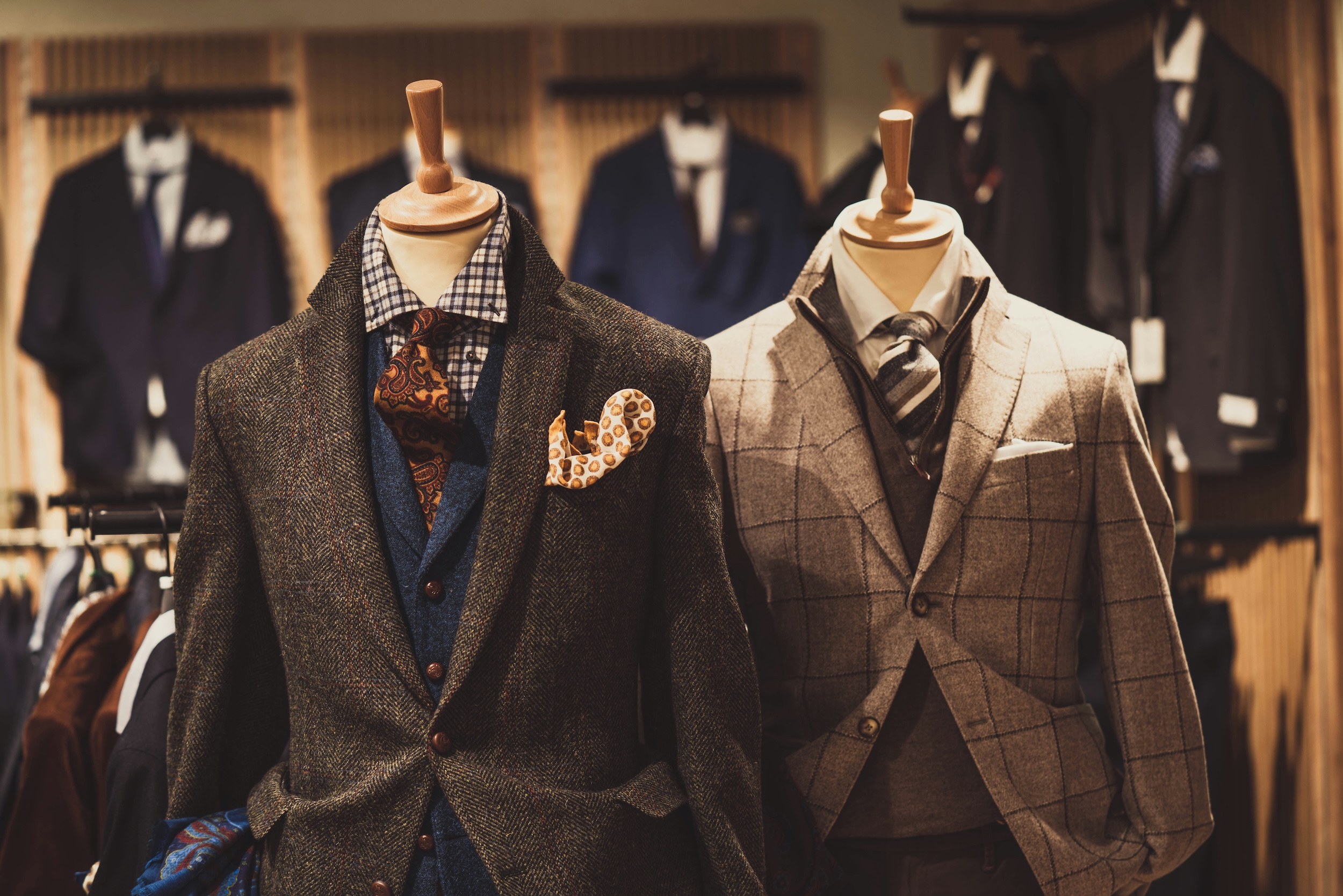
Your professional competence has nothing to do with your choice of outfit. Absolutely nothing. Still, what you wear speaks before you say a word. Emily Rosado-Solomon, a Babson College professor who studies workplace behavior, framed it well.
“First impressions aren’t fair, but they are powerful.” When discussing workplace dress, she added, “If you look the part, you seem more competent and professional.” In other words, there is plenty riding on perception alone.
Men have traditionally had a fairly narrow office wardrobe, with visible interest in fashion sometimes treated as unnecessary. Thankfully, this attitude is loosening. In 2024, Pew found that 42% of Americans strongly agree that men put considerable effort into style.
Having said that, no man needs a survey before buying a better jacket or caring about fit. It simply makes the timing more interesting. Now we will cut straight to the chase and discuss how to sharpen office attire without overdoing it.
Suit Up the Smart Way
Remember Barney Stinson from HIMYM? His obsession with suits, his whole rationale behind wearing one every single day? Turns out, he was onto something. According to industry research, men’s suits make up 55% of total formalwear sales. The tricky part about suits is how much can go wrong if the fundamentals are not in alignment.
For instance, picture a guy with a fairly average build wearing a boxy, oversized charcoal suit with mismatched brown shoes and a busy patterned tie. The shoulders sag past where they should sit, the trouser stacks at the ankle, and the jacket length throws off his whole silhouette. One wrong sizing choice and the entire look falls apart, no matter how sharp the fabric is.
There’s nothing fundamentally wrong with off-the-rack suits, to be clear. A good tailor can fix the most common sizing issues around the shoulders and sleeves. But if the shoulder seam itself is wrong to begin with, there is not much a tailor can do to save it.
Michael B. Dougherty, a writer and marketing consultant to menswear brands, put it simply. “If you don’t get the initial fit right, you’re never going to,” he noted, “no matter how much money you pour into it.”
You don’t have to worry about the perfect fit with custom suits. A made-to-measure suit gets built around your specific shoulder slope, arm length, and torso shape, not a generic size chart.
Whether you are broad-shouldered, lean, or carry weight around the middle, a custom cut works with your frame instead of forcing your frame to work with it. The result is a suit that sits right at every point, from collar to cuff.
How to Accessorize a Formal Suit
For accessories, keep it simple and let a good watch do the heavy lifting. A clean leather strap or steel bracelet piece works well without pulling focus from the suit itself. Cufflinks are a nice touch too, especially in silver or gunmetal tones that don’t compete with your tie or pocket square.
As for shoes, you can’t go wrong with leather. A dark brown or black derby pairs incredibly well with almost any suit color, notes Your Average Guy Style. Stick to timelessly fashionable silhouettes so your shoes never look dated, even years down the line.
The right footwear can elevate almost any outfit, regardless of the occasion. If you want help getting the outfit-shoe pairing right, here’s a nice guide on building your footwear collection for men who care about the little details.
Dress Sharp With Semi-Formals
Semi-formal attire sits in that comfortable middle ground between a full suit and casual wear. A blazer paired with tailored trousers works beautifully here, especially in navy or soft grey tones. Chinos with a crisp button-down shirt offer another easy option, clean but not stiff. For cooler months, a knit sweater layered over a collared shirt brings texture without looking too dressed down.
For accessories, a leather strap watch in brown or tan tones fits this vibe perfectly, striking that balance between polished and relaxed. Understated jewelry works well too, think a simple silver chain or a slim signet ring, nothing too flashy or attention-grabbing.
When it comes to shoes, loafers are your best friend in semi-formal settings. Formal loafers typically carry a cleaner silhouette with a polished finish that pairs effortlessly with tailored trousers.
Some feature embroidery, chains, textured leather, or small motifs across the upper, adds Perroquet Shoes. Since these details add visual weight, pair them with solid trousers, simple knits, and shirts without competing patterns.
Let Textures Do the Heavy Lifting
Color gets most of the attention in office dressing, but texture can make a simple outfit look far more considered. When an outfit feels plain, most guys reach straight for a bolder color or a louder pattern. Wrong move.
The smarter way forward would be experimenting with different textures. A pale blue Oxford shirt has more surface character than smooth poplin. Charcoal flannel trousers add softness, while a fine-gauge merino polo sits neatly beneath a navy blazer.
The outfit still reads sharp and professional, but there is more to notice up close, and that detail is what elevates it. The trick here is to create contrast without making every piece compete for attention. If the trousers have a brushed finish, it keeps the shirt cleaner and smoother.
This idea overlaps with tonal dressing, where texture rather than color creates contrast and depth within a single outfit.
Seasonality plays a critical part here. For warmer months, lighter weaves such as hopsack, linen blends, and tropical wool keep tailoring breathable without looking too casual. They work especially well with blazers, trousers, and summer-weight suits.
Winter gives you more room to introduce depth. Flannel trousers, brushed cotton shirts, corduroy jackets and cashmere knits all bring warmth without sacrificing polish.
The main thing is matching the weight of the fabric to the formality of the outfit. A fine corduroy jacket can work beautifully in the office, while chunky corduroy feels more relaxed. The same applies to knitwear.
Keep the cut clean, the colors controlled, and the textures balanced. That way, seasonal fabrics add character to formalwear without making the outfit feel heavy, busy, or overly styled.
FAQs
How many suits does a man need for the office?
Two to three well-fitted suits in versatile colors, like navy and charcoal, cover most workweeks comfortably. Rotating them keeps fabric wear even and gives you enough range without overspending on a wardrobe you rarely repeat.
How often should dress shoes be resoled or replaced?
Quality leather shoes typically need resoling every twelve to eighteen months with regular wear. With proper care, including shoe trees and rotation between pairs, a good pair can last several years before replacement becomes necessary.
Is it fine to wear the same watch every day at work?
Absolutely. A reliable everyday watch can effectively build a subtle personal signature over time. Save a second piece for evenings or special occasions if you want variety, but daily repetition is not a style mistake.
Key Data at a Glance
| Data Point | Detail |
| Formalwear market share | Men’s suits account for 55% of total formalwear sales |
| Style acceptance | 42% of Americans find it very acceptable for men to invest effort in fashion (Pew, 2024) |
| Fit expert insight | Michael B. Dougherty stresses that initial fit determines a suit’s success, regardless of spend |
Dress Smarter, Not Harder
Office style would get easier once you stop treating every outfit like a test. Some days call for sharper tailoring, while others leave room for softer pieces and a little more personality. Over time, the combinations that feel natural become easier to spot.
You also get better at knowing when an outfit needs one small adjustment rather than a complete rethink. And while you’re at it, leave a little room for personality too. A favorite watch, distinctive loafers or a textured jacket can do that without making office dressing feel overworked.