


Australia is vast, and its best corners rarely sit near a train line. A hire car turns that scale from a problem into the whole appeal, putting beaches, bush, and outback towns within easy reach.
Alt text: A traveler collecting rental car keys
The catch is that renting a car Down Under has a few quirks worth knowing first. Booking with a local specialist like East Coast Car Rentals handles the basics, but understanding the process still saves money and stress. Here is what every first-timer should know.
Why Hire a Car In Australia?
Because public transport only takes you so far. Cities are well served, but the moment you want a quiet beach, a winery, or a national park, a car becomes close to essential.
It also opens up the country’s scale. Australia suits drivers who set their own schedule between regions, part of the freedom that comes with living well and exploring on your own terms.
A car suits the way people actually explore. You can change plans on a whim, carry your gear, and reach sunrise spots long before any tour group arrives.
For most visitors, then, the question is not whether to hire a car, but how to do it well. That starts with picking the right vehicle.
What Should You Look for In a Rental Car?
The right match for your trip, not just the cheapest sticker price. A vehicle that fits your route and group saves both money and headaches. Focus on these:
- Size. Enough seats and boot space for people and luggage.
- Transmission. Most rentals are automatic, but confirm before booking.
- Fuel type. Check the economy if you plan long distances.
- Insurance. Understand the excess and what cover is included.
- Mileage terms. Confirm whether kilometers are capped or unlimited.
Each factor shapes the real cost of the rental. The headline daily rate rarely tells the whole story once extras are added.
The insurance point matters most. A low daily rate with a high excess can cost far more than a slightly pricier deal with proper cover, so read that section closely.
What Road Rules Should You Know?
A handful of essentials, starting with the big one: Australia drives on the left. For visitors from right-hand countries, that takes a day or two of focus, especially at roundabouts.
Speed and safety are taken seriously, with posted limits, seatbelt laws, and strict drink-driving thresholds enforced through regular testing. It is worth looking at the official driving rules before you set off.
Conditions vary by region, too. Long rural stretches, wildlife on the roads at dawn and dusk, and the need to carry water all feature in official guidance on driving in Australia.
None of it is difficult, but it is different. A few minutes reading the local rules before you collect the keys prevents both fines and frights.
How Do You Get the Best Deal On a Rental?
By planning ahead and comparing like-for-like. A little effort up front often shaves a surprising amount off the final bill. The numbers below set expectations.
- Drivers usually need to be at least 21, sometimes 25.
- Book 2 to 4 weeks ahead for the best rates.
- Daily rates can swing 30 percent or more by season.
- A full-to-full fuel policy is almost always the cheapest.
- Budget for 1 extra driver if you plan long days.
Those details add up fast. The table below frames the main ways to save.
| Tip | Why It Helps |
| Book early | Locks in lower rates before they climb |
| Compare totals | The cheapest daily rate is not the cheapest trip |
| Skip the airport desk | City branches are often cheaper |
| Refuel yourself | Avoids inflated prepaid fuel charges |
| Check your own cover | A travel policy may already include excess |
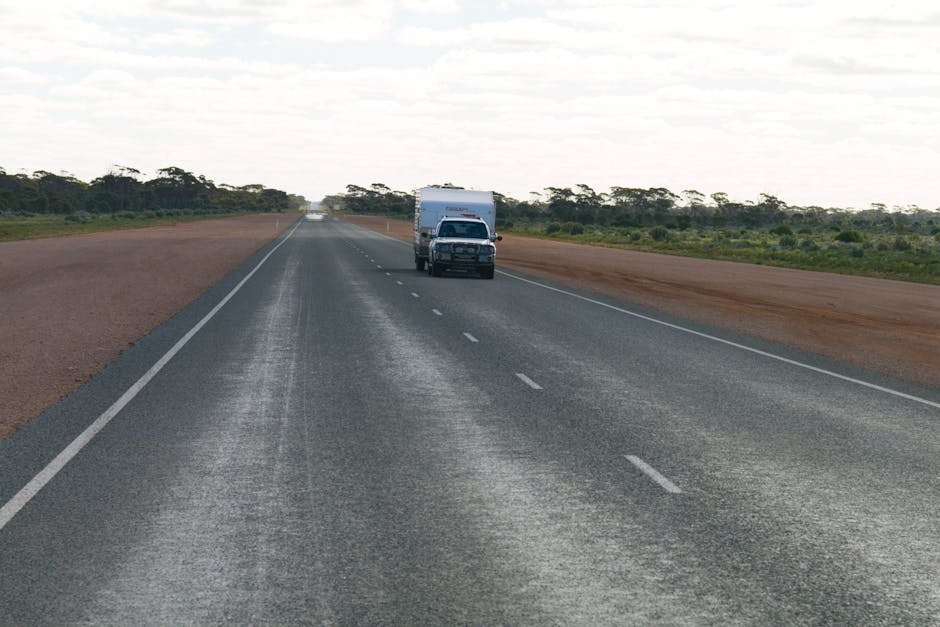
Photo by Mark Thomas on Pexels
Each tip protects your budget without costing you convenience. The biggest savings come from comparing the full quote, not just the daily figure.
Treat the booking like prepping for an adventure abroad: a little preparation now makes the whole trip smoother later.
The Short Version
- A hire car is the best way to reach Australia’s best spots.
- Match the car to your route, group, and luggage, not just price.
- Read the insurance and mileage terms before you book.
- Remember to drive on the left and learn the local road rules.
- Book early and compare full quotes to get the best deal.
Hit the Road With Confidence
Renting a car in Australia is straightforward once you know the ground rules. Pick a vehicle that fits the trip, understand the insurance, and respect the left-hand drive and the long distances. Compare full quotes rather than headline rates, book ahead, and you will spend less while gaining the freedom that makes an Australian trip special. Sort the car, and the rest of the adventure opens up.
Frequently Asked Questions
Can Tourists Rent a Car In Australia?
Yes. Visitors can generally rent a car with a valid driving permit, and an International Driving Permit is recommended if the license is not in English. Most companies require drivers to be at least 21, with younger drivers sometimes paying a surcharge. Booking ahead secures the best choice and rates.
Is It Hard to Drive On the Left In Australia?
Not for long. Driving on the left feels strange for the first day if you are used to the right, particularly at roundabouts and junctions. Most people adjust quickly by staying alert and starting on quieter roads. Taking it slowly at first makes the transition smooth and safe.
What Kind of Car Should I Rent In Australia?
It depends on your trip. A compact car suits city stays, while a larger vehicle or wagon fits families and long touring routes with luggage. Most rentals are automatic. If you plan remote or unsealed roads, check whether the vehicle and insurance allow it before you book.
How Can I Save Money On a Car Rental?
Book a few weeks ahead, compare the full quote rather than the daily rate, and consider city branches over airport desks. Choose a full-to-full fuel policy and check whether your travel insurance already covers the excess. Small comparisons like these often save more than chasing the lowest sticker price.
Photo Credit: DepositPhotos.com