

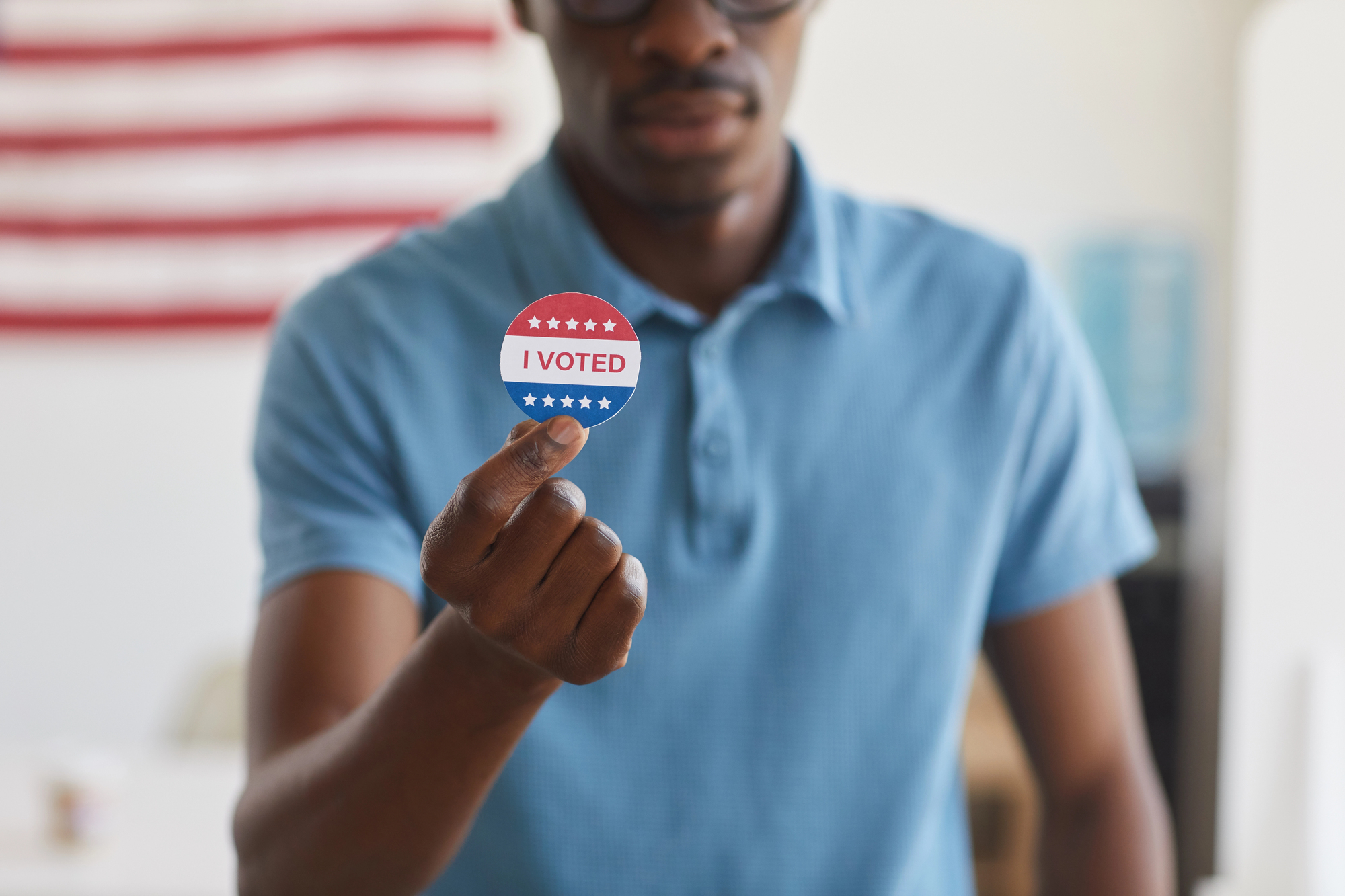
In the 2022 midterms, about 603,000 eligible Black voters in Ohio did not cast a ballot, according to a June 2026 study by the Ohio Legislative Black Caucus Foundation. That same year, JD Vance won Ohio’s U.S. Senate seat by 252,625 votes.
You can do the math. The people who stayed home could have outvoted that margin more than twice over.
Ohio is not an outlier. Nationally, Black turnout fell from 51.7% in 2018 to 42% in 2022, according to Census figures reported by The Washington Post. With Election Day five days away, the question is not whether Black men have power at the ballot box. It is whether they will use it.
Silence Is Counted Too
There is a popular idea that skipping an election is a form of protest. It isn’t, at least not one anyone in power hears. A protest makes a demand. An empty ballot makes none.
Campaigns don’t read low turnout as anger. They read it as a map of who they can afford to ignore. The next round of budgets, ad buys, and door knocks follows the people who voted last time.
The races on the 2026 ballot are not abstract. In Ohio, Sherrod Brown faces Jon Husted in a special election for the U.S. Senate. In Georgia, where Black voters make up about 31.5% of the eligible electorate, Jon Ossoff faces Mike Collins. In Mississippi, where the share is about 40%, Scott Colom is challenging Cindy Hyde-Smith, according to an analysis by B|E Strategy. In Alabama’s 2nd District, Shomari Figures is in a race the Cook Political Report moved toward competitive on October 23.
Those races will decide who writes laws on policing, small-business lending, health care, and how much a paycheck buys at the grocery store. Whoever wins, the result lands closest to the communities that sat it out.
The Strongest Case for Staying Home
The counterargument deserves a real hearing. Many Black men feel that neither party has earned their vote. They have heard the promises every two years and watched them shrink after the polls closed.
The Ohio study backs part of that complaint. Shayla Davis, the foundation’s president, told WOSU that many of these voters are never contacted because campaigns do not see them as relevant. “Those people never get asked,” she said. She also described a “disconnect” between “what is happening politically and what they see happening in their day-to-day lives.”
That is a failure of the campaigns, not the voters. But staying home doesn’t punish the campaigns. It confirms their assumption that you weren’t coming anyway.
The better answer is to vote and make the vote cost something. That means voting in the primaries, where the choices are wider. It means voting down-ballot, where a few hundred votes can decide a school board or a prosecutor’s race. And it means making candidates ask for the vote in person, on your block, about your issues.
A ballot isn’t a loyalty card. It doesn’t mean you trust a party, and it doesn’t mean you’ve forgiven anything. It is leverage, and leverage only works when it is used.
You can vote for a candidate you are not excited about and still hold that candidate to account the next morning. You can’t hold anyone to account from the sidelines.
Black men have heard plenty of lectures about voting. This isn’t one. It is a reminder that the 603,000 Ohioans who stayed home in 2022 were counted after all. Their absence helped decide the outcome.
For now, early voting is underway in many states, and Election Day is Tuesday, November 3.
Photo Credit: DepositPhotos.com