

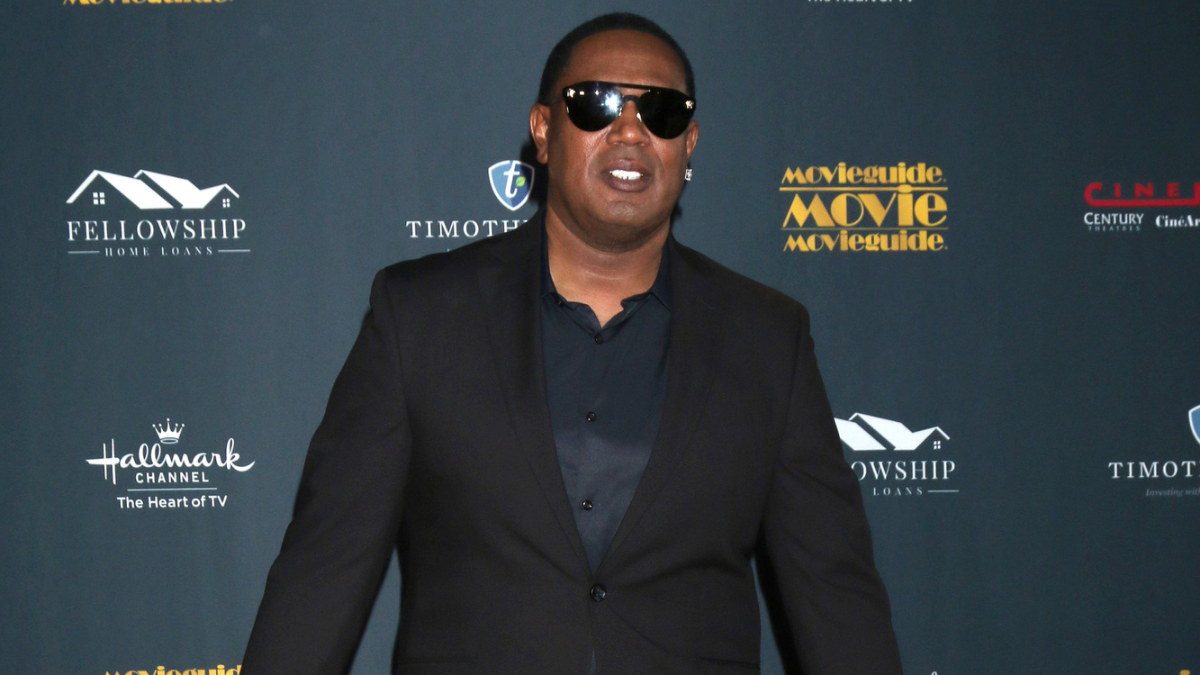
Master P recently drew criticism after saying Black people need to stop “harping on” slavery and focus more on changing the future. Speaking on Forbes’ The Enterprise Zone, the rapper and entrepreneur argued that ownership, financial literacy and better business decisions are more productive paths toward closing the racial wealth gap.
His comments sparked a larger debate about whether Black economic progress is primarily a matter of mindset or whether that framing overlooks the historical systems that created the gap in the first place.
In the full interview, Master P’s point was centered on ownership and economic progress. He argued that Black Americans should spend more time focusing on what can be built moving forward, including businesses, financial knowledge and generational wealth, rather than allowing the past to define the future.
Master P says he doesn’t harp on slavery while opening up about trying to get the negative mindset out of the culture, as he addresses Black people who are still harping on slavery and says he can’t change the past, but he can change the future.
— The Art Of Dialogue (@ArtOfDialogue_) August 22, 2026
(🎥 The Enterprise… pic.twitter.com/K65uckev9T
He later clarified that he was not suggesting slavery should be forgotten, but that he believes the Black community should put more energy into creating opportunities and closing the wealth gap today.
There is some truth in Master P’s message. Financial literacy, ownership and entrepreneurship all play a major role in helping Black families build and preserve wealth. But it is not as simple as changing a mindset.
Black Americans are not operating on an even playing field, and many of the disparities that exist today are connected to generations of exclusion from homeownership, access to capital, business opportunities and inherited wealth. Those disparities have also had psychological effects.
When generations of Black Americans have been denied fair access to housing, banking, education, employment and other institutions tied to wealth-building, the effects of that exclusion do not disappear overnight. It can shape the way they think about money, security, opportunity and even what feels possible for them.
Certain fears, habits and ways of thinking can become deeply rooted over time. That does not mean Black Americans are incapable of changing those patterns, but it does mean telling people to simply change their mindset makes the issue sound much easier than it actually is. Mindset matters, but mindset is also shaped by history, environment and access.
We cannot break these cycles if we do not fully understand the effects they created in the first place. And the truth is, slavery was not that long ago. Its end was only a few generations removed from people living today, and the systems that followed it continued to limit Black Americans long after emancipation.
That history shaped more than wealth. It shaped access, opportunity, trust and the way some families learned to think about survival and security. If those patterns were built over generations, they are not going to disappear simply because people are told to think differently.
But both things can be true. Black Americans can acknowledge the effects of history while also taking responsibility for building something different moving forward. People like Master P are examples of what breaking those patterns can look like. He built businesses, created ownership for himself and found ways to turn success into something larger than a paycheck.
But I do not think that means the conversation should be approached as if everyone can simply choose a different mindset and get the same result. His success can be inspiring without becoming proof that the barriers no longer matter. Breaking a cycle starts with recognizing that the cycle exists, understanding how it was created and then figuring out how to move differently within it.
Master P’s larger message about ownership, financial literacy and building for the future is important. Black Americans should be encouraged to create wealth, break patterns and build something that can be passed down. But moving forward does not require saying the past does not need to be talked about. In fact, understanding how those patterns were created is part of how they are broken.
Black people can take responsibility for what comes next while still acknowledging the history that shaped where we are now. Progress is not about ignoring the past. It is about understanding it well enough to build differently moving forward.