

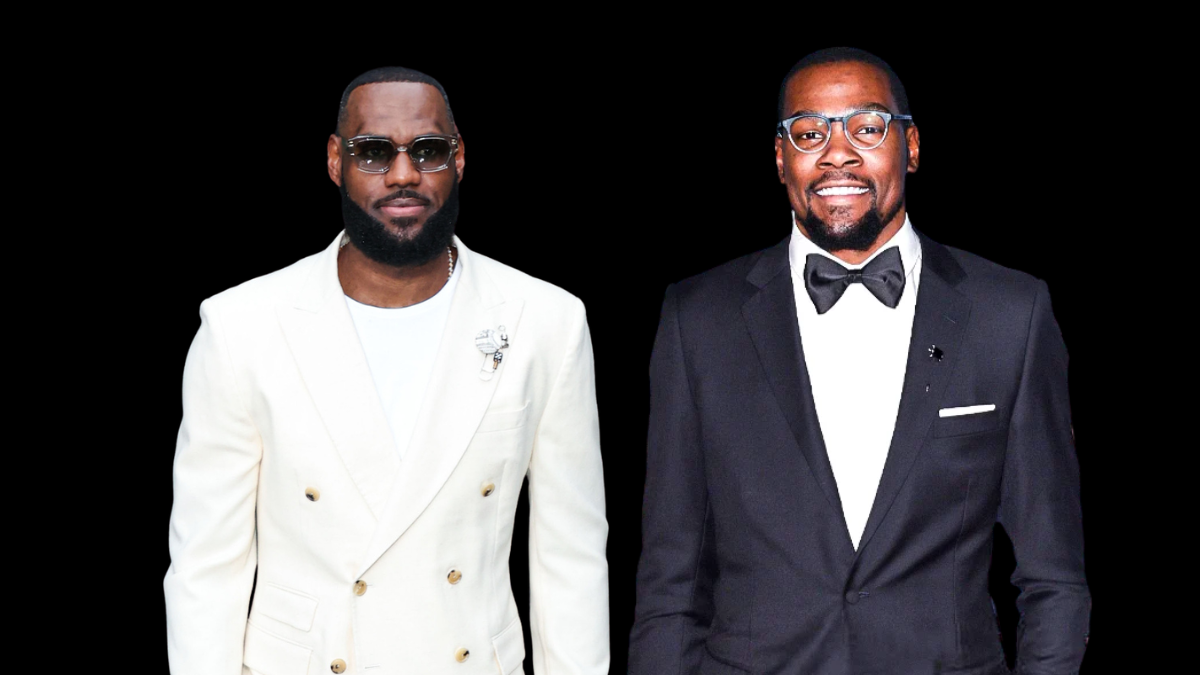
LeBron James and Kevin Durant are investing in a new high school basketball league that wants to give teenage players something the summer circuit never has: ownership. The Futures Basketball League, announced on November 10, plans to launch in April 2027.
James is investing through LRMR, the fund he started with Maverick Carter. Durant is in through Boardroom Sports Holdings, which he built with Rich Kleiman. Former NBA MVP Derrick Rose, Orlando Magic forward Paolo Banchero and entrepreneur Gary Vaynerchuk are also investors. Rose will run the league’s Chicago team.
How It Works
The league aims to bring the top 120 under-18 players in the country onto 12 regional teams. Teams recruit within their territory, but the league itself contracts and pays the players.
Players can take their NIL compensation in cash, in equity in the league or in a mix of both. Lindy’s Sports reports the equity option is still subject to administrative approvals and that players keep their high school and college eligibility. Players from the classes of 2028 through 2031 have started signing, according to the outlet.
The first season will run 10 weekends from April through August and end with a national championship. Team stakes have been priced at $6 million each, and team buyers also receive league equity.
“The top 150 basketball players under 18 in the country play on over 200 different teams in seven different leagues,” league chairman and co-founder Jason Stein told ESPN.
“It’s something that I wish that I would have had when I was playing when I was a youngster,” Rose said.
The Pushback
Not everyone is sold. “It’s great they want to pay the kids, but the question is always what the sneaker companies are going to do,” former sneaker executive Sonny Vaccaro told ESPN. Shoe-company circuits dominate the summer calendar now.
Tom Farrey of the Aspen Institute raised a deeper concern. “It’s commercializing and monetizing them at every stage without any adherence to athletic or child development principles,” he told ESPN.
For now, pay amounts have not been disclosed, and the league plans to sell sponsorships and pursue a media rights deal.
If the equity piece survives approval, it could teach a generation of Black teenage athletes the lesson James and Durant learned late: the real money is in owning a piece of the game.