

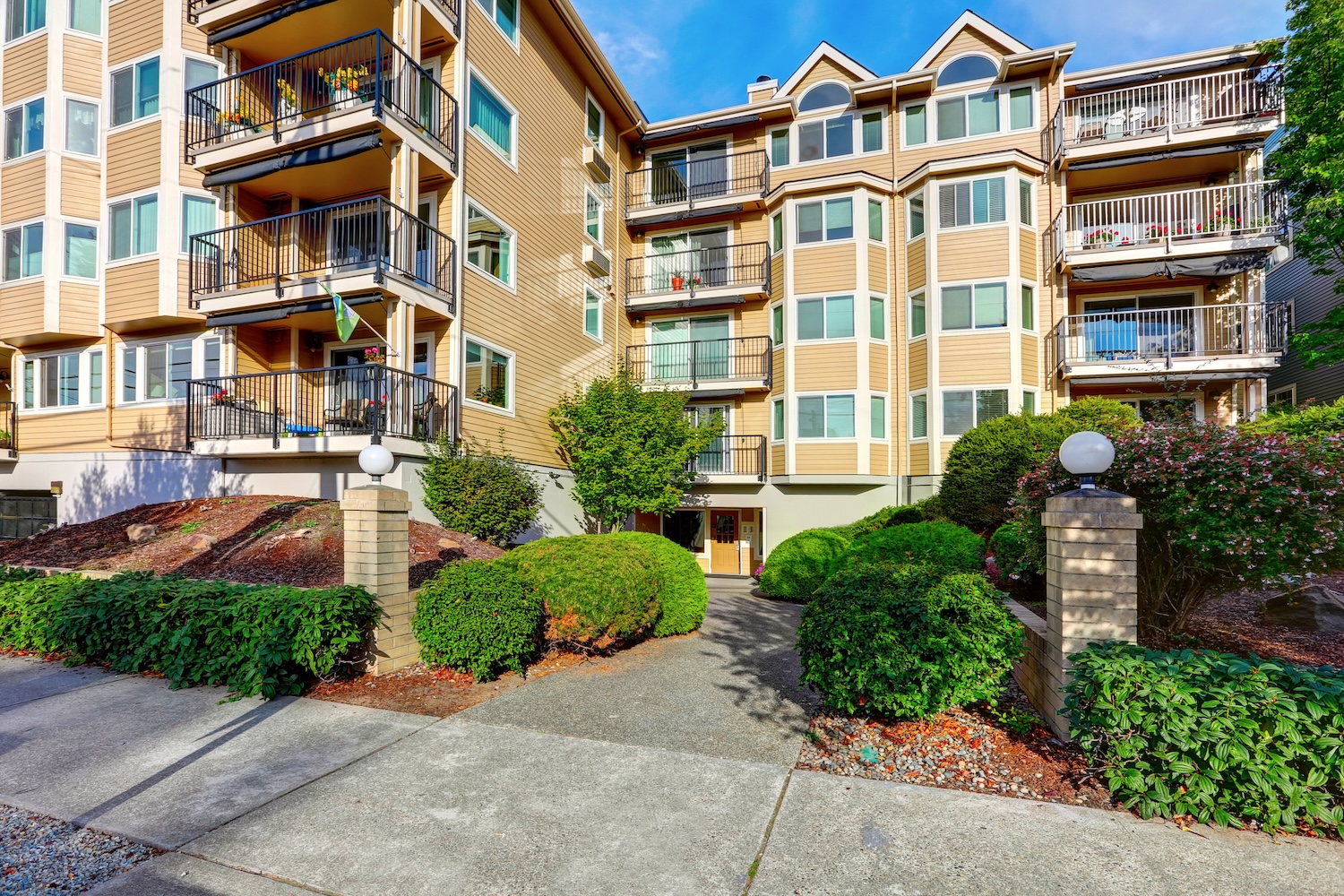
Moving into an independent living community changes daily routines, housing responsibilities, and social opportunities. The right choice depends on health needs, finances, location, and personal preferences rather than attractive photos or a busy activity calendar. Prospective residents should inspect the contract, apartment, services, and emergency procedures before signing. A careful review also helps families compare communities fairly and plan for future care needs. The following points clarify what to consider before moving in.
Location affects access to physicians, grocery stores, recreation, family, and familiar services. People comparing independent living in Salt Lake City, Utah, should check drive times during normal traffic, winter road conditions, and nearby public transportation. A convenient address reduces travel demands and keeps regular visits practical. The surrounding area also influences whether residents can continue attending favorite appointments, classes, faith communities, or volunteer activities.
1. Review the Financial Agreement
The monthly fee rarely tells the complete financial story. Ask for a written breakdown of rent, meals, utilities, housekeeping, transportation, activities, parking, storage, and any one-time charges.
Read the agreement before paying a deposit. Check the length of the lease, notice requirements, refund rules, annual increases, guest policies, and conditions that could require a move. Ask how the community handles unpaid balances or a resident’s death.
A realistic budget should include personal expenses outside the community. Prescription costs, insurance premiums, clothing, hobbies, personal care, and transportation can affect affordability after move-in.
2. Match Services With Daily Needs
Independent living usually suits residents who manage personal care without routine hands-on assistance. Each community defines that boundary differently, so prospective residents should request its written criteria.
Ask who responds if a resident falls, becomes ill, or needs help during the night. Clarify whether staff provides reminders, wellness checks, medication assistance, or referrals to outside providers. These details matter if health needs change.
Residents should also ask how a community handles a transition to assisted living or skilled nursing. A clear process reduces confusion during a stressful period, even when no move is expected soon.
3. Inspect the Apartment and Common Areas
An apartment should fit current habits, furniture, mobility needs, and storage requirements. Measure large furniture before moving and check door widths, bathroom access, closet space, lighting, flooring, and window operation.
Inspect the kitchen, laundry access, heating, cooling, outlets, and internet service. Ask which repairs staff handle, how residents submit requests, and how quickly urgent problems receive attention.
Spend time in shared spaces at different times of day. Noise, hallway traffic, dining-room conditions, elevator wait times, and outdoor access often become clearer during an ordinary visit.
4. Ask About Meals, Transportation, and Activities
Dining arrangements affect health, budget, and satisfaction. Request current menus, meal hours, snack policies, dietary accommodations, and procedures for reporting food allergies. Ask whether residents can prepare meals in their apartments.
Transportation policies deserve equal attention. Confirm destinations, scheduling rules, fees, wheelchair arrangements, and service frequency. A transportation schedule that supports medical appointments and shopping trips helps maintain independence.
Activities should match personal interests rather than simply fill a calendar. Ask how residents suggest programs, whether groups meet off-site, and whether quiet options exist for people who prefer reading, crafts, or small gatherings.
5. Evaluate Safety and Community Culture
Ask to review emergency plans for fires, severe weather, power outages, medical incidents, and evacuation. Confirm how staff contacts families and how residents receive instructions during an emergency.
Security questions should cover entrance access, visitor procedures, overnight staffing, emergency call systems, and exterior path maintenance. Residents should also understand whether apartments include smoke detectors or other safety equipment.
A visit should include conversations with current residents when permitted. Their comments can reveal how staff communicates, whether policies are applied consistently, and how easily newcomers join daily life.
Before choosing an independent living community, prospective residents should compare written costs, care boundaries, apartment conditions, transportation, dining, safety procedures, and resident experiences. A second visit during a typical meal or activity period often reveals details missed during a formal tour. Families should bring a list of questions, record answers, and review the contract without pressure. That process turns a major housing decision into a practical comparison based on daily needs and future plans.
Photo Credit: DepositPhotos.com