

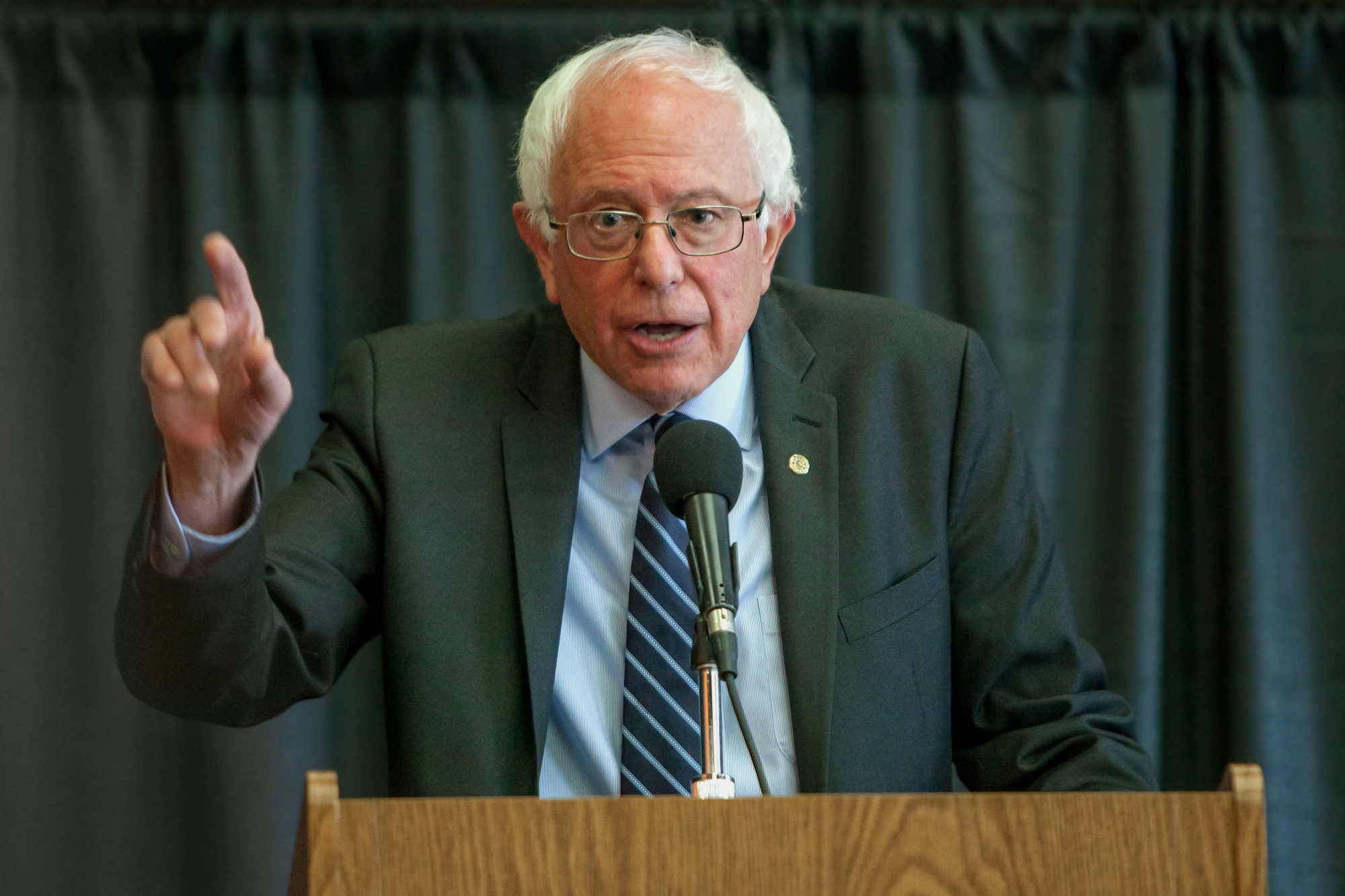
Independent Senator Bernie Sanders of Vermont and Democratic Representative Mark Takano of California have officially reintroduced the Thirty-Two Hour Workweek Act, aiming to overhaul standard American labor laws for the first time in nearly nine decades.
The bill would amend the Fair Labor Standards Act to lower the federal standard workweek threshold from 40 hours down to 32 hours over a four-year transition period, without permitting employers to cut worker pay or benefits.
Under the proposed legislation, covered non-exempt employees working beyond 32 hours in a single week would automatically trigger overtime pay at a rate of time-and-a-half. The bill also introduces daily overtime protections, requiring time-and-a-half compensation for shifts exceeding eight hours and double pay for workdays lasting longer than 12 hours.
The phase-in would happen gradually over four years, dropping the overtime threshold from 40 hours to 38, then 36, 34, and finally reaching 32 hours. Throughout that transition, the bill explicitly prohibits employers from lowering an employee’s base salary, hourly rate, or healthcare benefits to compensate for the reduced hours.
It also doesn’t mandate a rigid four-day schedule; businesses can configure the 32 hours across different shifts, but any hours worked beyond 32 in a week will require overtime rates.
Sanders and Takano argue that while technological advancements, artificial intelligence, and automation have driven massive surges in productivity, those financial gains have almost exclusively benefited corporate executives rather than everyday workers.
“At a time when artificial intelligence and robotics will radically transform our economy, it is imperative that the financial gains from this new technology benefit working families, not just a handful of billionaires and corporate CEOs,” Sanders said in a press statement accompanying the bill. “Moving to a 32-hour workweek with no loss in pay or benefits is not a radical idea. What’s radical is that, despite an explosion in technology and productivity over the last fifty years, millions of workers are working longer hours for lower wages… It’s time to reduce the stress level in our country and allow workers and their families to enjoy a better quality of life.”
Takano emphasized that worker productivity has risen over 90% since 1979, yet real wages have lagged dramatically behind. “The 40-hour workweek was established in law nearly 90 years ago,” Takano noted. “Work has fundamentally changed. It’s time that labor standards caught up.”
The legislation has received strong backing from major labor organizations, including the AFL-CIO, United Auto Workers, Service Employees International Union, and 4 Day Week Global. While labor advocates view the bill as a long-overdue quality-of-life adjustment, business groups and conservative lawmakers warn that mandated pay protections under a 32-hour framework could drive up operational costs for small businesses, fuel consumer inflation, or lead to reduced hiring.
Despite growing public interest in shorter workweek pilots, the bill faces political odds in Congress, where conservative leadership remains opposed to federal overtime mandates.
Nevertheless, Sanders and Takano insist that shifting the baseline conversation is necessary to ensure workers finally share in the profits of modern technological growth.
Photo Credit: DepositPhotos.com