

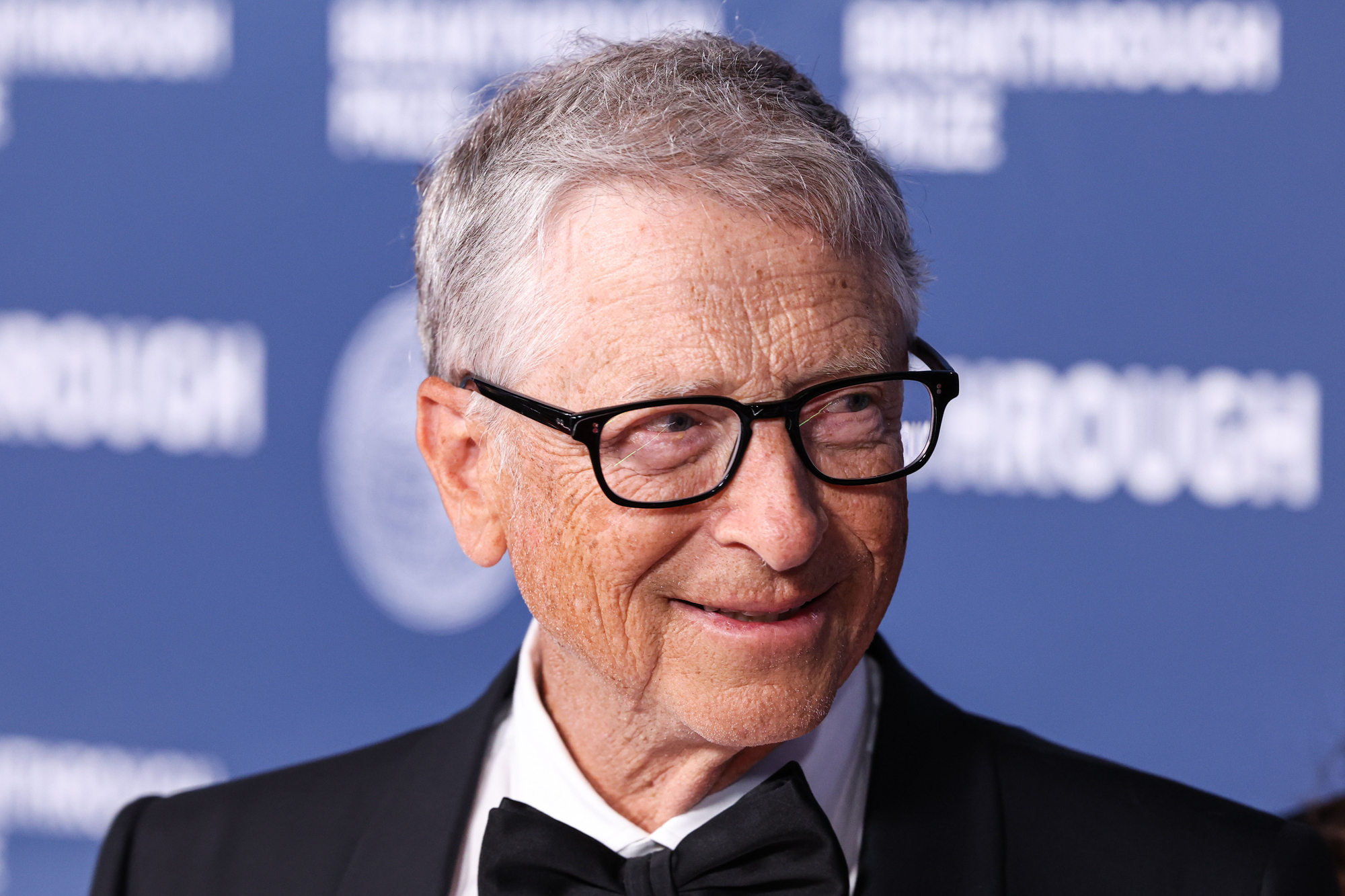
Bill Gates has a warning for the world, and he’s not being subtle. In a new essay and accompanying video posted this week, the Microsoft co-founder argues that artificial intelligence “is both the most powerful tool for advancing equity and the greatest threat to equity that humans have ever invented.”
It’s an interesting statement coming from someone who has spent decades championing technology as a force for progress, and it sets the tone for what Gates calls an urgent, largely ignored problem: the world has no real plan for what happens next.
AI’s ability to match and eventually exceed human cognition, Gates says, will usher in one of the most turbulent stretches in human history. White-collar jobs will be the first to go, with blue-collar work following as robotics catches up. He also warns that the same technology lowering the barrier to entry for innovation is lowering it for harm, too, potentially making it easier for criminals to build bombs, bioweapons, and computer viruses, and warns that AI companionship could quietly erode the human relationships kids need to develop real social skills.
At the same time, Gates hasn’t lost his optimism about what the technology can do when pointed in the right direction. He points to breakthroughs already underway in clean energy, climate science, food production, disease prevention, and education as evidence that, managed well, the benefits of AI could vastly outweigh the harm.
The problem, as Gates sees it, isn’t the technology itself, it’s the total absence of preparation for it. “There’s no plan to ease the entry into the AI era, and not even a plan to have a plan,” he said. That’s the central argument behind the essay he published this week, which he’s framing as a challenge to put equity at the top of the global AI conversation before the disruption hits hardest.
Gates is especially concerned about the people with the least cushion to absorb the shock: workers without wealth, influence, or access, who he says are the ones who will need the most time to adjust and are currently being given the least.
Among the ideas Gates is floating to soften the transition is a concept he calls “Human Reserved,” a category of jobs, particularly in caregiving and other deeply human roles, that society deliberately chooses to keep off-limits to automation, similar to how a nature reserve protects land that could technically be developed.
He’s also renewing his long-standing push for a tax on AI systems and robots that replace human workers, arguing that today’s tax code actively rewards companies for automating jobs away, and that revenue from a tax like that could help fund retraining and a stronger safety net for displaced workers.
Ultimately, Gates argues, none of this gets solved by the tech industry alone. He’s calling for a new kind of national and international framework, one built by governments, educators, labor experts, and community leaders rather than left entirely in the hands of the companies building the technology.
His closing message is as much a plea as a warning: “The world has a chance to act now before unemployment rises sharply, communities are hurting, and public trust has eroded. This unprecedented technology demands an unprecedented response in every country and globally. If we get it right, the payoff for humanity will be phenomenal, and the world will be a more equitable place.”
Photo Credit: DepositPhotos.com