

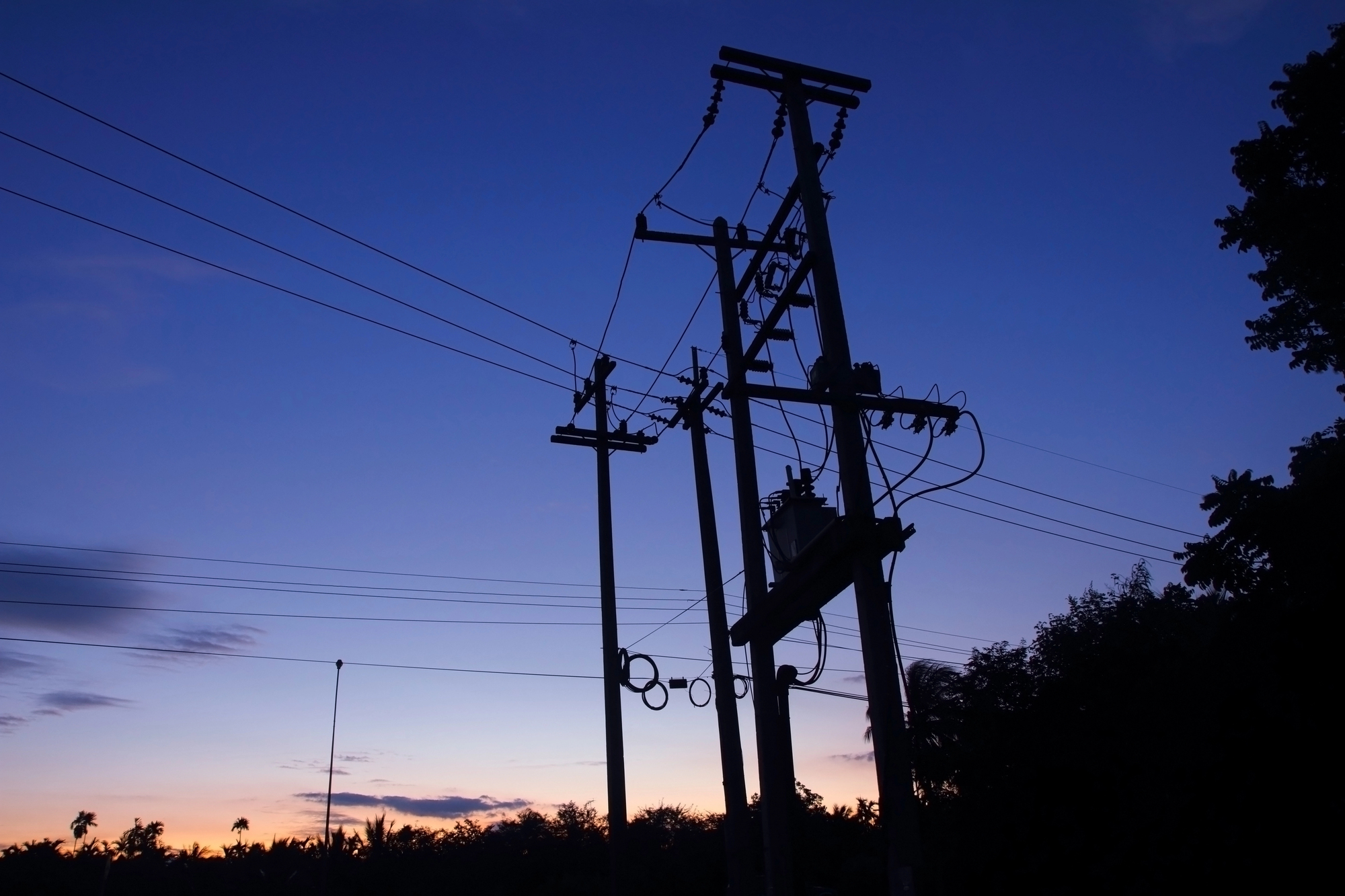
Nearly two weeks after severe storms and straight-line winds hammered Northwest Indiana on August 11, thousands of residents in Gary, Indiana, are entering another grueling week stuck in the dark. The outage, the largest in the history of Northern Indiana Public Service Company (NIPSCO), originally left hundreds of thousands of customers without electricity, leaving communities grappling with spoiled food, extreme summer heat, and a lack of basic utility infrastructure.
While NIPSCO has brought power back to most of its service network, Gary remains the hardest hit. Utility officials estimate that complete restoration for all residents may not happen until late Tuesday, drawing backlash from locals, city leaders, and state officials.
The crisis stems from a destructive storm system packing winds up to 99 mph that swept through the region, bringing down roughly 300 power poles and collapsing heavy tree limbs onto main transmission lines. In response to the prolonged blackout, residents have launched a proposed class-action lawsuit against NIPSCO, accusing the utility of failing to maintain tree lines and properly trim vegetation near power lines. While NIPSCO maintains that its infrastructure maintenance has doubled in recent years, community members point out that the lack of upkeep directly contributed to the historic collapse.
“We’re the Blackest city out here, so they don’t want to check on us.”
— BreakThrough News (@BTnewsroom) August 21, 2026
More than 20,000 residents in Gary, Indiana have been without power for almost two weeks after massive storms tore through the area, knocking down trees and power lines.
NIPSCO is the only energy provider… pic.twitter.com/Tt9NtaWpSj
Mayor Eddie Melton called the two-week delay “unacceptable,” and Governor Mike Braun urged the multi-billion dollar utility provider to speed up recovery efforts.
For the residents, the prolonged blackout has exposed systemic vulnerabilities and ignited anger over long-standing inequality. In a city where roughly one in three residents lives in poverty, managing weeks without power on a tight budget has created severe hardship.
“We know why they’re not coming out here, though,” one local resident shared. “Gary is full of Black people, we’re the Blackest city out here, so they don’t want to check on us. Everybody pays NIPSCO. If we don’t pay, we get cut off. They got billions, trillions of dollars, while we’re working day-to-day on paychecks. They haven’t been out here to maintain in a year or two, maybe three years.”
“I can’t sleep at night because I can’t plug my sleep apnea machine up. I can’t afford a generator on a monthly salary,” another resident shared speaking on elderly members of the community. “We had a 91-year-old man at the end of the street they had to rush to the hospital. We have an elderly bedridden lady across the street. Our governor needs to get his butt out here and see the damage across the whole city of Gary.”
With utility progress dragging, community members and local grassroots organizations have stepped up to support one another. Local centers, such as the local YMCA, have become crucial lifelines by offering hot showers, free water, and meals. High-profile relief efforts, including donations from community figures, local leaders, and celebrities, have also helped deliver essential supplies to affected neighborhoods.
As crews work around the clock to rebuild the damaged grid, Gary residents continue leaning on one another while demanding long-term systemic accountability. “At the end of the day, we’re all human,” one resident reflected. “We all go through similar struggles every single day. Let’s help each other.”
Photo Credit: DepositPhotos.com