

The debate surrounding Black British actors landing iconic Black American roles is once again dominating cultural conversations. Following the announcement that acclaimed British actor David Jonsson will star as T’Challa’s grown-up son in Black Panther 3, social media erupted with familiar frustrations about Hollywood looking across the pond rather than casting domestic talent.
From Daniel Kaluuya and Idris Elba to Damson Idris and Kingsley Ben-Adir, British actors have consistently secured high-profile roles portraying American historical figures and fictional leads. While many fans question why Black American actors aren’t securing these same opportunities, a wave of TikTok creators is shifting the focus of the debate away from Hollywood gatekeepers and toward a conversation closer to home: how the Black community treats young Black boys who express an interest in the arts.
Creators across TikTok, including users _luckythebrand and digital.olive, have challenged the narrative that UK actors are “stealing” jobs, pointing instead to systemic and cultural barriers in arts education.
@digital.olive I love seeing black children express themselves in different art forms
♬ original sound – olive 🫒
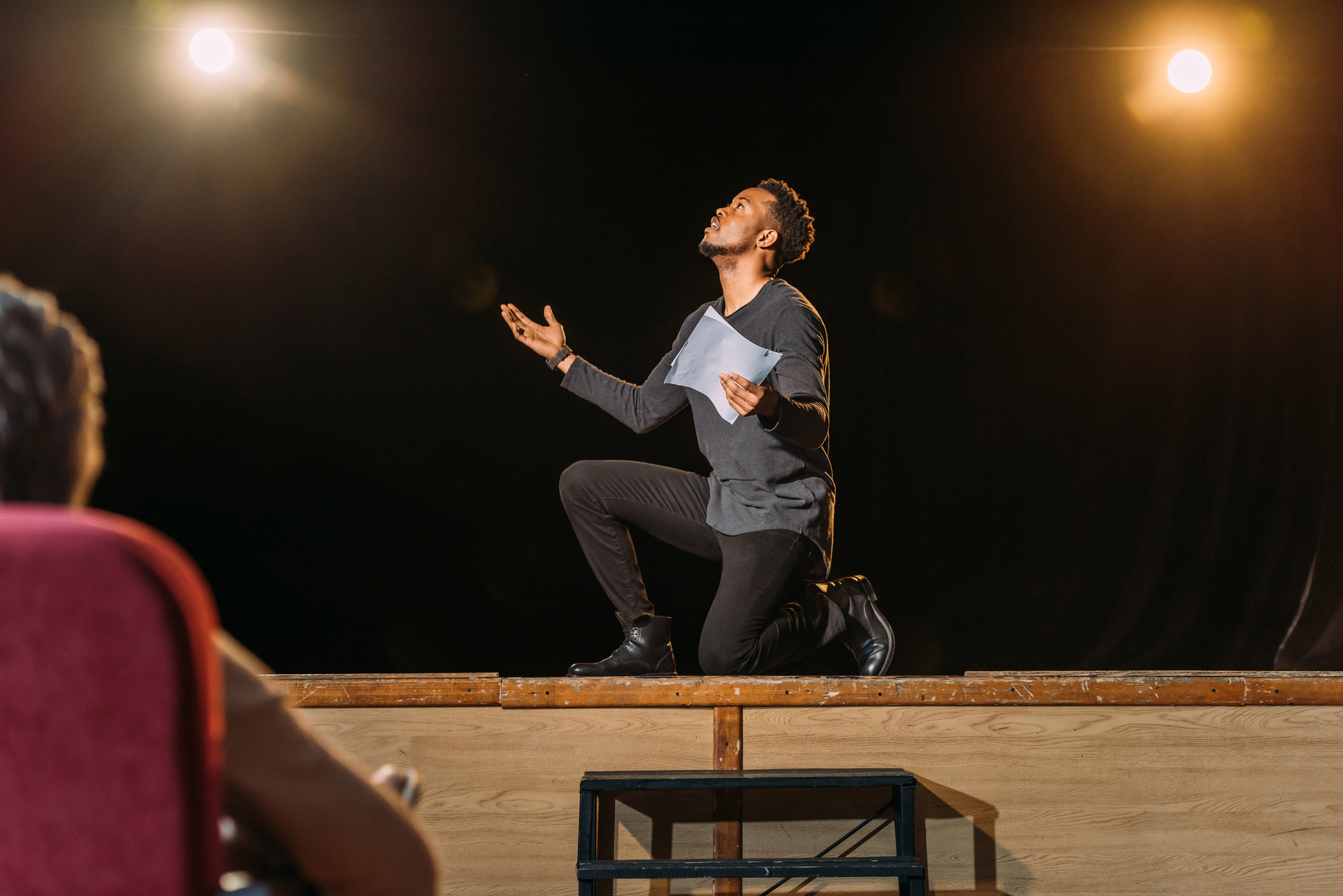
“If you want Black American men to actually play Black American men in movies and TV shows, how about we make sure Black boys are in theater and creative arts instead of calling them weird?” Digital.olive shared in a video. “Not every Black son has to be on the field playing football or basketball. For the love of God, let them go into theater. Let your Black son play the violin. Let these little Black boys be little Black boys.”
_luckythebrand expanded on the point, sharing how homophobia and rigid gender expectations within the community hinder young Black boys from getting the technical training necessary to compete in global auditions.
“Do y’all really feel like these Black men are going to get prominent acting roles without having the fundamentals of acting?” he said. “In order to have the fundamentals of acting, you’ve got to go get in an acting class. You’ve got to be a theater kid. Michael B. Jordan is who he is today because Michael B. Jordan was a theater kid.”
A core issue raised in these viral discussions is the severe gap in early artistic development. In the UK, structured drama school programs and theater pipelines are heavily integrated into youth culture, allowing aspiring performers to hone their craft from an early age.
When social stigmas prevent Black American boys from enrolling in theater, dance, or fine arts classes during their formative years, many only begin pursuing acting after high school, placing them a decade behind peers who started at age eight.
@_luckythebrand We coulda dominated everything by now if yall locked in #culture #progress #homophobia #theatrekid ♬ original sound – L U C K Y
“Some of these kids are having to start the thing they really want to do after high school, after they get away from you [parents],” _luckythebrand added. “And guess what? The stuff they should have been doing at eight, now they’re starting at 18, which means they’re 10 years behind.”
Both creators agree that children who participate in non-traditional activities or step outside hyper-masculine gender norms does not dictate a child’s sexual orientation, calling out how fear-based parenting limits long-term potential in fields beyond athletics.
“You guys want to see more Black men performing and doing whimsical things that you see every other race do? Then it starts from childhood,” digital.olive said. “It starts from nurturing little Black kids to be who they are. Like Tyler, the Creator said: tell these Black kids they can be who they are.”
Rather than funneling every young boy exclusively into sports or viewing the performing arts with suspicion, creators and cultural commentators are calling for a community-wide mindset shift.
If the goal is to see more Black American men commanding the global screen, leading blockbusters, and winning awards, the foundation has to be built early, in local theaters, high school auditoriums, and drama classrooms.