

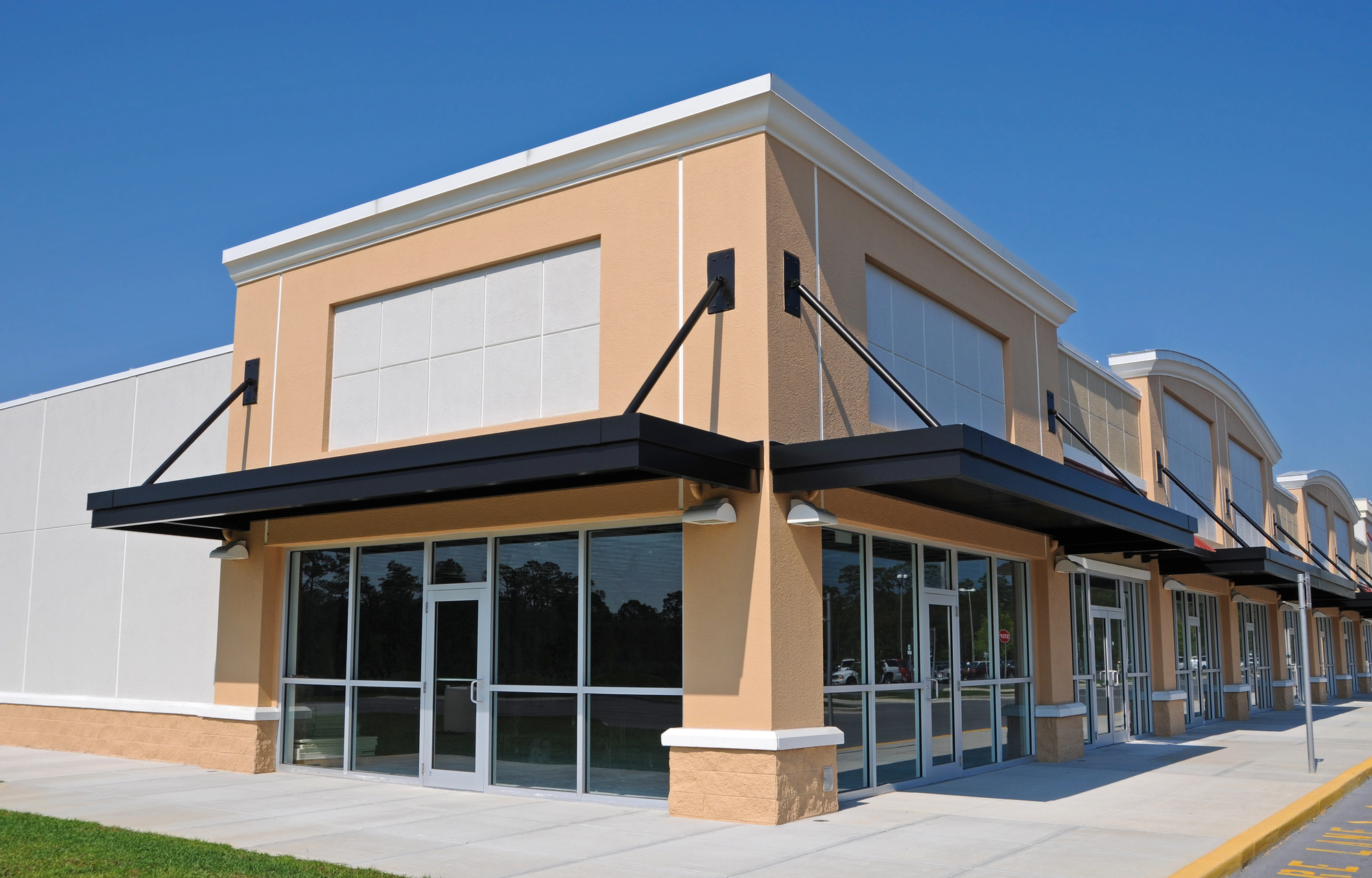
Empty storefronts change how a block feels. Lights go off, foot traffic thins, and nearby businesses have to work harder to pull visitors in.
The best new use isn’t always another store. Many vacant spaces are better suited to businesses people plan around, where they can meet friends, bring kids, take a class, play, or grab food after work.
1. Active Entertainment That Uses the Floor
Wide rooms, high ceilings, and parking can be awkward for boutique retail, but they’re valuable for movement. Indoor courts, climbing walls, batting cages, fitness studios, arcade-style venues, and a family entertainment center franchise can turn a former store into a repeat-visit space for birthdays, leagues, rainy weekends, and after-school energy.
Seating, check-in, party rooms, storage, restrooms, and a clean path from door to attraction keep families from feeling crowded.
2. Indoor Sports With Built-In Community
Pickleball, futsal, volleyball, basketball training, and golf simulators can bring groups into old anchor spaces at set times. A vacant Arizona big-box store becoming 24 pickleball courts inside a shopping mall shows why sports concepts can help landlords replace browsing with scheduled visits.
The best versions layer income streams instead of depending only on hourly rental:
- Lessons
- Youth clinics
- Leagues
- Tournaments
- Food and drink
- Branded merch
3. Food Halls With a Local Mix
A food hall gives smaller operators a visible home without asking each one to lease and furnish a full restaurant. It works best when the choices feel distinct, with quick lunches, dessert, coffee, evening drinks, and rotating pop-ups that give regulars a reason to check back.
Shared seating matters. Long tables, softer corners, outlets, and event nights can serve office workers at noon, families before a movie, and friends who don’t want to choose one restaurant for everyone.
4. Maker Markets and Micro Retail
A larger unit can be divided into booths for vintage sellers, sneaker resellers, local artists, florists, repair counters, candle makers, and small clothing brands. The appeal comes from discovery, but the operator still needs standards for lighting, signage, checkout, and vendor mix.
People may not drive across town for one handmade mug. They might show up for twenty local brands, a weekend drop, and a workshop where the maker is in the room.
5. Beauty, Wellness, and Recovery Hubs
A former retail bay can become a cluster of barbers, nail techs, massage rooms, stretch studios, sauna rooms, nutrition coaching, and small group training. Customers arrive ready to spend time on themselves, and each tenant can benefit from the others.
Private rooms, sound control, water access, booking systems, and waiting areas will matter as much as branding. Without those basics, the concept starts to feel improvised.
6. Learning Labs and Hobby Spaces
After-school robotics, art studios, tutoring, cooking classes, music rooms, photography workshops, and adult hobby nights can make a vacant space useful throughout the week. The idea of third places beyond home and work fits here because people return to places where they’re recognized and have something to do.
Before signing a lease, study the building’s bones. Ceiling height, parking, restrooms, zoning, noise, and nearby tenants can decide whether the idea belongs there. Empty retail becomes valuable again when the business gives people a reason to mark the calendar instead of just passing the window.