

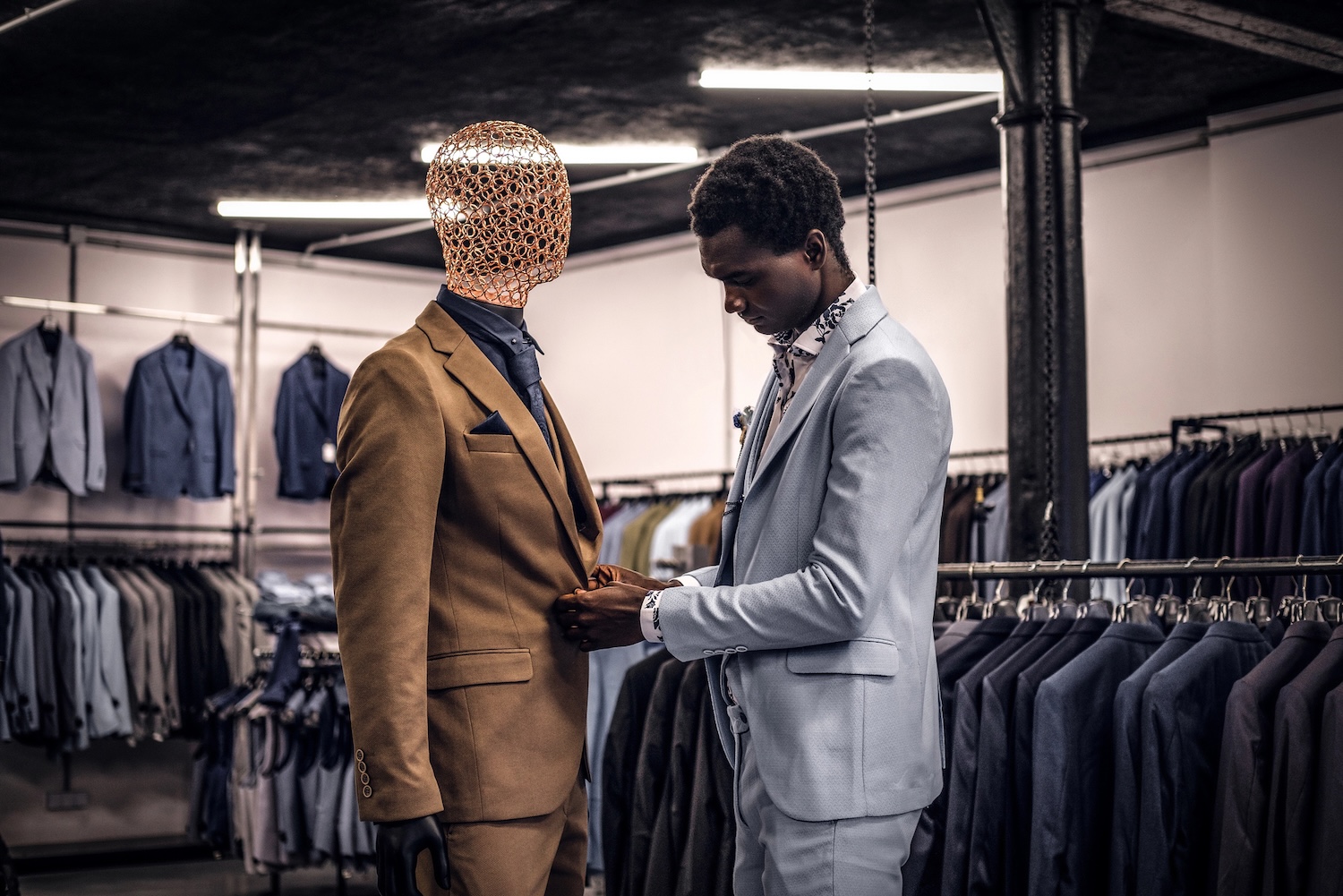
New York City is home to some of the finest suit makers in the world. Yet with so many options available, finding the right custom suit tailor can feel like a real challenge. The difference between a suit that fits perfectly and one that just looks expensive often comes down to a few key factors. Before a client commits to a tailor, they should understand what separates a truly skilled craftsman from the rest. These five considerations will help anyone make a confident, well-informed choice.
1. Craftsmanship Quality and Tailoring Style
The quality of craftsmanship is the foundation of any great custom suit. A skilled tailor does not just cut fabric to size. They construct a garment that reflects the client’s body shape, posture, and personal style in every stitch and seam.
Two primary tailoring traditions exist in this space: full bespoke and made-to-measure. Full bespoke suits involve hand-cut patterns built from scratch, while made-to-measure starts from a base pattern that gets adjusted. While both can produce excellent results, full bespoke remains the gold standard for those seeking total precision in fit and silhouette.
This commitment to quality is deeply embedded in the heritage of Manhattan’s garment districts, where a distinct “New York style” has emerged, a hybrid of structured European silhouettes and American functionalism. Identifying a premier custom suit tailor in New York City involves looking for the “bench-made” tradition, a process where a single artisan meticulously hand-constructs the jacket’s internal architecture. This specific craftsmanship ensures the garment retains its style through years of wear, focusing on the subtle nuances of shoulder expression and a natural lapel roll that mass production simply cannot replicate.
2. Experience, Reputation, and Client Reviews
A tailor’s track record speaks louder than any marketing claim. Years of practice in the craft, combined with a strong reputation among past clients, give a clear picture of what someone can expect from the finished product.
New clients should look beyond a polished website. Real client reviews on third-party platforms, word-of-mouth recommendations, and long-standing relationships with returning customers all point to a tailor worth trusting. A shop that has dressed professionals, executives, and groom parties over many years has likely earned that loyalty through consistent results.
How to Evaluate a Tailor’s Track Record Before the First Appointment
The best approach is to read reviews across multiple sources, not just testimonials on the tailor’s own site. Clients should also ask the tailor directly about their background, training, and the styles they specialize in. A confident, experienced tailor will welcome those questions. If they seem evasive or vague about their process, that is worth noting. Photos of past work and a portfolio of completed suits offer some of the most direct evidence of skill and consistency.
3. Fabric Selection and Customization Options
The fabric is as important as the fit. A well-constructed suit made from poor-quality cloth will still disappoint. Clients should look for tailors who carry a wide range of fabric options from reputable mills, including wool, cashmere blends, and seasonal fabrics suited to New York’s variable climate.
Beyond the cloth itself, customization details make a suit truly personal. Lapel style, lining color, button choice, pocket style, and monogram placement are all decisions that reflect individual taste. A tailor who limits these choices is also limiting what the client can achieve.
What to Look for in a Tailor’s Fabric and Style Menu
Clients should ask to see the full swatch book and not just a curated selection. A tailor who sources from established Italian or British mills, such as Loro Piana, Scabal, or Dormeuil, gives clients access to fabrics known for their durability and drape. The ability to choose lining, buttons, lapel width, and trouser style separates a true custom experience from a basic alteration service. The more options available, the more the finished suit will feel personal and deliberate.
4. The Fitting Process and Number of Fittings Offered
The fitting process is where a custom suit comes to life. A single measurement appointment is rarely enough to produce a perfect result. Most high-quality tailors schedule multiple fittings to check the progress of the garment and make adjustments before the final delivery.
The standard for full bespoke work usually involves at least two to three fittings. The first fitting checks the basic structure and balance of the suit. Subsequent appointments refine the fit, address any comfort issues, and confirm that the finished garment moves well with the client’s body.
Why Multiple Fittings Are a Sign of Serious Tailoring
A tailor who offers only one fitting may be working from a made-to-measure model that limits how much adjustment is possible. Multiple fittings give both the tailor and the client a chance to catch problems early. Clients should ask upfront how many fittings are included and what the process looks like from the first appointment to final pickup. A detailed, transparent fitting process is often the clearest sign that a tailor takes the work seriously.
5. Turnaround Time and Scheduling Flexibility
Custom suits take time, and any tailor who promises a perfect bespoke garment in a few days should raise concern. The construction of a true custom suit involves hand work at multiple stages, and that process cannot be rushed without sacrificing quality.
That said, turnaround time varies by tailor and by the complexity of the order. Most full bespoke suits take between six to twelve weeks from the first consultation to final delivery. Clients with a specific event or deadline should communicate that early in the process so the tailor can plan accordingly.
How to Plan Around a Tailor’s Production Schedule
Clients should ask for a realistic timeline during the first consultation and confirm that it aligns with their needs. Scheduling flexibility also matters, especially for clients with demanding work schedules. A tailor who offers evening or weekend appointments, or who communicates clearly about delays, shows respect for the client’s time. The goal is a smooth process where there are no surprises on either side.
Choosing the right custom suit tailor in New York comes down to craftsmanship, experience, fabric quality, a thorough fitting process, and clear scheduling. Each factor plays a direct role in the final result. Clients who take the time to evaluate these points carefully are far more likely to walk away with a suit that fits well, looks sharp, and lasts for years.