

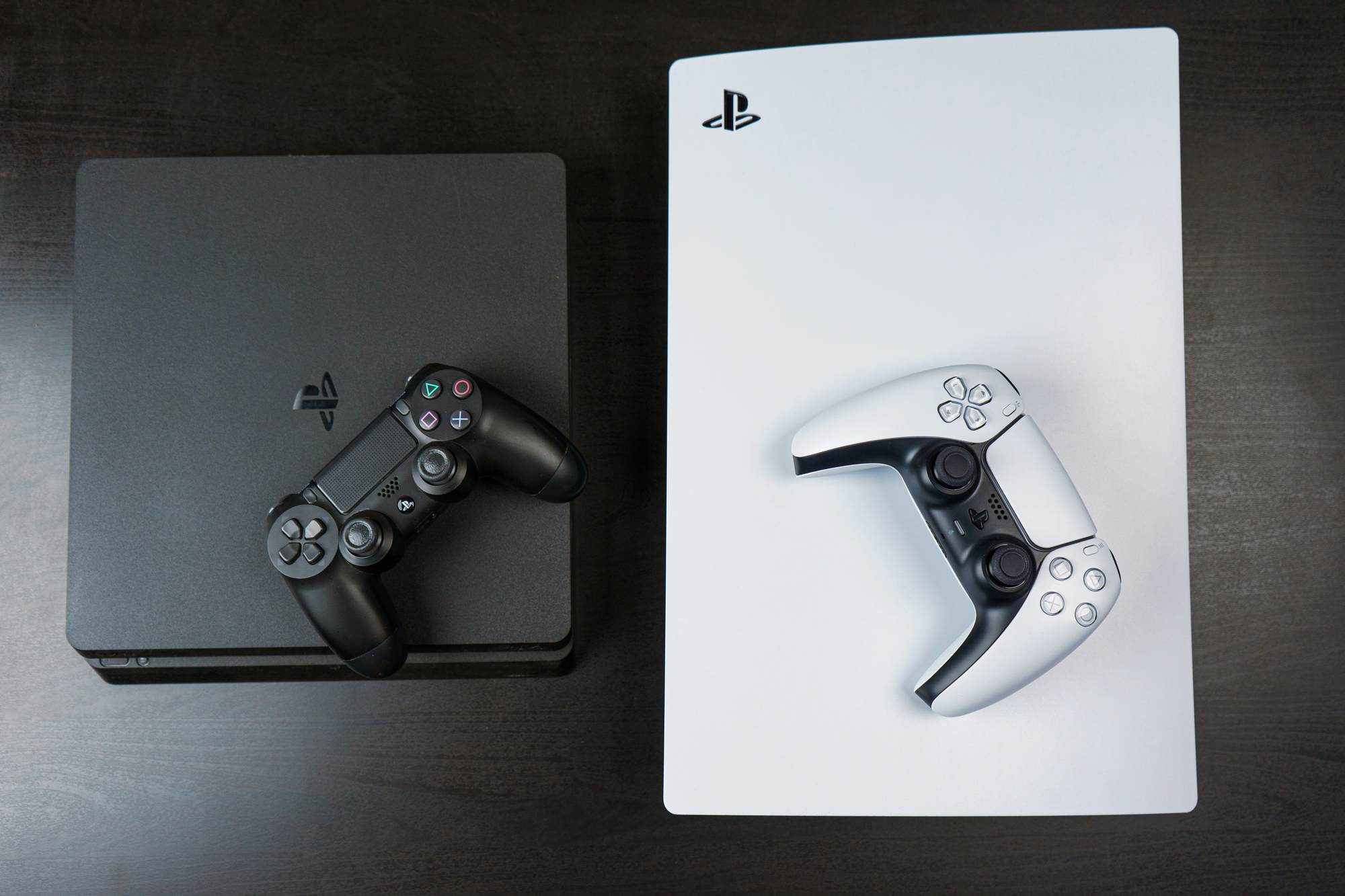
Sony just made it official. Starting January 2028, physical disc production for all new games releasing on PlayStation consoles will be discontinued. New titles will be available exclusively through the PlayStation Store and at retailers in digital formats only.
Games already released or launching before that date on disc are unaffected for now.
Sony framed it the way these announcements always get framed: as a natural evolution, a response to shifting consumer preferences, a move to align with how people already play. And they’re not entirely wrong. Digital downloads have been outpacing physical sales for years. But there’s a larger conversation hiding inside this announcement, one that goes well beyond gaming.
We don’t own anything anymore.
Think about what that actually means. When you buy a physical disc, you own it. You can lend it, sell it, keep it on a shelf, and play it twenty years from now without anyone’s permission. When you buy a digital game, you’re buying a license, a permission slip that a company can revoke, expire, or quietly remove from your library when the servers go dark or the terms of service change.
The game isn’t yours. You’re renting access to it indefinitely, until you’re not.
We’ve already watched this happen across every form of media. Music went from records to CDs to MP3s to Spotify, where you pay monthly for access to songs you’ll never actually own. Movies went from VHS to DVD to digital purchases that evaporate when a platform shuts down, to Netflix, where entire catalogues disappear overnight without warning.
Books went to Kindle, where Amazon once remotely deleted purchased copies of George Orwell’s 1984 from users’ devices, an irony so thick it should be taught in schools. Now gaming is following the same road.
And subscriptions are the obvious next stop. Microsoft has been running this playbook with Xbox Game Pass for years: pay monthly, access a rotating library, own nothing permanently. It works, consumers accept it, and the model prints money.
Sony already has PlayStation Plus. Once physical media is gone entirely, the pressure to push players toward subscription tiers as the primary mode of access will only intensify. Why sell you a game once when they can charge you every month forever?
The internet noticed immediately, and responded the only way the internet knows how.
Domino’s UK posted a mock “official statement” announcing they would cease production of physical pizzas in April 2027 and shift to digital pizzas only, inviting customers to “download our full range of delicious pizza codes and, using the power of the imagination, enjoy them in an entirely virtual sense.”
It was absurd. It was funny. And it landed because it was a perfect mirror of exactly what Sony just announced with a straight face.
The joke works because the logic is identical. When companies remove the physical thing and replace it with access you don’t control, the product stops being yours. A downloaded pizza you can’t eat and a downloaded game you don’t own are the same broken promise wearing different clothes.
None of this means gaming is dying or that digital is inherently evil. Convenience is real, and most people will adapt without a second thought. But it’s worth pausing to ask what we’re giving up every time a company announces that physical media is going away in the name of consumer preference.
Because the preference they’re most interested in isn’t yours. It’s theirs: recurring revenue, controlled access, and a customer who can never truly walk away because they’ve never truly owned anything to begin with.
The disc is going away in January 2028. The question of who actually owns your entertainment went away a long time ago. We just stopped noticing.
Photo Credit: DepositPhotos.com