

Hollywood didn’t give us variety. We demanded it, and streaming platforms finally started listening. This July’s lineup of Black-led film and television is worth paying attention to, not because it’s revolutionary, but because of what it represents in a longer conversation about who gets to tell stories and how many different ways they’re allowed to tell them.
For years, Black narratives on screen were filtered through a narrow lens, limited in genre, limited in complexity, and far too often reduced to a handful of familiar archetypes. What’s on the schedule this month suggests that’s slowly changing, even if Hollywood still has a long way to go before it can take a bow.
The mix of catalog titles and new originals hitting platforms this July tells its own story. Classics like Ride Along, Ride Along 2, White Chicks, Queen & Slim, and Tyler Perry’s Why Did I Get Married? are back in rotation, giving fans a reason to revisit and introducing newer audiences to films that shaped Black entertainment.
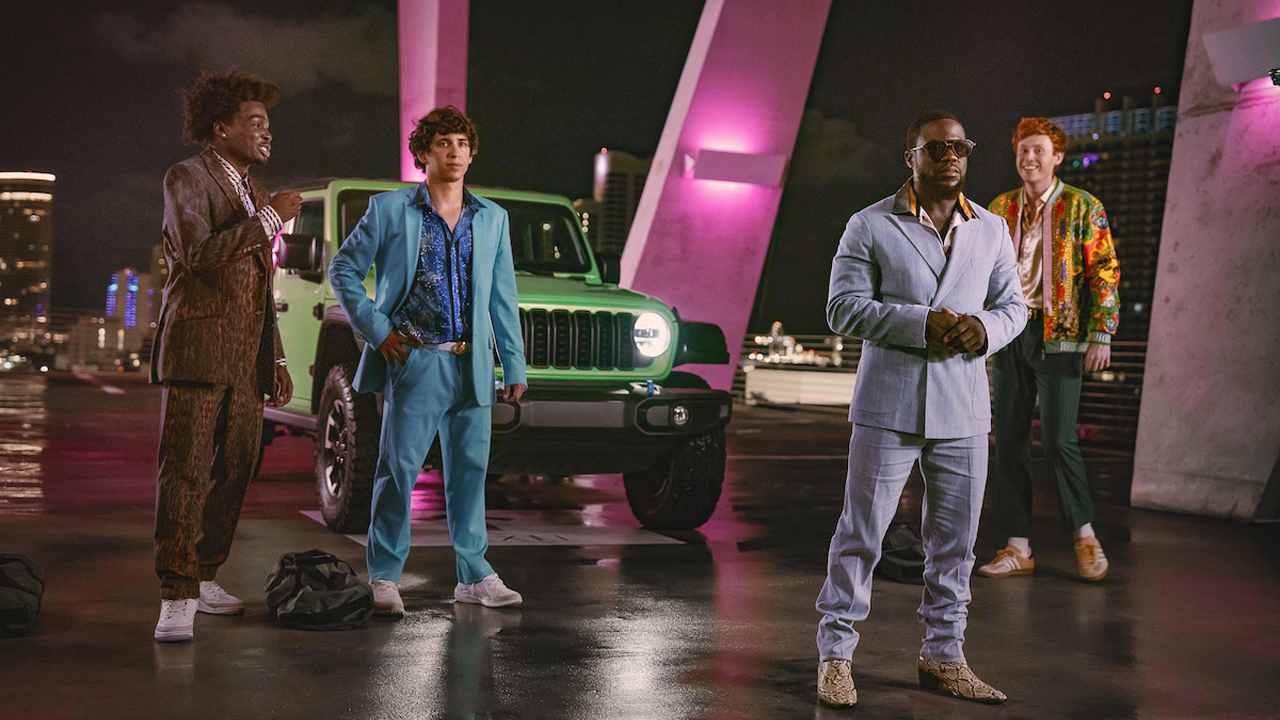
At the same time, new content like Kevin Hart‘s 72 Hours and the final season of Michelle Buteau‘s Survival of the Thickest is pushing the conversation forward. The range alone comedy, drama, romance, action is the point.
What Black audiences have always known, and what Hollywood is only beginning to act on, is that Blackness is not a genre. It’s not a box. “Audiences respond to cultural authenticity in storytelling,” Larry Tanz, Netflix Vice President of Content for Europe, the Middle East and Africa, said in a statement.
The fact that actors and creators like Hart, Ice Cube, the Wayans brothers, Janet Jackson, Jill Scott, and Lupita Nyong’o are all represented in a single month’s worth of content isn’t a coincidence; it’s a reflection of what happens when the industry stops treating Black storytelling as a niche and starts treating it as the mainstream force it has always been.
Streaming platforms deserve some credit here. Where traditional Hollywood gatekeepers were slow to greenlight projects that didn’t fit a familiar mold, streaming has created room for Black voices to reach audiences on their own terms. Audiences have responded, not because the content is checking a diversity box, but because authentic storytelling resonates when it’s given the space to breathe.
Still, let’s be clear: a strong July lineup is not a finish line. It’s a data point. The real measure of Hollywood’s direction won’t be found in one month’s release calendar; it’ll be found in who’s getting greenlit, who’s in the writers’ room, who’s behind the camera, and whether this range of stories becomes the standard rather than the exception.
Black stories deserve to be told in all their complexity, across every genre, every season, not just when the algorithm suggests the timing is right. The momentum is real. Now the question is whether Hollywood has the conviction to sustain it.