

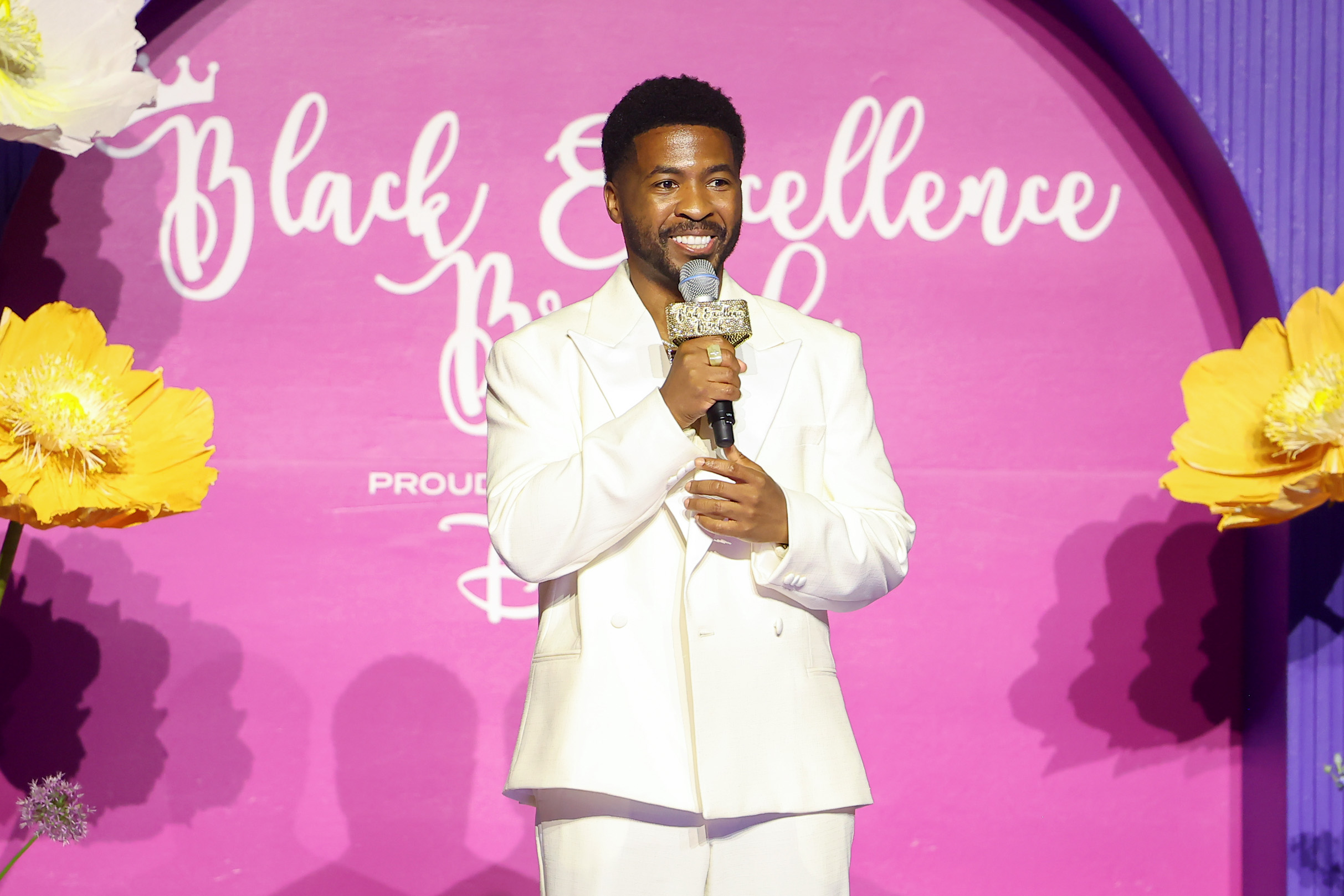
Walk into a Black Excellence Brunch and you’ll feel it before anyone says a word. The energy is different. The room is intentional. And somewhere between the conversation and the celebration, something shifts; people stand a little taller, laugh a little louder, and for a moment, set down whatever weight they carried in.
That’s exactly what Trell Thomas had in mind when he founded the Black Excellence Brunch, a movement that has grown from a community gathering into a globally recognized platform centered on affirmation, visibility, and unapologetic celebration of Black achievement.
What started with an understanding rooted in his upbringing in Cassatt, South Carolina, where community was personal and people poured into each other, has since evolved into something far-reaching, attracting cultural figures like Jeffrey Wright, Kelly Rowland, and Sanaa Lathan, and expanding into media with his podcast, How Excellent with Trell Thomas.
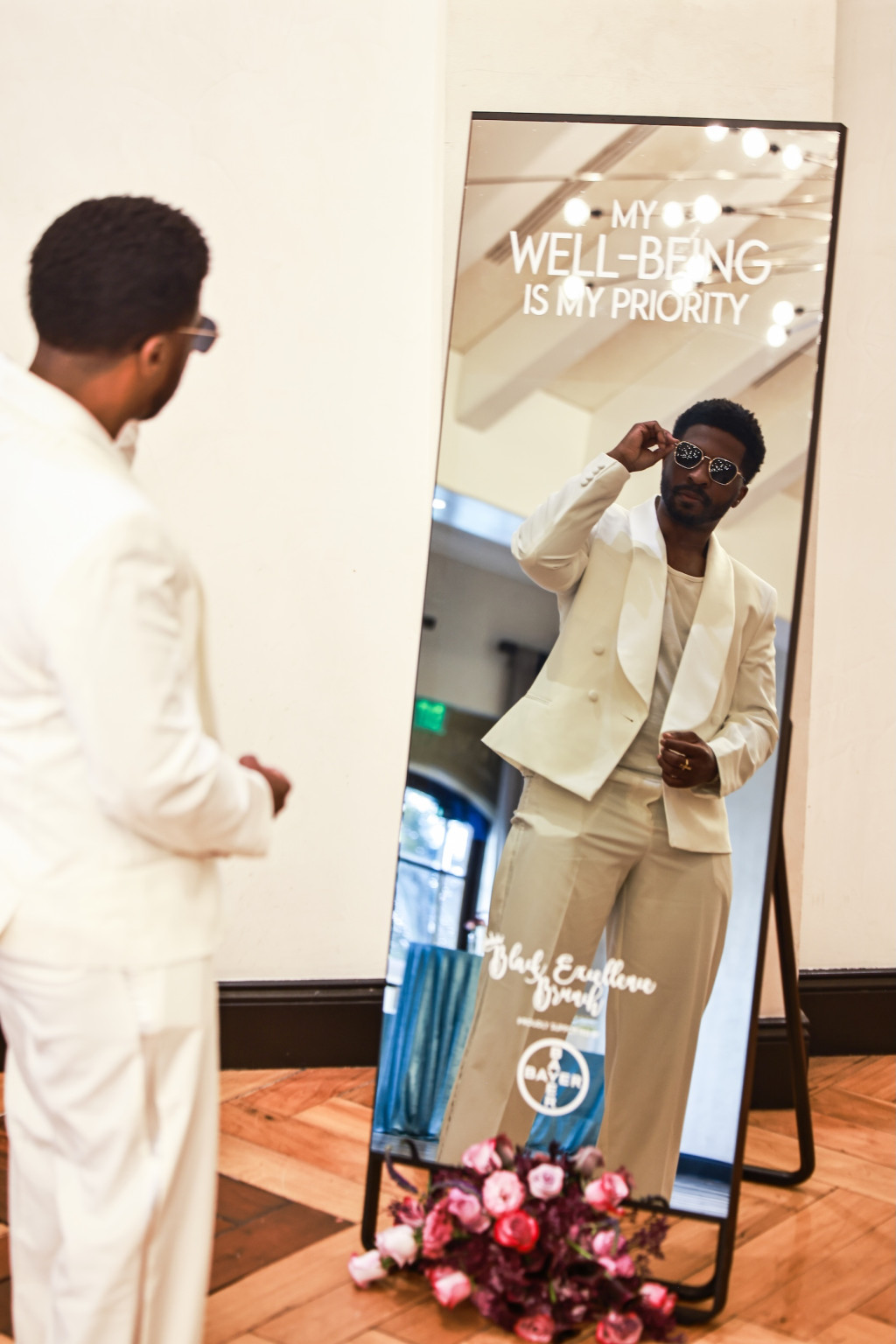
As Mental Health Awareness Month arrives, Thomas is among the voices reframing what wellness looks like for the Black community, not just as the absence of pain, but as the active presence of joy, connection, and being genuinely seen.
We spoke with him to dig into the intersection of community, mental health, and what it means to build something that lasts.
The Quintessential Gentleman: The Black Excellence Brunch is rooted in making our people feel seen and valued. As we observe Mental Health Awareness Month, how do you see the direct connection between receiving real-time affirmation and maintaining overall mental wellness?
Trell Thomas: For me, affirmation isn’t a luxury—it’s a necessity. So many of us are moving through spaces where we’re unseen, undervalued, or only acknowledged for what we produce. Real-time affirmation interrupts that. It reminds people, “I matter right now, not just when I achieve something.”
That understanding really started for me growing up in a small town—Cassatt, South Carolina—where community was personal. People knew your name, they checked on you, they poured into you. That kind of environment showed me early on how powerful it is to feel seen.
At the Black Excellence Brunch, you can feel what happens when someone is celebrated in real time—their posture changes, their energy shifts. That moment of being seen can counter anxiety, imposter syndrome, even depression. Mental wellness isn’t just about healing from pain—it’s about consistently pouring into people with truth, love, and recognition. Affirmation is one of the most immediate ways we do that.
QG: Why is it so critical for our emotional well-being to intentionally create physical spaces anchored in joy, celebration, and unapologetic excellence?
TT: We can’t only gather around pain and expect to feel whole. Trauma-informed conversations are important, but they can’t be the only narrative we hold. Joy is just as necessary—and honestly, it’s just as revolutionary.
Creating spaces rooted in celebration allows us to experience ourselves beyond survival. It gives people permission to exhale, to laugh loudly, to be proud of who they are without shrinking. That’s not surface-level—that’s healing.
When we center joy and excellence, we’re rewriting what Black life gets to look like, not just what it has endured. That shift is critical for our emotional well-being.
QG: How does your work deliberately foster environments where Black men can take off their armor, feel completely seen, and find emotional support?
TT: A lot of Black men are taught to perform strength instead of feeling full. So when I think about the environments we create, it’s intentional—it’s about removing performance.
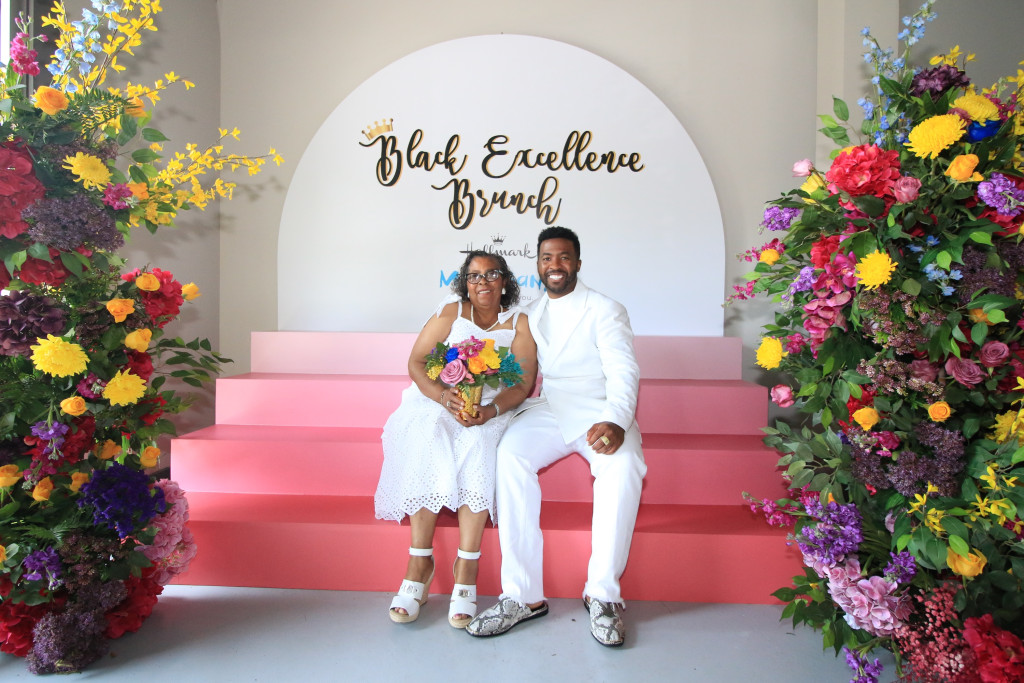
And honestly, that intention comes from how I was raised. The brunch is deeply inspired by my mother—watching her open our home to people, making sure they were fed not just physically, but spiritually. There was always warmth, always conversation, always a sense that you belonged the moment you walked in.
That’s the same energy we carry into this work. At our brunches, there’s no pressure to be anything other than yourself. Whether you’re celebrating a win, processing something heavy, or just showing up quietly, you’re received the same way—with respect and affirmation.
We normalize giving flowers. We normalize saying, “I see you, and I’m proud of you.” And for many Black men, that’s rare. That consistency builds trust. Over time, that armor starts to come off—not because we demand it, but because we’ve made it safe enough to.
QG: There is a much-needed, shifting narrative around what it means to be a “strong” Black man today. How do you personally redefine the intersection of strength and vulnerability, both in your own life and within the communities you curate?
TT: I think strength used to be defined by how much you could carry without breaking. But I’ve learned—and I try to model—that real strength is being honest about what you’re carrying in the first place.
Vulnerability isn’t weakness—it’s clarity. It’s self-awareness. It’s saying, “I know who I am, and I’m not afraid to be seen in that truth.”
In my own life, that’s meant being open about challenges, about growth, about the fact that I’m still evolving. And in our community, it means celebrating men not just for their wins, but for their willingness to be real. That’s the new definition of strength—wholeness, not perfection.
QG: You’ve built an incredible, globally recognized platform. In your experience, how does the act of community building serve as a tangible form of emotional support, especially for high-achievers who might feel isolated on their journey to success?
TT: Community building, when done right, becomes a form of emotional infrastructure. Especially for high-achievers, success can get isolating. You’re often the one pouring into others, leading, producing—and there aren’t many spaces where you get poured into.
What we’ve created is a space where people don’t have to explain their ambition—they’re surrounded by it. But more importantly, they’re supported as people, not just as professionals.
That shared understanding—of the journey, the pressure, the vision—creates a level of connection that’s deeply grounding. It reminds you that you’re not alone, even at the top of your path.
QG: As someone focused on impact and building a lasting legacy, what boundaries or practices do you rely on to prioritize your own emotional well-being while scaling a multi-city movement?
TT: I’ve had to learn that impact doesn’t require self-abandonment. Early on, it’s easy to pour everything into the vision and leave nothing for yourself—but that’s not sustainable.
A big part of staying grounded for me is my support system. My family keeps me centered, and my sister, Neshell—she’s my best friend. She has this way of reminding me exactly who I am, especially in moments where things feel overwhelming or I’m being pulled in too many directions.
That kind of accountability and love is essential. On a practical level, I’m also intentional about protecting my energy—setting boundaries around my time, building a team I trust, and making space to unplug and reset.
You can’t build something that nurtures people if you’re constantly depleted. Taking care of myself isn’t separate from the mission—it’s part of how I sustain it.
QG: You’ve expanded your purpose-driven platform into the media space with your podcast, How Excellent with Trell Thomas. How do you maintain the authenticity, intimacy, and emotional safety of your physical brunches while amplifying these sensitive conversations to a much larger digital audience?
TT: The key is intention. The brunches work because they’re rooted in trust, presence, and genuine connection—so when we expanded into the podcast, I knew we had to carry that same energy over.
It’s not about creating viral moments—it’s about creating honest ones. I approach every conversation with care, allowing people to share at their own pace and on their own terms.
We also keep the tone aligned with what people experience in person: affirming, reflective, and real. Even though the audience is larger, the goal is the same—to make someone listening feel like they’re in the room, being poured into.
QG: For The Quintessential Gentleman reading this who wants to cultivate more affirmation, visibility, and emotional support within his own circle of friends, what is one intentional step he can take today?
Start simple: give someone their flowers—out loud, and in real time.
Call a friend, send a voice note, or say it when you see them: “I appreciate you. I see how hard you’re working. I’m proud of you.” No occasion needed.
That one act can shift someone’s entire day—and over time, it changes the culture of your circle. When affirmation becomes normal, people feel safer, more supported, and more open.
It doesn’t take a large platform to create impact. It starts with how you show up for the people closest to you.
Photo Credit: Leon Bennett/Getty Images for Disney