

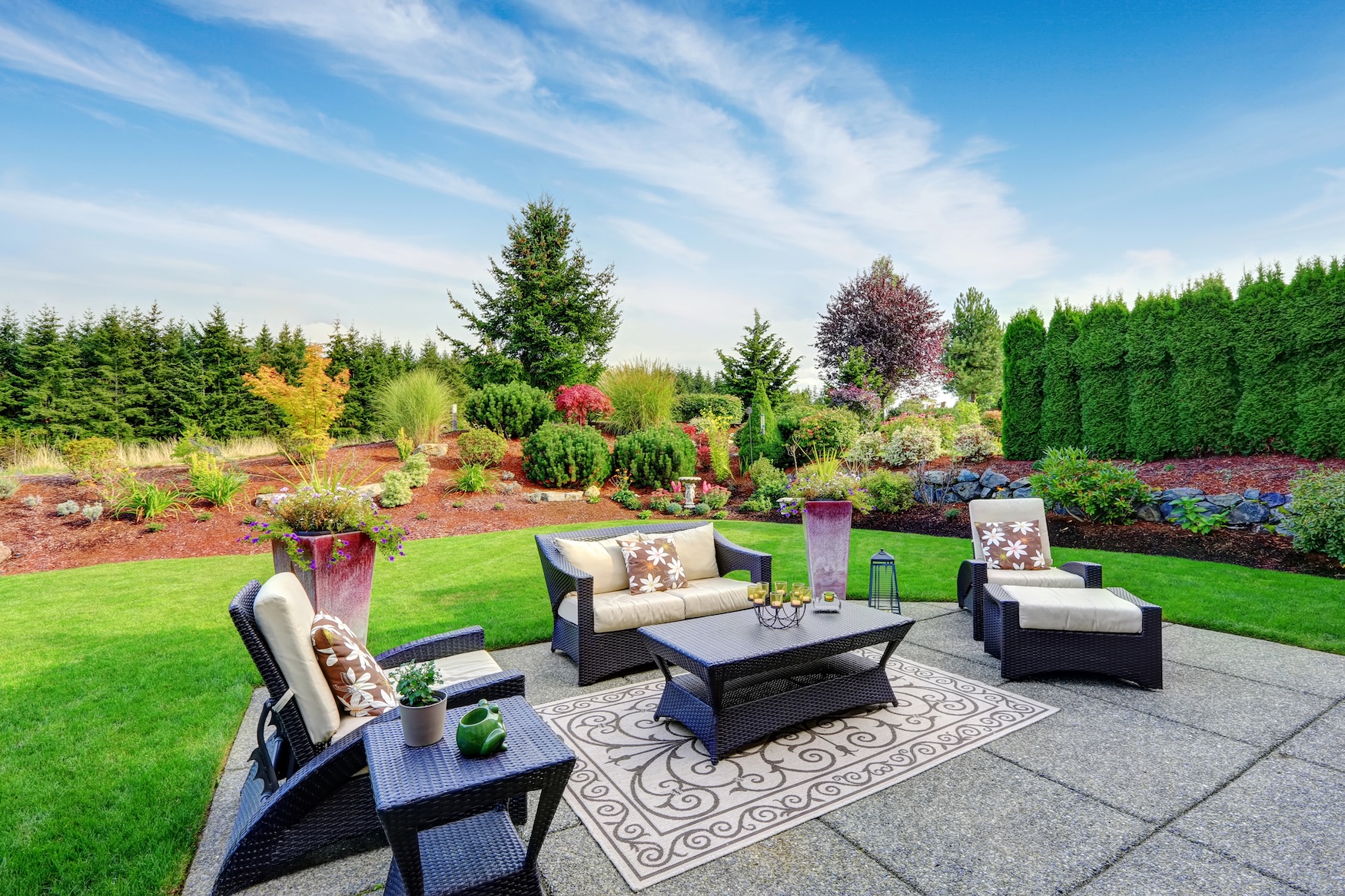
A well-dressed man understands tailoring. Off-the-rack works, but something designed around your proportions moves differently. Backyards operate on the same principle. A basic concrete slab may serve its purpose, yet it rarely reflects how you live, host, or unwind.
Across Texas, where outdoor time stretches through long summers and mild winters, homeowners are rethinking what their patios could be. The question is not whether you need a patio. It is whether a custom one changes the way you use your home.
What sets texas custom patios apart from standard builds?
The difference begins with climate. Texas heat is not subtle. Surfaces bake under direct sun, and sudden storms test drainage and durability. Well-designed Texas custom patios account for these realities from the start. Material selection is more than an aesthetic choice. Lighter concrete finishes can reflect sunlight and stay cooler underfoot. Textured surfaces add grip during summer downpours. Structural elements such as extended covers or pergolas provide relief without closing off airflow.
Design also considers scale. In many Texas suburbs, backyards are generous. A small rectangular slab can look lost in the landscape. Custom layouts introduce depth through varying levels, integrated seating walls, or defined zones for dining and lounging. The patio becomes a destination rather than a pass-through.
There is also the matter of connection. A tailored patio aligns with the home’s architecture, echoing rooflines, brick tones, or modern lines. That cohesion makes the addition feel original to the house rather than an afterthought.
How does a custom patio support your lifestyle?
Think about how you actually spend time outside. Do you host weekend cookouts? Watch the game on a mounted screen? Sit quietly with a drink after work? Each scenario demands a different configuration. A man who entertains often may prioritize space for a long dining table and clear paths for guests to move comfortably. Someone focused on relaxation might choose a shaded lounge area with built-in seating and subtle lighting. Families with children need room for movement and durable surfaces that withstand heavy use.
Custom layouts allow these needs to coexist. A raised section can define a dining zone while a lower area frames a fire feature. Integrated lighting adds depth at night and reduces reliance on harsh floodlights. Electrical planning can support fans, speakers, or even heaters for cooler evenings.
Working with experienced custom patio builders brings these ideas into sharper focus. Builders assess the slope of the yard, soil stability, and drainage patterns before finalizing a plan. They can suggest structural adjustments that prevent water pooling near the house and ensure long-term performance. That technical groundwork often determines whether a patio remains solid for decades or begins to crack after a few seasons.
Is it worth the investment?
Any home upgrade invites scrutiny. A custom patio involves design time, materials, and construction. Yet value is not measured only in resale figures. It shows up in how often the space is used.
In Texas, where outdoor gatherings are woven into social life, a well-executed patio expands living space without altering interior walls. It can serve as a morning coffee spot, a midday workspace, and an evening gathering area in the same week. That flexibility shifts the rhythm of home life.