

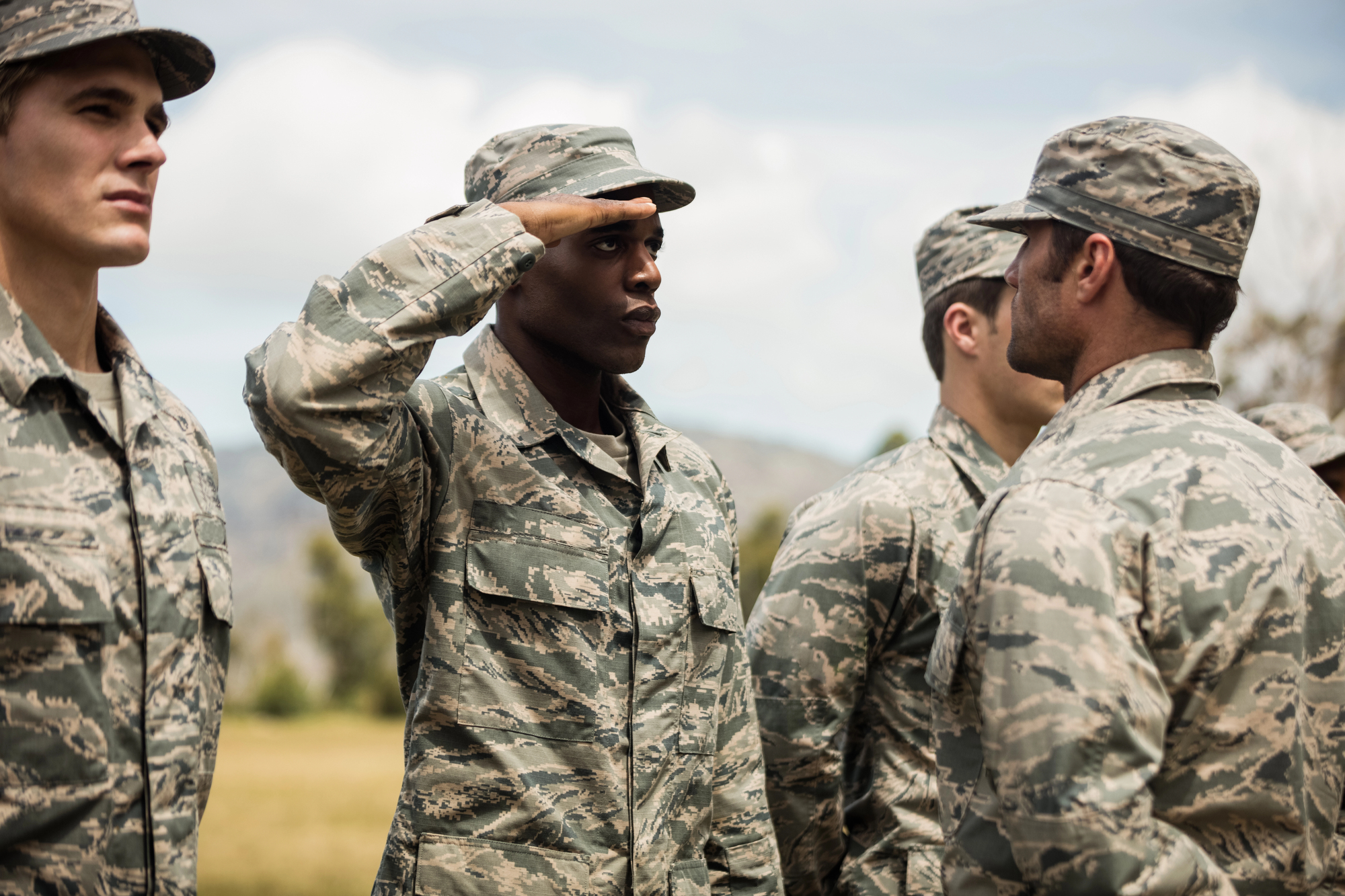
Military service has long been recognized as a pathway to lawful permanent residency for certain non-citizens who serve in the United States. Over 16,000 service members naturalized in FY 2024, a 34% increase from the previous year, with 2025 trends continuing to support this expedited process.
Through special immigration provisions, eligible service members and, in some cases, their families may receive immigration benefits in recognition of their commitment and service.
Can you get a green card by joining the military? Joining the military has traditionally served as a faster method for non-citizens to gain U.S. citizenship status. However, serving in the military generally does not automatically provide a green card.
Let’s explore the key considerations involved in pursuing lawful permanent residency through military service and the legal pathways that may make this opportunity possible.
Overview of Immigration Benefits for Military Service Members
Military service provides protection to a country and, in the case of the U.S., military service grants immigration benefits, which enable applicants to receive expedited processing for their immigration requests.
The advantages of military service help applicants with their difficult process of dealing with the immigration system. Depending on their personal circumstances and military background, some veterans can benefit from certain forms of immigration-related relief.
Military service provides service members and their families access to various benefits, which include expedited processes for obtaining permanent residency and citizenship. The benefits of this system operate differently for each individual who uses it.
Pathways to Lawful Permanent Residency Through Military Service
Military service can offer several ways toward a path leading to a potentially legal permanent stay.
One significant example is the Military Accessions Vital to the National Interest (MAVNI) program that features the enlistment of particular critically skilled non-citizens in the military to pursue residency. The MAVNI program has sadly been temporarily suspended in December 2016 because of concerns over security vulnerabilities and inadequate background checks. As of 2025, the program is still discontinued by the DOD.
Once relevant service requirements have been met, non-citizen service members may apply for status adjustment through naturalization. Military service would even count for a reward by cutting the entire processing time by several months.
An individual might benefit from special customs regulations with one child or a family member of an active service member.
Eligibility Criteria for Military Immigration Programs
Eligibility criteria for military immigration programs vary depending on the program. To qualify, an individual must be currently serving in the U.S. military, a veteran, or a reserve member, according to the basic eligibility criteria.
To achieve lawful permanent residency, a service member must submit proof of their character, demonstrating that they are a person of good standing. On the record, service members should have discharged their service commitments. The eligibility criteria change if the applicants are the children or spouse of the military service members.
The eligibility criteria require applicants to demonstrate language proficiency, educational credentials, and physical fitness; applicants must conduct ongoing research about the requirements because military needs and new laws will lead to changing regulations.
Keeping track of these standards will enable applicants to apply for lawful permanent residency.
The Application Process for Permanent Residency
Applying for permanent residency can feel overwhelming at first, but once you understand the steps involved, the process becomes much more manageable.
You need to gather all essential documents, which require your military service records, your ID card and all other supporting documents. The application procedure requires you to complete both the application form and Form I-485 which all Green Card applicants must submit.
Prepare for your biometrics appointment, where they will take your photo and digital fingerprints after you have applied.
You need to wait until the U.S.Citizenship and Immigration Services officer needs to schedule your interview. You will obtain your green card after your application succeeds which will enable you to begin your life as a legal permanent resident.
To avoid delays, it is advisable to follow up on any USCIS requests.
Advantages of Gaining Permanent Residency Through Military Service
The military services provide an opportunity to get a permanent resident card, which can transform their personal and professional lives in the United States.
Noncitizen military personnel could experience expedited processing for green card applications, which reduces their waiting time for approval compared to civilian applicants.
Permanent residents receive educational rights and health care benefits through various insurance programs and additional support services, which improve their quality of life.
Permanent residents have unrestricted employment rights throughout the United States, which enables them to build stable careers for themselves and their families.