

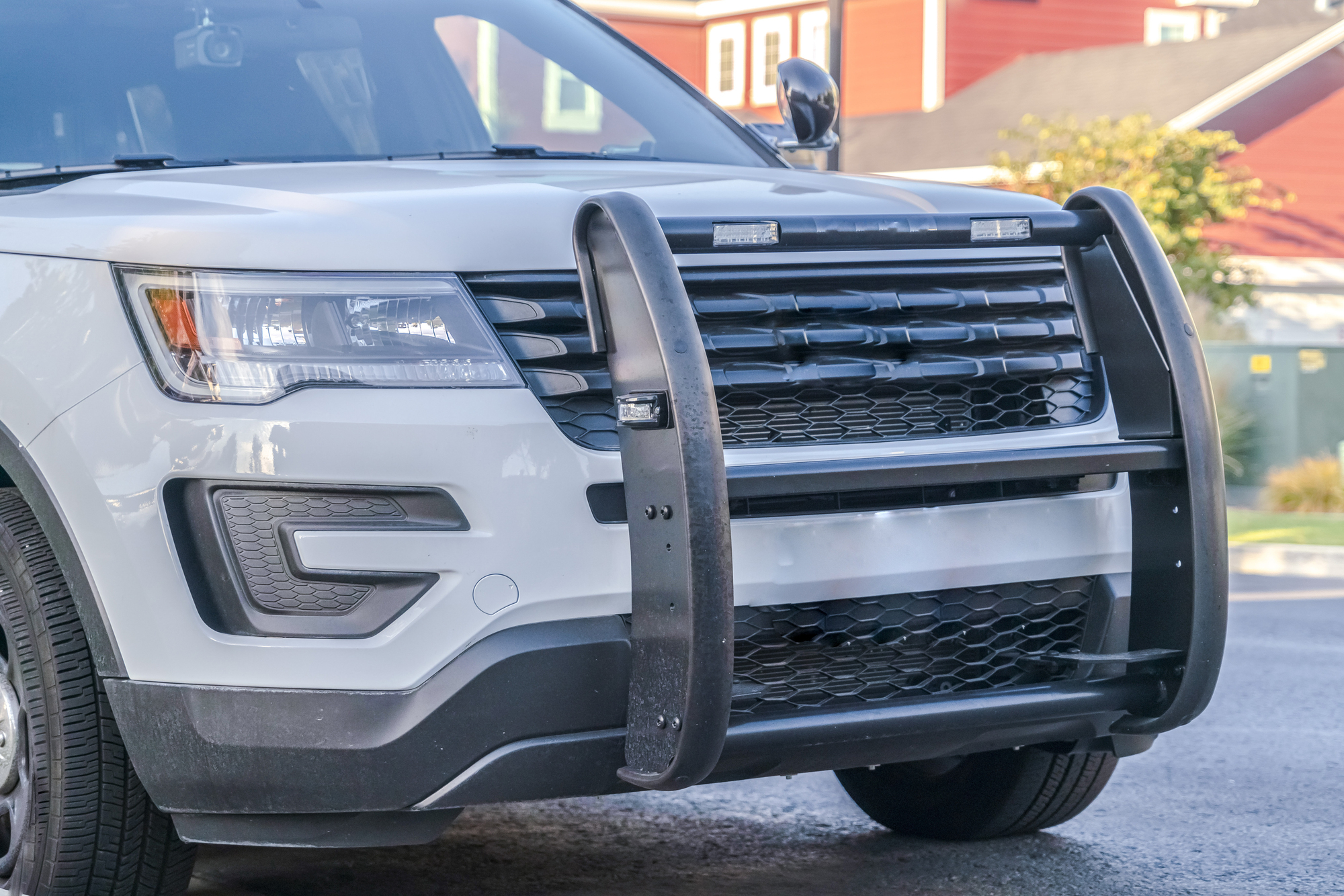
Front-end protection has become a sensible upgrade for many dual-cab owners, particularly those who spend time beyond sealed roads. Still, nobody wants to bolt on something that looks awkward or out of place. The good news is that design has caught up with demand. Today’s accessories are built with far more restraint and consideration than they once were.
For drivers refining a Ranger setup, selecting the right Ford Ranger bull bar can enhance safety while preserving the vehicle’s original proportions and visual balance. Done well, it feels considered rather than added on.
Benefiting from Modern Bull Bar Designs
The old assumption that bull bars automatically make a vehicle look clumsy no longer holds much weight. Manufacturers now work closely with vehicle dimensions, sensor placement, and factory styling cues. As a result, many current designs follow the contours of the front end closely, rather than sitting proud or bulky.
A well-matched bar mirrors the grille lines and headlight angles, creating a sense of continuity. Some drivers lean towards minimalist single-loop styles, while others prefer a full bumper replacement. Neither option is inherently better. What matters is proportion. If the bar looks like it belongs there, most people would struggle to tell it was not factory-fitted.
How Materials Influence Both Strength And Visual Impact
Material choice does more than determine durability. It shapes the entire presence of the bull bar. Steel remains popular for its toughness, particularly for vehicles that regularly encounter wildlife or rough terrain. That strength comes with extra weight and a more assertive look, which suits some builds better than others.
Alloy sits comfortably in the middle ground. Lighter than steel yet still robust, it often allows for a slimmer profile and cleaner finish. Polyethylene bars push subtlety even further. Their lighter construction and smoother forms appeal to drivers who want protection without dramatically changing the vehicle’s face.
Finish ties everything together. Powder coating, be it matte or colour-matched, softens visual edges and helps the bar sit naturally alongside factory panels.
Why Proper Installation Protects More Than Appearance
Even the best-designed bull bar can look wrong if it is poorly installed. Alignment is critical. Gaps, uneven spacing, or misaligned panels draw the eye immediately and undermine the effort put into choosing the right product. Modern bull bars are typically engineered to use existing mounting points. This avoids unnecessary cutting and keeps the installation clean.
It also means the vehicle can be returned to stock if needed later. More importantly, professional fitting ensures that safety systems continue to function as intended. Sensors, cameras, and airbags rely on precise positioning. Any compromise there is not worth the risk. A careful installation protects the vehicle’s lines while safeguarding its built-in technology.
Blending A Bull Bar With Other Exterior Accessories
A bull bar rarely exists in isolation for long. Once installed, it often becomes the foundation for additional equipment. Driving lights, antennas, or a winch can all be added without overwhelming the front end, provided restraint guides the choices.
Integrated mounting points help maintain a tidy look. Lights that sit within the bar’s design feel intentional, not bolted on at the last minute. Matching finishes across accessories also makes a noticeable difference. When side steps, rear bars, and roof equipment share a similar tone or texture, the entire vehicle feels cohesive. The aim is balance. Each addition should earn its place visually as well as functionally.
Takeaways
Upgrading front-end protection no longer requires sacrificing style or design integrity. Thoughtful product selection, paired with careful installation, allows drivers to enhance capability while keeping the vehicle’s character intact.
When a bull bar follows the factory lines, supports safety systems, and complements existing accessories, it becomes part of the vehicle rather than an interruption. The result is a setup that feels purposeful, considered, and ready for whatever lies ahead, without ever looking overdone.
Photo Credit: DepositPhotos.com