


As Bel-Air streams its final season, Olly Sholotan, the actor behind Carlton Banks, is taking a moment to reflect on a series that became bigger than a reboot (or “reimagining,” as they call it), bigger than nostalgia, and ultimately a beautiful homage to the source material.
For him, Bel-Air is a cultural inflection point, one that expanded how Black masculinity, identity, and brotherhood could be represented on TV.
And he knows the impact is real because fans tell him every day.
“I’ve had so many people come up to me and tell me that Carlton has helped them feel seen and feel recognized… not only in their own bodies but also in their own experiences,” Sholotan shared during our interview.
From its debut, Bel-Air did something rare: it portrayed multiple types of Black masculinity with tenderness, honesty, confidence, and vulnerability. It allowed characters to hold complexity, to be soft and strong, anxious and ambitious, flawed and worthy, all at once.
Sholotan believes that’s one of the show’s most powerful contributions. “Blackness is not monolithic… The Black experience is so diverse and so wide,” he explained.
He added:
“Bel-Air has a lot to say about masculinity because it shows that masculinity doesn’t only look one type of way. And between Will, Carlton, Phil, Jeffrey — these are all masculine Black men, but express it in different ways. Masculinity can be emotional. Masculinity can be vulnerable. And all of that is good.”

For Sholotan personally, stepping into Carlton’s shoes was transformative: “This show taught me to be more empathetic… to be more patient. I learned I’m a really emotional guy.”
Carlton’s journey, from a young man contorting himself to fit into an image of perfection, to someone choosing self-acceptance, mirrors a real emotional arc many Black men are navigating today.
“Your uniqueness is your superpower,” he said, reflecting on what Will represents in Carlton’s life and in the series as a whole.
On-screen, Will and Carlton’s relationship is layered: tense, competitive, loving, frustrating, healing. Off-screen? It’s just as authentic.
“What’s been beautiful about their brotherhood is over time, they have found the ways that they’re actually very, very similar,” Sholotan said of their characters.
But the real story is what happened between him and Jabari Banks, the actor behind Will.
“He’s just such a force of an artist… I think it works on screen because in real life, we really have built a wonderful brotherhood and a wonderful bond. Every day, showing up to work and just getting to work with him — it’s a gift.”
The camaraderie didn’t stop at the two of them. As he described:
“They often say that we are just the loudest production on the Universal lot… we’re singing, we’re playing music out loud… this has been such a ride and an experience of a lifetime. So why not celebrate the whole way through?”
Hollywood has spent decades telling Black stories through trauma. Bel-Air insisted on something else: complexity, joy, beauty, struggle, and everyday life, all rooted in love.
“Not all our stories have to be about our trauma or our pain. They can just be about a family navigating through the trials and tribulations of life, but always coming back to each other,” Sholotan said.
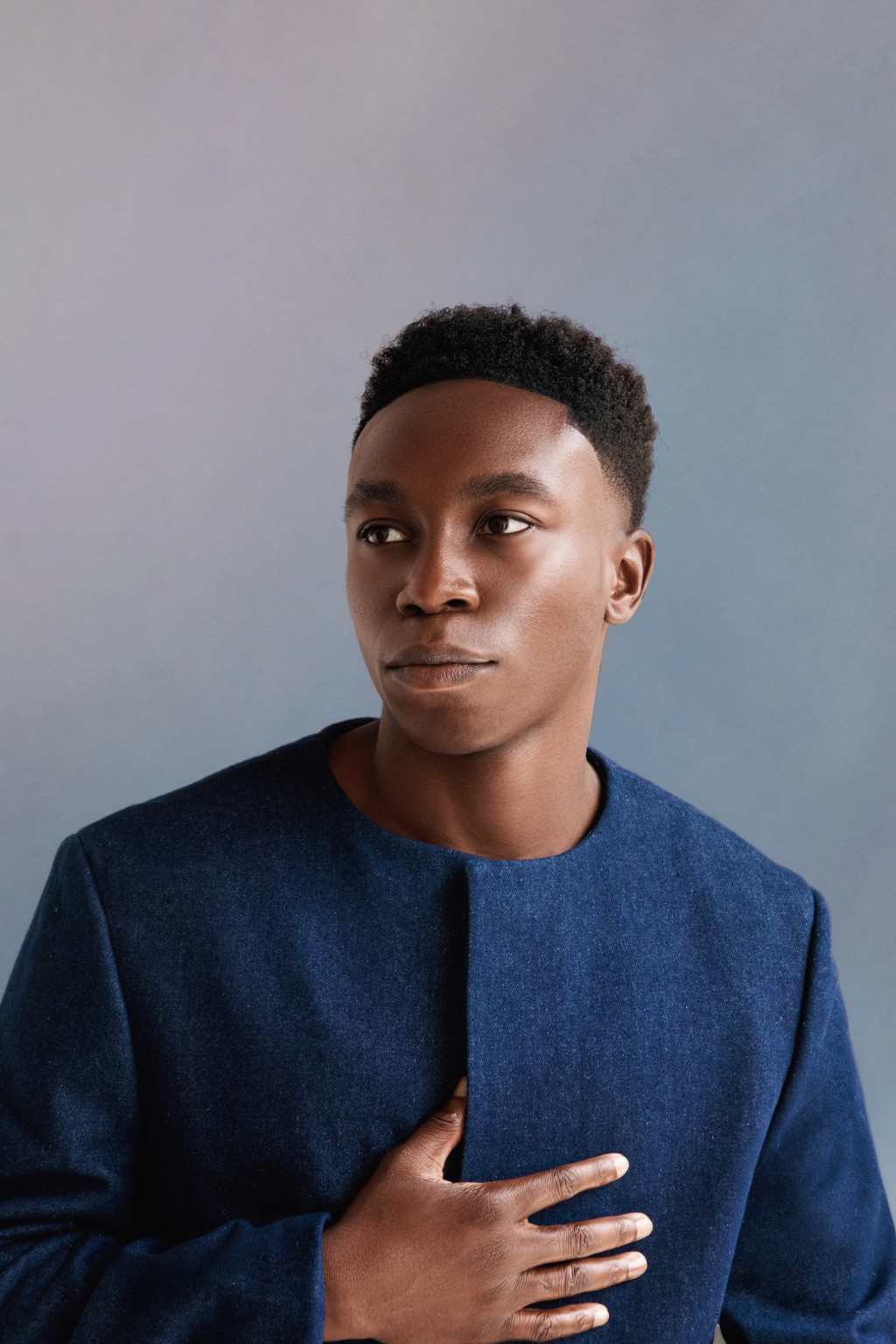
In the end, that’s the legacy. Not just a modern reimagining of a classic, but a new blueprint for how Black families, friendships, and manhood can be portrayed on TV; honest, emotional, and human.
While Bel-Air helped introduce him to millions as an actor, Sholotan has always been a musician at heart, and now, he’s leaning all the way back into that side of his artistry.
“Music is where I started… acting sort of took over for a bit, but I’m really excited to be getting back to releasing music consistently,” he shared during our conversation.
And he’s not easing into it, he’s coming in hot. Sholotan released his newest single, HotShot, a high-energy Pop/Afropop/Hip-Hop mix grounded in confidence and swagger.
Sholotan says the energy behind HotShot comes directly from where he is in life right now. After years of audiences watching him evolve on-screen, he’s stepping into a version of himself that feels more aligned, grounded, and powerful.
“I feel like I’m in this incredible space in my life where I feel like people have watched me grow up,” he shared. “I started the show when I was 22, and now going into the next phase of my life, I’ve been trying to put a word to it. What is that thing that I feel? What does this feel like?”
That search for language eventually led him straight to the song’s title. “Man, I feel like a hot shot right now,” he said. “I just feel hot. It feels like the world and the universe has opened up for me.”
For Sholotan, HotShot is a declaration of self, of confidence, of entering a new chapter with intention and joy. He credits Bel-Air with helping unlock that feeling, both personally and artistically. “This show has been such an incredible blessing in my life and blessing in my artistry,” he said. “I just wanted to make something that made people dance.”
As both an artist and an actor, he hopes audiences walk away with one core truth he’s learned along the journey: “That it all works out in the end… if you stay steadfast in your mission and your purpose, it’ll be all right.”
For Olly Sholotan, the end of Bel-Air isn’t a goodbye, it’s the beginning of a new era. One where the full range of his creativity takes center stage.
Stream Bel-Air on Peacock and listen to HotShot on The Gentlemen’s Soundtrack. Check out our interview.
And if HotShot is any indication, he’s stepping into that future with rhythm, purpose, and the same authenticity that made audiences fall in love with him in the first place.
Photo Credit: Dalvin Adams