
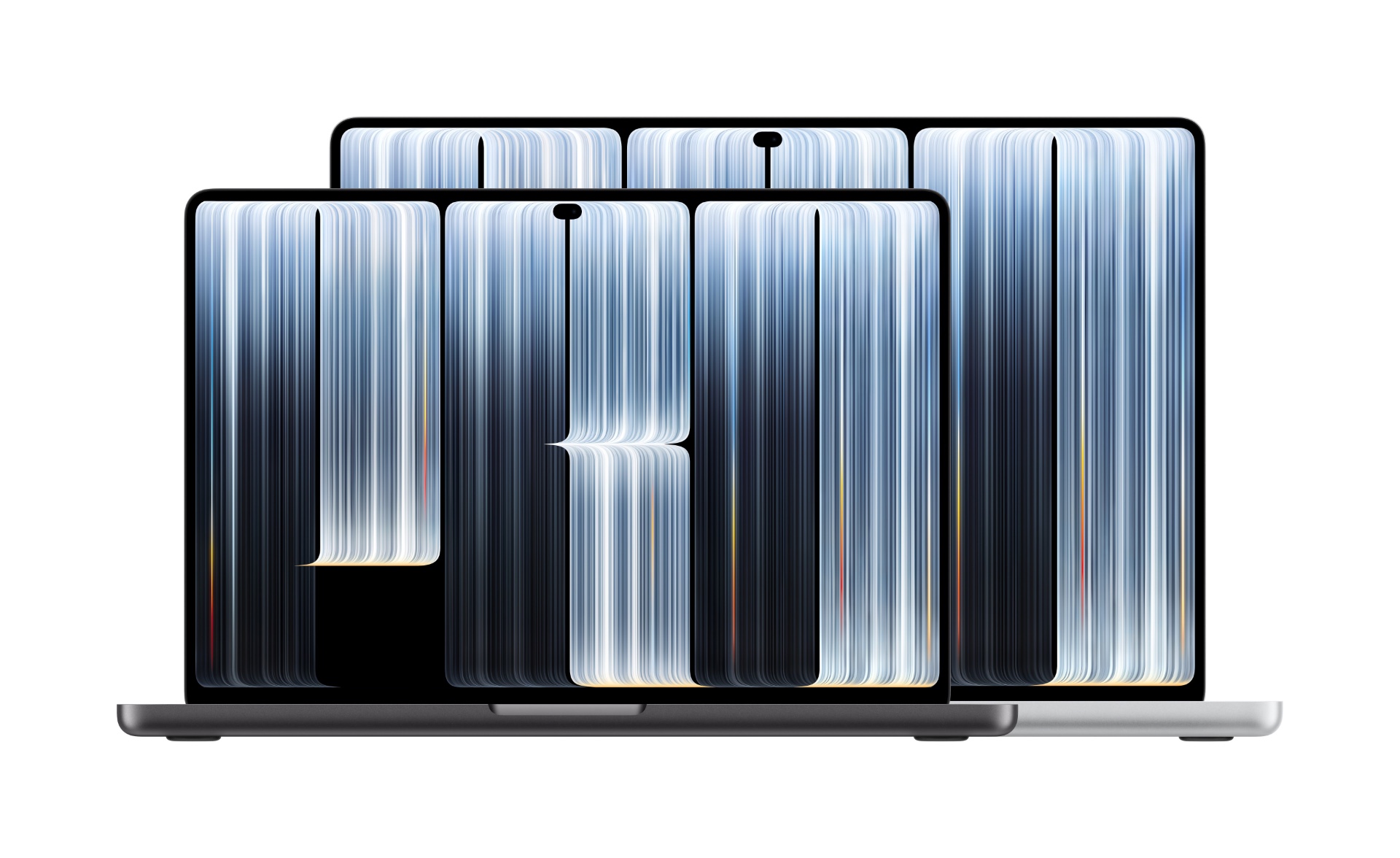
For years, Apple fans asked for a touchscreen Mac, and for years Apple said no. That changed today. At its “Pro and Tell” event in Los Angeles, Apple unveiled the MacBook Pro with PROLED XDR Display, the company’s first laptop you can actually touch.
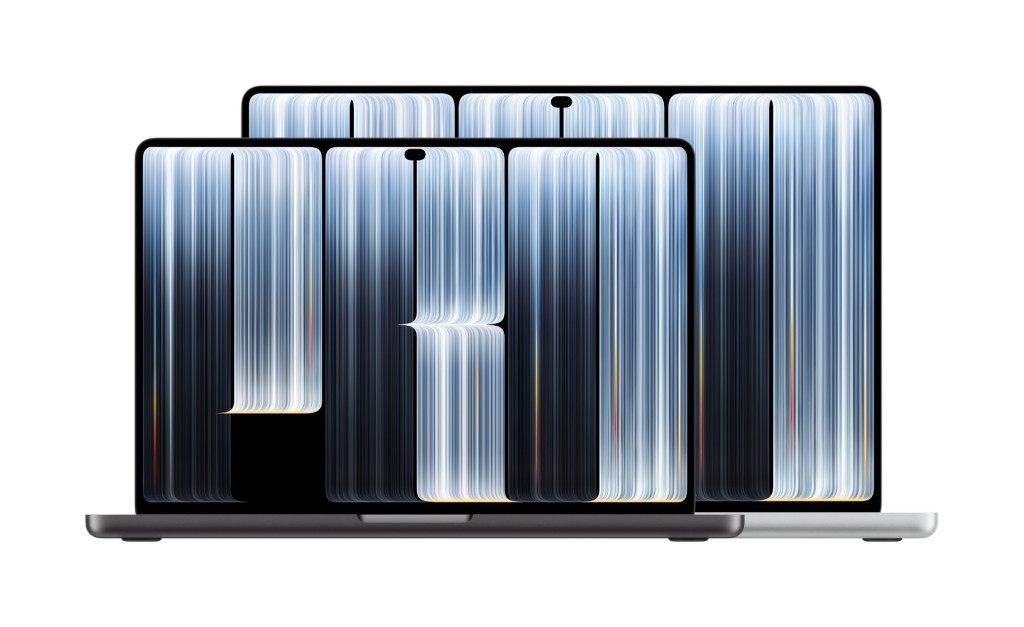
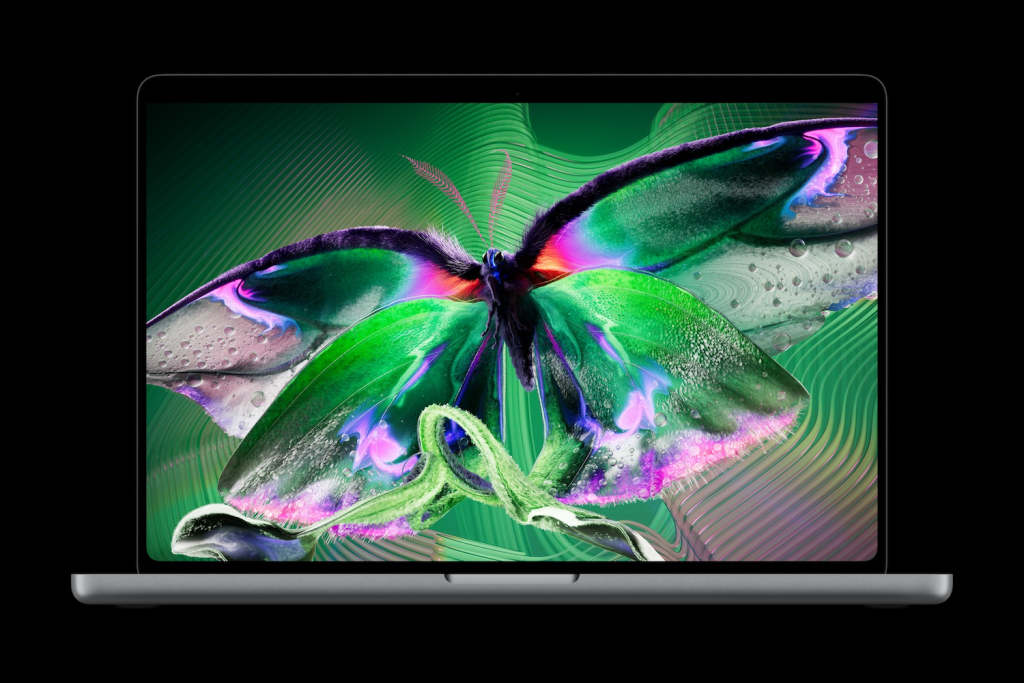
The new MacBook Pro is the biggest overhaul of the line since 2021. It’s built around a tandem OLED touchscreen that can reach up to 2,000 nits of brightness, and it’s powered by Apple’s M5 Pro and M5 Max chips.
The 14-inch model starts at $2,899 with an M5 Pro chip, 24GB of memory and 1TB of storage, while the 16-inch model starts at $3,399 with the same configuration. That’s about $400 more than comparable non-touch MacBook Pro models, and a fully maxed-out 16-inch version runs as high as $14,549. Pre-orders are open now, and the laptops arrive in stores Nov. 6. Apple will continue selling the standard, non-touch MacBook Pro for buyers who would rather keep their hands on the keyboard.
Steve Jobs on Touchscreen MacBook: “It doesn’t work, it’s ergonomically terrible” https://t.co/HjYsJz0BBS
— Apple Design (@TheAppleDesign) October 28, 2026
The launch is a full reversal of one of Steve Jobs’s most famous product stances. In October 2010, at Apple’s “Back to the Mac” event at its Cupertino headquarters, Jobs addressed the idea head-on while introducing Mac OS X Lion and taking aim at rivals building touchscreen PCs.
“We thought about this years ago. We’ve done tons of user testing on this, and it turns out it doesn’t work,” he said. “Touch surfaces don’t want to be vertical. It gives great demo. But after a short period of time, you start to fatigue. And after an extended period of time, your arm wants to fall off. It doesn’t work. It’s ergonomically terrible.”
His answer at the time was simple: touch belonged on horizontal surfaces, which is why Apple kept perfecting its multi-touch trackpads.
That philosophy held for more than a decade. Apple leaders defended it again and again while the company put touch at the center of the iPhone and iPad and kept it off the Mac. Meanwhile, Windows laptop makers went all in on touchscreens and 2-in-1 designs.
Apple’s closest attempt was the Touch Bar, a thin touch strip above the keyboard that debuted in 2016 and was quietly phased out a few years later.
What changed? For one, the people buying laptops today grew up touching screens. A generation that reaches for their phone and tablet screens all day doesn’t think twice about tapping a laptop display. It’s also worth noting that Jobs was largely arguing against touch as the main way to use a vertical screen. Apple is positioning touch as an addition to the keyboard and trackpad, not a replacement for them.
Jobs was also known for changing his mind. He once dismissed the idea of third-party apps on the iPhone before Apple launched the App Store.
Whether the new MacBook Pro feels natural or brings back the arm fatigue he warned about won’t be clear until people spend real time with it. Either way, 16 years after Jobs called it “ergonomically terrible,” Apple is betting that the touchscreen MacBook’s time has finally come.