

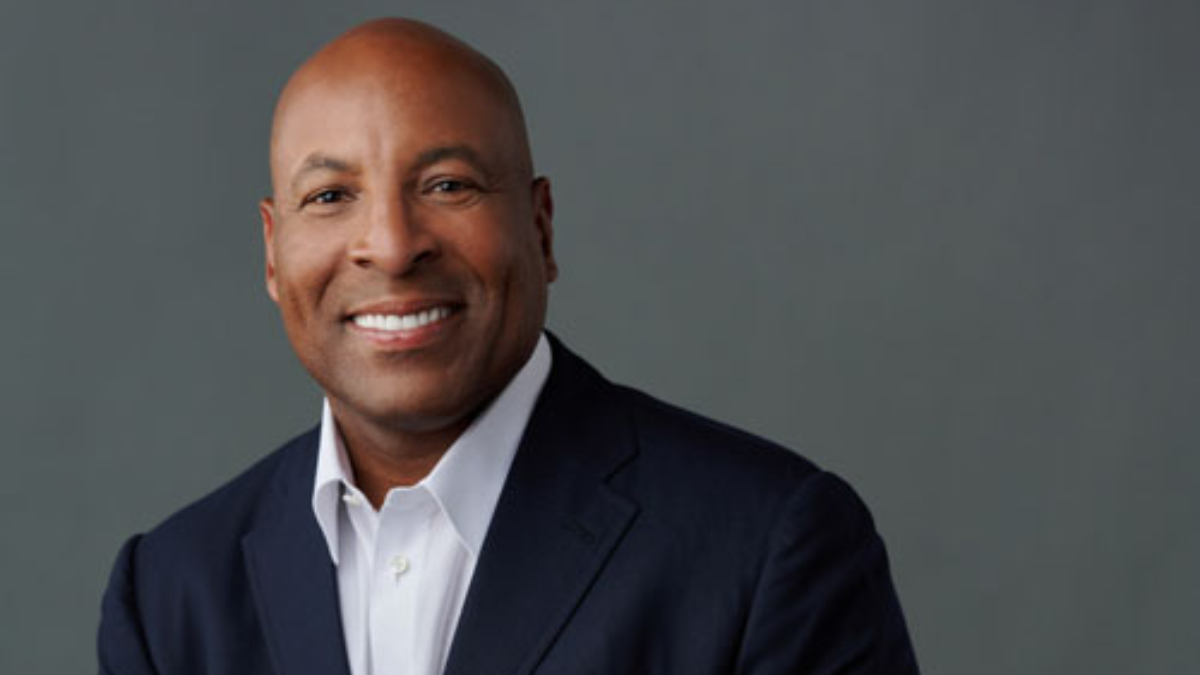
David Grain, founder and CEO of Grain Management, has agreed to sell his firm’s nationwide 800 MHz spectrum portfolio to SpaceX in a deal the Wall Street Journal valued at about $8 billion. Grain Management announced the agreement on October 8, and it still needs approval from the Federal Communications Commission.
The companies did not disclose financial terms. According to Light Reading, SpaceX has asked the FCC for an expedited review.
What SpaceX Is Buying
The portfolio gives SpaceX up to 14 MHz of paired low-band spectrum, which carries signals over long distances. SpaceX says it will pair the airwaves with its Starlink satellites and land-based equipment to build Starlink Mobile, a standalone phone network.
“Critically, most existing mobile devices already support this underused band,” SpaceX wrote in a blog post announcing the deal.
Elon Musk framed the purchase in bigger terms. “This is the last critical piece of the spectrum puzzle needed for SpaceX to provide complete phone coverage in America,” he wrote on X.
Grain acquired the spectrum in August 2026 from T-Mobile, in a swap of $2.9 billion in cash plus Grain’s own 600 MHz holdings, Light Reading reports.
The Long Game
Before founding Grain Management in 2007, he led Pinnacle Towers, later Global Signal, and grew it into one of the largest independent wireless tower companies in the world, according to his Dartmouth trustee biography. He was earlier a senior vice president at AT&T Broadband and an executive director in Morgan Stanley’s high-yield finance department.
He holds a bachelor’s degree in English from the College of the Holy Cross and an MBA from Dartmouth’s Tuck School of Business. He sits on the boards of Dell Technologies and Southern Company, and on the advisory council of the National Museum of African American History and Culture.
Forbes counted Grain among U.S. billionaires this year with a net worth of $2.3 billion. That puts him in a very small club of Black billionaires, and one of the few whose fortune was built on telecom infrastructure.
“For nearly twenty years, we have built Grain to see opportunity where others see complexity,” Grain said in announcing the sale.
For now, the deal waits on the FCC. Whatever regulators decide, Grain has already made his point: the quiet business of owning the airwaves can be as lucrative as anything that travels over them.