

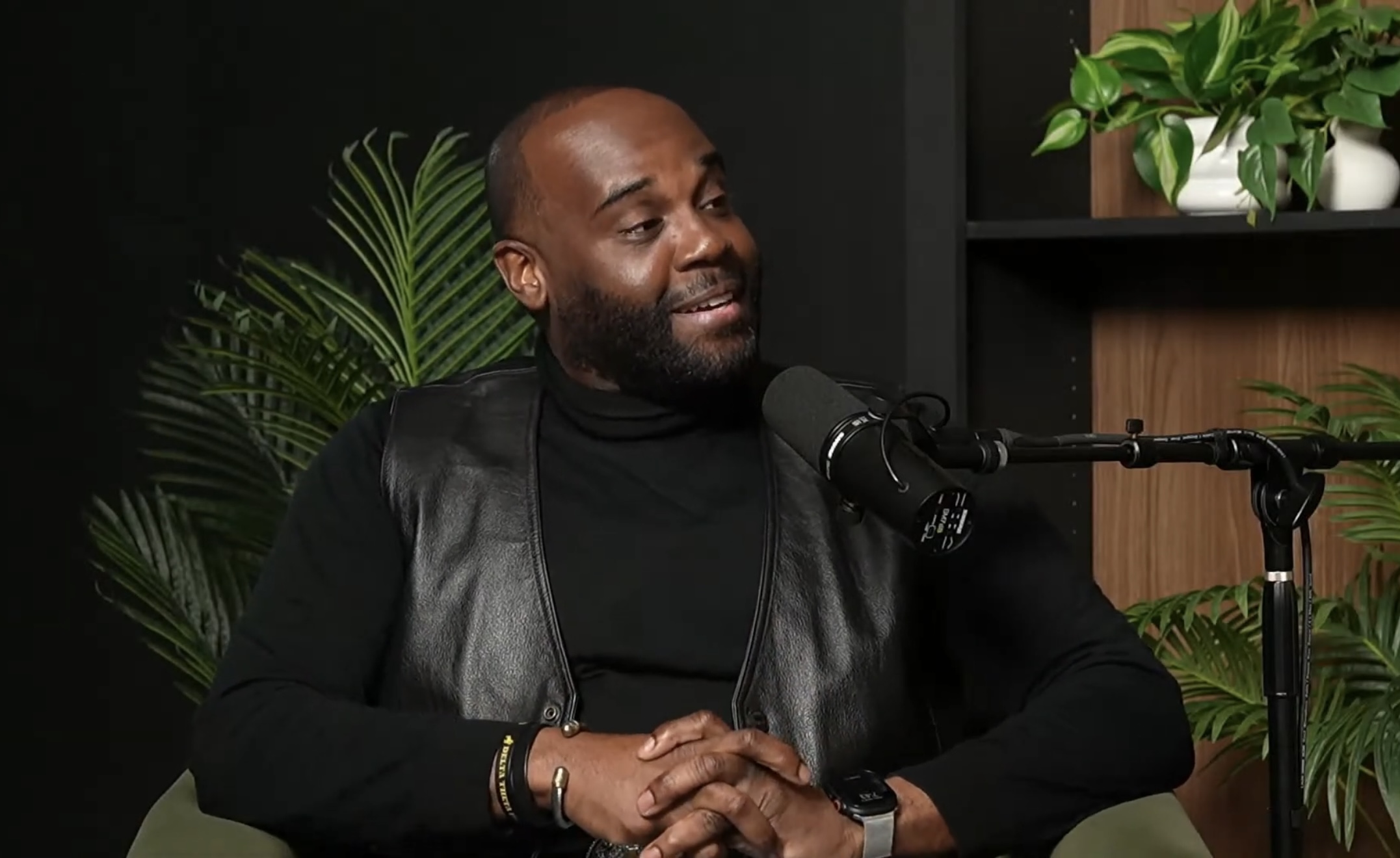
Quintessentially Speaking has released Episode 2, featuring political strategist Kamau Marshall in conversation with hosts Eric Keith and Jonathan Wells.
Marshall, a veteran of Capitol Hill and a strategist who has helped win some of the nation’s most competitive congressional and presidential campaigns, brings a deep background in politics, social impact, messaging, culture, and public affairs. An alumnus of President Obama’s 2012 re-election campaign and the Obama administration, Marshall later served as Director of Strategic Communications for President Biden’s winning 2020 presidential campaign and as a senior advisor in the Biden-Harris orbit.
Now the founder of Think Toplines, Marshall joins the show for a wide-ranging cultural conversation about Black male political engagement, the role of the church and church-based organizing, the limitations of boycotts, and what real leadership should look like in the current moment.
The episode is available now on Apple Podcasts and Spotify. What follows is a preview of the ground it covers.
Marshall addresses the data behind Black men and the Donald Trump vote, including what the numbers reveal across political party lines. Trump’s share of the Black male vote grew from 13 percent in 2016 to 19 percent in 2020, and Marshall does not soften his assessment of what that means.
He draws a clear distinction between 2016, which he describes as an understandable expression of frustration with a broken system, and 2020, which he views differently in light of where the country stands politically now in 2026.
On coalitions of people and particularly Black men who say politics is not in their orbit, his position is unambiguous: “Politics will do you bad. When people say they don’t do politics, politics does you. Most bad elected officials are elected by good people who do not vote. You have to be a part of the process.”
When asked whether athletes, celebrities, and digital influencers should speak on political issues, he affirms their right to do so. They are people, they are voters, and they have influence.
Still, Marshall remains candid about the current state of engagement. From his vantage point inside campaigns and communications at the highest level, having a platform and being fully versed in the nuances of policy and politics are not always the same thing. He sees the influence as real and the intentions as genuine, and believes those voices remain important, while noting there is always room to go deeper, especially when it comes to facts, particularly within this current era.
The influence is very real, yet the preparation is often not as strong as it could be. He sees a similar dynamic with some digital influencers, though he applauds the effort and believes their voices remain important to reaching people who may not otherwise engage with politics.
Marshall grew up the son of a Presbyterian minister and the grandson of Baptist and Pentecostal ministers, and he is a proud PK. His take on the Black church’s role in political life comes from that background. He supports church involvement in political education and organizing, and cites Pastor Jamal Bryant’s coordination of the Target boycott as an example of what nontraditional church leadership can look like when it works. But he pushes the conversation further than most are willing to go: the boycott, he argues, stopped short of where it needed to go.
Redirecting Black spending to another non-Black company does not build Black economic power. The next level, organizing that spending into community investment, has not yet happened. “That to me is the missing point,” he says.
Quintessentially Speaking Episode 2 is available now on Apple Podcasts and Spotify. Listen to the full episode.