

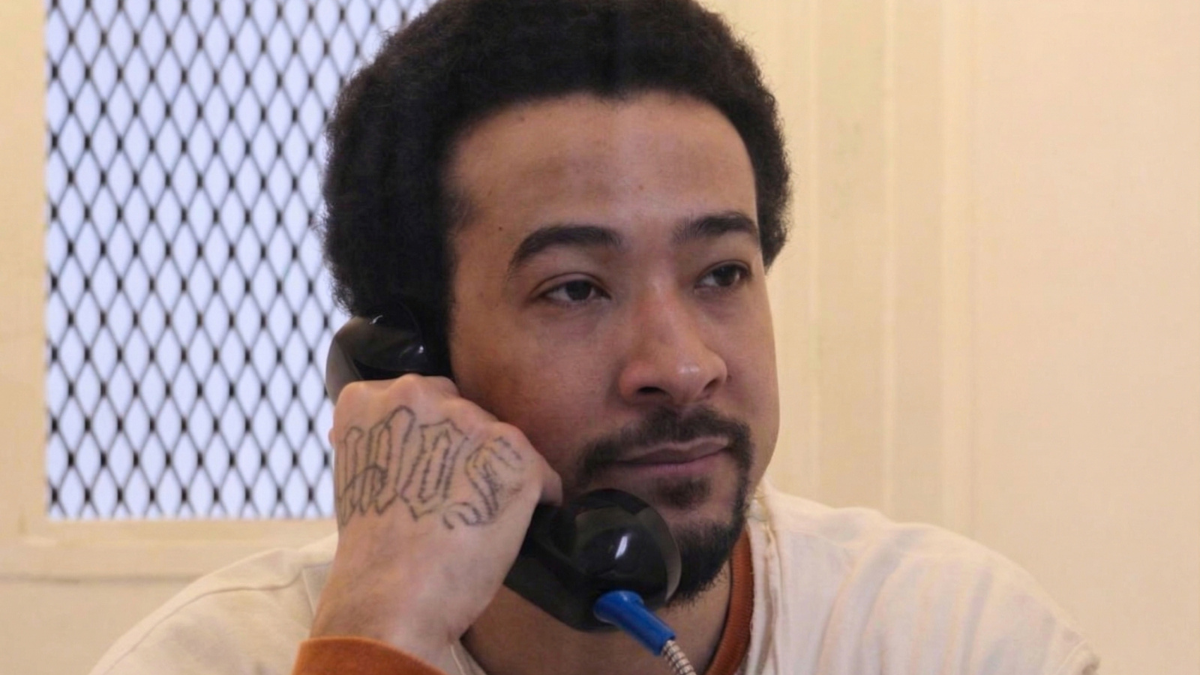
James Broadnax was executed by lethal injection on April 30 at the Texas State Penitentiary, and the circumstances surrounding his case have reignited one of the most urgent debates in criminal justice: whether rap lyrics should ever be used against a defendant in court.
Broadnax, 37, was sentenced to death following his conviction in a 2008 double murder in Garland, Texas, in which he and his cousin, Demarius Cummings, both under the influence of PCP-laced marijuana, targeted Christian-music producers Stephen Swan, 26, and Matthew Butler, 28, who were shot and killed.
The cousins stole Swan’s Crown Victoria and were arrested 170 miles away.
At the time, Broadnax confessed to the murders and, still high, gave two expletive-laden interviews to local news reporters bragging about the killings. He was found guilty of the double murder.
Then, during the sentencing phase, lawyers used rap lyrics found in Broadnax’s car to convince jurors that he had a violent nature and would kill again if given the chance. Broadnax was sentenced to death.
What followed over the next several months was a full-scale legal effort to stop the execution. In March, Cummings, who is serving life in prison, came forward and confessed to the murders, stating that his cousin had taken the fall because he had a less extensive criminal record.
As presented at trial, only Cummings’ DNA was found on a gun used in the murders and on one of the victims. Broadnax’s legal team also argued that he had been severely abused as a child and was suicidal at the time of the killings.
The case drew attention from the hip-hop community. Rappers including Killer Mike and Travis Scott contributed to legal filings arguing that rap lyrics should not be used in courtrooms, with Killer Mike writing that across the country, police and prosecutors have increasingly relied on rap lyrics at every stage of the criminal justice process, to open investigations, charge suspects, secure indictments, win convictions, and argue for severe sentences, including the death penalty, and that no other fictional form, musical or otherwise, is targeted like this in the criminal justice system.
The Supreme Court rejected every appeal. The Court pointed to the fact that Broadnax never recanted his confession and cited the interviews he gave at the time of the murders as proof of his guilt.
The Court also stated that Broadnax’s claims regarding the racial makeup of his mostly-white jury had been rejected several times at both the state and federal level, and similarly declined to review the appeal related to rap lyrics.